 Skip to content
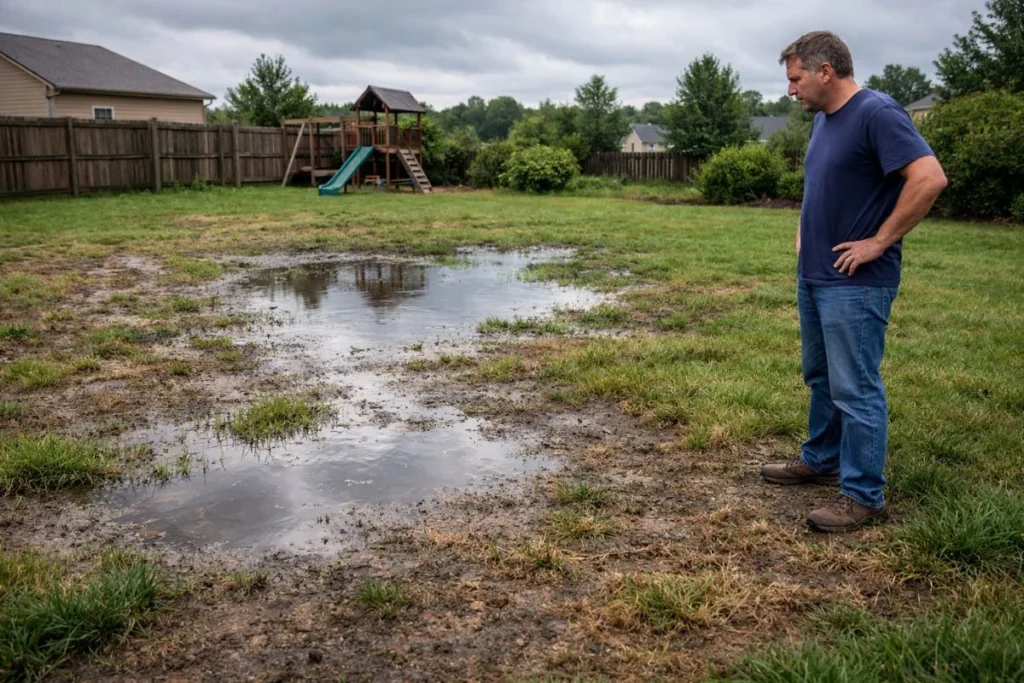
I have stood on lawns that looked green from a distance but failed the moment it rained. Water stayed on the surface. The ground felt hard underfoot. Grass stayed thin even after regular watering and fertilizer. At first, I blamed the seed and the products. I changed brands. I watered more. Nothing worked.
The real problem was under the surface. Years of foot traffic, mowing, and weather had pressed the soil tight. Roots could not breathe. Water could not soak in. Once I started using lawn aeration at the right time and followed proper aftercare, the change was clear. Water moved into the soil. Roots grew deeper. Grass filled in naturally. This guide is written to help you spot the same problem early and fix it the right way.
- Lawn aeration fixes hard, compacted soil.
- Best done during active grass growth.
- Core aeration works best for most lawns.
- Aeration helps water, air, and nutrients reach roots.
- What Is Lawn Aeration?
- Why Aeration Helps Lawns
- Signs Your Lawn Needs Aeration
- Simple Soil Compaction Test You Can Do at Home
- When to Aerate Your Lawn
- Best Time to Aerate by U.S. Region
- How to Aerate a Lawn
- How Often Should You Aerate?
- Lawn Aeration Cost in the USA
- DIY Aeration vs Professional Aeration
- What to Do After Aeration
- How Long Aeration Results Take to Show
- Aeration vs Dethatching vs Overseeding
- Should You Dethatch Before Aeration?
- Common Aeration Mistakes
- Aeration and New Lawns
- Lawn Aeration FAQs
- Conclusion
What Is Lawn Aeration?
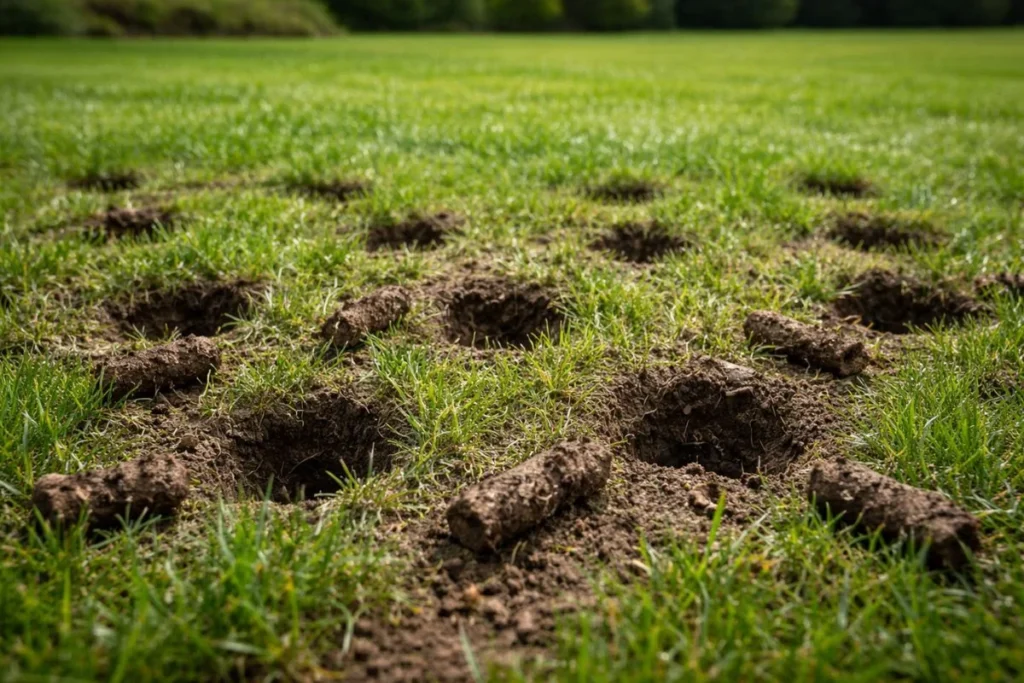
Lawn aeration means making small holes in the soil.
These holes allow air, water, and nutrients to reach the roots.
Over time, soil gets pressed tight by:
- Foot traffic
- Lawn mowers
- Rain
When soil is tight, roots cannot grow deep.
Aeration relieves this pressure.
Why Aeration Helps Lawns
Aeration improves soil health and grass growth.
Benefits include:
- Deeper root growth
- Better water absorption
- Improved fertilizer results
- Thicker grass
- Fewer bare spots
Lawns with compacted soil often improve after one proper aeration.
For a detailed breakdown of how aeration improves roots, drainage, nutrients, and turf density, read our guide on benefits of aerating lawn.
Signs Your Lawn Needs Aeration
- Water pools or runs off after rain
- Soil feels hard when you walk on it
- Grass stays thin despite watering
- Roots stay near the surface
If you answered yes to two or more, aeration is likely needed.
Your lawn may need aeration if you notice:
- Water pooling after rain
- Soil feels hard underfoot
- Grass stays thin despite care
- Thatch feels thick and spongy
- Roots stay close to the surface
If you see more than one sign, aeration is a good step.
If your lawn feels spongy and you are unsure whether thatch is the real issue, read our full guide on what is lawn thatch before deciding.
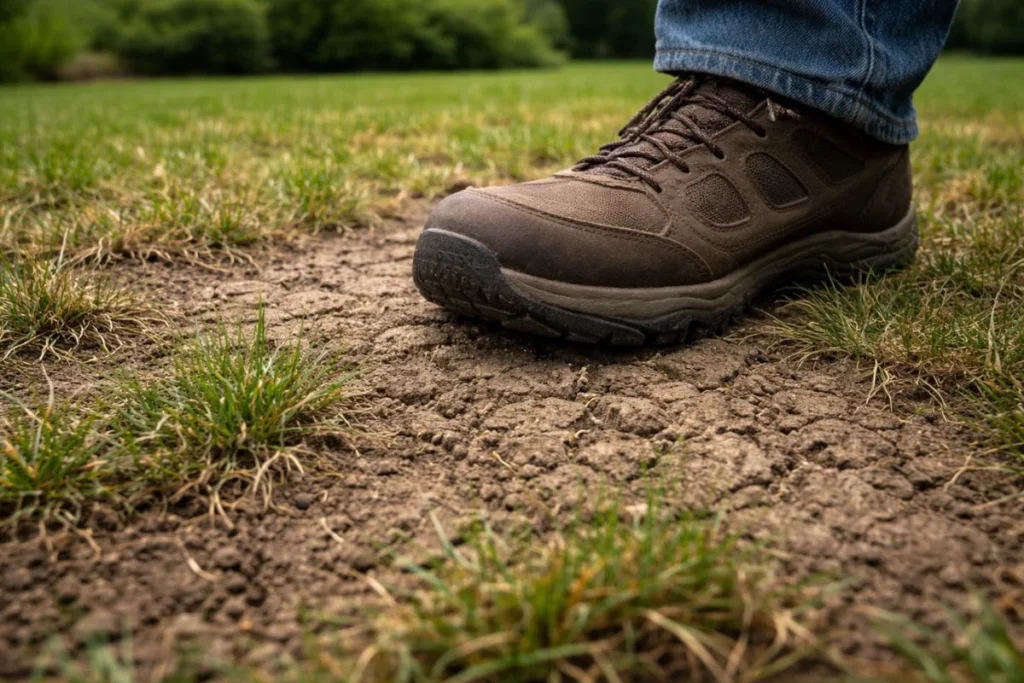
Simple Soil Compaction Test You Can Do at Home
Before scheduling aeration, you can quickly test soil compaction yourself.
Try this screwdriver test:
• Push a screwdriver or garden stake into moist soil
• If it slides in easily, compaction is low
• If strong pressure is needed, soil is compacted
• If penetration stops after 2–3 inches, aeration is likely needed
This simple test helps confirm whether poor lawn performance is caused by compacted soil rather than watering or fertilizer issues.
When to Aerate Your Lawn
Timing matters because grass must recover after aeration.
Cool-Season Grasses
Examples include fescue, ryegrass, and bluegrass.
Best times:
- Early fall
- Early spring
These grasses grow best in cooler weather.
Warm-Season Grasses
Examples include bermuda, zoysia, and centipede.
Best times:
- Late spring
- Early summer
Avoid aeration during heat stress or dormancy.
For grass-type, regional, and month-by-month timing details, read our guide on when to aerate lawn.
Best Time to Aerate by U.S. Region
Climate also affects results.
Northern states
- Early fall works best
- Spring is a second option
Southern states
- Late spring to early summer
Transition zone
- Fall for cool-season grass
- Late spring for warm-season grass
Soil should feel moist, not muddy or dry.
How to Aerate a Lawn
| Method | Best For | Soil Impact | Cost Range | Limits |
|---|---|---|---|---|
| Core Aeration | Hard or compacted soil | Removes soil plugs | $75–$300 | Needs equipment |
| Liquid Aeration | Light compaction | Loosens soil particles | $20–$60 | Not effective for hard soil |
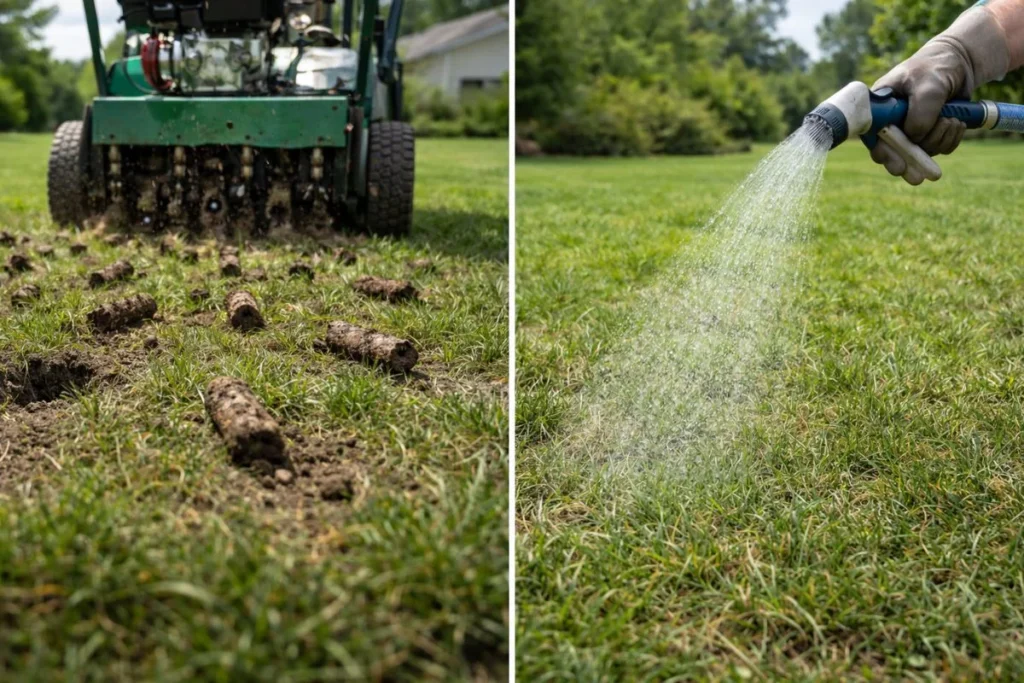
Core Aeration
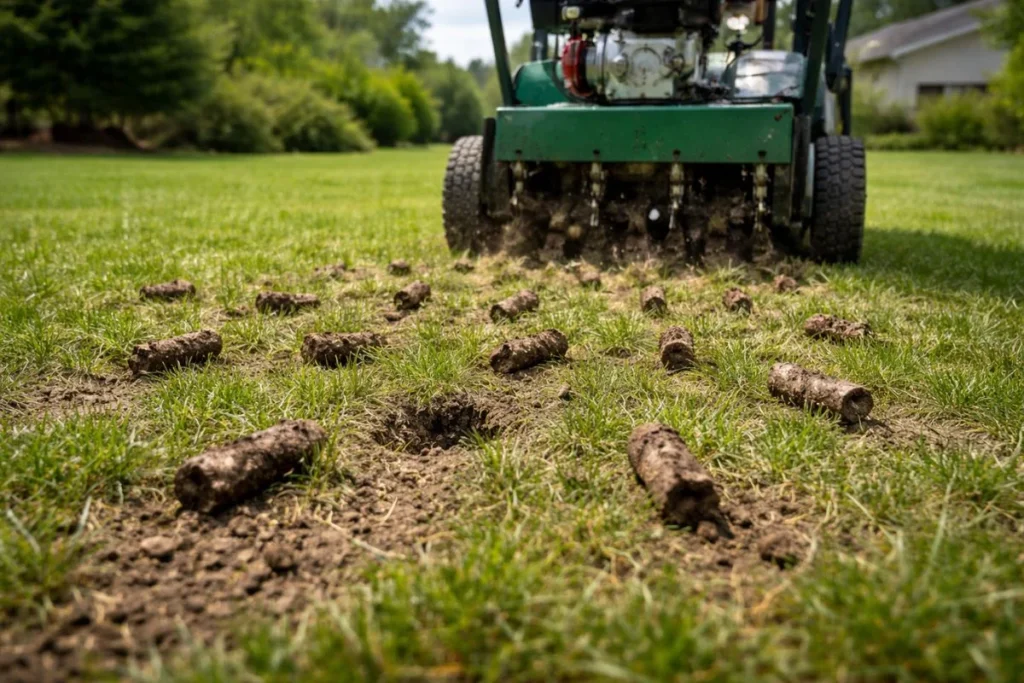
This method removes small soil plugs.
Why it works well:
- Breaks up compacted soil
- Improves drainage
- Gives lasting results
Leave soil plugs on the lawn.
They break down naturally.
Liquid Aeration
Liquid aeration uses a soil-loosening solution.
Best for:
- Light compaction
- Small lawns
It does not remove soil and cannot fix heavy compaction.
If you are unsure which method fits your soil condition, see our comparison of liquid aeration vs core aeration.
How Often Should You Aerate?
- Once per year for most lawns
- Twice per year for heavy traffic areas
- Every two to three years for healthy soil
Too much aeration can stress grass.
Lawn Aeration Cost in the USA
Cost depends on lawn size and method.
Professional aeration
- Small lawns: $75–$120
- Medium lawns: $120–$180
- Large lawns: $180–$300
DIY aeration
- Machine rental: $40–$90 per day
- Manual tools: $25–$60
DIY works for small lawns.
Professional service helps with hard or large lawns.
DIY Aeration vs Professional Aeration
Both options can work.
DIY aeration
- Lower cost
- Good for small yards
- Requires time and effort
Professional aeration
- Stronger machines
- Deeper soil relief
- Faster results
Hard soil often needs professional equipment.
What to Do After Aeration
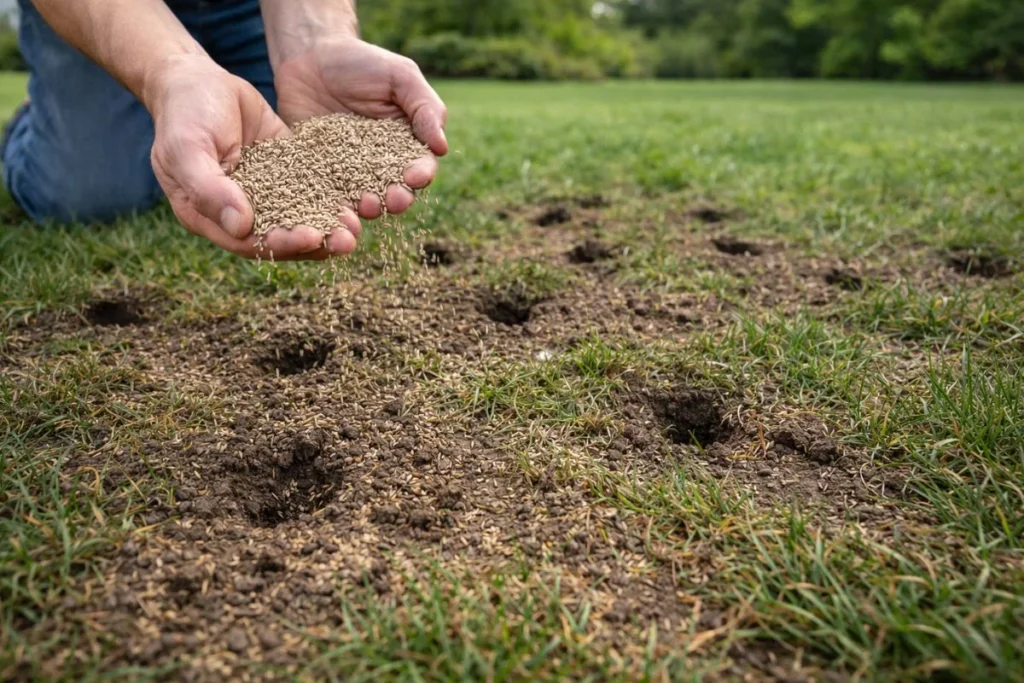
This stage affects final results.
After aeration:
- Water deeply
- Overseed thin areas
- Apply fertilizer if needed
- Limit foot traffic for a few days
Grass roots grow faster during this period.
How Long Aeration Results Take to Show
Many homeowners expect immediate improvement after aeration, but results appear gradually.
Typical recovery timeline:
• Week 1–2: Holes begin closing and soil settles
• Week 2–4: Water absorption improves
• Week 4–8: Grass density increases
• Following season: Root depth and drought tolerance improve
Aeration works below the surface first, so visible improvement often follows several weeks later.
Aeration vs Dethatching vs Overseeding
Each treatment solves a different problem.
- Aeration fixes compacted soil
- Dethatching removes dead grass buildup
- Overseeding fills thin or bare spots
Many lawns benefit from aeration before overseeding.
If you are unsure which treatment your lawn needs, see our detailed comparison of dethatching vs aerating.
Should You Dethatch Before Aeration?
Dethatching is not always needed.
Dethatch before aeration if:
- Thatch is thicker than half an inch
- Lawn feels spongy
- Water fails to reach soil
Skip dethatching if:
- Thatch is thin
- Lawn looks healthy
Common Aeration Mistakes
Avoid these issues:
- Aerating dry soil
- Aerating muddy soil
- Aerating during heat stress
- Using spike aerators only
- Aerating too often
Lightly moist soil works best.
Aeration and New Lawns
New lawns need time to settle.
- Do not aerate lawns under one year old
- Roots are still developing
- Aeration may damage young grass
Wait until the lawn is well established.
Lawn Aeration FAQs
Can I mow before aeration?
Yes. Short grass helps tools work better.
Should I water before aeration?
Light watering one or two days before helps dry soil.
Can aeration help weeds?
Thicker grass leaves less space for weeds.
Conclusion
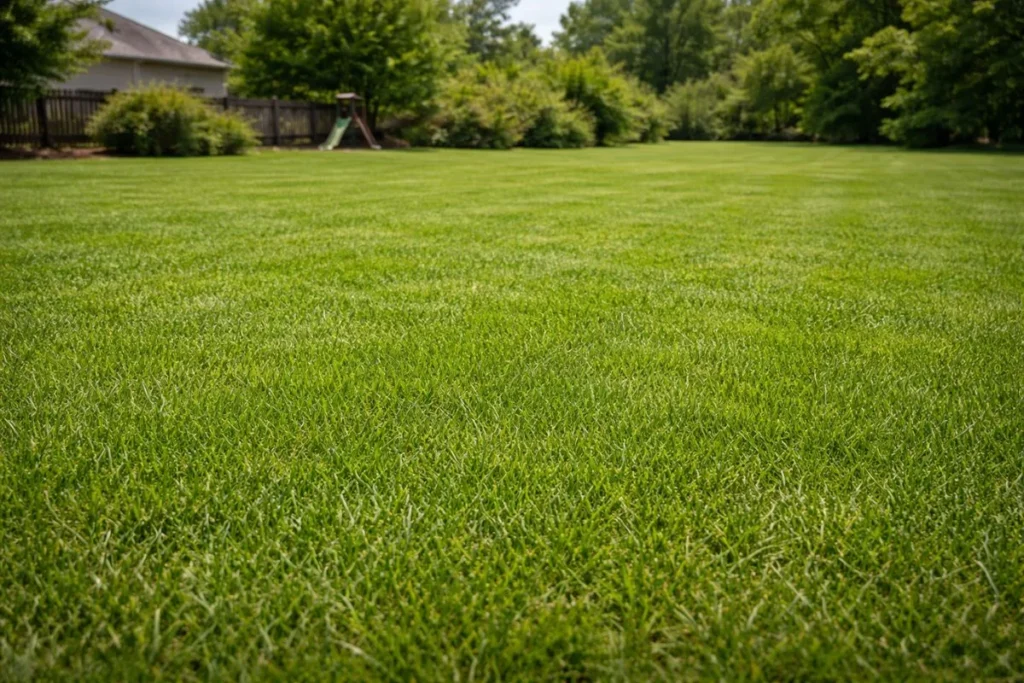
After working with compacted lawns and seeing how grass responds, one thing is clear. Lawn aeration works when it is done with purpose, not guesswork. It fixes problems that watering and fertilizer cannot reach. When soil is opened at the right time and supported with proper care, roots grow stronger and grass thickens on its own. If your lawn feels hard, drains poorly, or never improves no matter what you try, aeration is often the missing step that brings the lawn back to life.