If you live in Center Point, Alabama, you already know how close neighborhoods, wooded lots, crawl spaces, and drainage areas can sit to each other. That setup makes wildlife encounters feel normal right up until an animal gets inside your attic, under your deck, or into your trash every night. You need more than quick tips at that point. You need to know what draws wildlife in, what warning signs matter, and what actually keeps your home from becoming part of an animal’s territory.
Thank you for reading this post, don't forget to subscribe!What Professional Wildlife Control Actually Includes
A good service does much more than take an animal away. It starts with inspection, species identification, entry-point mapping, and a plan for exclusion. That means stopping current activity and preventing repeat access through the same structural vulnerabilities.
If you’re evaluating a wildlife removal service in Center Point, pay attention to whether the company addresses humane removal, sealing work, sanitation concerns, and follow-up recommendations. Those are the parts that determine whether the problem ends or simply pauses.
Professionals also understand seasonality. Timing matters with maternity periods, migratory bat restrictions, and nesting behavior. You don’t want someone applying a rushed fix that leaves young animals trapped inside. The best outcome comes from removal paired with exclusion and habitat correction around the home itself.
Why Wildlife Conflicts Start Around Homes
Wildlife usually comes onto your property for the same reasons you do: shelter, water, and easy access to food. A roof gap offers denning space. Pet food on a back porch acts like bait. A leaky spigot or clogged gutter can create a dependable water source.
In suburban areas like Center Point, habitat fragmentation pushes animals to adapt fast. Raccoons, squirrels, bats, snakes, and opossums learn the built environment well. They use soffits, vents, crawl spaces, and detached sheds as if they were natural cover.
The problem often begins quietly. You might hear scratching at dawn, notice droppings near insulation, or spot torn shingles at the roofline. Small clues matter because many infestations start with one vulnerable opening that stays ignored for weeks.
The Animals Most Likely to Cause Trouble
Different species create different risks, and that matters when you decide how to respond. Squirrels often chew wiring, wood trim, and fascia boards. Bats can leave guano that builds up fast in enclosed attic spaces. Raccoons are strong enough to tear into weak points and disturb ductwork or insulation.
Snakes usually show up because your property supports prey. If you have rodents, dense ground cover, stacked firewood, or cluttered edges near the foundation, you may already be supporting the full food chain.
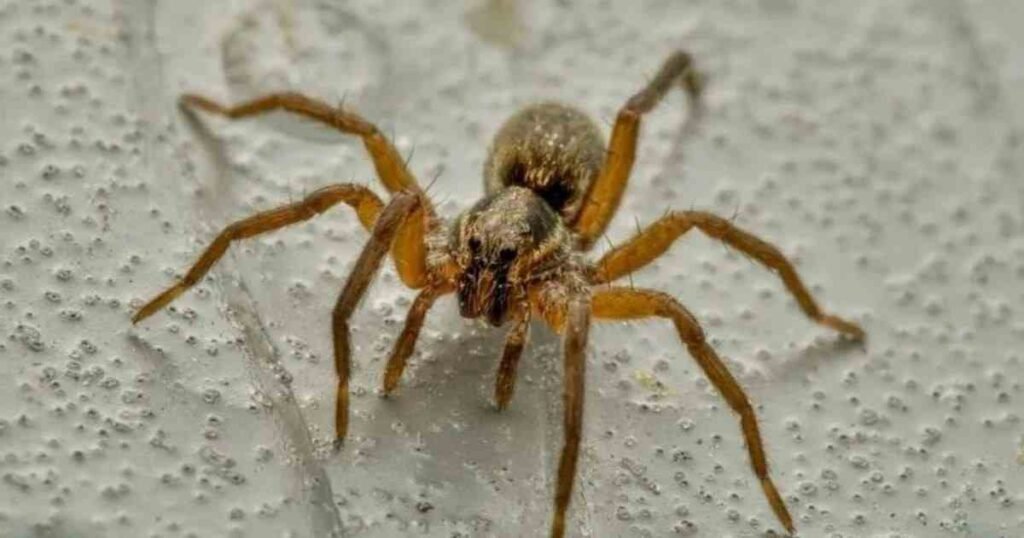
Opossums and skunks tend to favor crawl spaces, decks, and low-access structures. They can also trigger secondary issues, including odors, fleas, and contaminated soil. The species changes the response. A one-size-fits-all approach almost always misses the real access point or behavior pattern that caused the issue.
Signs You Shouldn’t Ignore
A lot of homeowners wait too long because they expect obvious damage first. Wildlife problems rarely announce themselves that clearly. More often, the first signs are subtle and easy to dismiss during a busy week.
Watch for grease marks near openings, nesting debris, unusual pet behavior, repeated noises at the same time each night, or insulation that looks compressed in one section of the attic. Outdoor clues count too. Trash pulled in one direction, shallow digging near the house, and droppings along fence lines can tell you where animals are traveling.
Smell is another strong indicator. A musky odor in a crawl space or sharp ammonia-like smell in an attic often points to sustained animal activity. Once odor is present, the issue usually extends beyond simple entry and into active occupancy.
Why DIY Removal Can Go Wrong Fast
The internet makes wildlife removal look simple, but the real-world version is rarely straightforward. You’re dealing with animal behavior, legal restrictions, disease exposure, and home construction details all at once. A trap from a hardware store won’t solve much if babies are still inside a wall void or another gap remains open.
There’s also a safety issue. Raccoons can become aggressive when cornered. Bats carry public health concerns. Squirrel infestations often involve hidden electrical hazards. If you enter a contaminated attic without proper protection, you may expose yourself to pathogens through droppings, urine, or disturbed insulation particles.
The bigger risk is partial removal. Homeowners sometimes remove one visible animal and assume the problem is finished, while the colony, nest, or attractant remains untouched behind the scenes.
How Your Yard Can Invite Wildlife Without You Realizing It
A tidy-looking yard can still be highly attractive to wildlife. Bird seed under feeders, fruit left on the ground, unsecured garbage bins, and thick shrubs against the house all create ideal conditions. Even decorative features like koi ponds or dense ornamental grass can change animal traffic patterns.
Lawn and landscape maintenance plays a bigger role than many people expect. Overgrown vegetation gives cover. Low tree limbs create roof access. Poor drainage supports insects and amphibians, which then attract predators. If your yard transitions quickly into brush or woodland edge, pressure increases even more.
You don’t need to strip your property bare. You just need to reduce opportunity. Trim branches away from the roof, clear heavy ground clutter, store feed in sealed containers, and inspect outbuildings often. Prevention usually comes down to removing convenience, not fighting nature itself.
What to Ask Before Hiring Help
Not every company approaches wildlife issues with the same level of field knowledge. Ask what species they commonly handle in your area and whether they perform exclusion repairs or only trapping. You should also ask how they inspect attics, crawl spaces, vents, roof returns, and other likely entry zones.
Request clarity on cleanup, odor control, and contamination management. If droppings or nesting material are left behind, you may still face lingering smell, insect activity, or indoor air quality issues. A written scope helps you compare services on more than price alone.
It also helps to ask what conditions made the infestation possible in the first place. That answer tells you whether the company is thinking beyond capture and toward integrated prevention. You’re not only paying for removal. You’re paying for reduced recurrence.