 Skip to content
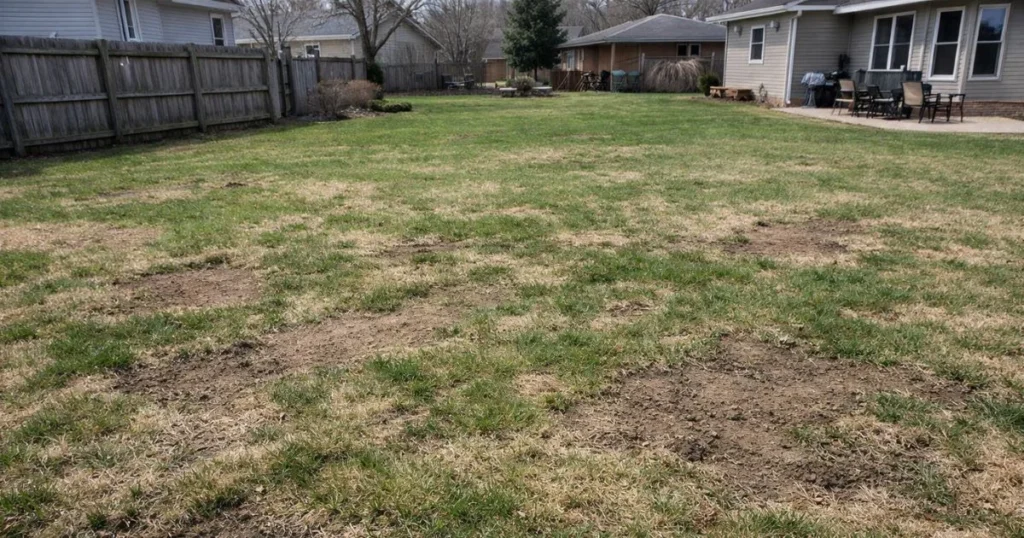
I have seen many homeowners feel frustrated after overseeding their lawn. They buy good seed, prepare the soil, and water every day. Still, the grass does not fill in. Bare spots remain. Weeds show up instead. Most people think the seed failed, but that is rarely the real issue.
From my own experience, timing causes most overseeding failures. I once overseeded in spring because the weather felt right. The grass sprouted fast, but weeds grew faster. By summer, much of the new grass was gone. When I tried again in early fall with the same lawn and seed, the results were completely different. The grass rooted deeper and survived. That is when I learned that overseeding success starts with timing, not products.
- Why Timing Matters for Overseeding
- Best Time to Overseed Cool-Season Grass
- Best Time to Overseed Warm-Season Grass
- Fall vs Spring Overseeding
- Best Time to Overseed by US Region
- Month-by-Month Overseeding Guide
- Overseeding Thin or Patchy Lawns
- Overseeding and Aeration Timing
- Rain and Water Timing for Overseeding
- How Long Grass Needs Before Frost
- Choosing the Right Seed for the Season
- Risk of Overseeding at the Wrong Time
- Quick Decision Guide
- Final Answer
- Conclusion
Why Timing Matters for Overseeding
Grass seed is sensitive.
Bad timing leads to weak growth or no growth at all.
Timing affects:
- Germination speed
- Root strength
- Weed growth
- Survival through heat or frost
The goal is simple.
Give new grass time to grow strong roots.
For a complete walkthrough that covers preparation, seeding, watering, and aftercare, see this overseeding lawn guide.
Best Time to Overseed Cool-Season Grass
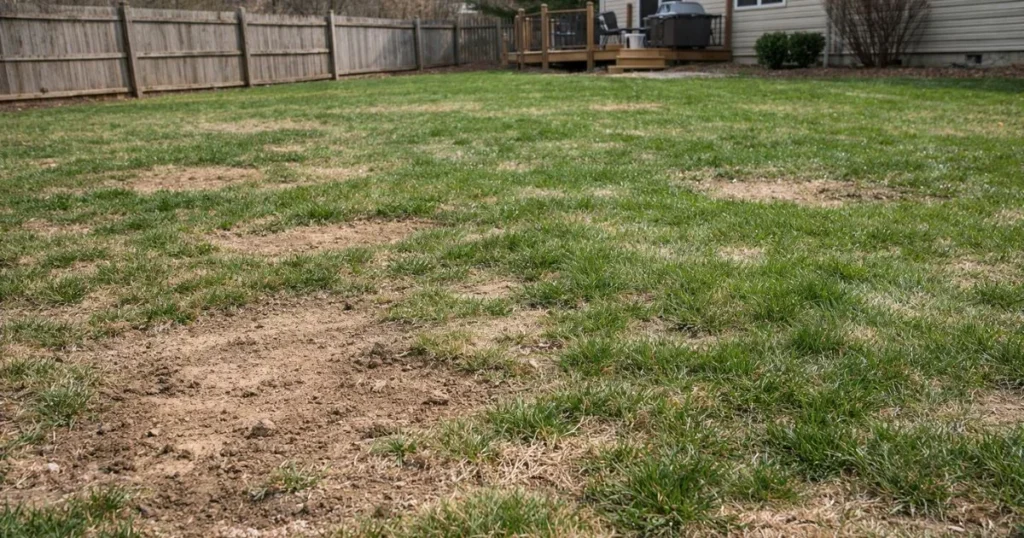
Cool-season grass is common in many US lawns.
Examples:
- Kentucky bluegrass
- Tall fescue
- Perennial ryegrass
Best season: early fall
The best window is late August to mid-September.
Why fall works:
- Soil stays warm
- Air cools down
- Weeds slow
- Rain is more common
Target soil temperature: 50°F to 65°F.
Soil temperature stays more stable than air temperature, which makes it a better guide than calendar dates.
Best Time to Overseed Warm-Season Grass
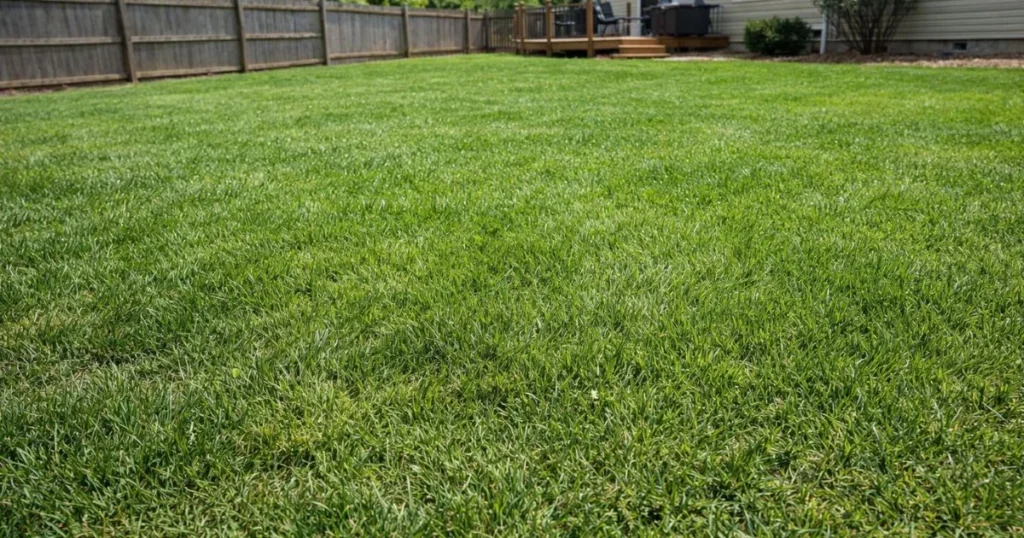
Warm-season grass needs heat to grow.
Common types:
- Bermuda grass
- Zoysia grass
- St. Augustine grass
| Grass Type | Best Time to Overseed | Ideal Soil Temperature |
|---|---|---|
| Cool-season grass | Early fall | 50°F to 65°F |
| Warm-season grass | Late spring to early summer | Above 65°F |
| Ryegrass (temporary) | Fall | 50°F to 60°F |
Best season: late spring to early summer
Seed when:
- Soil stays above 65°F
- Grass is actively growing
- Frost risk is gone
Fall overseeding usually fails unless ryegrass is used for winter color.
Fall vs Spring Overseeding
Many homeowners compare these two seasons.
Fall overseeding
- Higher success rate
- Less weed pressure
- Strong roots before winter
Fall overseeding often succeeds because rainfall is steadier, which reduces stress on new seedlings.
Spring overseeding
- More weeds
- Short growth time
- Summer heat arrives fast
Fall remains the safer option.
Fall remains the safer option.
Best Time to Overseed by US Region
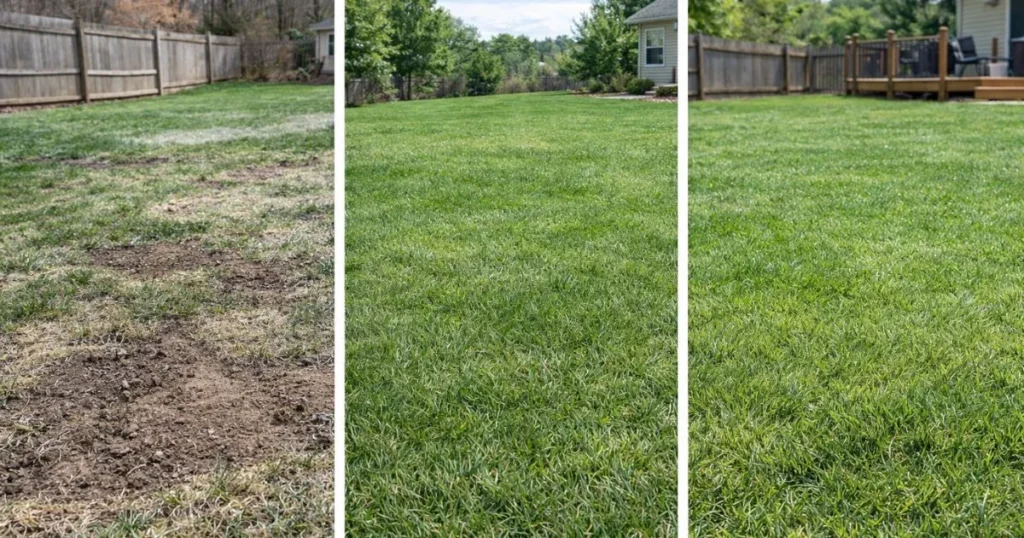
Use this as a general guide.
Northern states
- Late August to early September
Transition zone
- Early September to early October
Southern states
- Late spring for warm-season grass
- Fall only for ryegrass
Local weather always matters more than dates.
Month-by-Month Overseeding Guide
- August: Great for northern lawns
- September: Best month for cool-season grass
- October: Risky if frost comes early
- March: Possible but weed pressure rises
- April: Last chance for spring overseeding
- May–June: Best for warm-season grass
Overseeding Thin or Patchy Lawns
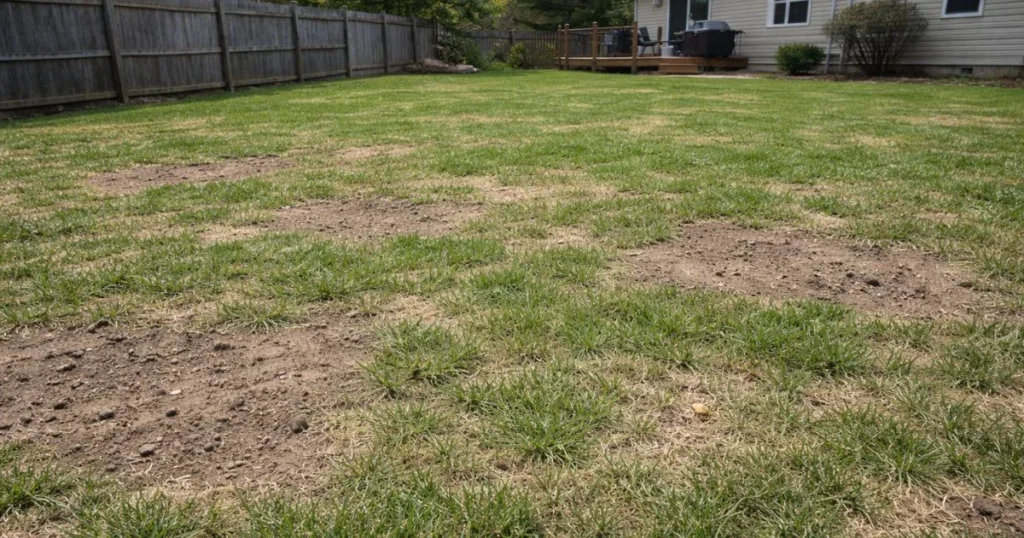
Thin grass often follows:
- Summer heat
- Heavy foot traffic
- Poor soil
Overseeding helps fill bare spots, but timing is key.
Fall gives thin lawns the best recovery window.
Overseeding and Aeration Timing
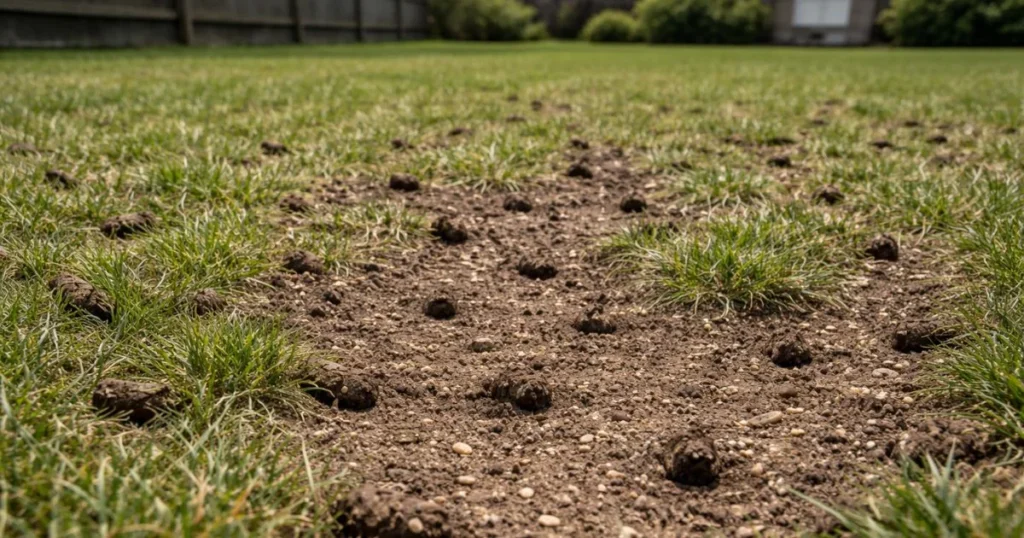
Overseeding works better after aeration.
Aeration opens the soil and improves seed contact.
Best approach:
- Aerate first
- Overseed the same day or within 24 hours
Fall aeration supports deeper root growth.
Spring aeration helps but weeds grow faster then.
Rain and Water Timing for Overseeding
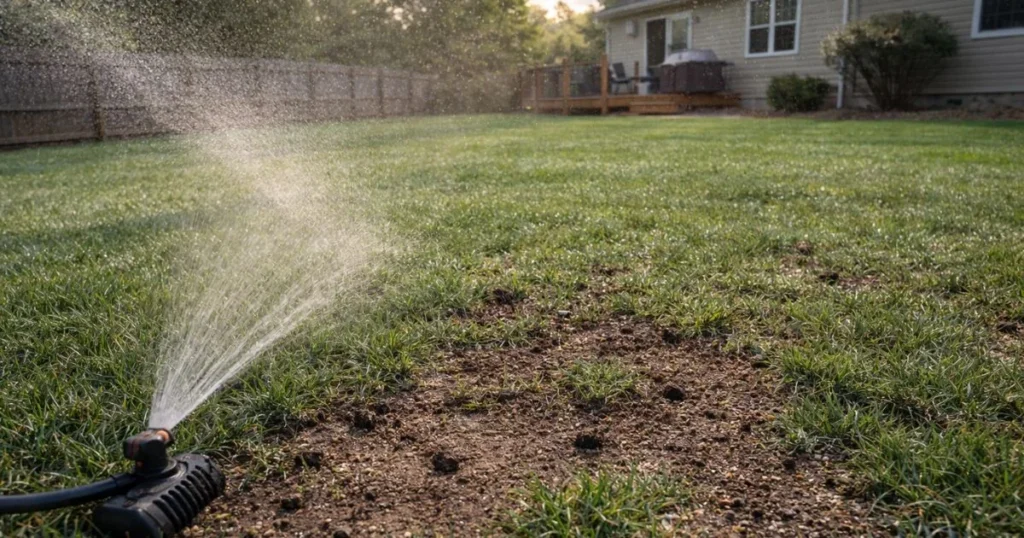
Moisture controls success.
Light rain helps.
Heavy rain washes seed away.
Best practice:
- Water soil one day before overseeding
- Keep soil damp, not soaked
- Water lightly once or twice daily
Avoid overseeding before storms.
How Long Grass Needs Before Frost
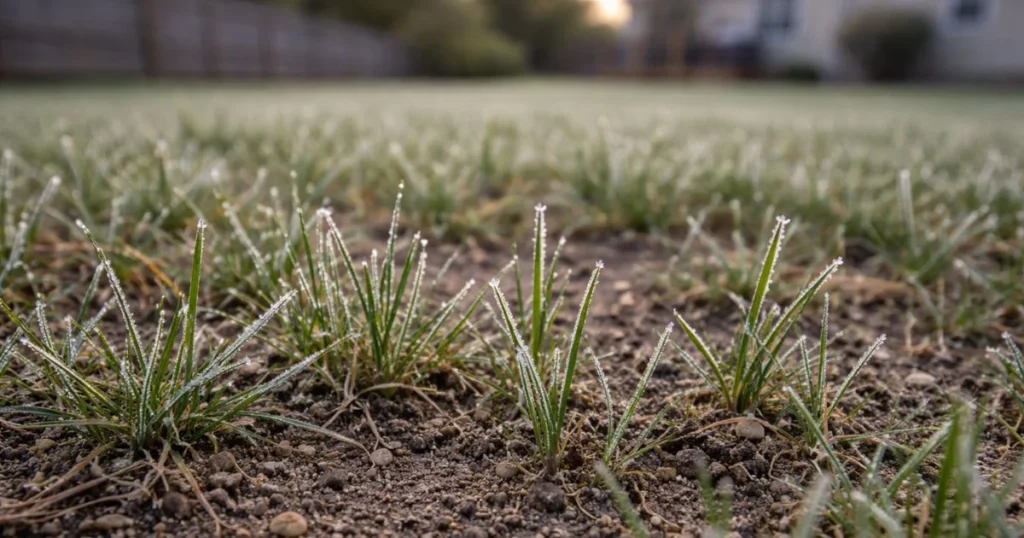
New grass needs time to establish.
Safe rule:
- Allow 6 to 8 weeks before first frost
If frost hits early:
- Roots stay shallow
- Grass may die in winter
Late fall overseeding often fails for this reason.
Choosing the Right Seed for the Season
Seed choice matters as much as timing.
Common mistakes:
- Warm-season seed in fall
- Cool-season seed in late spring
Results:
- Poor germination
- Weak grass
- Wasted seed
Match seed type to season and grass family.
Risk of Overseeding at the Wrong Time
Wrong timing causes problems.
Too early:
- Heat dries seed
- Soil stress slows growth
Too late:
- Frost damage
- Weak roots
Spring risks:
- Weeds outgrow grass
- Heat stress arrives fast
Quick Decision Guide
Is It the Right Time to Overseed?
- Soil feels warm, but air is cooling
- No frost expected for at least 6 weeks
- Grass is still growing, not dormant
- Weed growth is slowing down
If most answers are yes, timing is good.
Use this logic before you overseed.
- Soil is warm and air is cooling → overseed
- Weeds are growing fast → avoid spring
- Frost is less than 6 weeks away → wait
- Grass is active and green → timing is good
This removes guesswork.
Quick Takeaway
- Early fall is best for most cool-season lawns.
- Late spring works best for warm-season grass.
- Soil temperature matters more than calendar dates.
- Wrong timing leads to weak grass or seed loss.
Final Answer
For most US lawns, early fall is the best time to overseed.
Cool-season grass grows stronger in fall.
Warm-season grass prefers late spring.
Watch soil temperature more than the calendar.
Good timing leads to a thicker lawn.
Expert note: After testing overseeding across different seasons and lawn types, timing has proven more important than seed brand or fertilizer. Watching soil temperature and frost risk has consistently produced better results.
Conclusion
After working with lawns and testing overseeding in different seasons, one thing is clear. Timing matters more than anything else. Spring overseeding can work, but weeds and heat make it risky. Late fall overseeding often fails because roots do not have enough time. Early fall gives cool-season grass the best chance, while late spring suits warm-season lawns. The most reliable rule I follow is simple. Pay attention to soil temperature, not dates on a calendar. That approach has helped avoid wasted seed and has led to healthier lawns year after year.