Skip to content
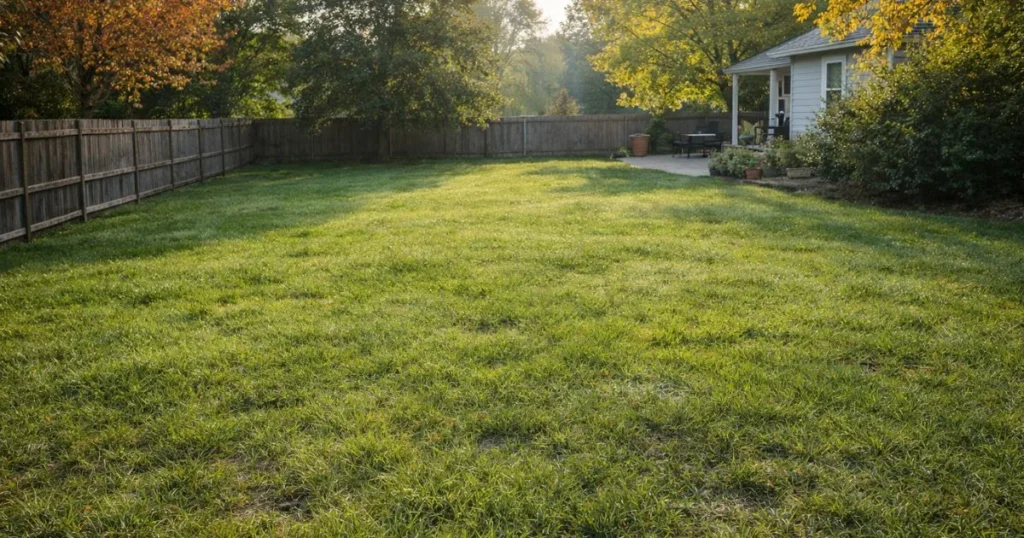
I have grown grass from seed many times, and most of my lessons came from mistakes. Planting too early once led to no growth at all. Too much watering caused the seed to wash away. Using extra seed also failed to fix bare spots and only made things worse. It did the opposite. These mistakes cost time and money, and they are the same mistakes most homeowners make.
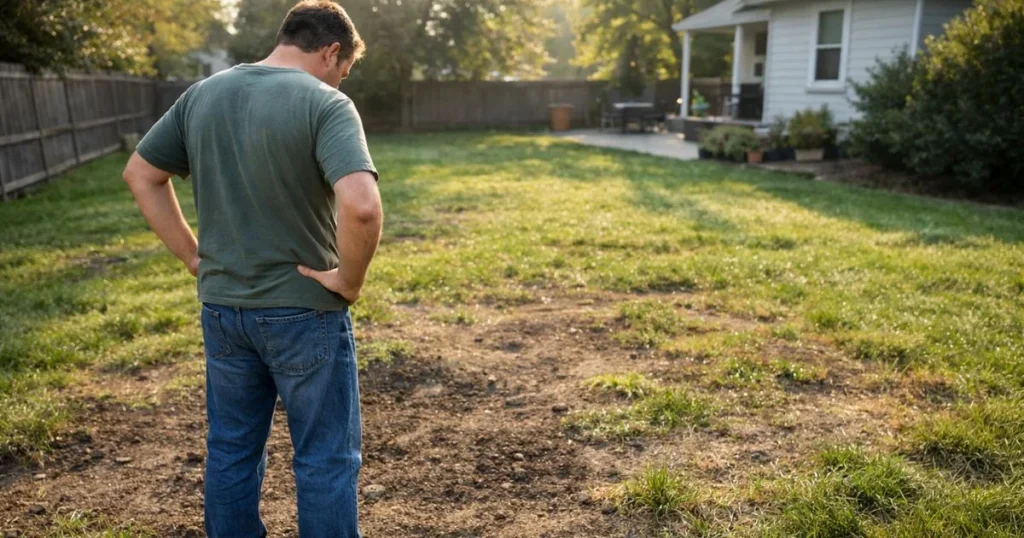
People who search for growing grass from seed usually feel stuck. Their lawn looks thin, patchy, or dead. Some are starting from bare soil and do not want to waste another weekend doing it wrong. The truth is simple. Grass seed works, but only when the basics are done right. This guide focuses on real steps that work in normal yards, not perfect lawns.
- Timing and Planning
- Soil Temperature Before Planting
- Choosing the Right Grass Seed
- Site and Soil Preparation
- Growing Grass From Seed for a New Lawn
- Planting the Grass Seed
- How Much Grass Seed to Use
- Watering and Early Care
- Germination and Growth
- Common Problems and Fixes
- Weed Control and New Grass Seed
- Checking Soil Temperature Before Planting
- Protecting Grass Seed From Birds and Wash-Out
- Mowing and Lawn Care
- Fertilizing and Ongoing Care
- conclusion
Key Takeaways
- Plant grass seed at the right time for your climate.
- Prepare soil so seed touches the ground.
- Use the correct amount of seed.
- Keep soil moist, not soaked.
- Be patient. Some grass takes weeks to sprout.
Timing and Planning
Choose the Right Time of Year
Timing is one of the biggest reasons grass seed fails.
Cool-season grass grows best in late summer or early fall. The air is cooler, and soil stays warm. Roots grow faster during this period.
Warm-season grass grows best in late spring or early summer. Soil needs to feel warm for seeds to sprout.
Planting outside the right window often leads to thin or uneven grass.
Soil Temperature Before Planting
Soil temperature matters more than air temperature.
Use a simple soil thermometer and check the soil about 2 to 4 inches deep.
- Cool-season grasses grow best when soil is around 50 to 65°F.
- Warm-season grasses grow best when soil is 65°F or warmer.
If soil feels cold and damp, wait a few days before planting. Cold soil slows germination and causes uneven growth.
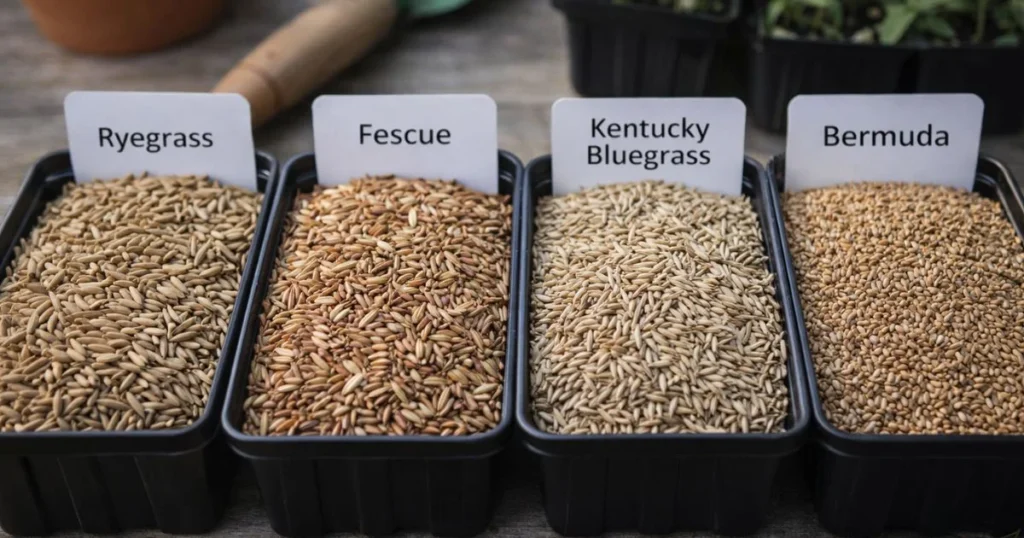
Choosing the Right Grass Seed
Start With the Best Type for Your Climate
Always choose seed that fits your area.
Cool-season grass works better in cooler regions.
Warm-season grass works better in warmer regions.
Blends can work in mixed climates.
Read the seed label carefully. Look for sunlight needs, water needs, and traffic tolerance.
Avoid cheap seed with fillers. Low-quality seed often grows unevenly and dies faster.
Site and Soil Preparation
Prepare the Site
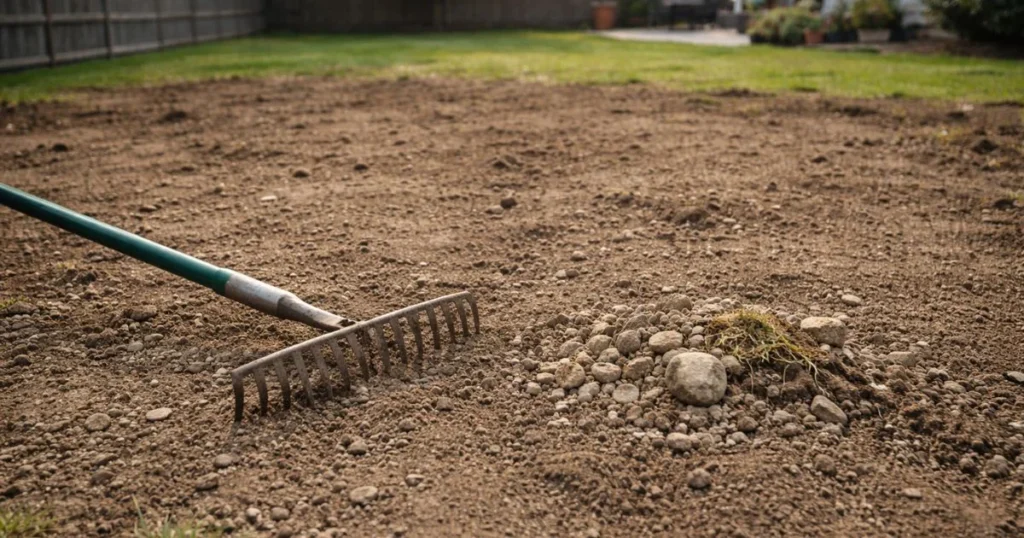
Clear the area before planting.
Remove rocks, sticks, old grass, and weeds. Pull weeds by the root. Do not leave debris behind.
Grass seed must touch soil to sprout. If seed sits on top of debris, it will not grow.
Prepare Your Soil
Loosen the top 2 to 3 inches of soil using a rake or garden tool.
Hard soil blocks roots. Loose soil helps water soak in and roots spread.
If possible, test soil pH. Grass grows best in slightly acidic soil.
Seed Bed Preparation
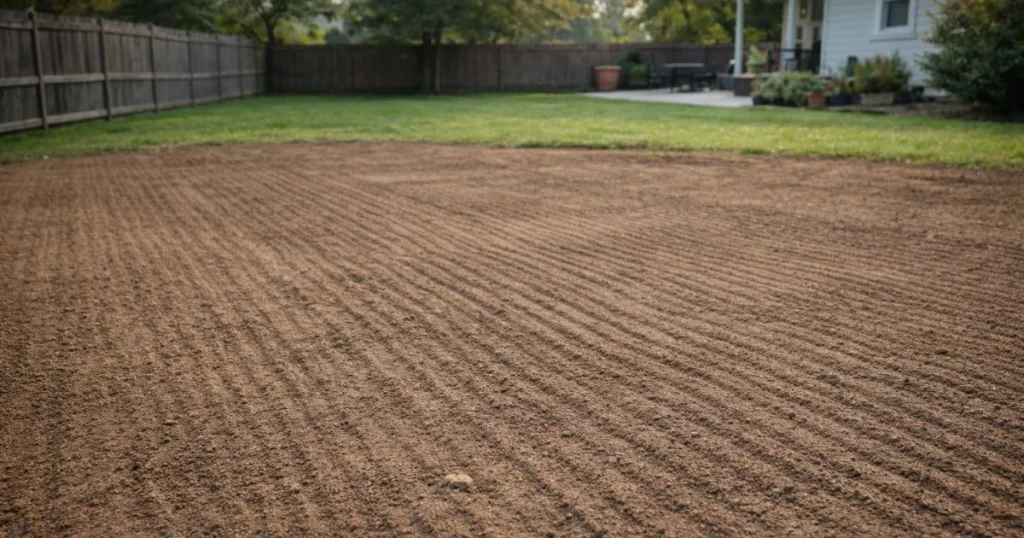
Rake the soil smooth. Fill low spots and level high spots.
A flat surface helps water spread evenly and prevents seed from washing away.
Growing Grass From Seed for a New Lawn
Growing grass from seed for a new lawn takes more work than fixing thin areas.
Old grass and weeds must be removed. The soil should be loosened across the entire area.
New lawns need more seed than patch repairs. This helps grass fill in evenly from the start.
Watering usually lasts longer because roots are forming for the first time.
Before You Plant Grass Seed
- Soil feels warm, not cold.
- Area is clear of weeds and debris.
- Soil is loose and level.
- Seed rate has been checked.
- Watering plan is ready.
Planting the Grass Seed
How to Plant Grass Seed
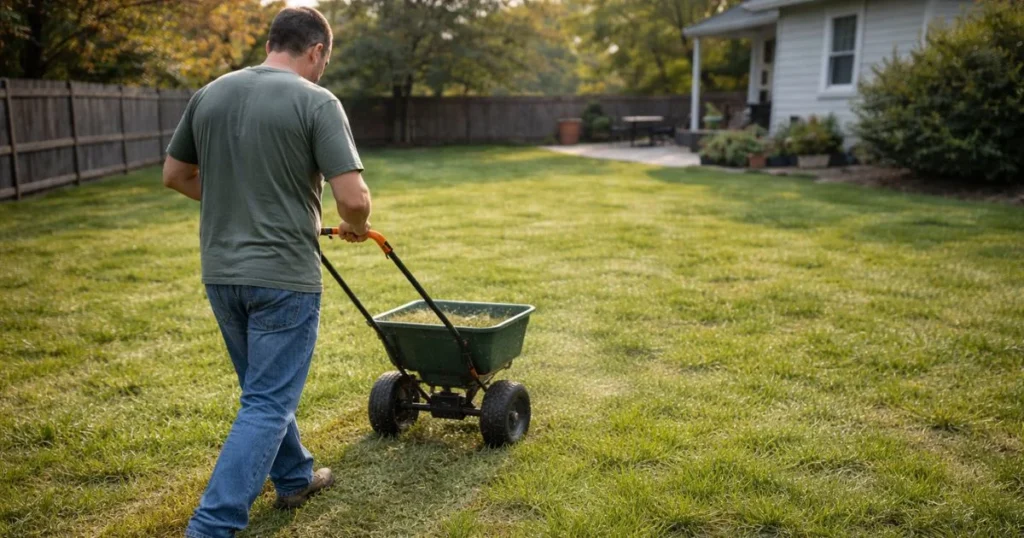
Spread seed evenly using a hand spreader or walk-behind spreader.
Walk in straight lines. Then cross the area again in the opposite direction. This helps prevent bare patches.
Do not pile seed. Thick layers block air and light and cause weak growth.
How to Ensure Good Coverage
Lightly rake the area after spreading seed. This pulls seed into the soil surface.
Grass seed should sit about one-eighth to one-quarter inch deep. It should not be buried deeper than that.
What to Put on Top of Newly Planted Grass Seed
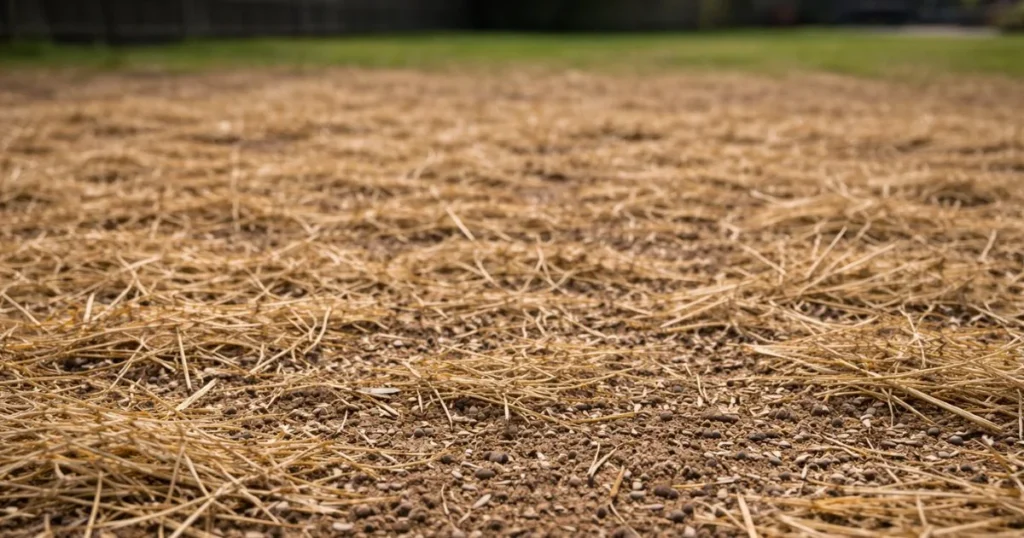
Add a thin layer of straw or light mulch.
This protects seed from birds, wind, and drying out. Keep it light. Soil should still be visible.
How Much Grass Seed to Use
Using the correct amount of seed is important.
Too little seed leaves bare spots. Too much seed causes overcrowding and weak grass.
Always follow the seed rate listed on the bag. Rates change by grass type.
Adding extra seed does not speed up growth. It usually causes more problems.
Watering and Early Care
How Often to Water Grass Seed After Planting
| Growth Stage | Watering Frequency |
|---|---|
| Days 1–14 | 2–3 light waterings per day |
| After sprouting | Once per day |
| Grass at 2–3 inches | Water deeper, less often |
Watering is the most common failure point.
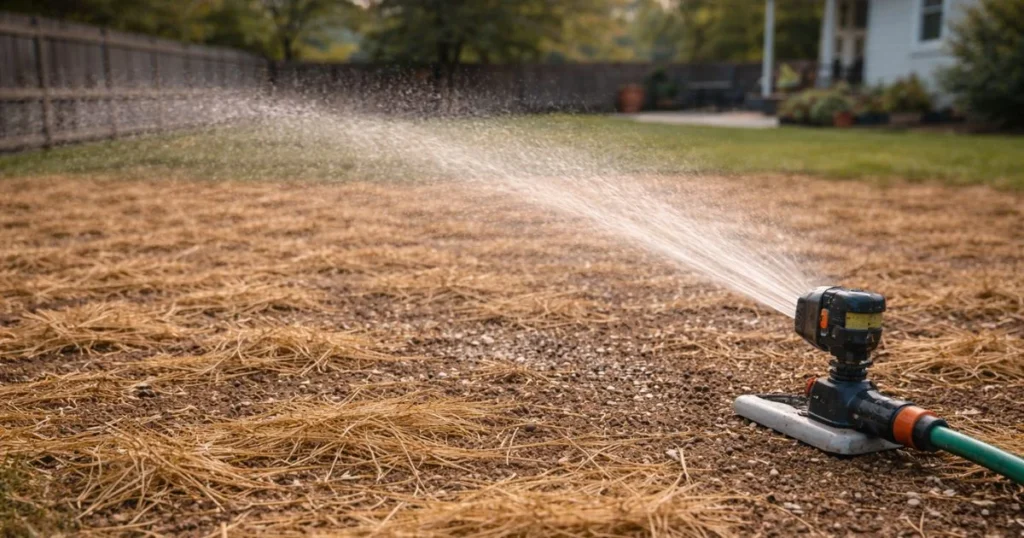
Water lightly two to three times per day at first. Keep soil moist, not soaked.
On hot or windy days, light watering may be needed more often.
Once sprouts appear, water once per day.
After grass reaches about two inches tall, water less often but deeper.
Watering Schedule Chart
| Growth Stage | Watering Frequency |
|---|---|
| Days 1–14 | 2–3 light waterings per day |
| After sprouting | Once per day |
| Grass 2–3 inches tall | Water deeper, less often |
Keep on Watering
Do not let soil dry out during early growth. Dry soil stops germination.
Avoid puddles. Heavy watering can wash seed away.
Germination and Growth
How Long Does It Take for Grass Seed to Germinate
| Grass Type | Typical Sprouting Time |
|---|---|
| Ryegrass | 5–10 days |
| Fescue | 7–14 days |
| Kentucky bluegrass | 14–28 days |
| Warm-season grass | 10–30 days |
Germination time depends on grass type.
Some grass sprouts in five to ten days. Others take two to three weeks.
Slow growth does not always mean failure. Be patient.
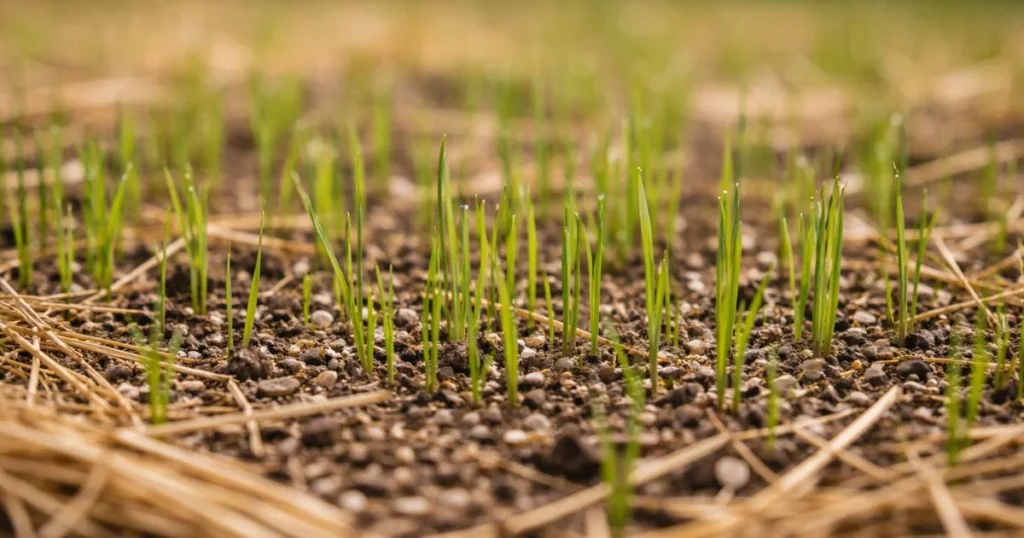
Grass Seed Germination Timeline
| Grass Type | Typical Sprouting Time |
|---|---|
| Ryegrass | 5–10 days |
| Fescue | 7–14 days |
| Kentucky bluegrass | 14–28 days |
| Warm-season grass | 10–30 days |
Be patient. Slow sprouting does not always mean failure.
Monitor Seed Establishment
Check the area daily.
Look for thin spots or washed-out areas. Reseed small areas if needed.
Limit foot traffic while grass is young.
| Problem | Likely Cause | Simple Fix |
|---|---|---|
| Seed not sprouting | Cold or dry soil | Wait and keep soil moist |
| Bare spots | Seed washed away | Reseed and add light cover |
| Birds eating seed | Seed left exposed | Use straw or mulch |
| Thin grass | Too much seed | Follow seed label rate |
Common Problems and Fixes
| Problem | Likely Cause | Simple Fix |
|---|---|---|
| Seed not sprouting | Soil too cold or dry | Check soil temperature and keep moist |
| Bare spots | Seed washed away | Reseed and add light cover |
| Birds eating seed | Seed left exposed | Use straw or mulch |
| Thin grass | Too much seed | Follow correct seed rate |
Weed Control and New Grass Seed
Do not use weed killers before planting grass seed.
Most weed control products stop seeds from growing. This includes grass seed.
After planting, wait until the new grass has been mowed two or three times before using weed control.
If weeds appear early, pull them by hand.
Checking Soil Temperature Before Planting
Soil temperature affects sprouting.
Soil should feel warm to the touch. Cold and muddy soil slows or stops growth.
If the ground feels cold, wait a few days before planting.
Warm soil helps seeds sprout faster and grow stronger roots.
Protecting Grass Seed From Birds and Wash-Out
Birds often eat exposed seed.
Heavy rain can move seed into low spots.
Use a thin layer of straw or mulch to protect the surface. Do not apply it thick.
Water gently to keep seed in place.
Mowing and Lawn Care
When Is It Safe to Mow New Grass?
Wait until grass reaches about three inches tall.
Use a sharp mower blade. Cut only the top third of the grass.
Never mow wet grass.
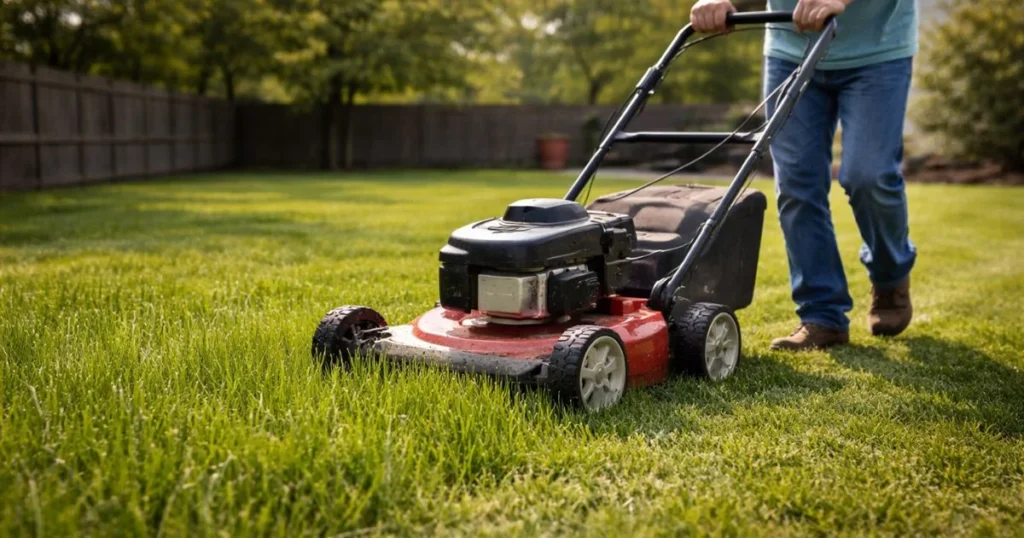
Mow and Maintain
After the first mow, cut as needed.
Keep traffic low for the first month.
This helps roots grow deep and strong.
Fertilizing and Ongoing Care
Fertilizing
Use starter fertilizer only if soil lacks nutrients.
Apply lightly. Too much fertilizer can damage young grass.
Water after feeding.
Renovating an Old or Thin Lawn
Grass seed also works well for thin lawns.
If your lawn has grass but looks weak or patchy, this overseeding lawn guide explains how to thicken it without starting over from bare soil.
Mow short. Rake bare spots. Add seed. Water well.
This fills gaps without replacing the entire lawn.
Maintenance for an Established Lawn
Once grass fills in, switch to normal care.
Water deeper and less often. Mow on a regular schedule.
Feed only when needed.
conclusion
After years of growing grass from seed, I’ve learned that success comes from patience and small details. Healthy lawns I’ve grown all started the same way: good timing, loose soil, seed touching the ground, and steady watering. When grass takes time to sprout, it does not mean failure. It means roots are forming below the surface. If you follow the steps in this guide and avoid rushing the process, grass seed can turn bare soil into a thick lawn. I’ve seen it happen many times, and it works when the basics are respected.
Final takeaway: Growing grass from seed works when timing, soil, and watering are handled with patience.