Skip to content
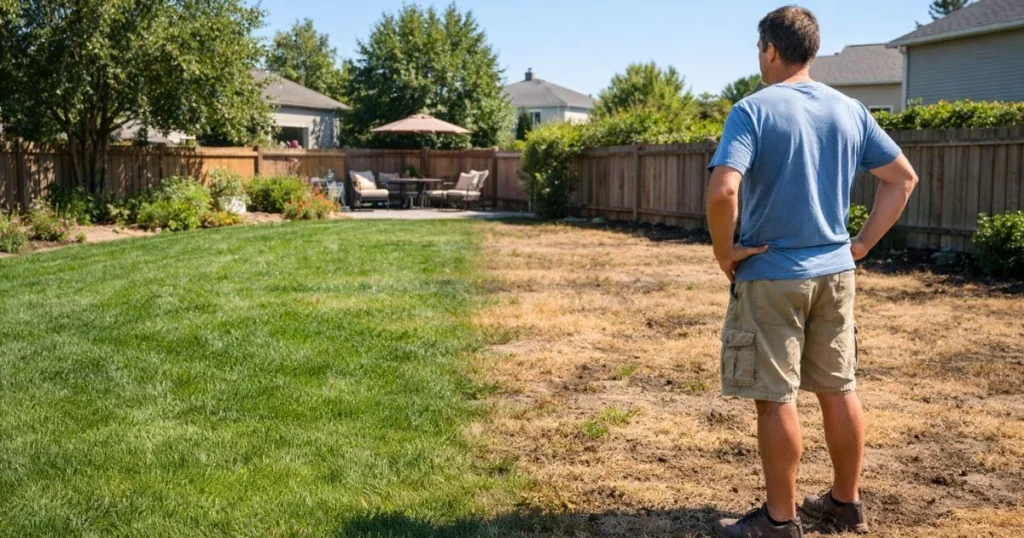
I have tried growing grass in summer myself, and I learned the hard way. I spread seed on a hot day, watered it, and waited. After a week, bare soil stared back at me. Some seed dried out. Some washed away. The heat did more damage than I expected. That frustration is common for homeowners who see their lawn turn brown and want a fast fix.
That failure pushed me to learn what really works. I tested different grass types, changed watering habits, and paid attention to timing. The big question stayed the same: can you grow grass in summer, or is it better to wait? The answer is yes, but only if the right steps are followed. This guide shares what works, what fails, and how to avoid wasting seed, water, and effort.
- When’s the Best Time to Plant?
- Ideal Soil Temperature Ranges
- How to Test Soil Temperature
- Can You Plant Grass Seed in Summer?
- Is Summer a Good Time to Plant Grass Seed?
- Challenges of Seeding Grass in Hot Weather
- Best Grass Types to Plant in Summer
- How to Successfully Plant Grass Seed in Summer
- Common Mistakes to Avoid When Seeding in Summer
- Alternative Options If Summer Seeding Isn’t Ideal
- Tips for Seeding Your Lawn During Summer
- Aftercare That Keeps Grass Alive
- Frequently Asked Questions
- Final Thoughts
Key Takeaways
- Yes, you can grow grass in summer, but grass type matters.
- Warm-season grass performs better than cool-season grass.
- Daily watering is required during early growth.
- Late summer is safer than mid-summer.
- Wrong timing can waste seed, water, and effort.
When’s the Best Time to Plant?
Early summer and late summer work best.
Mid-summer is risky.
During peak heat:
- Soil dries fast
- Seed overheats
- Water loss increases
If extreme heat lasts for weeks, planting often fails.
Soil Temperature Matters
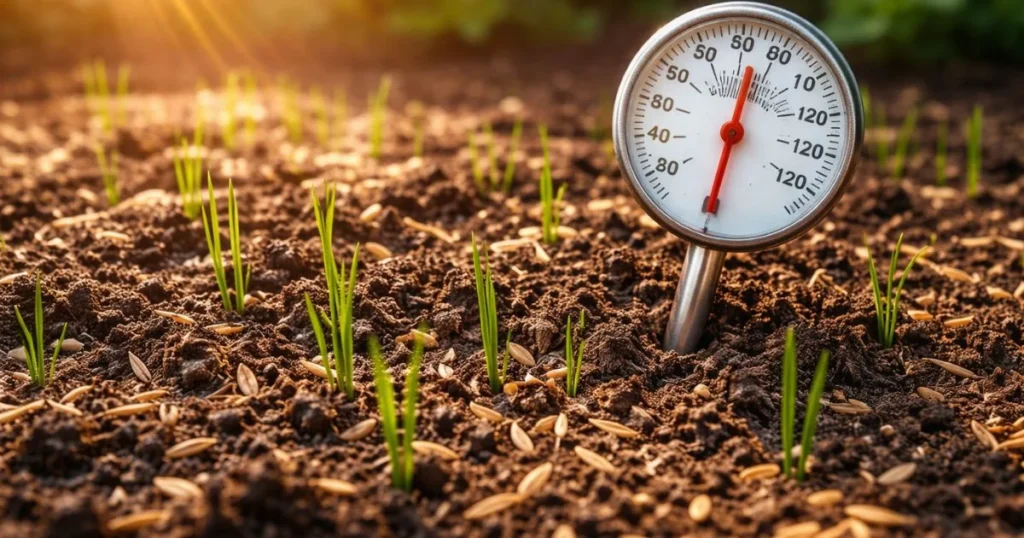
Soil temperature matters more than air temperature.
Warm-season grass grows well in warm soil.
Cool-season grass struggles once soil gets too hot.
Even daily watering may not help.
This is why many summer failures happen.
Ideal Soil Temperature Ranges
Cool-season grass grows best when soil temperatures stay between 60°F and 75°F. Warm-season grass needs soil temperatures above about 65°F to germinate well. If soil stays much hotter than this for long periods, seed failure becomes more likely.
How to Test Soil Temperature
Insert a soil thermometer about 2 to 3 inches deep in the morning. Check it daily for a few days to see the average temperature before planting.
Can You Plant Grass Seed in Summer?
Yes, you can plant grass seed in summer.
But only the right type of grass will survive.
Warm-season grasses handle heat better.
Cool-season grasses often fail during hot months.
Your location and watering ability decide success.
Is Summer a Good Time to Plant Grass Seed?
Summer can be a good time if:
- You choose the right grass
- You water often
- You prepare soil well
Summer is a bad time if:
- You plant cool-season grass
- You cannot water daily
- Soil dries out quickly
| When Summer Seeding Works | When Summer Seeding Fails |
|---|---|
| Warm-season grass is used | Cool-season grass is planted |
| Soil stays moist | Soil dries out |
| Watering is done daily | Watering is skipped |
| Planting is done early or late summer | Planting is done during peak heat |
How Hot Is Too Hot?
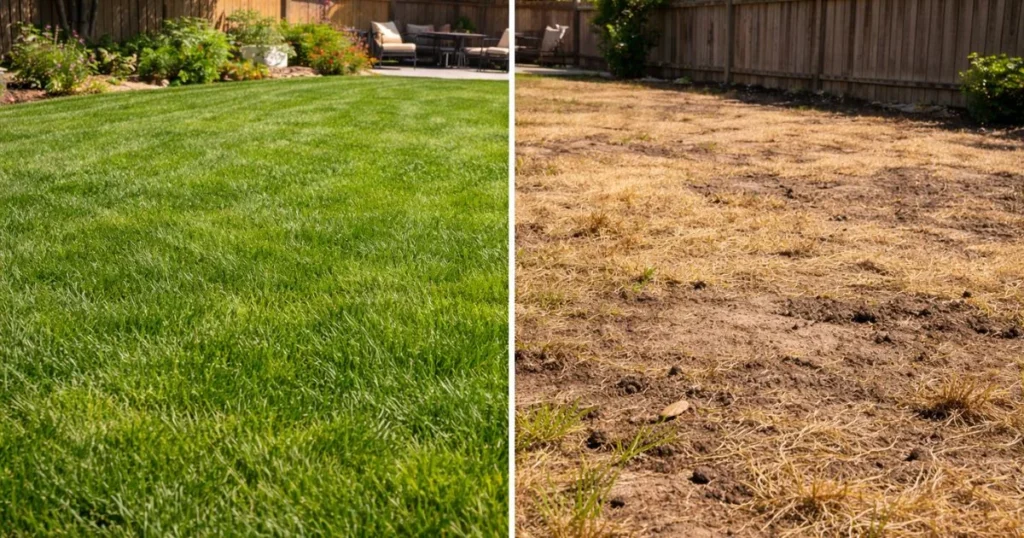
If daytime temperatures stay above 90°F for many days in a row, new grass struggles to survive. Heat waves increase soil drying and reduce germination success, even with watering.
Transition Zone Lawns
Some areas fall between hot and cool climates.
These lawns are harder to manage in summer.
Late summer works better than early summer here.
Heat drops slightly, but soil stays warm.
This helps roots grow deeper.
Challenges of Seeding Grass in Hot Weather
Summer heat creates problems for new grass.
Common issues include:
- Fast moisture loss
- Seed drying before sprouting
- Weed competition
- Disease risk
Disease Risk From Overwatering
Too much water can be harmful.
Warm and wet soil raises disease risk.
Grass may weaken or die.
Water often, but do not flood the soil.
Let the surface dry slightly between watering cycles.
When Summer Seeding Might Be Necessary
Sometimes summer planting cannot wait.
Examples include:
- Bare spots
- Construction damage
- Heavy foot traffic damage
In these cases, extra care is needed.
Best Grass Types to Plant in Summer
Using the wrong grass causes most failures.
Warm-Season Grasses That Thrive in Summer
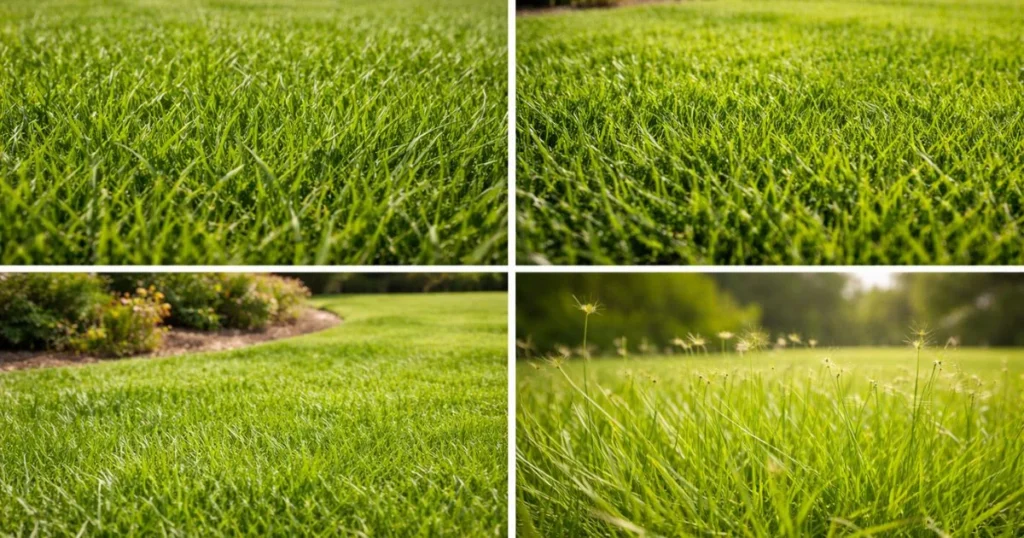
These grasses handle heat well:
- Bermuda grass
- Zoysia grass
- Centipede grass
- Bahia grass
They grow actively in warm soil.
| Grass Type | Handles Summer Heat | Best Planting Time | Risk Level in Summer |
|---|---|---|---|
| Bermuda | Yes | Late spring to summer | Low |
| Zoysia | Yes | Early to mid-summer | Low |
| Kentucky Bluegrass | No | Fall | High |
| Perennial Ryegrass | No | Fall | High |
Cool-Season Grasses and Their Summer Limitations
These grasses struggle in summer:
- Kentucky bluegrass
- Perennial ryegrass
- Fine fescue
They prefer cooler weather.
Planting them in summer often leads to failure.
How to Successfully Plant Grass Seed in Summer
Summer planting needs clear steps.
Preparing the Soil for Summer Seeding
Healthy soil helps seed survive heat.
- Remove weeds
- Loosen top soil
- Level the area
- Fix drainage problems
Choosing Heat-Resistant Grass Seed
Match seed to your climate.
Warm-season seed works best in summer.
Proper Seeding Techniques to Maximize Success
- Spread seed evenly
- Press seed into soil
- Do not leave seed exposed
Seed must touch soil to grow.
Watering Strategies to Prevent Drying Out
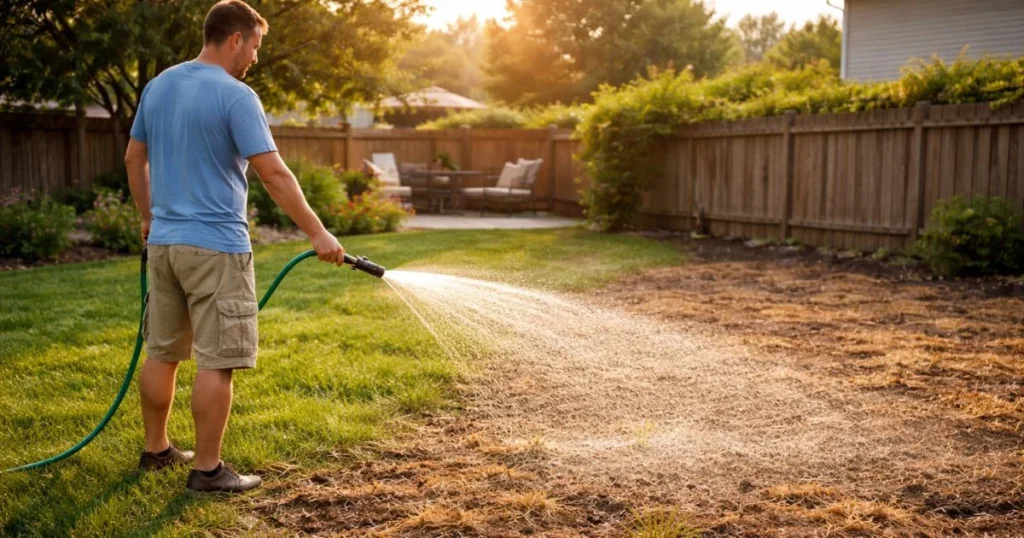
Water is the most important factor.
- Water lightly and often
- Keep soil moist, not flooded
- Water early morning or evening
Dry soil kills new grass fast.
| Growth Stage | Watering Frequency |
|---|---|
| Days 1–7 | Light watering once or twice daily |
| Days 8–14 | Daily watering, slightly deeper |
| After first mow | Water less often but deeper |
Wind Can Increase Drying
Strong wind dries soil faster than heat alone. If your area is windy, check soil moisture more often and adjust watering to prevent seed from drying out.
Germination Time in Summer
Warm soil can speed growth.
Some seed sprouts within one to two weeks.
But heat also increases risk.
If soil dries once, seed may fail.
Daily moisture is key.
Using Mulch or Straw to Retain Moisture
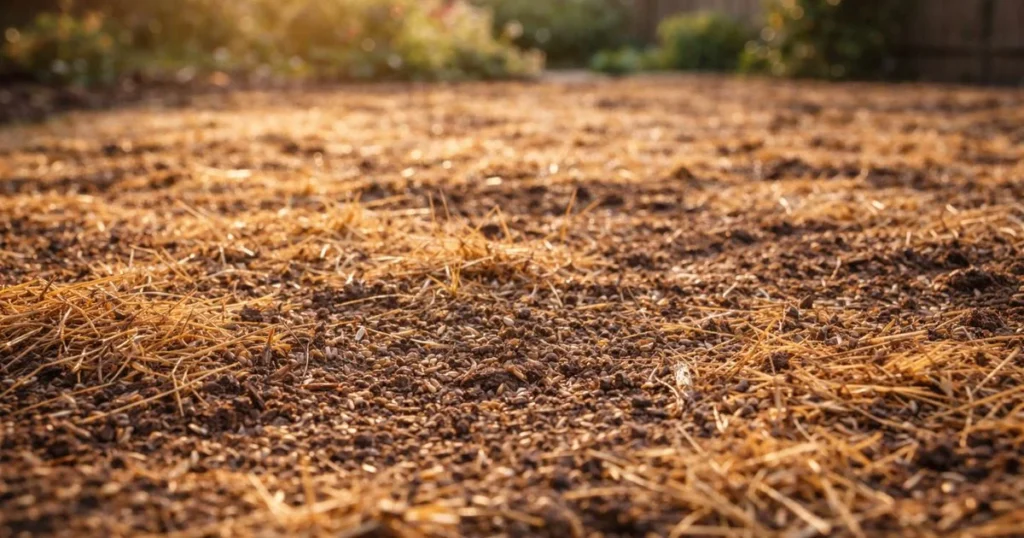
Light mulch helps by:
- Holding moisture
- Lowering soil heat
- Protecting seed
Do not apply mulch too thick.
Temporary Shade Protection
During heat waves, light shade helps.
Shade lowers soil temperature and slows water loss.
Use temporary shade for small areas.
Remove it once grass starts growing strong.
Common Mistakes to Avoid When Seeding in Summer
Many failures come from simple errors.
Seeding Without Adequate Watering
Missing water even once can ruin seed.
Ignoring Soil Preparation and Nutrient Needs
Poor soil leads to weak roots.
Planting the Wrong Grass Seed for Your Region
Wrong grass choice wastes time and money.
Should You Plant Now or Wait?
- If you can water daily, planting now may work.
- If heat is extreme, waiting is safer.
- If you are using cool-season grass, delay planting.
- If soil dries fast, late summer is better.
Alternative Options If Summer Seeding Isn’t Ideal
Sometimes waiting works better.
Final Takeaway
Growing grass in summer is possible, but it is not easy. Planning matters more than effort. The right grass, proper watering, and smart timing decide success.
Dormant Seeding for Fall Germination
Seed stays inactive until cooler weather arrives.
Overseeding in Late Summer for Stronger Growth
Late summer offers:
- Warm soil
- Cooler air
- Fewer weeds
This timing improves success.
If your lawn already has grass but thinned out after summer stress, this overseeding lawn guide explains how to repair it without starting over.
Tips for Seeding Your Lawn During Summer
Small steps make a big difference.
Weed Control
Remove weeds before planting.
Weeds steal water and space.
Fertilizer at Seeding
Use light starter fertilizer only.
Too much fertilizer burns seedlings.
Mulches for Moisture Retention
Mulch keeps soil cooler and moist.
Aftercare That Keeps Grass Alive
New grass needs protection.
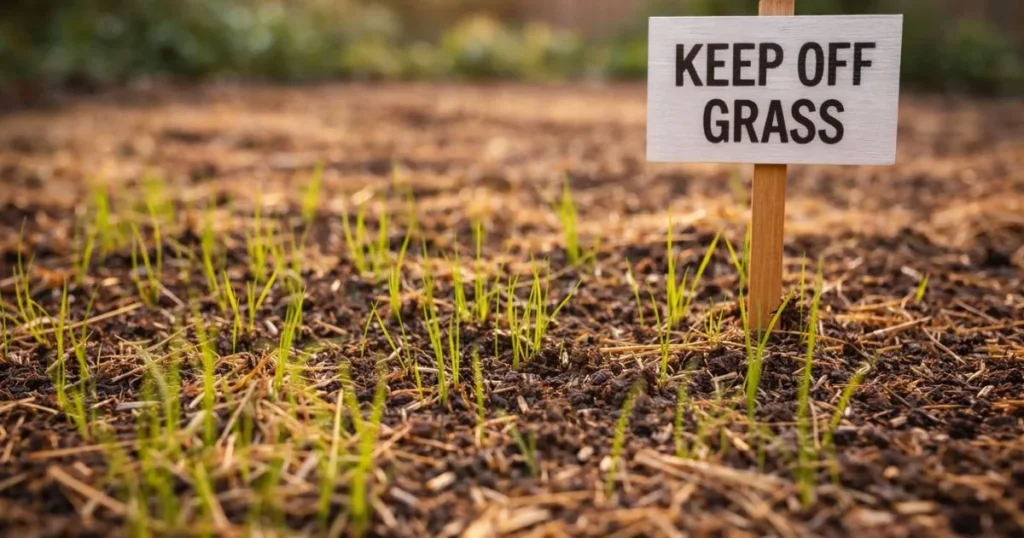
Avoid walking on new grass.
Foot traffic damages roots.
Keep people and pets off the lawn.
Wait until grass is mowed once before regular use.
Frequently Asked Questions
Can you grow grass in summer heat?
Yes.
Warm-season grass grows well with proper care.
How often should you water new grass in summer?
Water lightly once or twice daily.
Do not let soil dry out.
Can you plant grass seed in July?
Yes, but only with heat-tolerant grass and daily watering.
Final Thoughts
After working through summer lawn problems and seeing results over time, one thing stands out. Summer grass growth is possible, but it demands smart choices. Warm-season grass handles heat better. Cool-season grass often struggles. Soil prep, watering habits, and timing decide success. I have seen lawns recover in summer when these basics were followed, and I have seen them fail when they were ignored. If conditions feel too harsh, waiting until late summer or fall can save money and stress. A patient plan almost always beats rushing into the heat.