 Skip to content
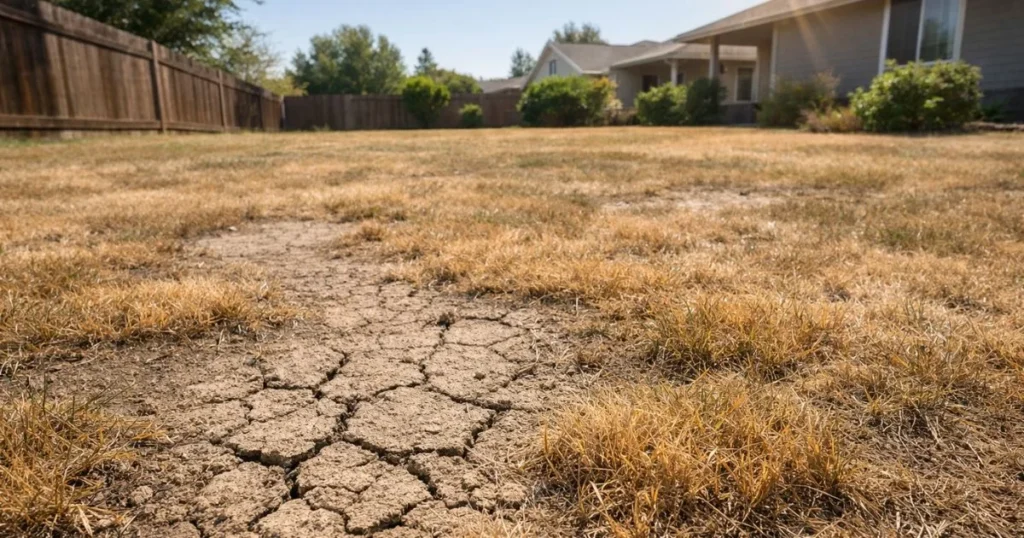
A heat wave hits, and the lawn is usually the first thing to show damage. One week it looks fine. A few hot days later, grass turns dull, thin, and patchy. Bare spots appear fast. Many homeowners respond the same way. They buy grass seed, spread it, water once or twice, and wait. I have done this myself. The seed looked fine at first, but the soil dried out quickly, and nothing grew. The seed was not bad. The timing and heat were.
This is where frustration starts. People ask if heat wave grass seed can work or if they are just wasting money. The truth is not simple. Seeding during extreme heat can succeed, but only under the right conditions. I have seen seed fail in perfect-looking lawns and survive in tough spots when moisture and timing were handled correctly. This guide is written from that real experience. It explains what actually happens to grass seed during a heat wave and how to make smart choices instead of rushed ones.
- What a Heat Wave Does to Grass Seed
- Can You Plant Grass Seed During a Heat Wave?
- Best Grass Seed Types for Heat Waves
- Soil Temperature Matters More Than Air Temperature
- Temperature Ranges That Matter During a Heat Wave
- How to Measure Soil Temperature Before Seeding
- How to Plant Heat Wave Grass Seed the Right Way
- Watering Schedule During a Heat Wave
- 3-Phase Watering Plan for Heat Wave Grass Seed
- Mistakes That Kill Grass Seed in Hot Weather
- Heat Wave Grass Seed: USA Regional Notes
- Should You Wait Until the Heat Wave Ends?
- Heat Wave Lawn Care Without Seeding
- Quick Check Before You Seed During a Heat Wave
- FAQs About Heat Wave Grass Seed
- Final Thoughts
Key Takeaways
- Heat wave grass seed can work, but only with frequent watering.
- Soil drying out is the main reason grass seed fails in heat.
- Warm-season grasses and tall fescue handle heat better.
- Covering seed helps keep moisture and lower soil stress.
- Waiting until heat eases often saves money and effort.
What a Heat Wave Does to Grass Seed
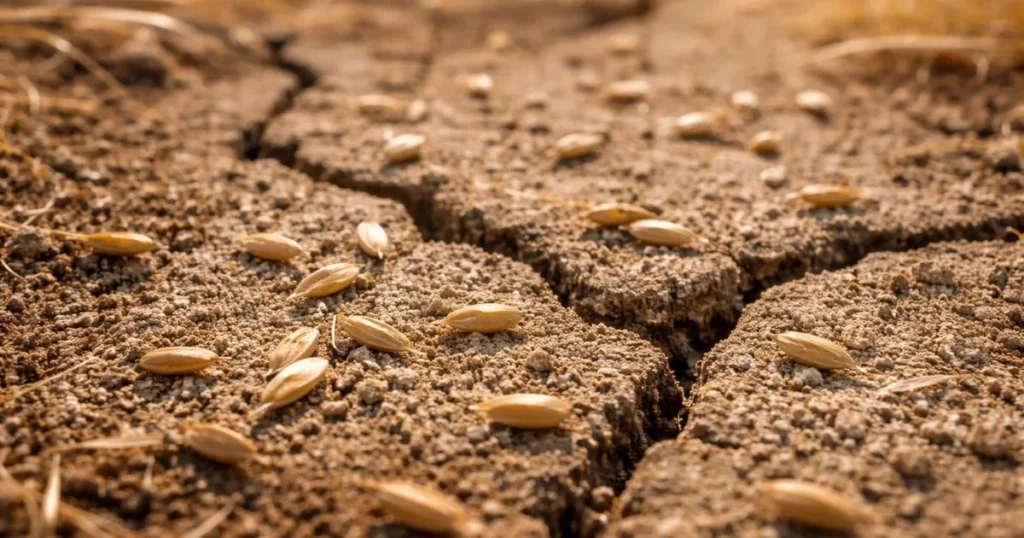
Grass seed needs moisture and mild soil conditions to grow. During a heat wave, soil heats up quickly. The top layer dries within hours. Seeds lose moisture and stop growing.
This usually happens when:
- High heat lasts several days
- Nights stay warm
- Soil dries soon after watering
Seeds may stay in the soil without sprouting. Some sprout and die within days. This is why many people think heat wave grass seed never works.
Can You Plant Grass Seed During a Heat Wave?
Yes, but only in specific cases.
Planting grass seed during a heat wave works if:
- You can water more than once per day
- You use heat-tolerant seed
- You protect the soil surface
If watering is limited, waiting is safer. Most failures happen because soil dries too fast, not because the seed is bad.
This is the key decision point for most homeowners.
Best Grass Seed Types for Heat Waves
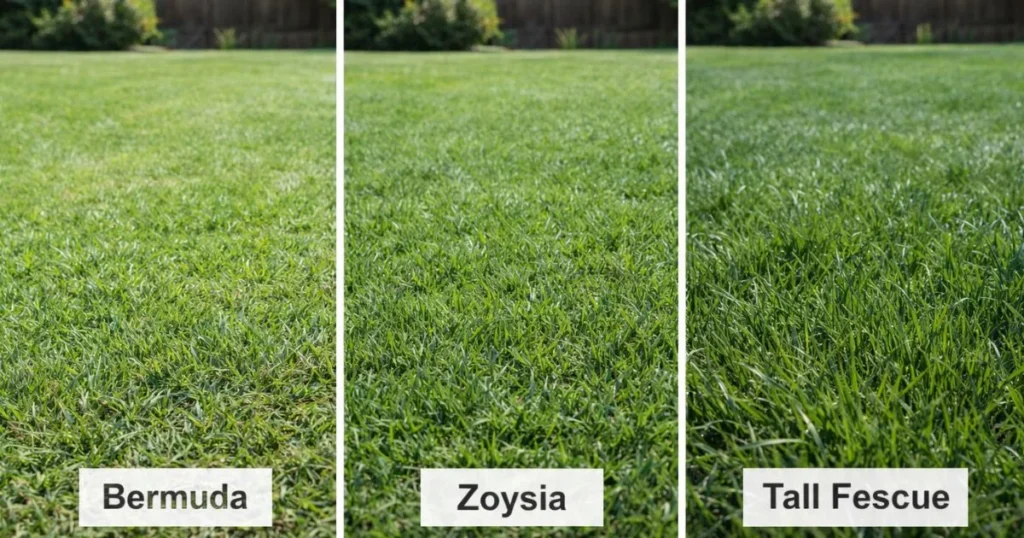
| Grass Type | Heat Tolerance | Best Region | Germination Speed | Safe During Heat Wave |
|---|---|---|---|---|
| Bermuda | High | Southern US | Fast | Yes |
| Zoysia | High | South / Transition Zone | Slow | Limited |
| Tall Fescue | Medium | North / Transition Zone | Medium | Yes, with care |
| Perennial Rye | Low | Cool regions | Fast | No |
Choosing the right seed matters more than timing.
Warm-Season Grasses
These grasses grow best in hot weather.
- Bermuda grass
- Zoysia grass
- Bahia grass
They handle sun and heat better once rooted.
Cool-Season Grasses That Handle Heat Better
Some cool-season grasses survive heat better than others.
- Tall fescue
- Heat-tolerant fescue blends
Tall fescue has deeper roots and recovers better from stress.
Avoid fine fescue and perennial rye during extreme heat. They dry out quickly and fail more often.
Soil Temperature Matters More Than Air Temperature
Many people watch air temperature. Soil temperature matters more for seed growth.
Bare soil heats faster than shaded soil. Hot soil pulls moisture away from seed.
You can lower soil stress by:
- Watering before seeding
- Using straw or seed cover
- Seeding in the evening
These steps help keep moisture where seed needs it.
Temperature Ranges That Matter During a Heat Wave
Grass seed reacts strongly to heat levels.
Problems begin when:
- Daytime air temperature stays above 90°F
- Night temperature stays above 75°F
- Soil temperature rises above 85°F
At these levels, seed dries fast and germination slows or stops. Covered soil stays cooler and helps seed survive.
| Condition | Temperature Range | Seeding Risk |
|---|---|---|
| Safe Range | Below 85°F air / Below 80°F soil | Low |
| Heat Stress | 85–90°F air / 80–85°F soil | Medium |
| Heat Wave | 90°F+ air / 85°F+ soil | High |
How to Measure Soil Temperature Before Seeding
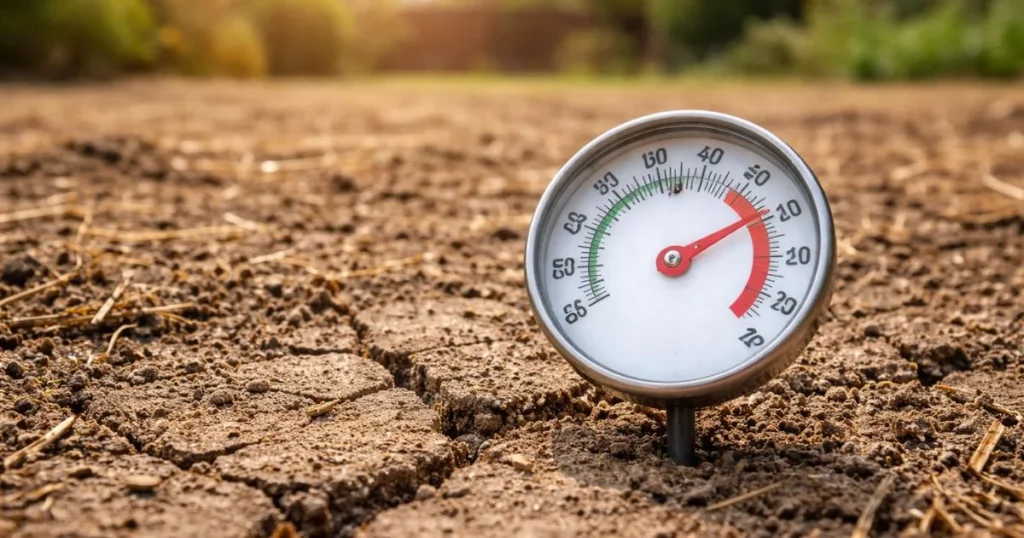
Use a simple soil thermometer with a metal probe. Insert it 2 to 4 inches deep into the soil. Check the temperature in mid-morning, not during peak afternoon heat.
If soil temperature stays above 85°F for several days, seeding risk is high. If soil stays below 80°F, success rates improve.
Testing soil temperature helps you decide whether to seed now or wait.
How to Plant Heat Wave Grass Seed the Right Way
If you must plant during a heat wave, each step matters.
Step 1: Prepare the Soil Early
Prepare soil before peak heat.
- Loosen the surface
- Remove dead grass
- Level bare spots
Hard, dry soil increases failure risk.
Step 2: Water the Soil First
Never seed dry soil.
- Lightly water the area
- Let moisture soak in
- Seed after the surface cools
Step 3: Spread Seed Evenly
Follow the rate on the bag.
- Spread thin and even
- Avoid heavy clumps
Too much seed causes weak growth.
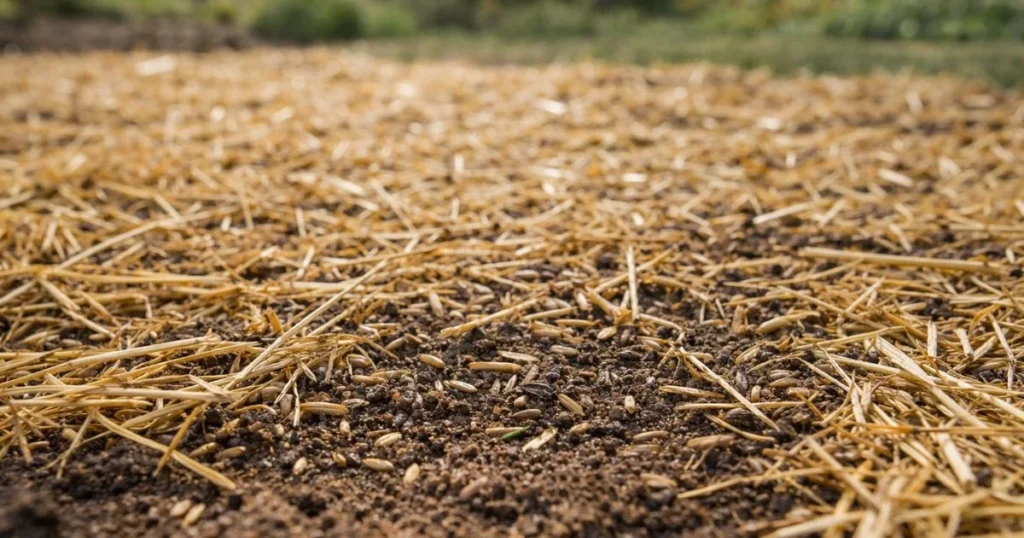
Step 4: Cover the Seed
This step is critical.
- Use straw
- Use seed blankets
- Use light compost
Cover protects seed from heat and drying.
Watering Schedule During a Heat Wave
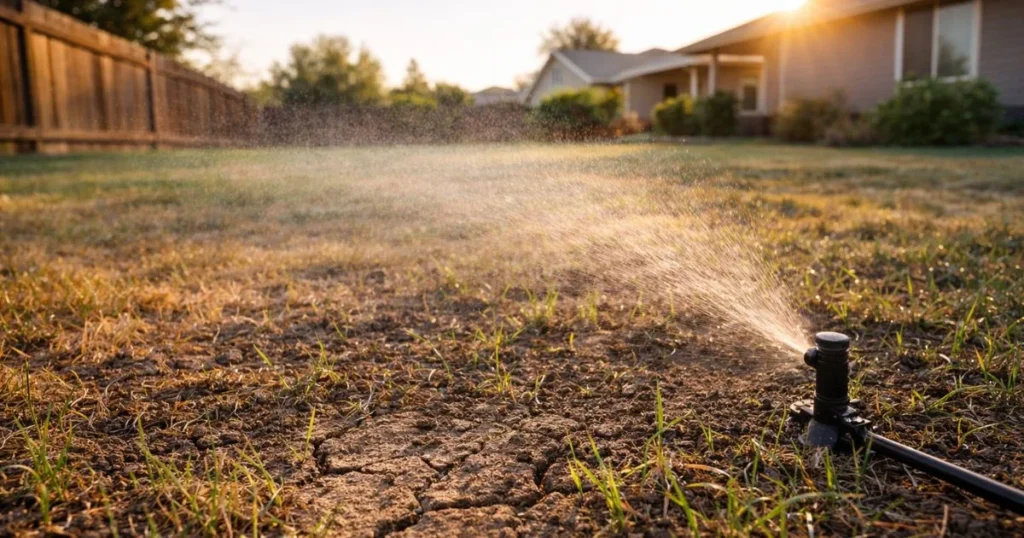
This is where most people fail.
New grass seed needs moisture near the surface.
Best approach:
- Light watering 2 to 3 times per day
- Early morning
- Midday if soil dries
- Late afternoon
Soil should stay damp, not soaked.
As grass grows taller, reduce watering slowly.
3-Phase Watering Plan for Heat Wave Grass Seed
Phase 1: Germination (Days 0–14)
Light watering 2 to 3 times daily. Keep the top layer of soil moist.
Phase 2: Early Growth (Days 15–30)
Reduce to once per day. Water slightly deeper to encourage root growth.
Phase 3: Establishment (After First Mow)
Water 2 to 3 times per week with deeper soaking. Allow the surface to dry between waterings.
This gradual shift strengthens roots and improves heat tolerance.
Mistakes That Kill Grass Seed in Hot Weather
These mistakes cause most failures:
- Watering once per day
- Seeding right before peak heat
- Using cheap seed mixes
- Applying fertilizer during heat
- Leaving seed uncovered
Avoiding these errors saves time and money.
Heat Wave Grass Seed: USA Regional Notes
Heat waves affect lawns differently across the country.
Seed Now If
- You can water 2 to 3 times daily
- Soil stays moist
- Seed will be covered
- Heat is short-term
Wait If
- Watering is limited
- Soil dries quickly
- Strong heat is forecast
- You are planting cool-season grass
Southern States
Heat lasts longer.
- Warm-season grasses work best
- Cool-season seed often fails in midsummer
- Late summer seeding is safer
Northern States
Heat waves are shorter but intense.
- Tall fescue handles stress better
- Seeding can work with frequent watering
- Avoid planting during long heat spikes
Transition Zone
This area is harder to manage.
- Tall fescue is the safest choice
- Timing matters more than seed type
- Waiting for heat to break often works better
Should You Wait Until the Heat Wave Ends?
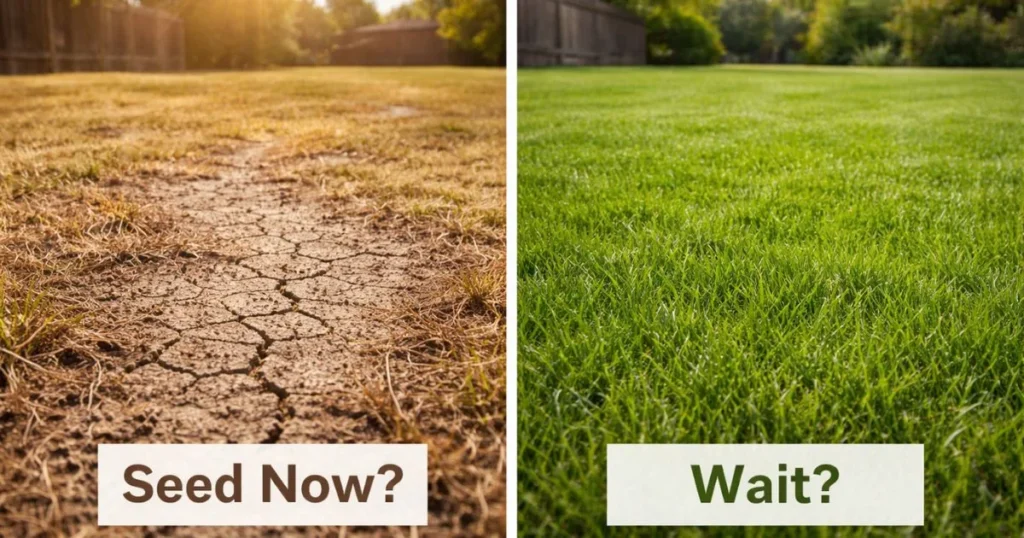
In many cases, yes.
Seeding works better:
- After temperatures drop
- When nights cool down
- In late summer for cool-season grass
Waiting often prevents seed loss.
If heat has thinned your lawn but grass is still alive, this overseeding lawn guide explains how to repair damage once conditions improve instead of wasting seed during extreme heat.
Heat Wave Lawn Care Without Seeding
If seeding is not possible, protect what you have.
- Raise mowing height
- Skip fertilizer
- Water deeply but less often
- Let grass rest
Some lawns turn brown during heat. This is normal dormancy.
Quick Check Before You Seed During a Heat Wave
Seed now only if:
- You can water 2 to 3 times daily
- Soil stays moist
- Seed will be covered
Wait if:
- Watering is limited
- Soil dries within hours
- Strong heat is forecast
FAQs About Heat Wave Grass Seed
Can grass seed survive extreme heat?
Yes, with frequent watering and soil protection.
What grass seed grows best in hot weather?
Warm-season grasses and tall fescue perform better.
How often should I water grass seed during a heat wave?
Light watering 2 to 3 times per day works best.
Should I seed before or after a heat wave?
After is safer for most lawns.
Final Thoughts
After dealing with heat-damaged lawns many times, one lesson stands out. Grass seed fails in summer because soil dries too fast, not because heat exists. Heat wave grass seed can work when moisture is controlled, seed is protected, and timing makes sense. I have seen successful growth during extreme heat with proper watering and cover, and I have also seen entire bags of seed wasted by planting at the wrong time. Knowing when to act and when to wait matters more than the seed itself. Patience and planning lead to stronger results, even after the worst heat waves.