 Skip to content
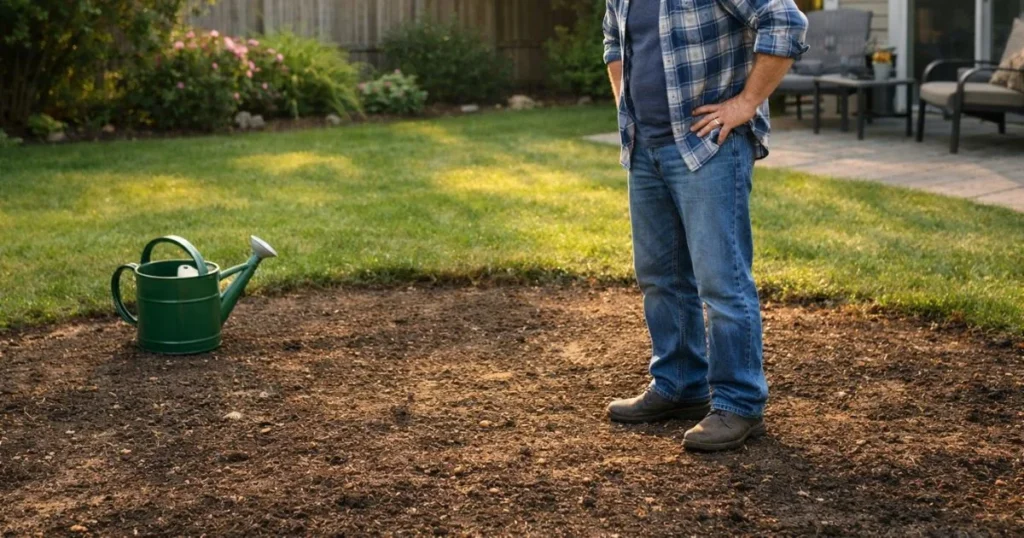
If you just planted grass seed, this feeling is common. You water the soil. Each day, you check for changes. Still, no green shows up. After a week, you worry. After two weeks, you start thinking something went wrong. Many people assume the seed failed, even when it did not.
I have planted grass many times and made the same mistakes most homeowners make. Planting too early once led to no growth at all. Overwatering caused seed to wash away. Reseeding too soon also damaged grass that had already started. What I learned is simple. Grass grows slowly, and most of the work happens under the soil first. This guide is built on real experience and clear timelines, so you know what is normal and when action is truly needed.
- What Does “Grass Growing” Really Mean?
- Grass Growth Timeline (What to Expect)
- Grass Type and Growth Speed
- Soil Temperature and Growth Speed
- How to Test Soil Temperature Before Planting
- Time of Year and Planting Results
- Best Time to Plant Grass by U.S. Region
- Soil Preparation and Conditions
- How Deep Should Grass Seed Be Planted?
- Watering Schedule After Seeding
- Does Grass Seed Quality Affect Growth Time?
- Sun vs Shade: Why Growth Looks Slower
- When Can You Mow New Grass?
- Overseeding vs Starting a New Lawn
- Weeds and Early Grass Growth
- Seed vs Sod vs Plugs (Time Comparison)
- How Long Until Grass Looks Finished?
- When Should You Reseed or Wait?
- When Nothing Grows After 30 Days
- Frequently Asked Questions
- Final Thoughts
Key Takeaways
- Most grass takes 6 to 12 weeks to look full.
- Sprouting is only the first step of growth.
- Thin and uneven grass early on is normal.
- Most lawns fail due to impatience, not bad seed.
What Does “Grass Growing” Really Mean?
Many people think grass is grown once it sprouts. That is only the first step.
Grass growth has three stages:
- Germination (sprouting)
- Establishment (root growth)
- Maturity (thick lawn)
If your lawn looks thin early on, that is expected. Growth you cannot see is still progress.
Grass Growth Timeline (What to Expect)
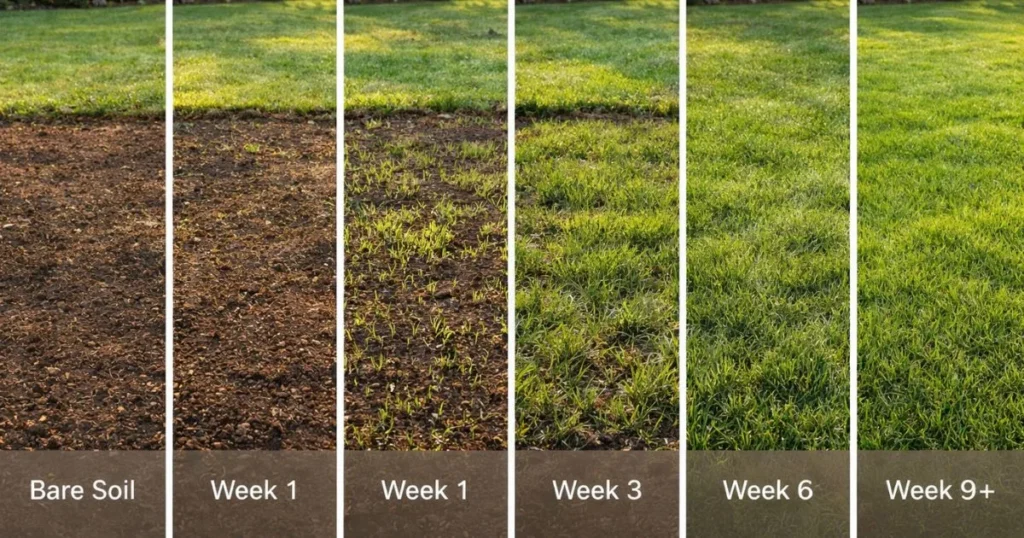
This timeline helps you know if you are on track.
| Time After Seeding | What’s Happening |
|---|---|
| Days 1–7 | Seed absorbs water, no visible growth yet |
| Days 7–21 | Grass begins sprouting |
| Weeks 3–5 | Roots develop, grass looks thin |
| Weeks 6–8 | Lawn thickens, first mow possible |
| Weeks 9–12 | Lawn looks established |
Days 1 to 7: Nothing Visible Yet
Seeds absorb water and settle into the soil. No green shoots appear yet.
This stage causes the most worry. It is normal.
Keep soil moist. Do not dig or check seeds.
Days 7 to 21: First Sprouts Appear
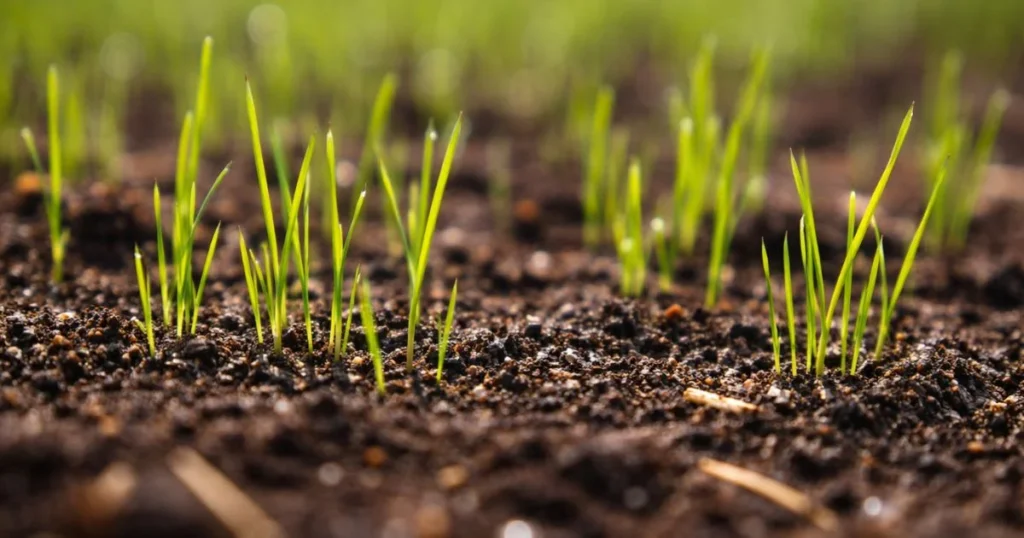
Thin green blades start showing. Some areas grow faster than others.
Uneven growth is normal at this stage.
Do not walk on the lawn.
Weeks 3 to 5: Slow but Steady Growth
Grass blades get taller. Roots begin spreading below ground.
The lawn still looks thin. Many people think something is wrong here. It usually is not.
Reduce watering slightly. Let roots grow deeper.
Weeks 6 to 8: Lawn Starts Filling In
Bare spots begin closing. Color improves.
Grass is ready for the first mow once it reaches 3 inches.
Only cut one third of the blade height.
Weeks 9 to 12: Lawn Looks Established
Roots are stronger. Grass handles light foot traffic.
This is when most lawns finally look “done.”
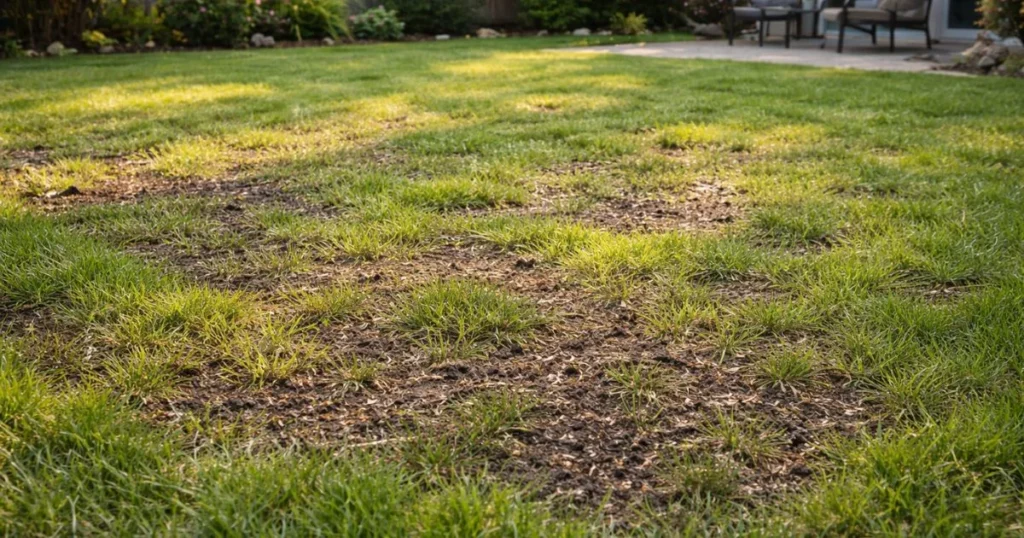
Is This Normal?
- No grass after 7 days – Yes, this is normal.
- Thin grass at 3 weeks – Yes, this is normal.
- Patchy growth early on – Yes, this is normal.
- No growth after 30 days – This needs checking.
Grass Type and Growth Speed
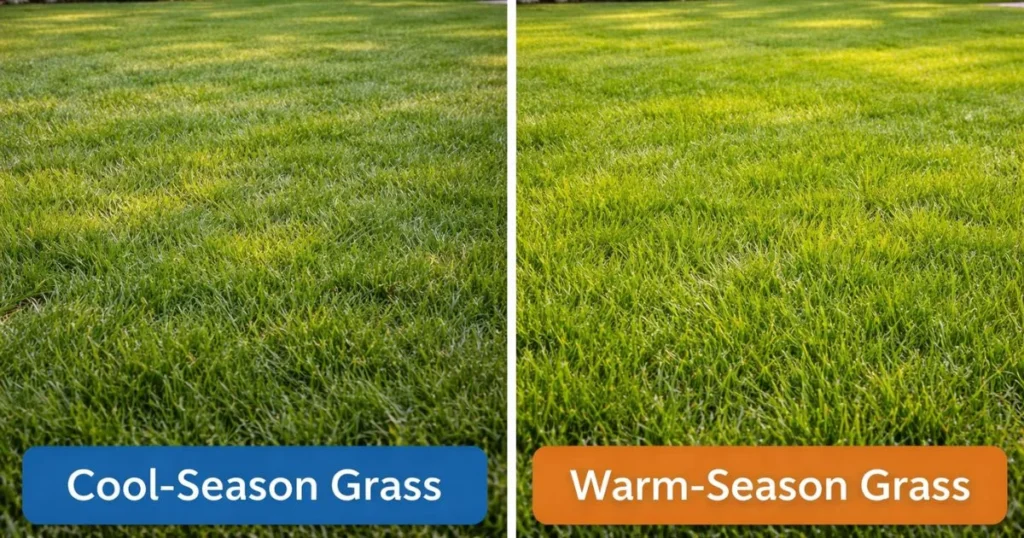
Grass type controls how fast results show.
Cool-Season Grass
Best for cooler climates.
Examples:
- Kentucky bluegrass
- Fescue
- Ryegrass
Typical sprouting time:
- Ryegrass: 5–10 days
- Fescue: 7–14 days
- Kentucky bluegrass: 14–30 days
Bluegrass takes the longest to fill in, but it spreads over time.
Warm-Season Grass
Best for heat and sun.
Examples:
- Bermuda
- Zoysia
- St. Augustine
Typical sprouting time:
- Bermuda: 7–14 days
- Zoysia: 14–21 days
Warm-season grass spreads faster once established.
| Grass Type | Sprouting Time | Full Lawn Time |
|---|---|---|
| Ryegrass | 5–10 days | 6–8 weeks |
| Fescue | 7–14 days | 8–10 weeks |
| Kentucky Bluegrass | 14–30 days | 10–12 weeks |
| Bermuda | 7–14 days | 6–9 weeks |
| Zoysia | 14–21 days | 9–12 weeks |
Soil Temperature and Growth Speed
Seeds respond to soil temperature, not air temperature.
General guide:
- 50–65°F: cool-season grass can sprout
- 65–75°F: best for most grass
- 75–90°F: warm-season grass grows best
Cold soil slows growth. Hot soil dries seed fast.
How to Test Soil Temperature Before Planting
Insert a soil thermometer about 2 inches into the soil early in the morning. Check the temperature for several days before planting. This helps confirm that soil is warm enough for the type of grass you are using.
Time of Year and Planting Results
Spring
Grass grows, but weeds grow fast too. Results vary.
Fall
Best season for cool-season grass. Soil stays warm. Fewer weeds.
Summer
Hard on new grass. Heat and dry soil slow growth.
Winter
Seed usually fails. Soil is too cold.
Best Time to Plant Grass by U.S. Region
| Region | Best Time to Plant |
|---|---|
| Northern States | Late summer to early fall |
| Transition Zone | Early fall or late spring |
| Southern States | Late spring to early summer |
Planting during the right season shortens growth time and improves success rates.
Soil Preparation and Conditions
Good soil shortens growth time.
Before seeding:
- Remove debris
- Loosen topsoil
- Level the area
- Press seed into soil
Seed on hard soil often fails.
How Deep Should Grass Seed Be Planted?
Grass seed should stay near the surface.
Most grass seed needs light to sprout.
Best method:
- Spread seed on loose soil
- Press lightly into the surface
- Cover very thinly if needed
Seed deeper than ¼ inch may not grow.
Watering Schedule After Seeding
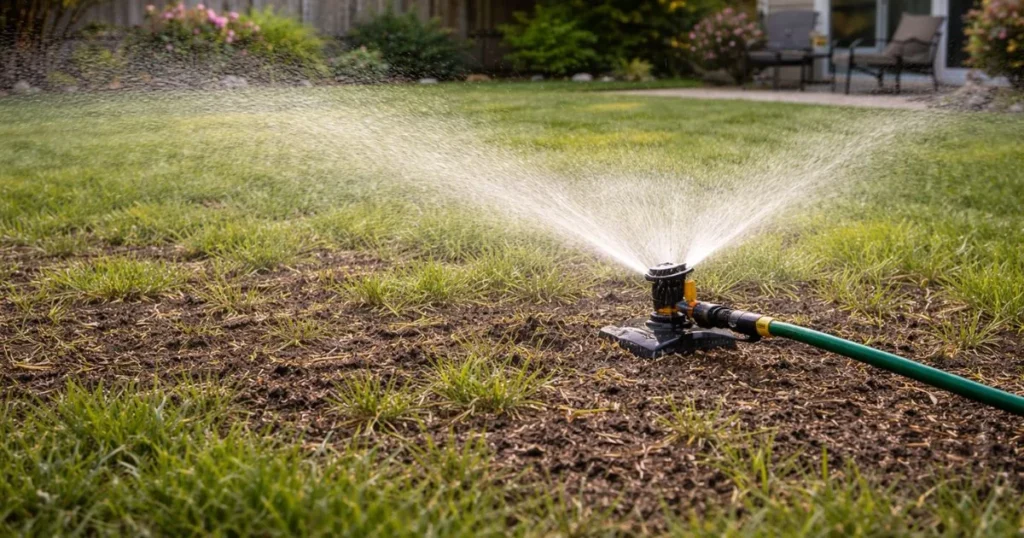
Watering mistakes are the top reason grass grows slowly.
Weeks 1–2
- Light watering
- 2–3 times daily
- Keep soil moist
By weeks 3–4
- Once daily
- Slightly deeper
Weeks 5–8
- Every other day
After Week 8
- One deep watering weekly
More water does not mean faster growth.
Does Grass Seed Quality Affect Growth Time?
Yes. Seed quality matters.
Old seed sprouts less. This causes thin or patchy lawns.
Fresh seed grows faster and more evenly.
Also:
- Coated seed holds moisture longer
- Uncoated seed sprouts faster in good soil
Always check the seed bag date.
Sun vs Shade: Why Growth Looks Slower
Grass grows faster in full sun.
Most grass needs 6 hours of sunlight per day.
In shade:
- Germination slows
- Grass grows thinner
- Some types struggle
Shade-tolerant grass helps, but growth still takes longer.
When Can You Mow New Grass?
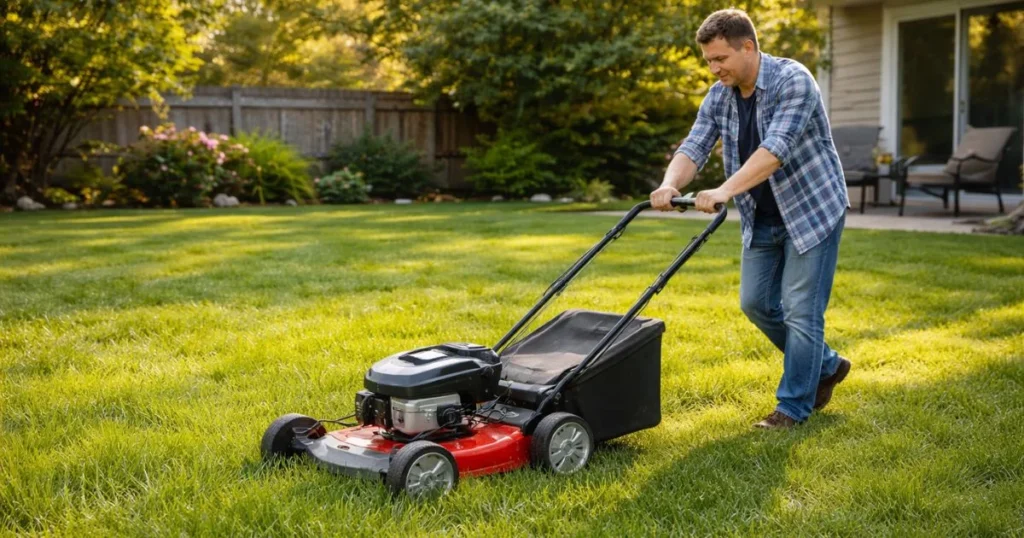
Wait until grass reaches 3 inches.
Use a sharp blade. Do not mow wet grass.
Never remove more than one third of the blade height.
Overseeding vs Starting a New Lawn
Overseeding grows faster than bare-soil planting.
If your lawn already has grass but looks thin or uneven, this overseeding lawn guide explains how to thicken it without starting over.
Why:
- Existing grass protects soil
- Roots establish faster
Overseeded areas may look uneven at first. This improves with time.
Weeds and Early Grass Growth
Weeds slow grass growth early on.
They compete for:
- Water
- Light
- Nutrients
Do not use weed killers on new grass.
Early defense:
- Proper watering
- Thick grass growth
- Patience
Weed control comes later.
Seed vs Sod vs Plugs (Time Comparison)
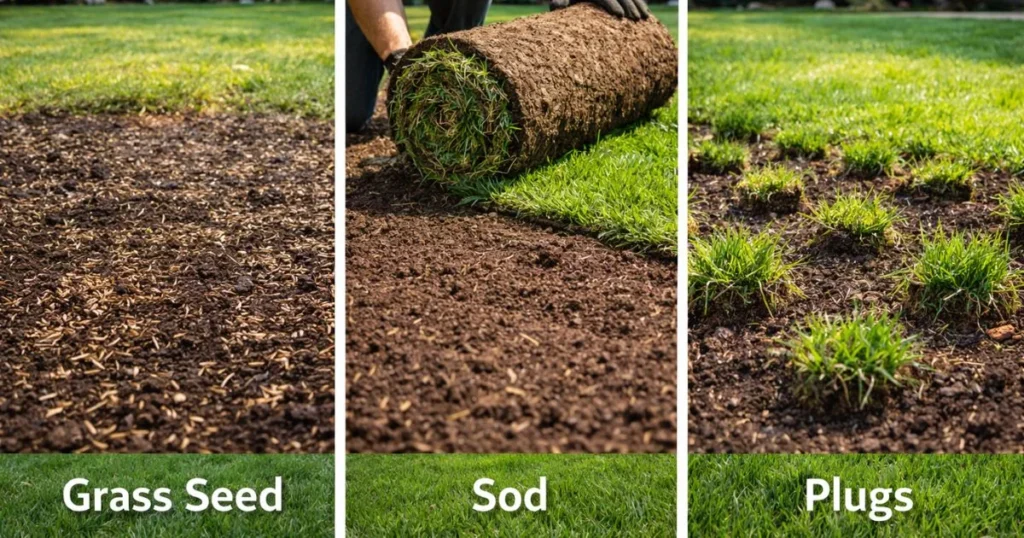
| Method | Time to Green | Cost | Best Use |
|---|---|---|---|
| Seed | 6–12 weeks | Low | Large lawns |
| Sod | 1–2 weeks | High | Instant results |
| Plugs | 8–16 weeks | Medium | Warm-season lawns |
How Long Until Grass Looks Finished?
This depends on expectations.
- Green lawn: 3–5 weeks
- Ready to mow: 6–8 weeks
- Full lawn: 10–12 weeks
Some grass types spread slowly. Waiting is often better than reseeding too early.
When Should You Reseed or Wait?
You should usually wait at least 3–4 weeks before reseeding.
Grass often looks worse before it looks better.
Reseed only if:
- No growth after 30 days
- Seed washed away
- Soil dried out early
Most lawns just need more time.
When Nothing Grows After 30 Days
If you see no sprouts after 30 days:
- Check soil temperature
- Check if soil stayed moist
- Confirm seed was not buried too deep
If all conditions were correct and no growth appeared, reseeding may be necessary.
Wait or Reseed?
- Wait if grass is sprouting unevenly.
- Wait if growth looks thin but steady.
- Reseed only if nothing grew after 30 days.
- Fix watering issues before reseeding.
Frequently Asked Questions
How long does grass seed take to grow?
Most grass seed sprouts in 5–30 days.
How long does new grass take to grow after seeding?
A usable lawn forms in about 6–12 weeks.
Why is my grass growing unevenly?
Uneven water, shade, or soil contact are common causes.
Can I walk on new grass?
Avoid foot traffic for at least 6 weeks.

Final Thoughts
From years of planting and fixing lawns, one thing is clear. Most grass does not fail. People just lose patience too early. New grass almost always looks thin and uneven before it looks good. I have seen lawns that looked empty at week three turn full and healthy by week ten with no extra work. If you planted at the right time, pressed seed into the soil, and kept it moist, growth is happening even if you cannot see it yet. The best results come from waiting, watering correctly, and letting the roots do their job.