 Skip to content
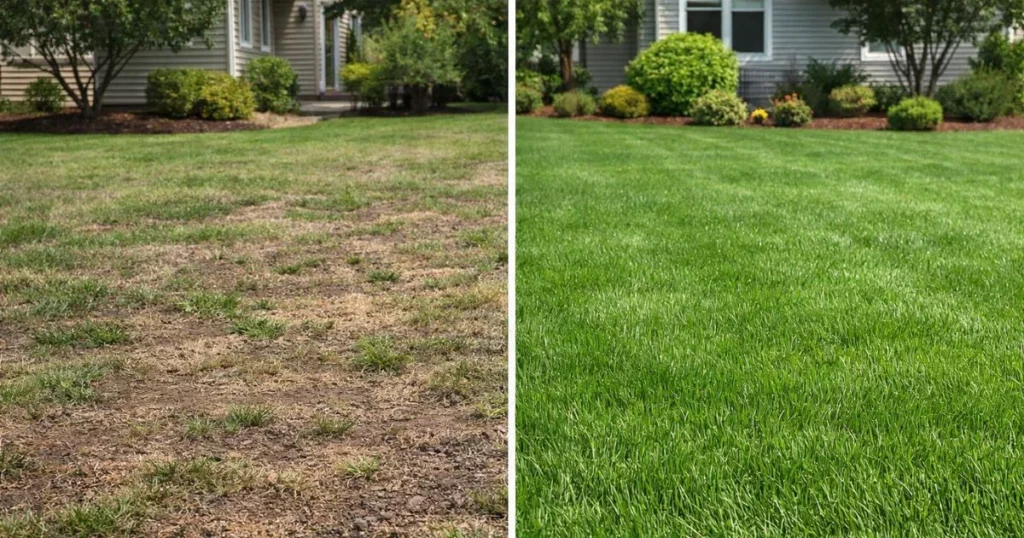
I have seen many lawns look healthy in early spring. Then summer arrives. Heat stays longer. Rain becomes uneven. Slowly, grass thins out. Bare spots show up. Weeds take advantage. Many homeowners feel frustrated because they water more, but the lawn still looks weak.
I have dealt with lawns like this myself. Up close, the grass felt thin and dry. You could see soil between blades. That is when I learned overseeding lawn works best. It does not replace the lawn. It strengthens it. When grass is still alive but struggling, overseeding helps fill gaps and restore thickness the right way.
- What Is Overseeding Lawn?
- Why Overseeding Lawn Is Important
- When to Overseed Lawn
- How to Overseed a Lawn in Fall
- Common Grass Types Used for Overseeding Lawn
- Overseeding Fescue in Fall
- When to Overseed Cool-Season Grass
- How to Know Your Lawn Needs Overseeding
- Tools and Supplies Needed
- How Much Grass Seed to Overseed
- Typical Overseeding Rates (per 1,000 sq ft)
- How to Overseed Lawn Step by Step
- Why Soil Contact Matters for Overseeding Lawn
- Watering After Overseeding Lawn
- Fertilizer Use During Overseeding Lawn
- Growing Grass From Seed: What to Expect
- How Long Does Grass Take to Grow After Overseeding
- When to Mow After Overseeding
- Will Grass Spread on Its Own?
- Can You Grow Grass in Summer?
- Heat Wave Grass Seed Risks
- Overseeding Lawn vs Turf and Sod
- Mowing Differences: Overseeded Lawn vs New Sod
- Overseeding Lawn Cost
- Frequently Asked Questions
- Final Thoughts on Overseeding Lawn
What Is Overseeding Lawn?
Overseeding lawn is the process of adding grass seed to an existing lawn. The goal is to fill thin areas and improve density.
It helps older lawns recover. It improves color and coverage.
Overseeding works best when grass is still alive. If most of the lawn is dead, reseeding or sod may be needed.
Why Overseeding Lawn Is Important
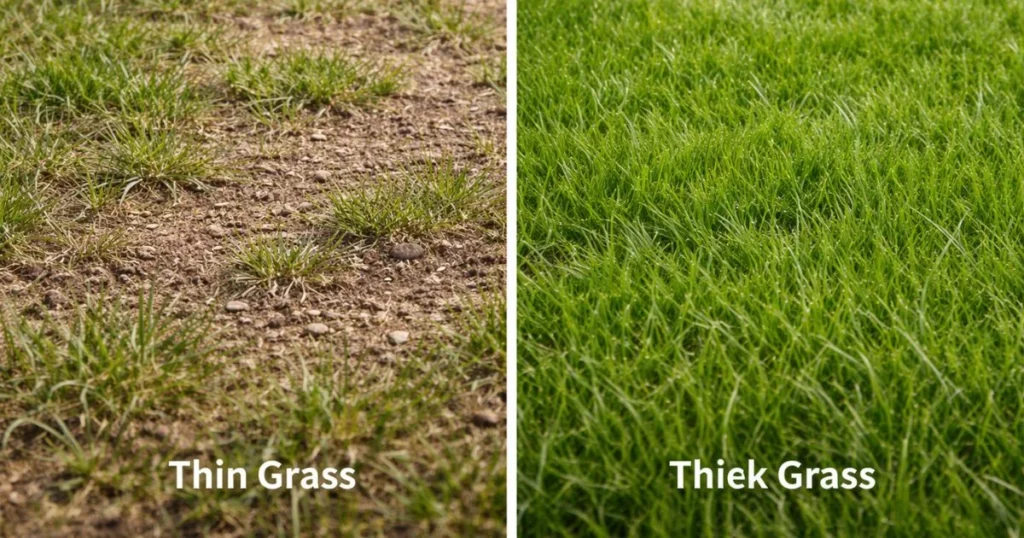
Thin grass allows weeds to spread. Soil dries out faster. Heat stress damages roots.
Overseeding lawn helps by:
- Filling bare spots
- Making grass thicker
- Blocking weed growth
- Improving lawn color
- Helping grass handle stress
A dense lawn protects itself better than a thin one.
If you want to see how these results show up over time, including weed reduction, drought tolerance, and lower lawn costs, read the benefits of overseeding a lawn.
When to Overseed Lawn
Timing decides success.
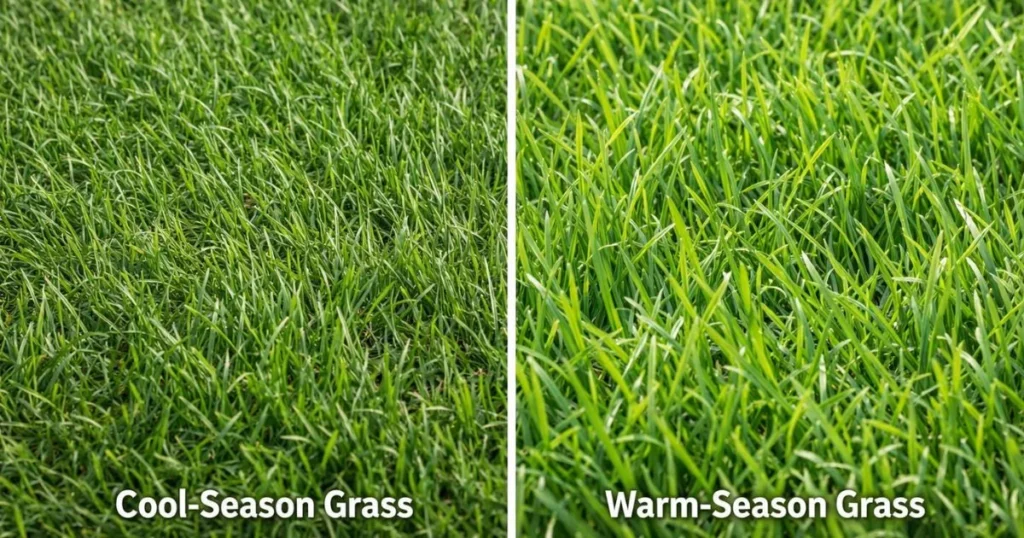
Cool-Season Grass
Cool-season grass grows best in mild weather.
Best time:
- Late summer to early fall
Soil stays warm. Air cools down. Weed pressure drops.
Spring overseeding is possible, but results are weaker.
Warm-Season Grass
Warm-season grass needs warm soil.
Best time:
- Late spring to early summer
Cold soil slows seed growth.
Timing plays a bigger role than most people expect. This guide on when is the best time to overseed a lawn explains how season, soil temperature, and frost risk affect results.
Is It the Right Time to Overseed?
- Cool-season grass: Overseed in late summer or fall.
- Warm-season grass: Overseed in late spring or early summer.
- Extreme heat: Wait for cooler weather.
- Thin but green lawn: Overseeding is a good choice.
How to Overseed a Lawn in Fall
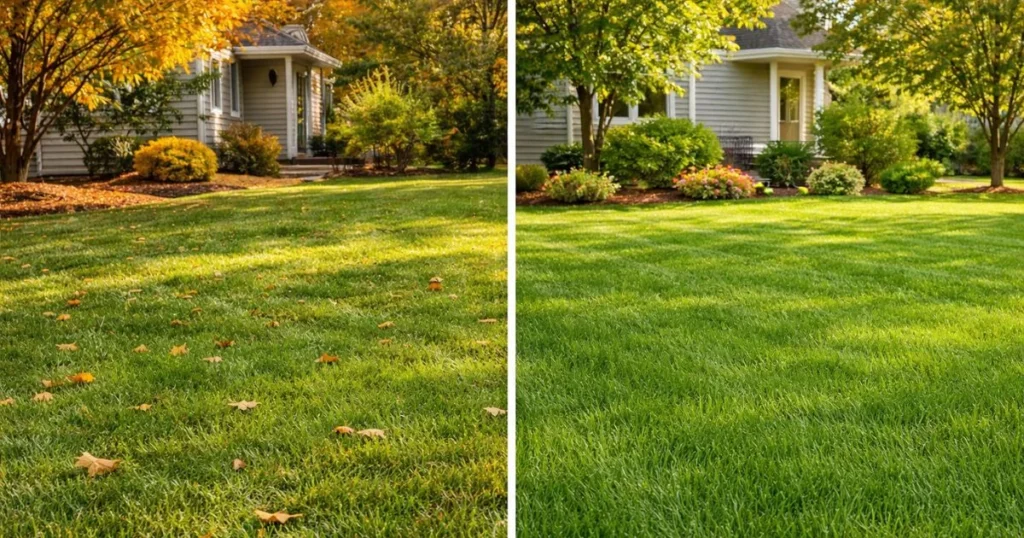
Fall is the best season for overseeding lawn, especially for cool-season grass.
Cool air reduces stress on new grass. Soil stays warm enough for growth. Weed activity slows down.
Before fall overseeding:
- Remove fallen leaves
- Water dry soil
- Overseed early enough before frost
Fall overseeding gives grass time to establish before winter.
Fall overseeding works best when each step is done in the right order. This guide on how to overseed a lawn in fall walks through preparation, seeding, watering, and aftercare in detail.
Common Grass Types Used for Overseeding Lawn
Choosing the right grass seed matters.
For cool-season lawns, common options include:
- Kentucky bluegrass
- Tall fescue
- Perennial ryegrass
These grasses respond well to fall overseeding.
For warm-season lawns, common options include:
- Bermuda grass
- Zoysia grass
Always match new seed with your existing grass type.
Overseeding Fescue in Fall
Fescue responds especially well to fall overseeding when timing, seed rate, and watering are handled correctly. This guide on overseeding fescue in fall explains each step in detail.
Tall fescue performs very well with fall overseeding.
Cooler air supports root growth. Disease pressure is lower. Spring growth becomes stronger.
For best results:
- Overseed in early fall
- Keep soil moist
- Avoid heavy foot traffic
Fall overseeding improves fescue thickness and strength.
When to Overseed Cool-Season Grass
Cool-season grass prefers cool air and warm soil.
The best time to overseed cool-season grass is late summer to early fall.
During this period:
- Germination improves
- Roots grow deeper
- Weed competition drops
Timing mistakes cause most overseeding failures. This guide on when to overseed cool season grass explains the exact fall window, soil temperature range, and frost timing that give the best results.
Fall delivers better results than spring.
How to Know Your Lawn Needs Overseeding
Your lawn may need overseeding if:
- Grass looks thin
- Bare spots appear
- Weeds spread easily
- Color looks dull
- Soil shows through grass
If you can see soil between blades, overseeding lawn can help.
Tools and Supplies Needed
Overseeding does not require special tools.
Basic supplies:
- Grass seed
- Lawn mower
- Rake
- Seed spreader
- Hose or sprinkler
Optional tools:
- Core aerator
- Compost or topsoil
Most homeowners already own these items.
How Much Grass Seed to Overseed
Seed amount matters.
Using the wrong amount of seed is a common reason overseeding fails. This guide on how much grass seed to overseed explains exact rates by grass type and lawn condition so you do not waste seed or weaken new grass.
Too little seed leaves gaps. Too much seed creates weak grass.
General guidance:
- Overseeding uses less seed than new lawns
- Always follow the overseeding rate on the seed label
Seed labels provide the safest guidance.
Grass Seed Amount Quick Guide
Overseeding requires less seed than starting a new lawn.
- Use overseeding rates listed on the seed label.
- Do not use full seeding rates meant for bare soil.
- Too much seed can cause weak and crowded grass.
Typical Overseeding Rates (per 1,000 sq ft)
| Grass Type | Overseeding Rate |
|---|---|
| Tall fescue | 3–5 lbs |
| Kentucky bluegrass | 1–2 lbs |
| Perennial ryegrass | 2–4 lbs |
Always follow the overseeding rate listed on the seed label.
How to Overseed Lawn Step by Step
Step 1: Mow the Lawn Short
Cut grass lower than usual. This allows sunlight to reach seed.
Do not scalp the lawn.
Step 2: Remove Debris
Rake leaves and dead grass. Clear the surface.
Seed must touch soil.
Step 3: Improve the Soil
Loosen the top layer of soil. Aeration helps compacted areas.
Add compost if soil looks weak.
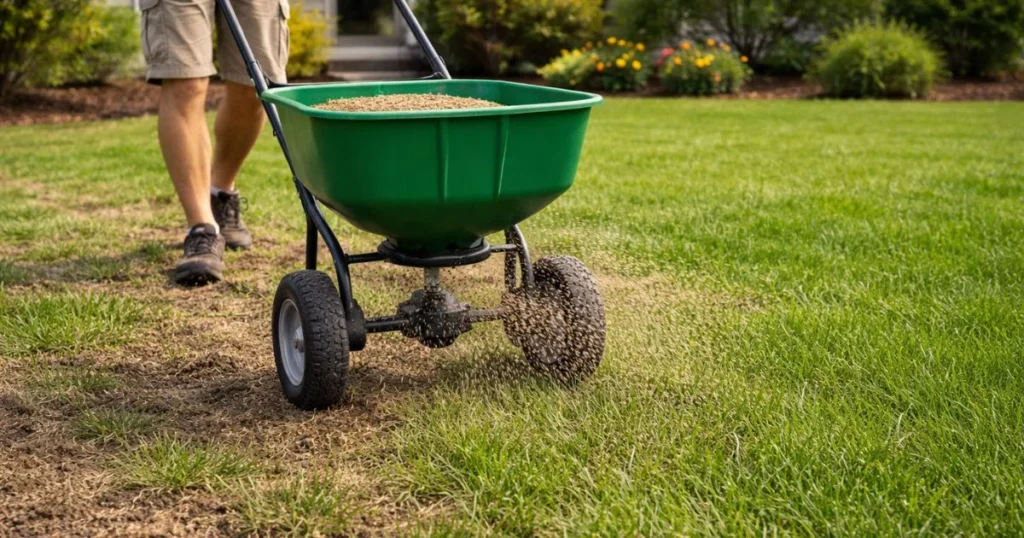
Step 4: Spread the Seed
Use a spreader for even coverage.
Follow the seed label rate.
Step 5: Lightly Rake Again
Gently rake to settle seed into soil.
Do not bury it.
Step 6: Water the Lawn
Water right away. Keep soil moist, not soaked.
Skipping this step causes failure.
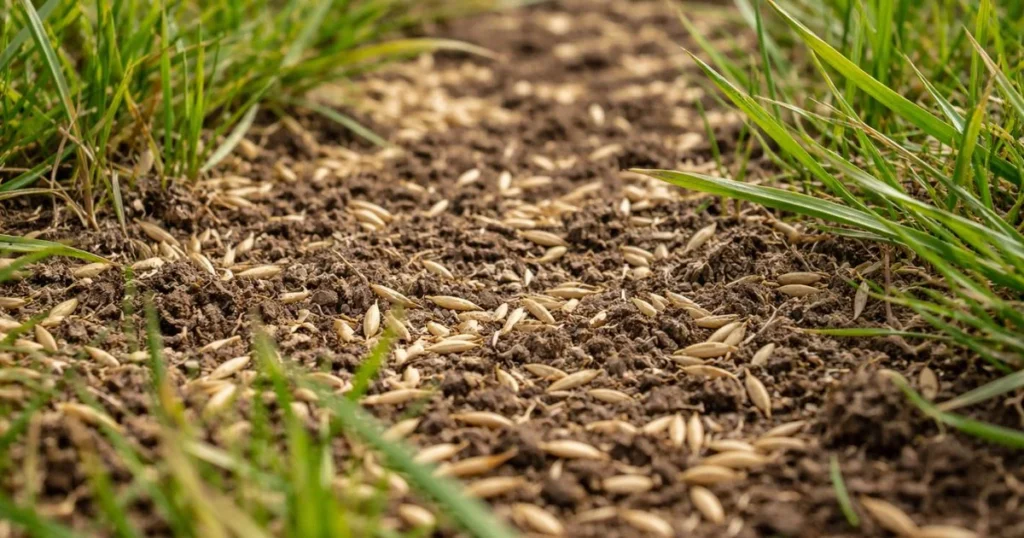
Why Soil Contact Matters for Overseeding Lawn
Grass seed must touch soil to grow.
Seed sitting on grass dries out fast. It cannot absorb water.
Light raking improves soil contact.
Good contact improves early growth and root strength.
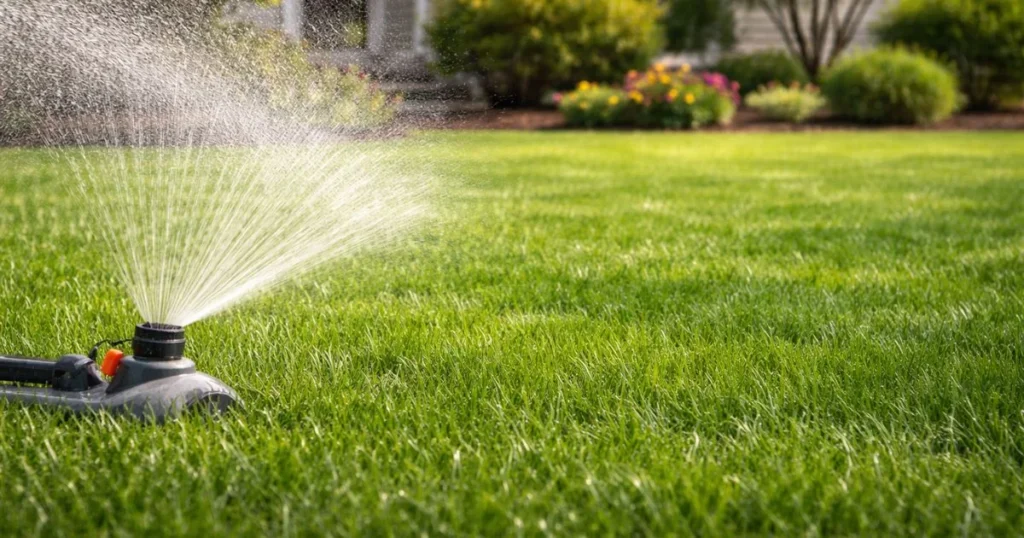
Watering After Overseeding Lawn
Watering controls success.
First 10 to 14 days:
- Light watering
- One to two times daily
After sprouts appear:
- Water less often
- Water deeper
Avoid puddles.
Fertilizer Use During Overseeding Lawn
Fertilizer can help if used correctly.
Use a light starter fertilizer made for new grass.
Avoid strong fertilizer early. Too much nitrogen harms seedlings.
Apply heavier fertilizer after grass is established.
Growing Grass From Seed: What to Expect
Grass grows in stages.
Seed absorbs water first.
Roots form under soil.
Green shoots appear next.
For growth, grass seed needs:
- Soil contact
- Moisture
- Mild temperatures
Missing any step slows results.
If you are starting from bare soil or rebuilding large damaged areas, this guide on growing grass from seed explains the full process from soil prep to first mowing.
How Long Does Grass Take to Grow After Overseeding
Growth takes time.
Typical timeline:
- Sprouts appear in 7 to 21 days
- First mowing after 3 to 4 weeks
- Full thickness develops over months
Weather and grass type affect speed.
If you want a full growth timeline from seed to an established lawn, this guide on how long does grass take to grow explains what to expect week by week.
When to Mow After Overseeding
Wait until new grass reaches about three inches.
Use sharp blades. Cut only the top third.
Avoid heavy traffic early.
Will Grass Spread on Its Own?
Some grass types spread slowly. Others do not.
Bunch-type grass stays in place. Spreading grass fills gaps over time.
Even spreading grass benefits from overseeding.
Overseeding speeds recovery and improves appearance.
Some grasses can spread slowly, while others never fill gaps without help. This guide on will grass spread on its own explains which grass types spread naturally and when overseeding is the better choice.
Can You Grow Grass in Summer?
Summer is not ideal for overseeding lawn.
High heat dries soil quickly. Seed struggles to stay moist.
Summer overseeding may work only with:
- Frequent watering
- Mild temperatures
- Shade
Most lawns perform better in fall.
Summer seeding is possible but risky. This guide on can you grow grass in summer explains when it works, which grass types survive heat, and when waiting is the smarter option.
Heat Wave Grass Seed Risks
Heat waves stress new grass.
High temperatures cause:
- Fast soil drying
- Poor germination
- Weak roots
Avoid overseeding during heat waves.
Seeding during extreme heat is risky and often fails without constant moisture. This guide on heat wave grass seed explains when seeding can work during heat and when waiting saves money and effort.
Overseeding Lawn vs Turf and Sod
Overseeding improves existing grass. Sod replaces it.
Overseeding:
- Lower cost
- Slower results
- Uses current lawn
Sod:
- Higher cost
- Instant coverage
- Full replacement
Thin but living lawns benefit most from overseeding.
If you are deciding between artificial turf and real sod instead of repairing your lawn, this guide on turf vs sod explains the real differences in cost, care, and long-term use.
Overseeding vs Reseeding vs Sod
| Method | Cost | Time to Results | Best For | Effort Level |
|---|---|---|---|---|
| Overseeding | Low | Moderate | Thin but living lawns | Low to Medium |
| Reseeding | Medium | Slow | Severely damaged lawns | Medium |
| Sod | High | Fast | Instant lawn replacement | High |
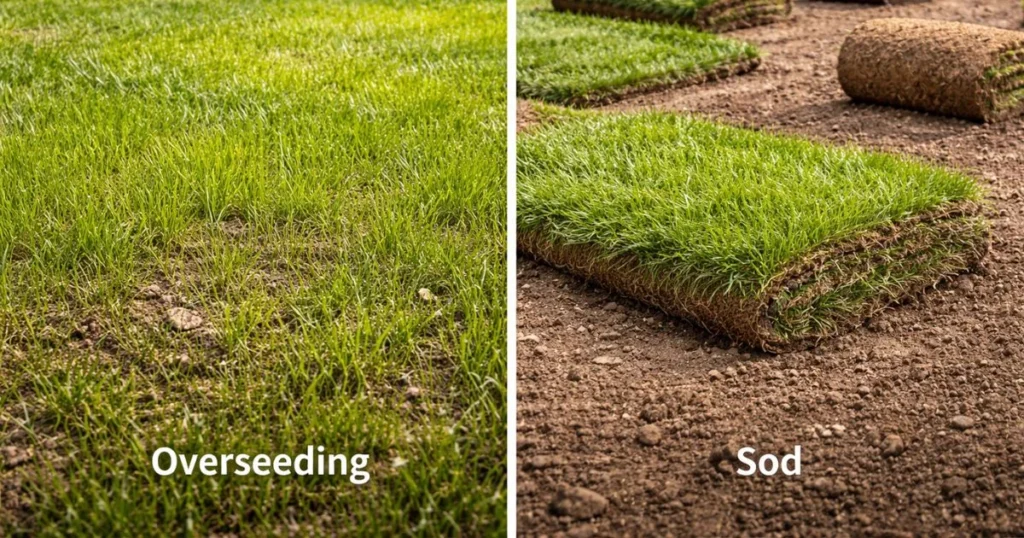
Mowing Differences: Overseeded Lawn vs New Sod
Overseeded lawn:
- Mow when grass reaches three inches
New sod:
- Wait longer before mowing
- Roots must attach first
Correct timing prevents damage.
New sod needs extra care during early mowing. This guide on mowing new sod first time explains exactly when to mow and how to avoid pulling sod loose.
Overseeding Lawn Cost
Overseeding is affordable.
DIY cost includes:
- Seed
- Basic tools
Professional service costs more but saves effort.
Many homeowners start with DIY.
Frequently Asked Questions
Can You Overseed Lawn Before Rain?
Light rain helps. Heavy rain washes seed away.
Can You Overseed and Fertilize Together?
Yes, with a starter fertilizer for new grass.
Will Grass Seed Grow Without Soil Contact?
Poorly. Soil contact is required.
How Long Does Overseeding Take to Show Results?
Sprouts appear within seven to twenty-one days.
Key Takeaways
- Overseeding lawn works best when grass is thin but still alive.
- Fall is the best time to overseed most cool-season lawns.
- Grass seed must touch soil to grow properly.
- Light and frequent watering is critical in the first two weeks.
- Using too much seed can weaken new grass.
- Overseeding improves lawn thickness and reduces weeds over time.
Final Thoughts on Overseeding Lawn
Overseeding lawn works when timing and care are right. I have seen strong results when overseeding was done in the proper season and watered correctly. I have also seen lawns fail when people rushed or ignored aftercare. From experience, patience matters more than anything. Grass grows in stages, and roots come first. When overseeding is done with the right steps, it improves lawn health over time without starting over. For thin but living lawns, overseeding remains one of the most reliable solutions.