 Skip to content
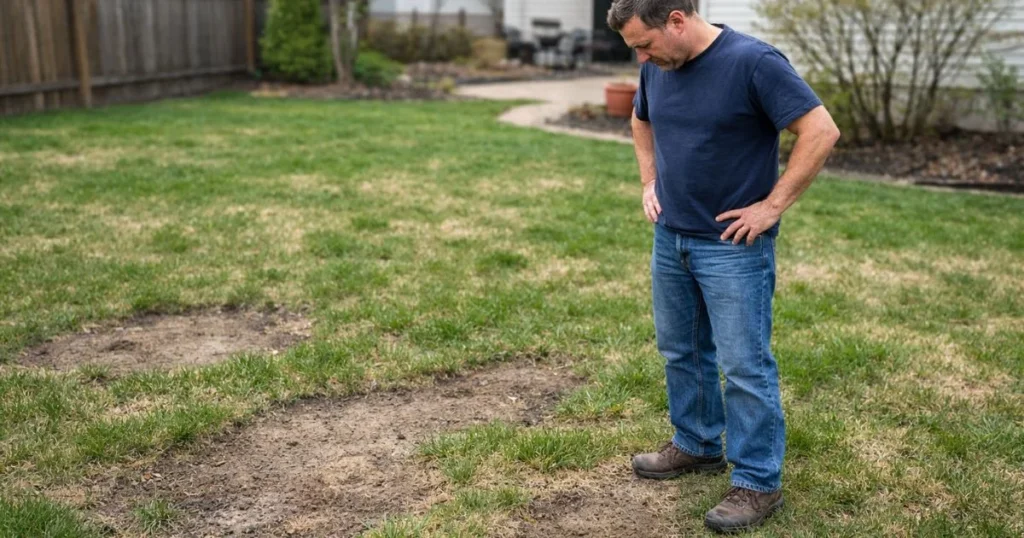
Bare spots in a lawn can be annoying. You water them, mow around them, and wait, hoping grass will slowly move in. Many homeowners do this for weeks or even months. At some point, the same question comes up: will grass spread on its own, or is waiting just wasting time?
I have dealt with this issue in my own lawn and while helping others with theirs. I have seen grass fill small gaps in some yards, while in others nothing changed at all. The difference was never guesswork. It always depended on the grass type, the season, and the soil. This article explains what really happens when you wait, when waiting works, and when it causes bigger problems.
- Does Grass Spread on Its Own?
- How Grass Spreads Naturally
- Grass Types That Spread on Their Own
- Grass Types That Do Not Spread
- How to Tell What Type of Grass You Have
- How Long Does It Take for Grass to Spread?
- How Climate and Season Affect Grass Spread
- Why Grass Sometimes Fails to Spread
- Can Grass Fill Bare Spots Without Seeding?
- How to Help Grass Spread Faster
- What to Do Before Waiting for Grass to Spread
- Should You Overseed Bare Spots?
- Will Grass Spread on Its Own? Final Answer
Key Takeaways
- Some grass types spread naturally, but many do not.
- Grass that spreads does so very slowly.
- Large bare spots rarely fill in on their own.
- Grass type and season decide whether waiting works.
Does Grass Spread on Its Own?
Will grass spread on its own? Some grass types spread naturally using underground roots or surface runners, but many common lawn grasses grow in clumps and will not fill bare spots without seeding.
Yes, some grass can spread on its own.
But many common lawn grasses cannot.
Grass spreads in two main ways:
- By underground roots
- By above-ground runners
If your lawn does not grow this way, bare spots will stay bare.
That is why waiting works for some lawns and fails for others.
How Grass Spreads Naturally
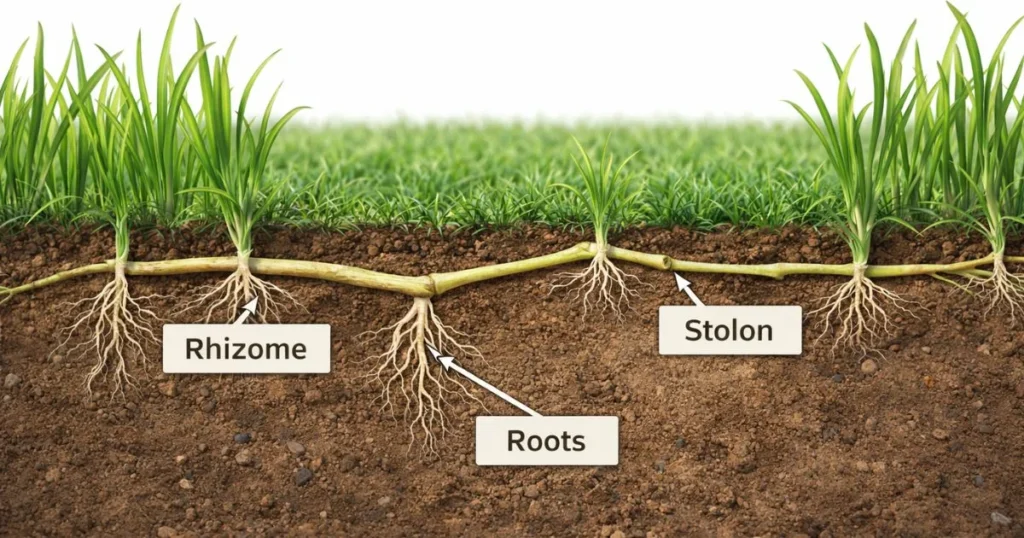
Grass spreads using special plant parts.
Underground spread
Some grasses grow underground stems.
These stems move sideways below the soil.
New grass shoots grow from them and pop up nearby.
Above-ground spread
Other grasses grow runners on top of the soil.
These runners root when they touch the ground.
Over time, they move into thin or empty areas.
If your grass does not grow this way, it stays in clumps.
Grass Types That Spread on Their Own
These grasses can slowly fill bare spots if conditions are good.
Kentucky bluegrass
- Cool-season grass
- Spreads underground
- Slow but steady growth
Bermuda grass
- Warm-season grass
- Spreads fast in heat
- Uses underground and surface runners
Zoysia grass
- Warm-season grass
- Thick growth
- Slow spread but very dense
These grasses can recover small areas if the lawn is healthy.
Grass Types That Do Not Spread
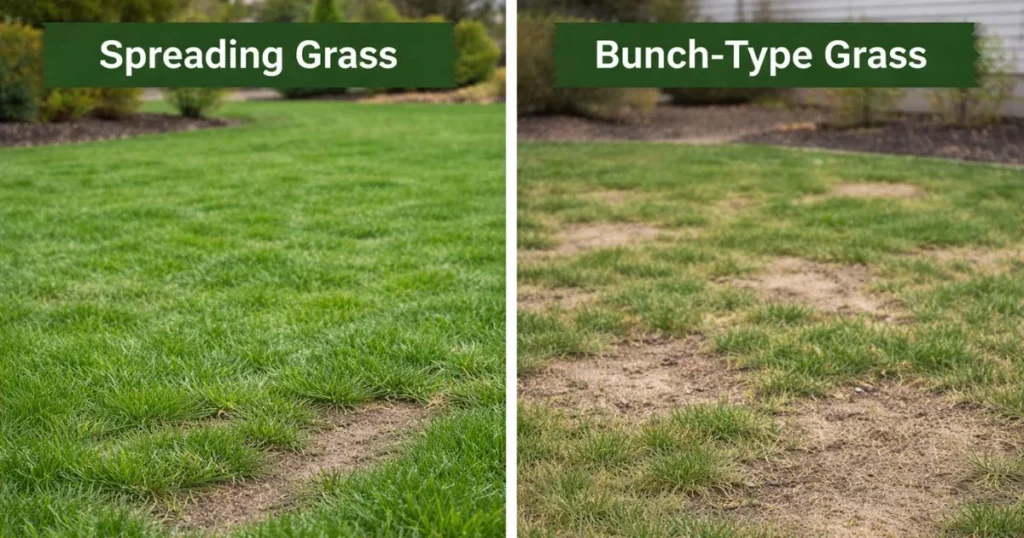
Some grasses grow in bunches.
They do not move sideways.
These include:
- Tall fescue
- Perennial ryegrass
- Fine fescue
If your lawn uses these grasses, bare spots will not fill in on their own.
Waiting often makes the problem worse.
| Grass Type | Spreads on Its Own | Spread Speed | Needs Overseeding |
|---|---|---|---|
| Kentucky Bluegrass | Yes | Slow | Sometimes |
| Bermuda Grass | Yes | Fast | Rarely |
| Zoysia Grass | Yes | Slow | Sometimes |
| Tall Fescue | No | None | Yes |
| Perennial Ryegrass | No | None | Yes |
How to Tell What Type of Grass You Have
Before waiting for grass to spread, you need to know what type of grass is in your lawn.
Here are simple ways to check:
- Look at how it grows
Grass that spreads has runners or shoots moving sideways.
Grass that grows in tight clumps usually does not spread. - Check the leaf feel
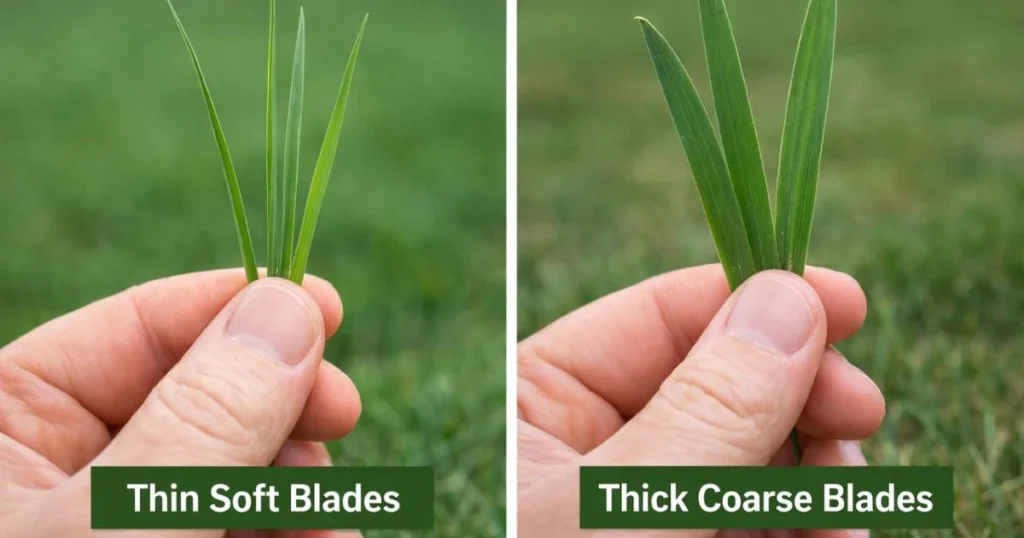
Soft and thin blades often belong to spreading grasses.
Thick and coarse blades are often bunch grasses. - Watch seasonal growth
Grass that grows best in spring and fall is often cool-season.
Grass that grows best in summer heat is often warm-season.
If your lawn grows in clumps, bare spots will not fix themselves.
How Long Does It Take for Grass to Spread?
This is where many people wait too long.
Even spreading grass is slow.
- Small gaps may fill in within one growing season
- Large bare spots can take years
- Poor soil can stop spread completely
If you want quick results, natural spread alone is rarely enough.
How Climate and Season Affect Grass Spread
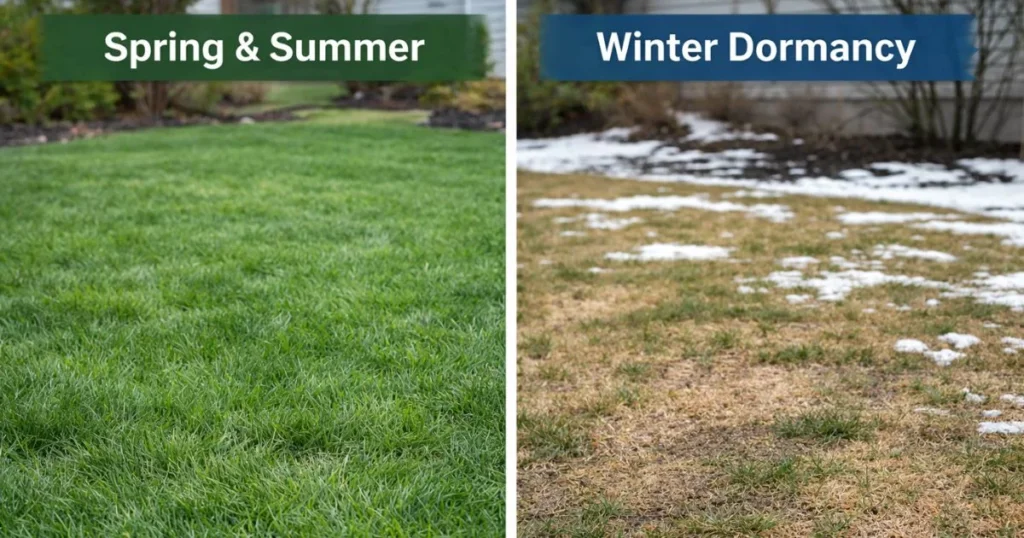
Grass only spreads during its active season.
- Cool-season grasses
Grow best in spring and fall
Slow down during summer heat - Warm-season grasses
Spread during late spring and summer
Stop growing in cold weather
Waiting during the wrong season leads to no change.
This is a common reason people think grass will never spread.
In northern states, cool-season grasses spread mainly in spring and fall. In southern states, warm-season grasses spread during late spring and summer.
Should You Wait or Take Action?
- Small bare spot and spreading grass → Waiting may work.
- Large bare spot → Seeding works better.
- Bunch-type grass → Seeding is needed.
- Wrong season → Prepare now and act later.
Why Grass Sometimes Fails to Spread
Even spreading grass can struggle.
Common reasons include:
- Hard or compacted soil
- Too much shade
- Poor watering habits
- Heavy foot traffic
- Low nutrients
When these problems exist, grass cannot move into bare areas.
Common Mistakes Homeowners Make
- Waiting with grass that does not spread.
- Expecting growth during dormant seasons.
- Ignoring compacted or poor soil.
- Leaving bare soil exposed too long.
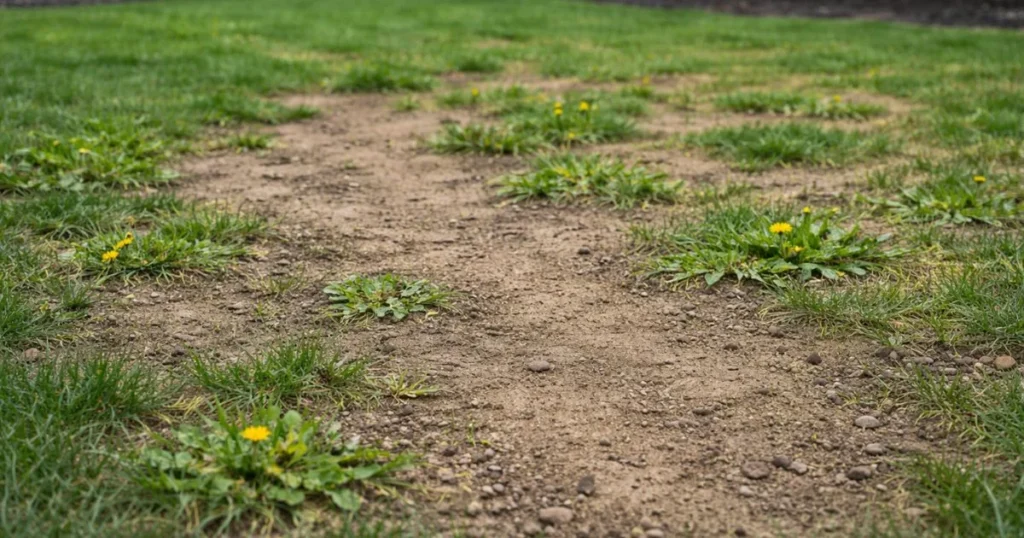
Can Grass Fill Bare Spots Without Seeding?
In most cases, no.
Grass may creep a little.
But weeds often move in faster.
Bare soil invites weeds, not healthy turf.
Waiting often saves money at first but costs more later.
How to Help Grass Spread Faster
If your grass can spread, you can help it.
Here’s what works:
- Mow at the right height
- Water deeply, not daily
- Loosen compacted soil
- Reduce foot traffic
- Feed the lawn during the growing season
These steps support natural growth.
They do not replace seeding for large bare spots.
What to Do Before Waiting for Grass to Spread
If you want results, follow this order.
- Identify your grass type
- Check soil firmness and loosen hard areas
- Decide if natural spread is realistic
- Overseed large bare spots if needed
Skipping these steps often leads to weeds instead of grass.
Should You Overseed Bare Spots?
Yes, in most lawns.
Overseeding is the fastest way to fix thin or empty areas.
If your lawn is thin but still alive, this overseeding lawn guide explains how to fill bare spots properly instead of waiting for grass to spread on its own.
It works with both spreading and non-spreading grasses.
In many cases, it saves time and money long term.
Will Grass Spread on Its Own? Final Answer
So, will grass spread on its own?
Here’s the honest answer:
- Some grass types can spread
- Many common grasses cannot
- Natural spread is slow
- Large bare spots need help
If you want a full lawn, action matters.
Waiting alone often leads to weeds.
Quick FAQ
Will my lawn fix itself?
Only small areas may improve, and only with the right grass.
Why is my grass not spreading?
It may be a bunch-type grass or the soil may be poor.
Is overseeding always needed?
For fast and even results, yes.
conclusion
From real experience, grass does not act the same in every lawn. I have watched Kentucky bluegrass slowly spread and close small bare spots over time. I have also seen tall fescue lawns stay thin and bare for years until seed was added. Waiting only works when the grass type, soil condition, and season all line up. The biggest mistake homeowners make is hoping instead of checking. Once you know what grass you have and how it grows, the right decision becomes clear. Sometimes patience works, but many times taking action saves time, money, and frustration. That is the real answer to will grass spread on its own.