 Skip to content
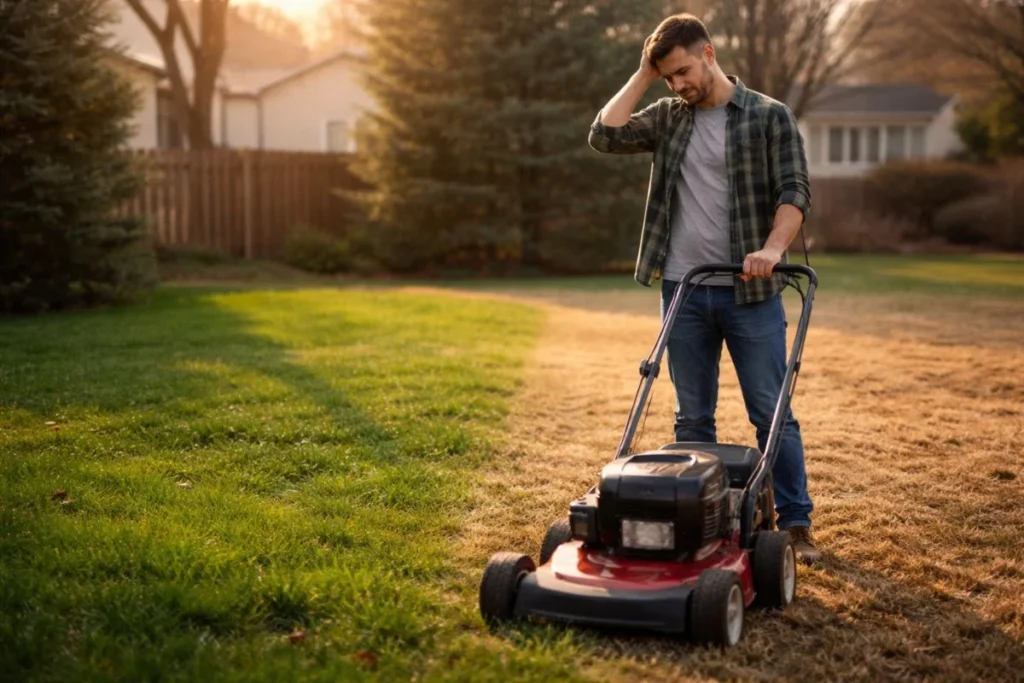
Every spring, homeowners across the country face the same confusion. One neighbor starts mowing early. Another waits weeks longer. You look at your own lawn and wonder if it is ready or if mowing now will cause damage. The grass may look partly green, partly brown. The weather feels warm during the day, but nights are still cold. This is where most mistakes happen. Starting too early can weaken roots. Waiting too long can stress the lawn by cutting off too much at once.
From years of observing seasonal lawn patterns and common spring mistakes, one thing is clear: mowing season start should never be based on the calendar alone. Soil temperature, grass type, frost risk, and steady growth matter more than the month. When you understand these signals, you remove the guesswork. This guide will help you read your lawn correctly so you can start mowing at the right time with confidence.
- When Does Mowing Season Start in the USA?
- Mowing Season Start by US Region
- Why Northern Homeowners Should Be Careful
- Why Southern Lawns Start Earlier
- What About Transition Zone Lawns?
- Understanding Lawn Growth Cycles
- Signs Your Lawn Is Ready for Mowing Season Start
- Grass Height: Follow the One-Third Rule
- Soil and Weather Conditions
- Preparing for the First Mow of the Season
- First Mow: Keep It Gentle
- Establishing a Spring Mowing Schedule
- When Does Mowing Season End?
- Common Mistakes at Mowing Season Start
- Should You Hire a Lawn Care Service at Mowing Season Start?
- Additional FAQs About Mowing Season Start
- Final Thoughts on Mowing Season Start
When Does Mowing Season Start in the USA?
In southern states, mowing season start can happen in early to mid March.
In northern states, it usually begins in April or early May.
But the real trigger is not the month. It is active grass growth.
If your lawn is still brown and flat, wait.
If it is green and growing taller every week, mowing season start has likely begun.
Mowing Season Start by US Region
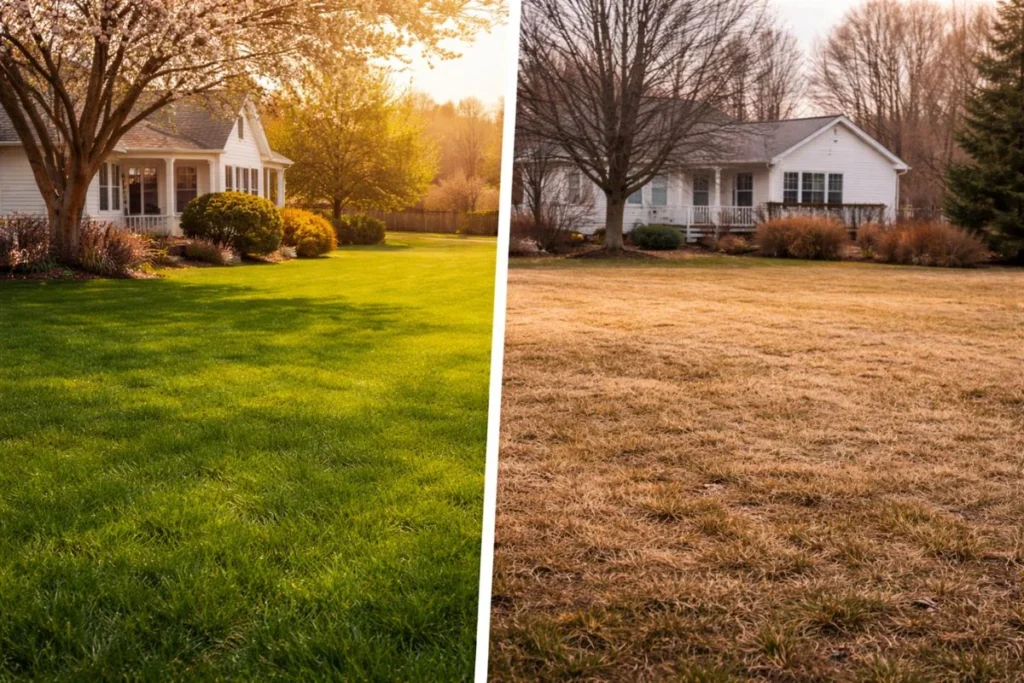
Use this general guide:
| Region | Typical Mowing Season Start |
|---|---|
| Southern States (FL, TX, GA) | Early to mid March |
| Transition Zone (TN, MO, VA, KY) | Late March to April |
| Midwest & Northeast (IL, OH, NY, MI) | April to early May |
| Northern States (MN, WI, ME) | Late April to May |
| Pacific Northwest (WA, OR) | March to April |
These are general ranges. Always confirm with soil temperature and grass growth.
Why Northern Homeowners Should Be Careful
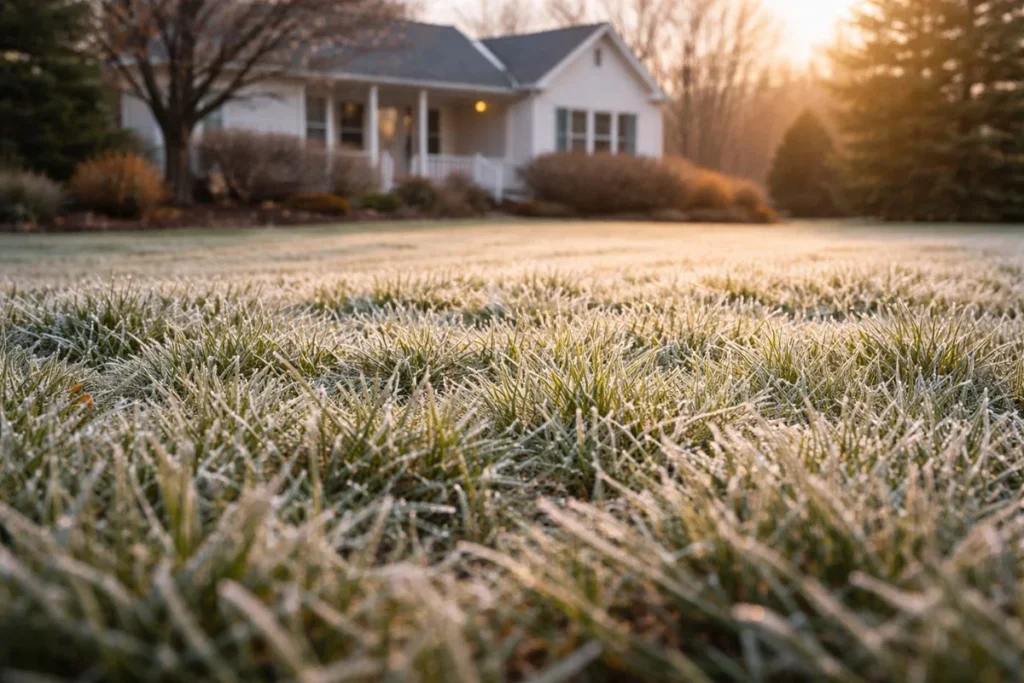
If you live in states with long winters, frost is your biggest concern.
Do not mow just because the snow is gone.
Wait until:
• Soil temperature reaches at least 50°F
• Frost risk is mostly gone
• Grass shows steady weekly growth
Mowing too early in cold climates can weaken roots and slow recovery.
Why Southern Lawns Start Earlier
Southern lawns usually grow warm-season grass like Bermuda or Zoysia.
These grasses begin growing when soil reaches 60 to 65°F.
In many southern states, this happens in March.
But watch out for false spring. A few warm days do not mean growth has fully started.
Make sure grass is growing evenly before your first cut.
What About Transition Zone Lawns?
States like Tennessee, Missouri, Virginia, and Kentucky often have mixed grass types.
Some lawns are cool-season. Some are warm-season.
Before mowing, confirm which grass type you have.
Cool-season grass grows earlier in spring.
Warm-season grass grows later.
If your neighbor is mowing and your lawn is still brown, your grass type may be different.
Understanding Lawn Growth Cycles
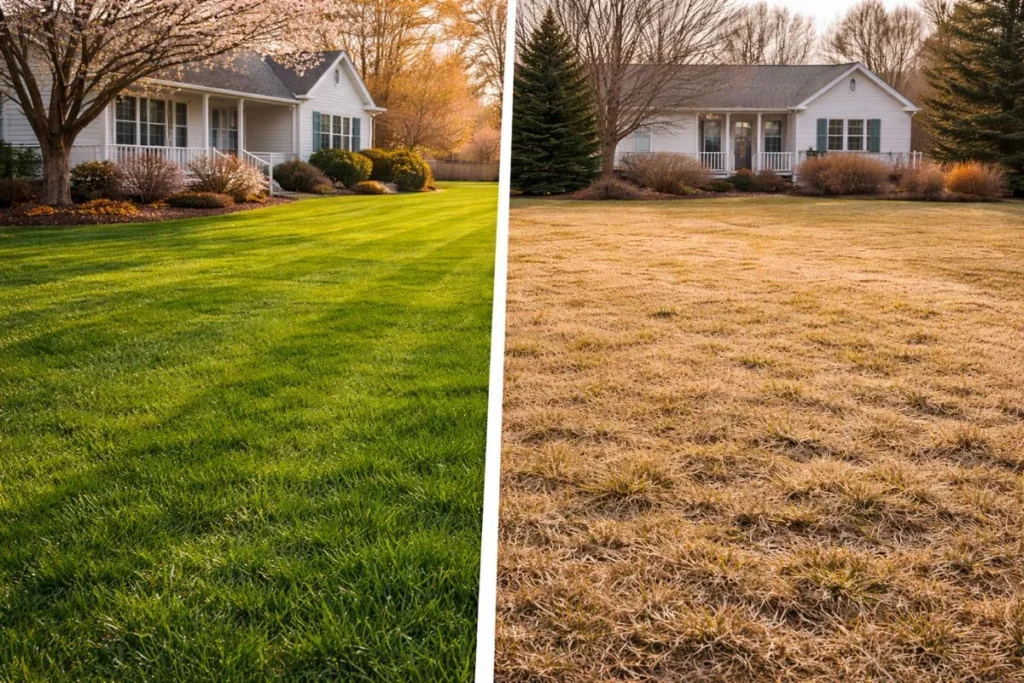
Grass goes dormant in winter. Roots wake up first as soil warms. Then blades begin growing.
There are two main types of grass.
Cool-Season Grass
Common in northern states.
Begins active growth at 50 to 55°F soil temperature.
Mowing season start is usually April or early May.
Warm-Season Grass
Common in southern states.
Begins active growth at 60 to 65°F soil temperature.
Mowing season start is often March.
Your grass type directly affects your mowing schedule.
Signs Your Lawn Is Ready for Mowing Season Start
Do not rely on the calendar. Look for these signs:
• Lawn is fully green
• Grass grows taller each week
• Grass height reaches 3 to 4 inches
• Soil temperature meets the correct range
• Ground is firm and dry
• Frost risk is low
If these signs are present, mowing season start has arrived.
Quick Mowing Season Start Checklist
Before you mow, confirm these conditions:
- Grass is 3–4 inches tall
- Lawn is fully green
- Soil temperature is at least 50°F (cool-season) or 60°F (warm-season)
- Soil is firm and not muddy
- Frost risk is mostly gone
If you meet at least 4 out of 5, your lawn is ready.
Grass Height: Follow the One-Third Rule
Wait until grass reaches 3 to 4 inches tall.
Remove no more than one third of the blade height at one time.
If grass is 3 inches tall, cut about 1 inch.
This protects roots and prevents stress.
If you want a complete breakdown with mowing height examples and step-by-step guidance, see our detailed guide on the 1/3 rule for mowing grass to apply this method correctly throughout the season.
Soil and Weather Conditions
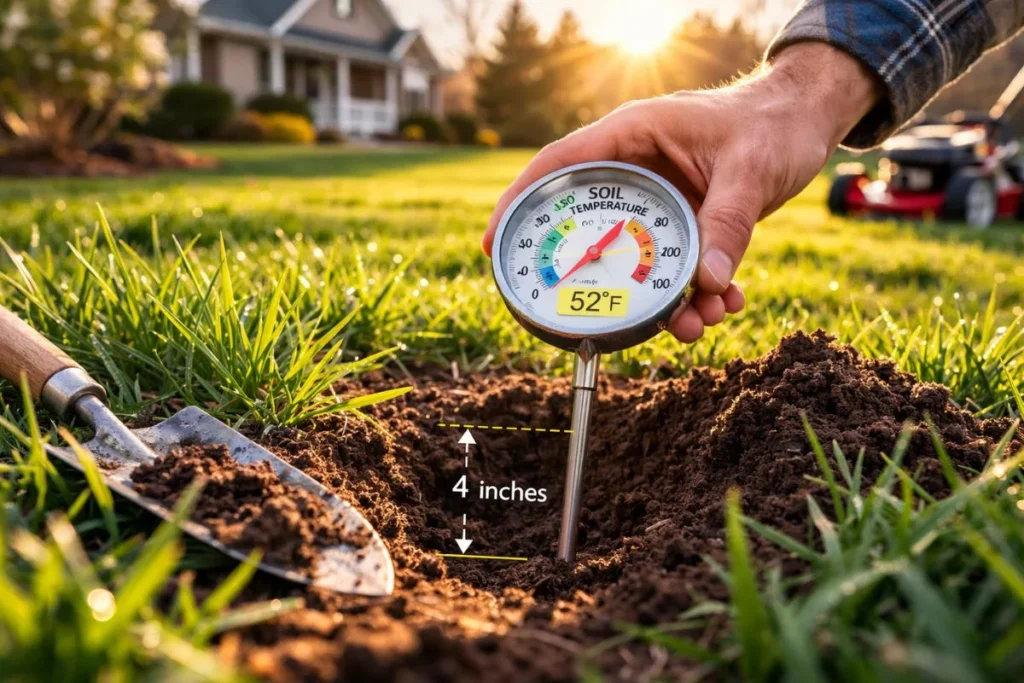
Measure soil temperature about 4 inches deep in the morning.
Do not mow when soil is muddy.
Do not mow wet grass.
Avoid mowing right after frost.
Warm air does not mean warm soil. Soil temperature is more important.
Soil Temperature Guide for Mowing Season Start
| Grass Type | Soil Temperature | Growth Status |
|---|---|---|
| Cool-Season Grass | Below 50°F | Dormant |
| Cool-Season Grass | 50–55°F | Active Growth Begins |
| Warm-Season Grass | Below 60°F | Dormant |
| Warm-Season Grass | 60–65°F | Active Growth Begins |
Preparing for the First Mow of the Season
Before mowing season start, take these steps.
Clean Up
Remove sticks and debris.
Lightly rake if needed.
Check Your Mower
Sharpen blades.
Check oil and fuel.
Inspect spark plug.
A clean cut helps grass recover faster.
First Mow: Keep It Gentle
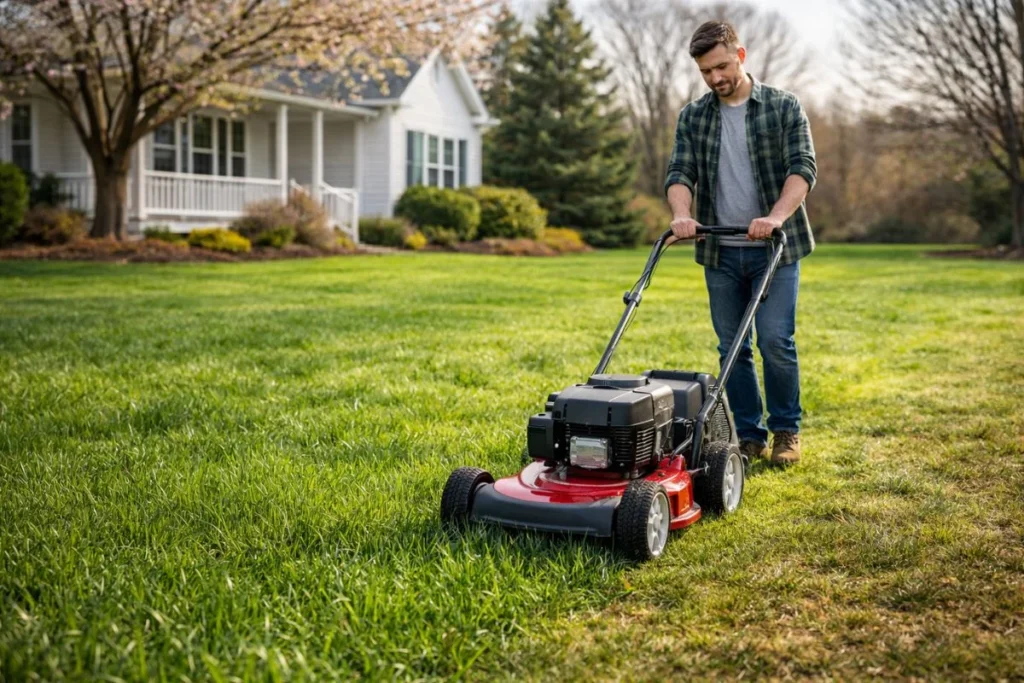
Set your mower slightly higher than normal for the first cut.
Do not scalp the lawn.
Light clippings can stay on the grass. Thick clumps should be removed.
After your first mow, you may wonder whether to remove or leave clippings behind. Read our guide on bag or mulch grass clippings to choose the right method based on lawn condition and seasonal growth.
Recommended First Mow Height Guide
| Grass Type | Recommended First Cut Height |
|---|---|
| Kentucky Bluegrass | 2.5–3 inches |
| Tall Fescue | 3–3.5 inches |
| Bermuda Grass | 1.5–2 inches |
| Zoysia Grass | 1.5–2.5 inches |
Establishing a Spring Mowing Schedule
Once mowing season start begins, follow this simple plan.
Early Spring
Mow every 7 to 10 days.
Late Spring
Mow every 5 to 7 days as growth increases.
Summer
Growth slows in heat. Raise mower height slightly.
Fall
Continue mowing until soil drops below 50°F.
Once active growth becomes steady, follow a proper weekly mowing routine to maintain healthy height and avoid removing too much at once.
When Does Mowing Season End?
For cool-season grass, mowing usually ends in late fall when soil drops below 50°F.
For warm-season grass, mowing ends when the lawn turns brown and growth stops.
The last mow can be slightly lower than normal, but never scalp.
Common Mistakes at Mowing Season Start
Avoid these common problems.
Mowing Too Early
Grass is weak after winter. Early mowing adds stress.
Cutting Too Short
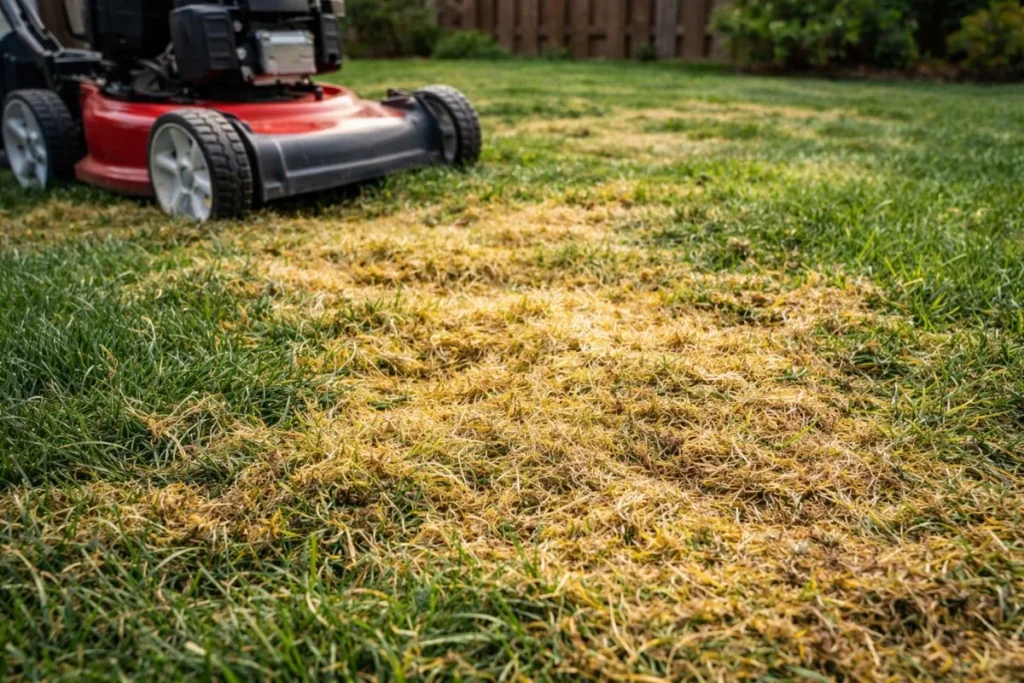
Scalping damages grass and exposes soil.
Using Dull Blades
Torn grass tips turn brown.
Mowing Wet Grass
Wet mowing causes clumps and disease risk.
If recent rain has left your lawn soft or damp, read our guide on when can you mow after rain to avoid soil damage and uneven cutting during early season mowing.
Ignoring Grass Type
Cool-season and warm-season lawns do not start at the same time.
Should You Hire a Lawn Care Service at Mowing Season Start?
Some homeowners prefer to hire lawn care companies.
Most lawn services begin when grass shows steady growth in your region.
If a company starts mowing before your lawn is growing, ask why.
Good lawn services base their schedule on soil temperature and grass growth, not just the calendar.
Additional FAQs About Mowing Season Start
What month does mowing season start?
It ranges from March in southern states to May in northern states.
Can I mow if frost is still possible?
Wait until frost risk has mostly passed.
Should I fertilize before or after the first mow?
Apply light fertilizer once grass is actively growing. Follow local guidance.
How do I know which grass type I have?
Check your region and observe growth timing. Cool-season grass greens earlier. Warm-season grass stays brown longer.
What happens if I start mowing too early?
Early mowing can weaken roots and slow spring growth.
Pro Tip: If you are unsure whether to mow, wait 3 to 4 more days and observe growth. If your grass grows at least half an inch within one week, it is actively growing and ready for mowing season start.
Final Thoughts on Mowing Season Start
Mowing season start is not about copying your neighbor or following a date on the calendar. It is about watching your lawn and responding to real growth signals. Lawns that are mowed too early often struggle through spring, while lawns that start at the right time grow thicker and stronger. By checking soil temperature, confirming your grass type, and following the one-third rule, you protect your roots and set up healthier growth for the entire season. A careful start may feel slower, but it leads to better results all year long.