 Skip to content
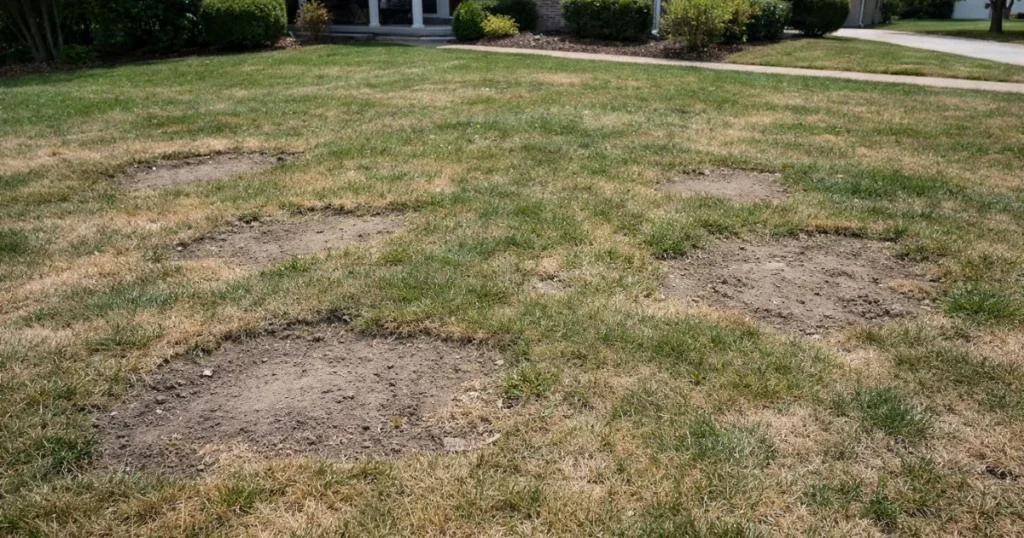
I have seen many lawns fail even when homeowners do everything right. They water on time, mow often, and fertilize as advised. Still, the lawn turns thin. Bare spots appear. Weeds move in. After summer, the grass looks tired and weak. This is usually the point where people start searching for answers and wonder if anything short of sod can help.
I faced the same problem with my own lawn. It was not dead, but it was clearly losing strength. Replacing it felt costly and unnecessary. That is when I tried overseeding. Within a few weeks, new grass started to fill the thin areas. Over time, the lawn became thicker and more even. That experience is why many people look for the benefits of overseeding before taking the next step.
- What Overseeding Does to a Lawn
- Is Overseeding Worth It?
- Thick, Uniform, Good-Looking Grass
- Less Weeds With Less Effort
- Better Recovery From Lawn Damage
- Improved Pest and Disease Resistance
- Improved Drought Tolerance
- Stronger Lawn for Foot Traffic
- Reduced Soil Erosion
- Overseeding Helps Reduce Runoff and Water Pollution
- Better Drainage and Soil Health
- Longer Green Lawn Season
- Lower Lawn Care Costs Over Time
- What Lawns Benefit the Most From Overseeding
- Best Time to Overseed a Lawn
- Overseeding After Aeration Improves Results
- Mistakes That Reduce the Benefits of Overseeding
- When Overseeding May Not Help
- How Long Before You See Results?
- Common Questions About the Benefits of Overseeding
- Benefits of Overseeding for Cool-Season Lawns
- Benefits of Overseeding for Warm-Season Lawns
- How Much Grass Seed Is Usually Needed
- When Overseeding Results May Fall Short
- Final Thoughts on the Benefits of Overseeding
Key Takeaways
- Overseeding helps fix thin and patchy lawns.
- It costs less than replacing a lawn with sod.
- Thicker grass leaves less room for weeds.
- Overseeding improves lawn strength over time.
- Fall is the best time for most lawns.
What Overseeding Does to a Lawn
Overseeding adds new grass plants to old turf.
These new plants grow between existing grass.
They fill empty spaces.
They support weak areas.
As grass grows closer together, the lawn becomes thicker and stronger.
Is Overseeding Worth It?
Overseeding is worth it when a lawn is thin, patchy, or worn down.
It costs less than sod.
It fixes problems instead of covering them.
Homeowners use overseeding to improve lawns without starting over.
If your lawn still has grass but looks weak, overseeding makes sense.
Once you decide overseeding makes sense, this overseeding lawn guide explains the exact timing, steps, and aftercare needed for success.
Thick, Uniform, Good-Looking Grass
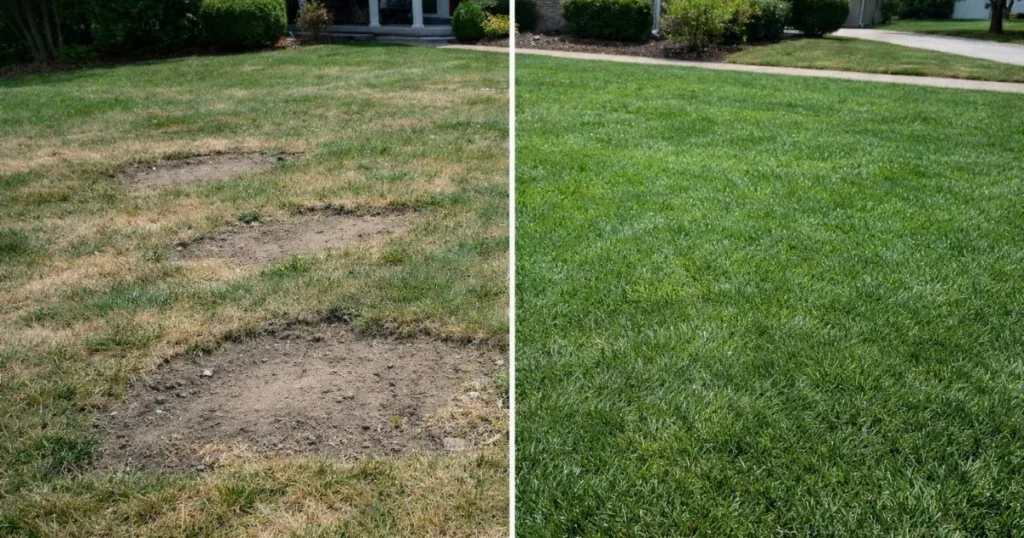
One clear benefit of overseeding is thicker grass.
Thin lawns show soil.
Thick lawns do not.
New grass fills gaps and blends with old grass.
This creates a full and even look across the lawn.
Less Weeds With Less Effort
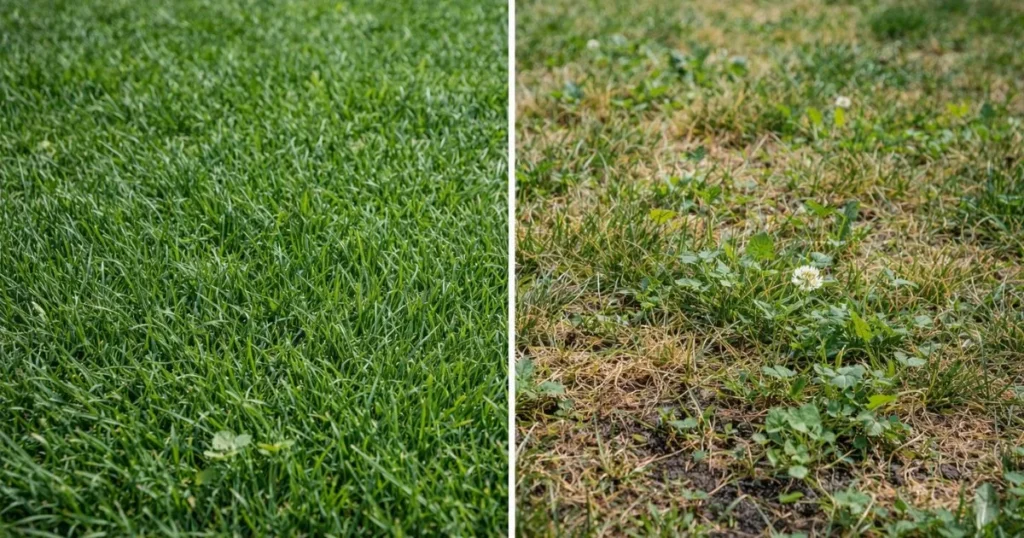
Weeds need open space to grow.
Thin lawns give them that space.
Overseeding reduces open areas.
As grass thickens, weeds struggle to spread.
This lowers the need for herbicides and extra work.
Better Recovery From Lawn Damage
Lawns face stress every year.
Heat, pests, disease, and foot traffic weaken grass.
Overseeding adds fresh plants.
These plants help the lawn recover faster after damage.
This is helpful after summer stress or heavy use.
Improved Pest and Disease Resistance
Thin lawns invite problems.
Pests spread faster in weak grass.
Disease moves easily through open areas.
Overseeding increases grass density.
Dense turf limits space for pests to live and spread.
This helps prevent damage before it starts.
Improved Drought Tolerance
New grass grows new roots.
More roots help soil hold moisture.
Overseeded lawns stay green longer during dry periods.
They also recover faster once rain returns.
Stronger Lawn for Foot Traffic
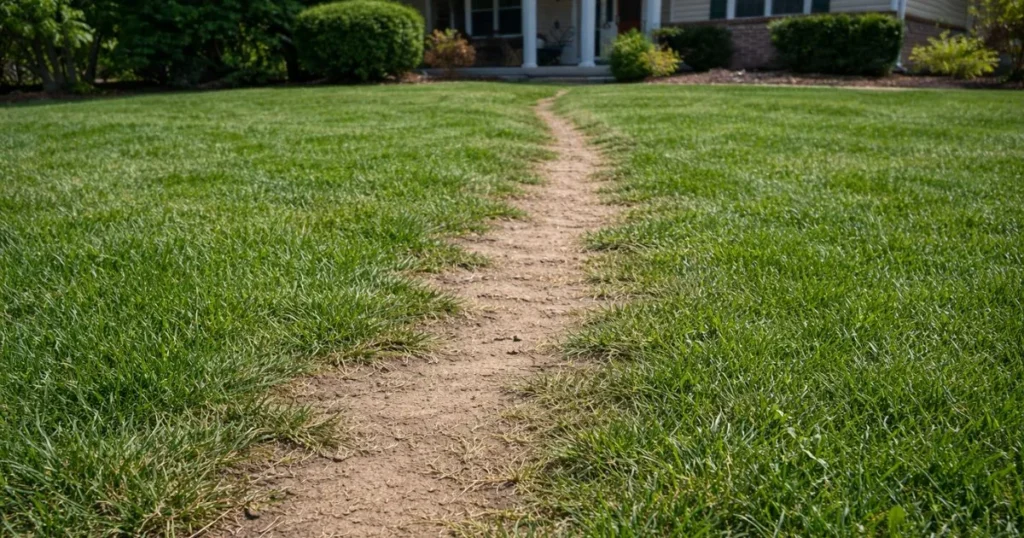
Foot traffic wears grass down.
Paths form where people walk often.
Overseeding strengthens these weak areas.
More grass plants provide better support under pressure.
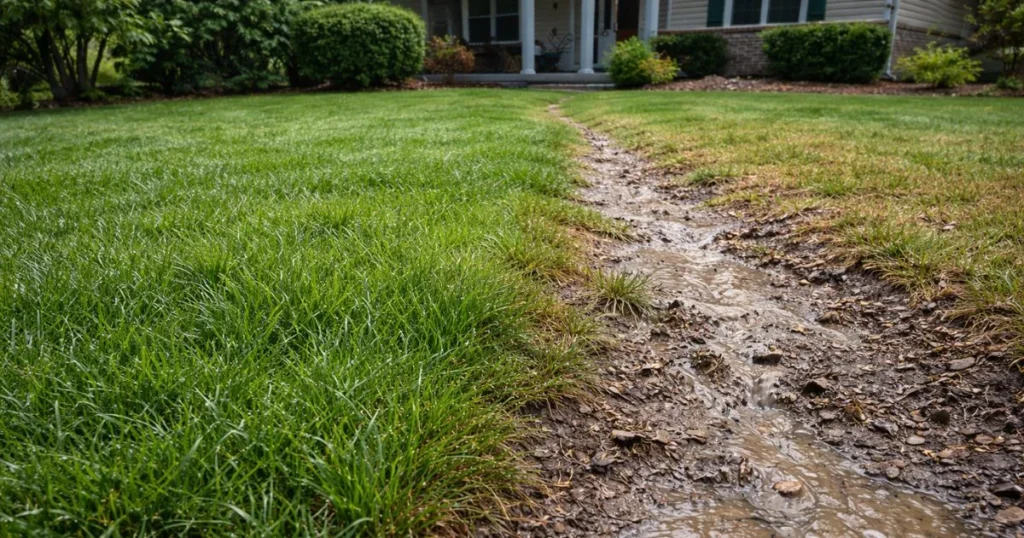
Reduced Soil Erosion
Bare soil washes away easily.
Rain and watering move loose soil.
Overseeding covers exposed ground.
Roots hold soil in place.
This reduces erosion and surface runoff.
Overseeding Helps Reduce Runoff and Water Pollution
Runoff often carries fertilizer and soil away.
This can enter drains and nearby water areas.
Overseeding slows water movement.
Grass absorbs water and nutrients.
This keeps nutrients in the soil where grass needs them.
Better Drainage and Soil Health
Grass roots improve soil structure.
They create small spaces for air and water.
Water drains more evenly.
Nutrients reach roots more easily.
This supports long-term soil health.
Longer Green Lawn Season
Older grass slows down over time.
New grass stays active longer.
Overseeding helps lawns stay green earlier in spring and later in fall.
Lower Lawn Care Costs Over Time
Overseeding costs less than replacing a lawn with sod.
It also reduces future repair work.
A thick lawn needs fewer fixes.
This lowers long-term lawn care costs.
Overseeding vs Sod
| Factor | Overseeding | Sod |
|---|---|---|
| Cost | Lower | Higher |
| Time to See Results | A few weeks | Instant |
| Best For | Thin or weak lawns | Dead or missing lawns |
| Effort Level | Moderate | Low after install |
What Lawns Benefit the Most From Overseeding
Overseeding works best for lawns with:
- Thin grass
- Bare patches
- Weed pressure
- Heavy foot traffic
- Summer heat damage
If soil is visible, overseeding can help.
Is Overseeding Right for You?
- Your lawn is thin but still alive.
- You can see soil between grass blades.
- Weeds spread easily in open areas.
- You want to avoid replacing the lawn.
- You are willing to water after seeding.
Best Time to Overseed a Lawn
Most lawns respond best in fall.
Soil stays warm.
Weeds grow slower.
Spring overseeding can work too, but it needs careful watering.
Timing affects results.
Overseeding After Aeration Improves Results
Aeration creates small holes in the soil.
These holes allow air, water, and seed to reach deeper.
Overseeding after aeration improves seed contact with soil.
This leads to more even germination.
Many lawns see better results when both steps are done together.
Mistakes That Reduce the Benefits of Overseeding
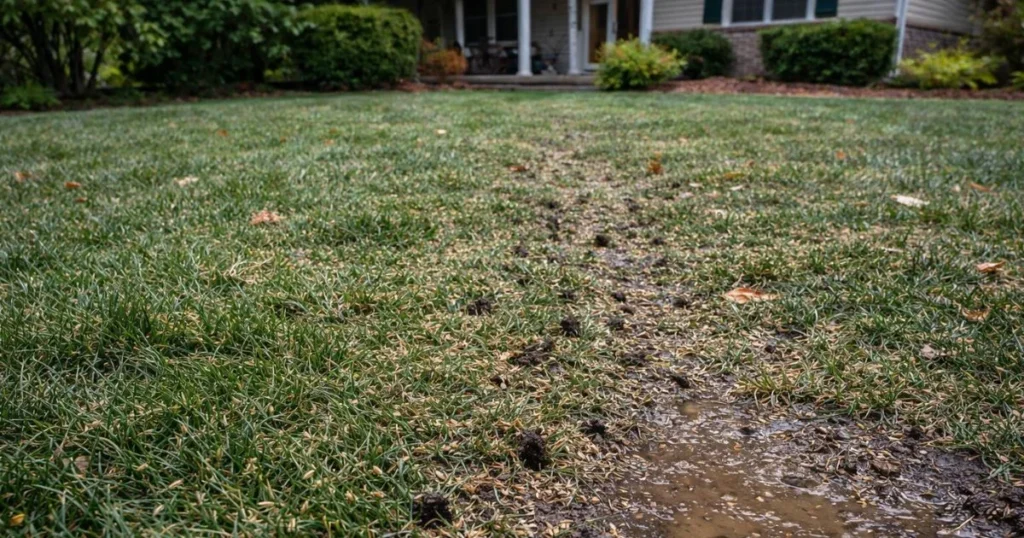
Some mistakes limit success:
- Skipping mowing before seeding
- Poor watering after seeding
- Using the wrong grass seed
These mistakes cancel results and waste effort.
When Overseeding May Not Help
Overseeding does not fix every problem.
It may not work well if:
- Soil is badly compacted
- Grass type does not match the climate
- Watering is inconsistent
In these cases, soil improvement may be needed first.
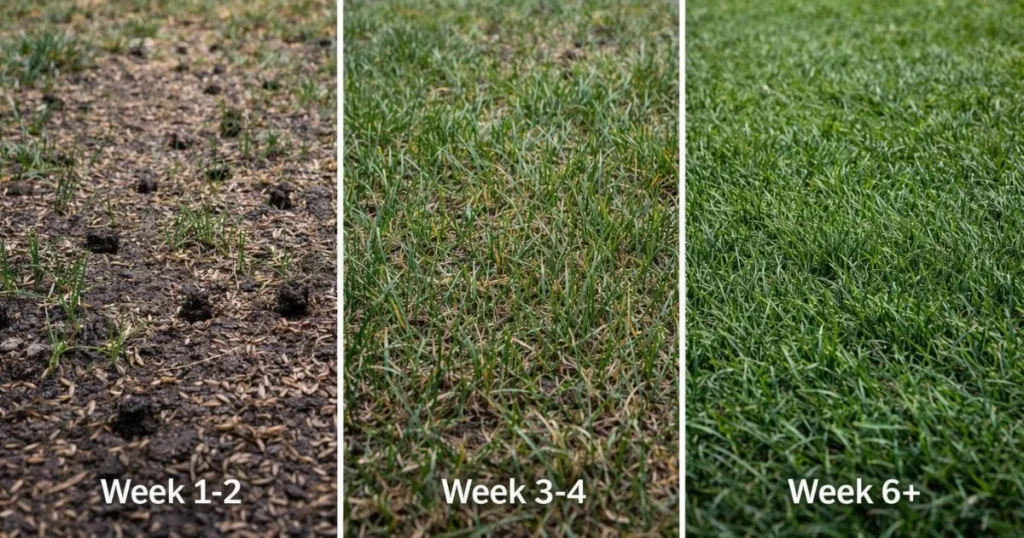
How Long Before You See Results?
New grass often appears within a few weeks.
Full thickness takes more time.
Results improve as roots develop and grass fills in.
Patience matters.
What to Expect After Overseeding
- Week 1–2: Seeds begin to sprout.
- Week 3–4: Thin new grass becomes visible.
- Week 6 and beyond: Lawn looks thicker and more even.
Common Questions About the Benefits of Overseeding
Does overseeding work on very thin lawns?
Yes. Thin lawns often benefit the most.
Is overseeding better than sod?
Overseeding costs less and works well for repair.
Sod gives instant results but costs more.
Do I need to overseed every year?
Many lawns benefit from overseeding once a year.
Benefits of Overseeding for Cool-Season Lawns
Cool-season grasses respond well to overseeding, especially in fall.
Warm soil helps seeds sprout faster.
Cool air supports steady growth.
This leads to thicker grass and fewer bare areas before winter.
Benefits of Overseeding for Warm-Season Lawns
Warm-season lawns benefit from overseeding during active growth periods.
New seed fills thin areas and improves coverage.
This helps lawns recover faster after heavy use and heat stress.
How Much Grass Seed Is Usually Needed
| Lawn Type | Typical Seed Amount (per 1,000 sq ft) |
|---|---|
| Cool-season mix | 4–6 lbs |
| Bluegrass | 2–3 lbs |
| Warm-season mix | 1–2 lbs |
Using the right amount helps avoid thin growth or wasted seed.
When Overseeding Results May Fall Short
Overseeding may fail if:
- Seeds do not touch the soil
- Watering stops too early
- Soil problems are ignored
Fixing these issues improves success.
Final Thoughts on the Benefits of Overseeding
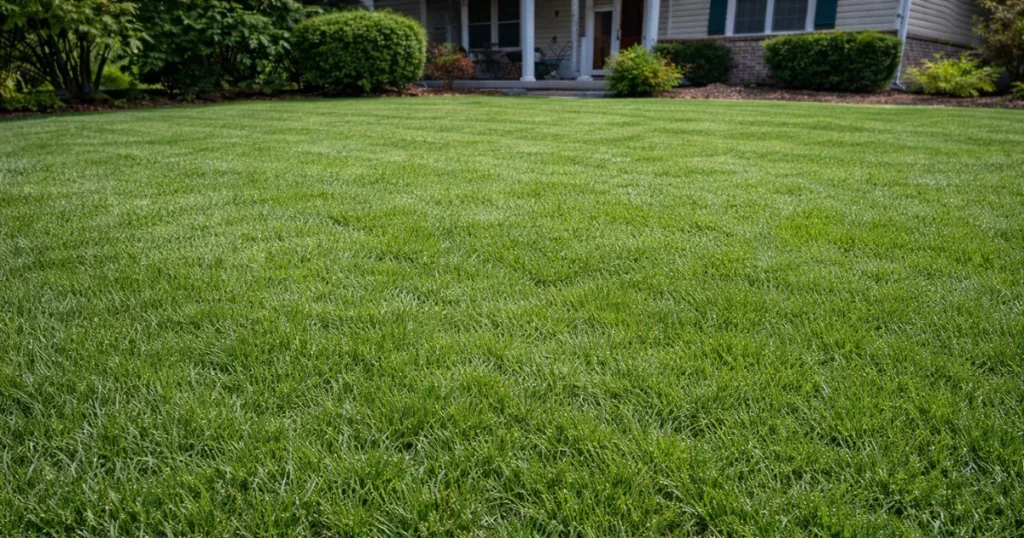
After years of working with lawns and testing different fixes, one thing stands out. Overseeding works when a lawn still has grass but lacks density. I have seen thin lawns recover without full replacement. I have watched bare spots fill in and weed pressure drop with proper overseeding done at the right time.
Overseeding is not a quick patch. It is a practical repair method that strengthens grass from the soil up. When done correctly, it saves money and prevents larger problems later. From experience, lawns that are overseeded regularly stay healthier and easier to manage than lawns that are ignored.