 Skip to content
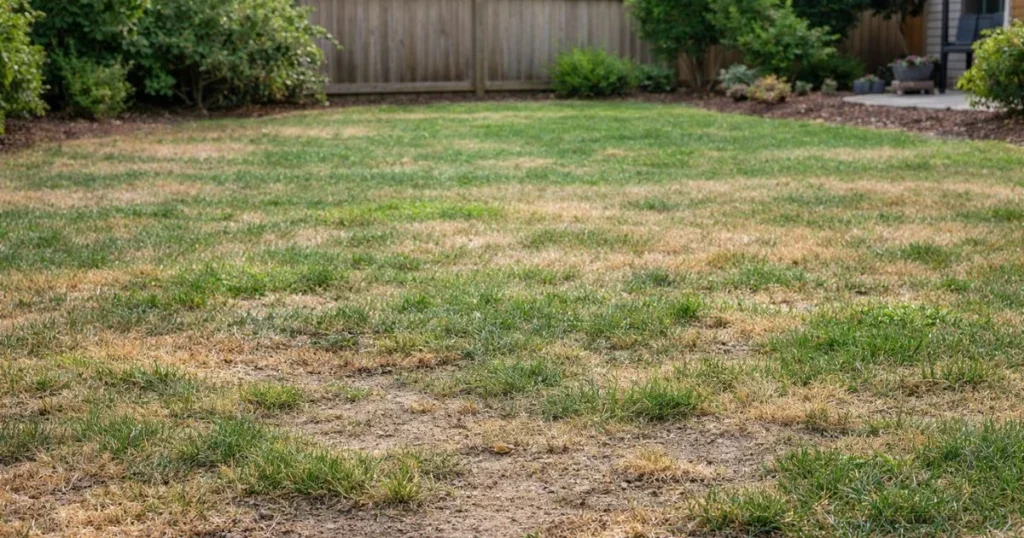
Many lawns look fine in spring, but summer tells the truth. Heat stays longer, rain becomes uneven, and grass starts to thin. Bare spots appear. Weeds move in. Walking across the lawn, you can feel it give way under your feet. Many homeowners respond by watering more or fertilizing again, yet the lawn still looks weak. That frustration is common, and it usually means the grass needs help at the right time, not more of the same care.
I have worked with lawns that looked green from a distance but showed exposed soil up close. Once summer stress sets in, grass cannot repair itself on its own. That is where fall overseeding makes a real difference. It does not replace the lawn. It strengthens it. New seed fills gaps, builds roots before winter, and prepares the lawn for thicker growth in spring. This guide explains how to overseed a lawn in fall using steps that work in real yards.
- What Is Fall Overseeding?
- Why Overseed a Lawn in Fall?
- When to Overseed a Lawn in Fall
- Fall Overseeding Based on Grass Type
- Choose the Right Grass Seed
- Prepare the Lawn Before Overseeding
- Do You Need to Aerate Before Overseeding?
- How Much Seed to Use for Fall Overseeding
- How to Overseed a Lawn in Fall
- Water After Fall Overseeding
- Fertilizing After Overseeding
- When to Mow New Grass
- How Late Can You Overseed in Fall?
- Common Fall Overseeding Mistakes
- What to Expect After Fall Overseeding
- Frequently Asked Questions About Fall Overseeding
- Final Thoughts
Fall Overseeding Quick Takeaways
- Fall works best for cool-season lawns
- Overseed 6–8 weeks before first frost
- Grass seed must touch soil
- Light, frequent watering matters early
- Full results show in spring
What Is Fall Overseeding?
Fall overseeding means spreading new grass seed over an existing lawn during autumn.
You do not remove the lawn.
You strengthen it.
If you need the full picture, including when to overseed, seed rates, and long-term care, this overseeding lawn guide covers everything from start to finish.
New seed grows between thin spots. Over time, the lawn becomes fuller and more even.
Why Overseed a Lawn in Fall?
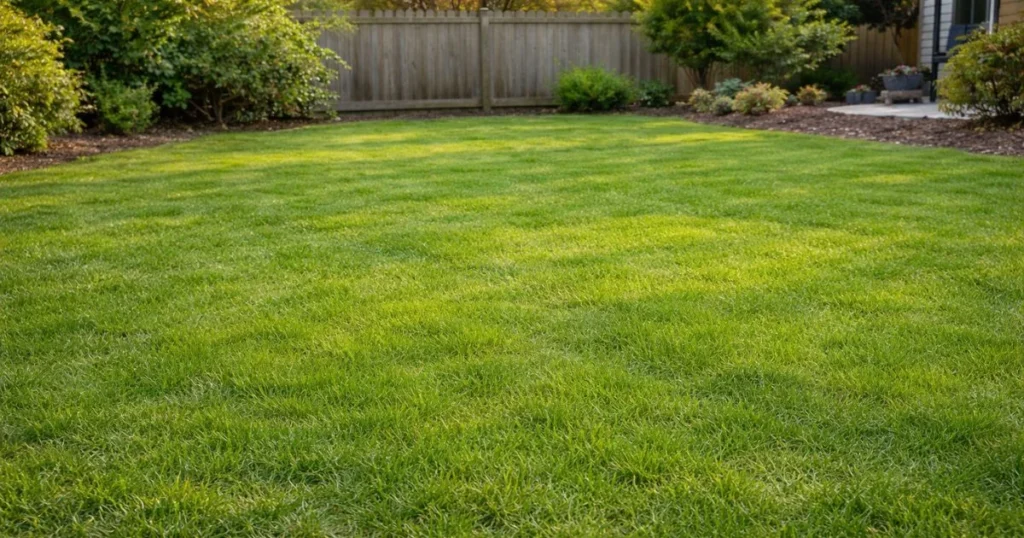
Fall gives grass what it needs to recover.
- Soil stays warm
- Air turns cooler
- Weeds slow down
- Moisture stays in the ground longer
Grass can grow roots without fighting heat stress.
This is why fall overseeding works better than spring for most lawns.
When to Overseed a Lawn in Fall
| Lawn Type / Region | Best Fall Window | Notes |
|---|---|---|
| Cool-season grass | Early to mid fall | Best overseeding results |
| Warm-season grass | Not recommended | Growth slows in fall |
| Northern regions | Late Aug – Sept | Earlier frost risk |
| Southern regions | Sept – Oct | Longer fall season |
Timing is one of the biggest concerns for homeowners.
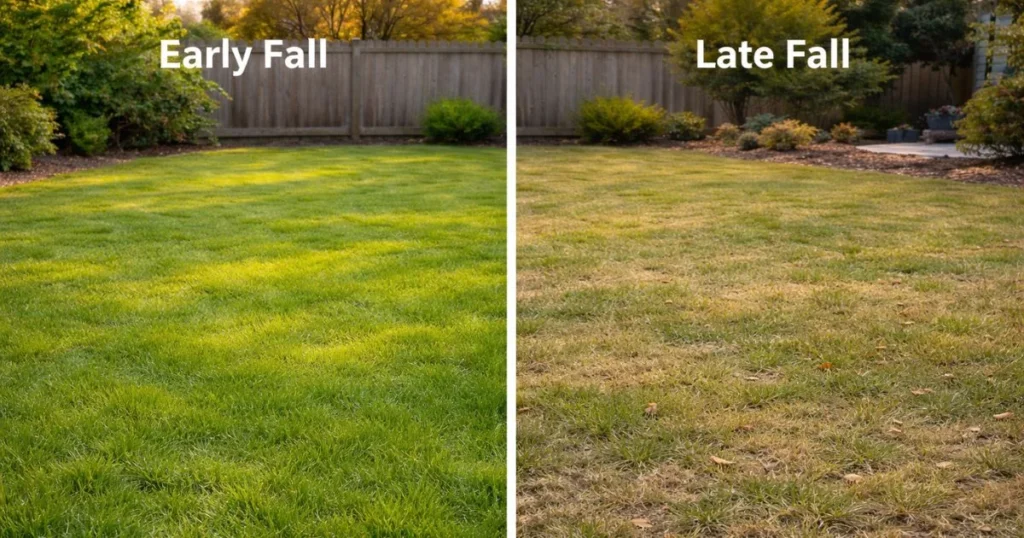
The safest window is 6 to 8 weeks before the first frost.
During this period:
- Seeds sprout faster
- Roots have time to grow
- Grass survives winter better
Most cool-season grass seed germinates best when soil is still warm, even as air temperatures cool in early fall.
If you seed too early, heat can dry the seed.
If you seed too late, roots may not form.
When unsure, earlier fall is safer than late fall.
Fall Overseeding Based on Grass Type
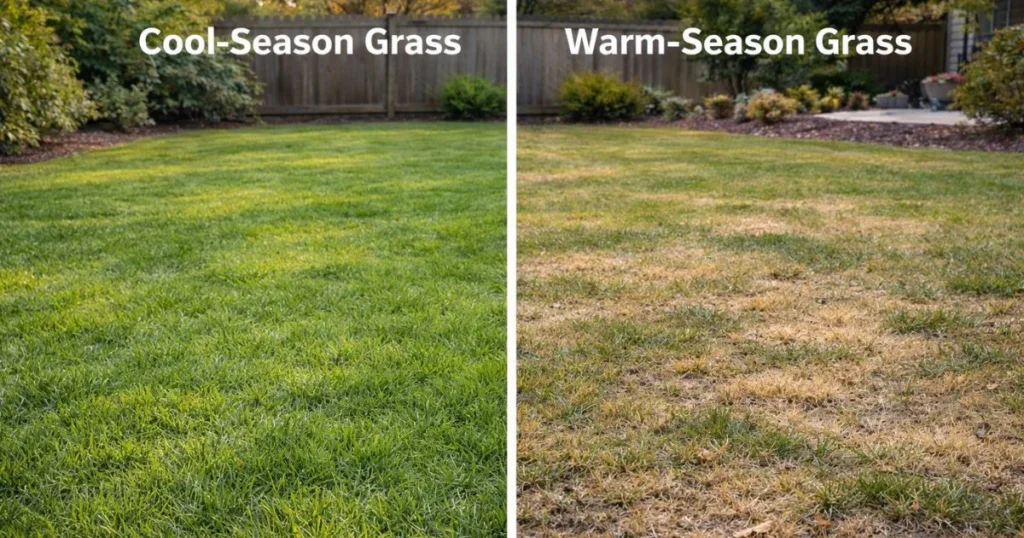
This step removes a lot of confusion.
Cool-Season Lawns
Fall overseeding works best for cool-season grass.
These lawns grow during cooler weather:
- Kentucky bluegrass
- Perennial ryegrass
- Fine fescue
- Tall fescue
Fall gives these grasses time to build roots before winter.
Warm-Season Lawns
Warm-season grass grows during heat.
For these lawns:
- Fall overseeding does not improve thickness long term
- Growth slows once cold weather arrives
If your lawn stays green through summer and browns quickly in fall, fall overseeding is usually not the right long-term fix.
Some homeowners overseed warm-season lawns only for short-term green color. That grass fades in spring.
Choose the Right Grass Seed
Seed choice affects results.
Before buying seed:
- Match it to your current grass
- Choose seed made for your region
- Avoid blends with filler seed
Good seed grows evenly and blends better with your lawn.
Prepare the Lawn Before Overseeding
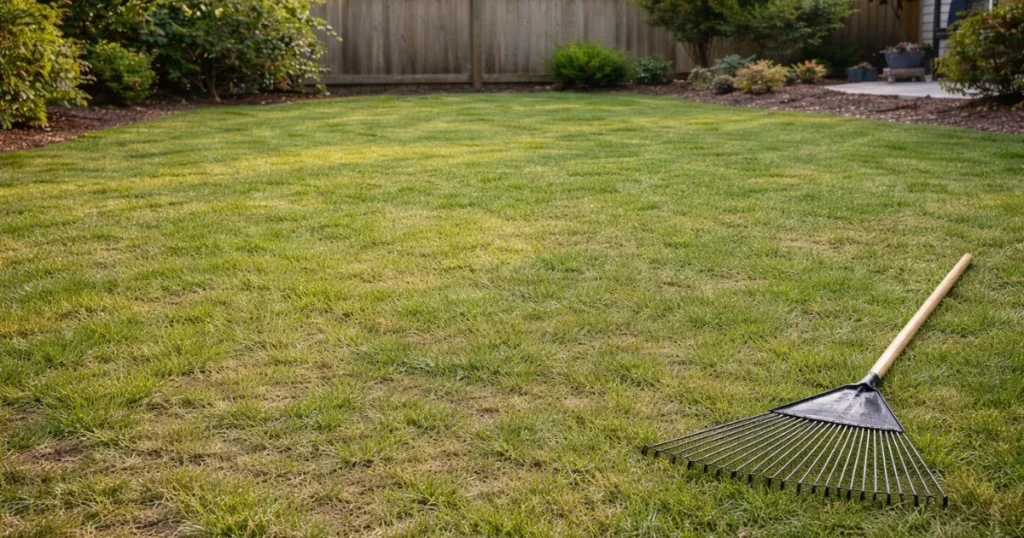
Preparation decides success.
Mow the Lawn Short
Cut the lawn lower than usual.
Bag the clippings.
This lets sunlight reach the soil.
Loosen the Soil
Rake thin and bare areas.
Remove debris.
Seed must touch soil to grow.
Do You Need to Aerate Before Overseeding?
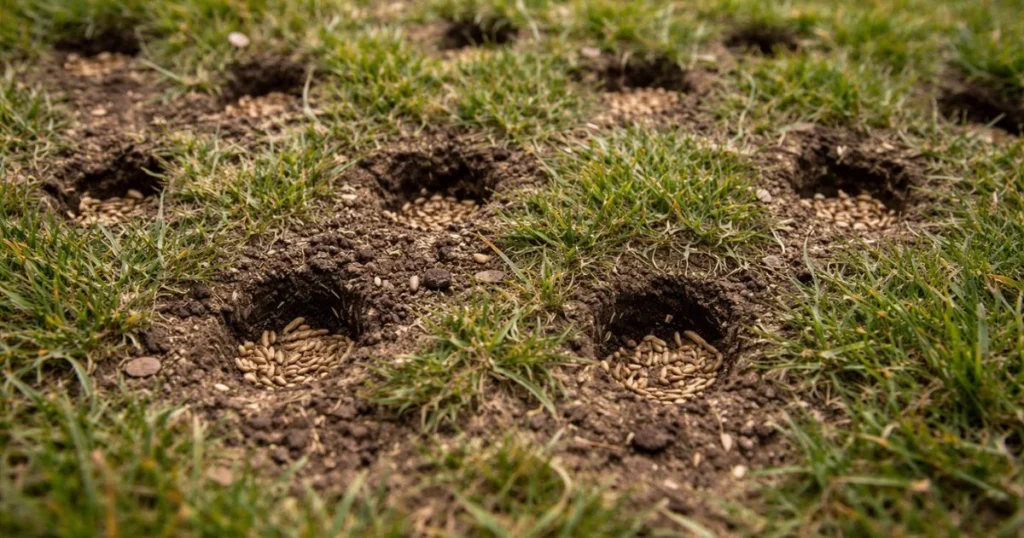
Many homeowners are unsure about this.
Aeration helps if:
- Soil feels hard
- Water runs off instead of soaking in
- Grass roots stay shallow
Aeration is not needed if:
- Soil absorbs water well
- The lawn drains properly
If aeration is done, overseed right after. Seeds settle into holes and contact soil better.
How Much Seed to Use for Fall Overseeding
Overseeding uses less seed than a new lawn.
Using too much seed causes:
- Weak growth
- Poor root development
- Thin blades that fall over
As a general rule, overseeding uses about half the amount of seed recommended for starting a new lawn.
General rule:
- Use about half the seed rate listed for new lawns
Thin areas may need extra seed.
Avoid heavy piles.
Even coverage matters more than heavy coverage.
How to Overseed a Lawn in Fall
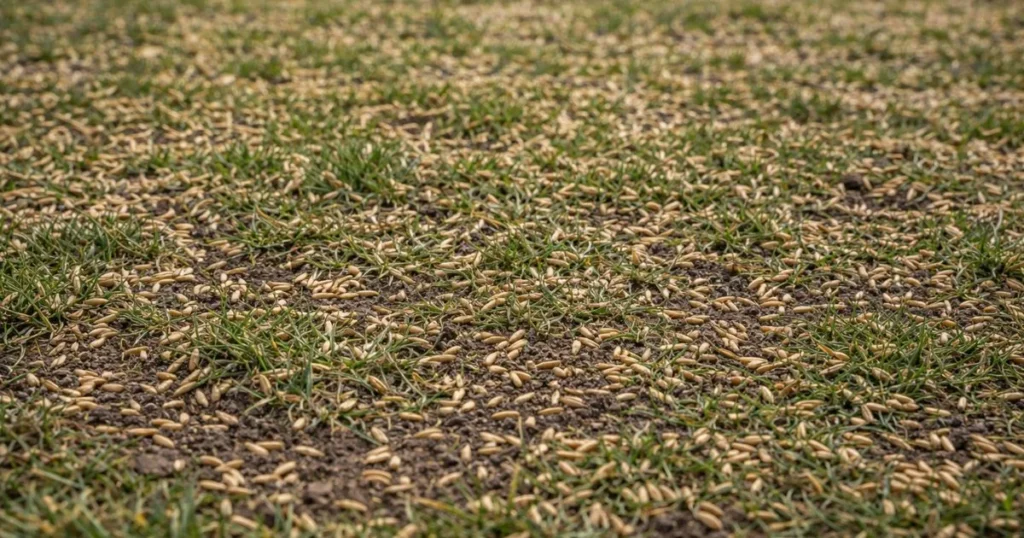
Now it is time to seed.
Spread the Seed
Use a spreader for even coverage.
Walk one direction.
Then cross the lawn again.
Focus on thin areas.
Press Seed Into Soil
Lightly rake or walk over the lawn.
This improves seed-to-soil contact.
Fall Overseeding Prep Checklist
- Mow the lawn short
- Bag grass clippings
- Rake thin and bare spots
- Loosen soil surface
- Choose matching grass seed
- Check weather for heavy rain
Water After Fall Overseeding
| Stage | Watering Frequency | Goal |
|---|---|---|
| Days 1–10 | 2–3 times daily | Keep soil moist |
| After sprouts | Once daily | Support root growth |
| Established grass | Normal schedule | Maintain lawn health |
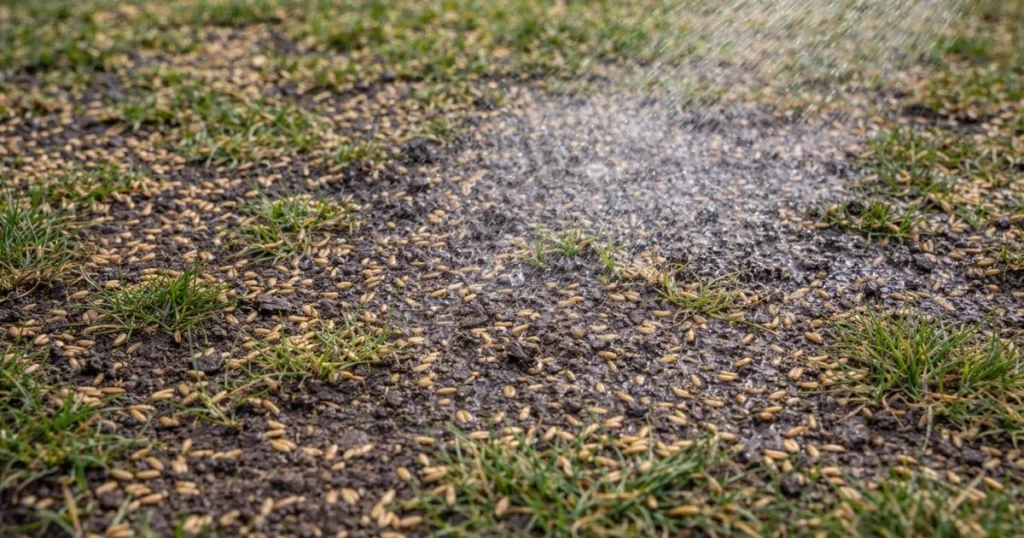
Watering keeps seeds alive.
First 10 Days
Keep soil moist.
Water lightly 2 to 3 times a day.
Do not flood the lawn.
After Sprouts Appear
Water less often.
Water deeper.
This helps roots grow down.
Seed washing away usually means water pressure is too strong. Reduce it.
Dry seed on the surface means watering is too light. Increase frequency.
No sprouts after two weeks often means soil is too cold or too dry.
Fertilizing After Overseeding
New grass needs nutrients.
Use a starter fertilizer made for seeding.
Apply it after seeding or within a few days.
Avoid weed-and-feed products.
They can stop new grass from growing.
When to Mow New Grass
Wait until grass reaches about 3 inches.
Use a sharp blade.
Cut only the top third.
Mowing too early stresses new grass.
How Late Can You Overseed in Fall?
This is a common worry.
Overseeding should finish at least 6 weeks before the first hard frost.
If seeded too late:
- Seeds may sprout but fail
- Young grass may not survive winter
Late seeding works only in mild regions.
When unsure, seed earlier.
Common Fall Overseeding Mistakes
Avoid these errors:
- Skipping soil contact
- Watering too little
- Seeding too late
- Using weed killer after seeding
- Walking on new grass
Small mistakes lead to poor results.
What to Expect After Fall Overseeding
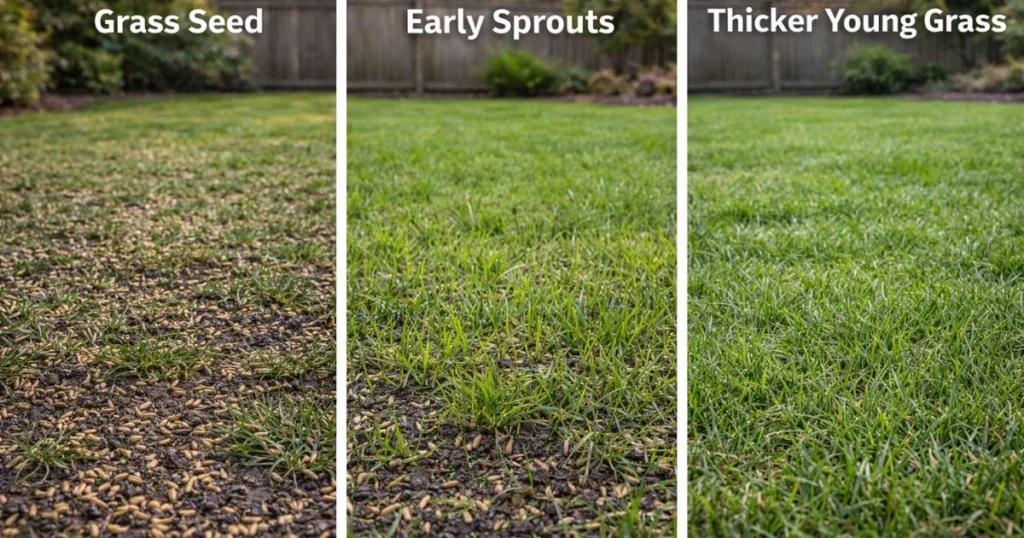
Seeds usually sprout in 7 to 14 days.
Growth may slow as temperatures drop.
This is normal.
Roots continue growing under the soil.
In spring, the lawn fills in thicker and stronger.
Frequently Asked Questions About Fall Overseeding
Should you aerate before overseeding?
Only if soil is compacted.
Can you overseed right before winter?
No. Seeds need time to root.
When can you walk on the lawn again?
After grass reaches mowing height.
Will fall overseeding fix bare spots?
Yes, if seed touches soil and stays moist.
Does fall overseeding replace fertilizing?
No. Light feeding still helps growth.
Final Thoughts
Fall overseeding works when it is done with care and timing. I have seen lawns recover from heavy summer stress by following simple steps like proper soil contact, steady watering, and early fall timing. Even when top growth slows, roots keep developing below the surface, which is why overseeded lawns often look fuller in spring. If your lawn thinned after summer, fall gives you a clear window to fix it the right way and set up healthier growth for the next season.
Key Fall Overseeding Takeaways
- Fall overseeding repairs summer damage
- Early timing gives the best results
- Soil contact decides success
- Watering controls germination
- Spring growth is the reward