
- Why Fusarium Wilt Is So Difficult for Gardeners to Control
- What Is Trichoderma harzianum and Why Gardeners Use It
- Step-by-Step Soil and Root Treatment Guide for Gardeners
- Best Practices for Tomato Fusarium Wilt Prevention
- How Fast Can Gardeners Expect Results?
- A Natural Path to Healthier Tomato Roots
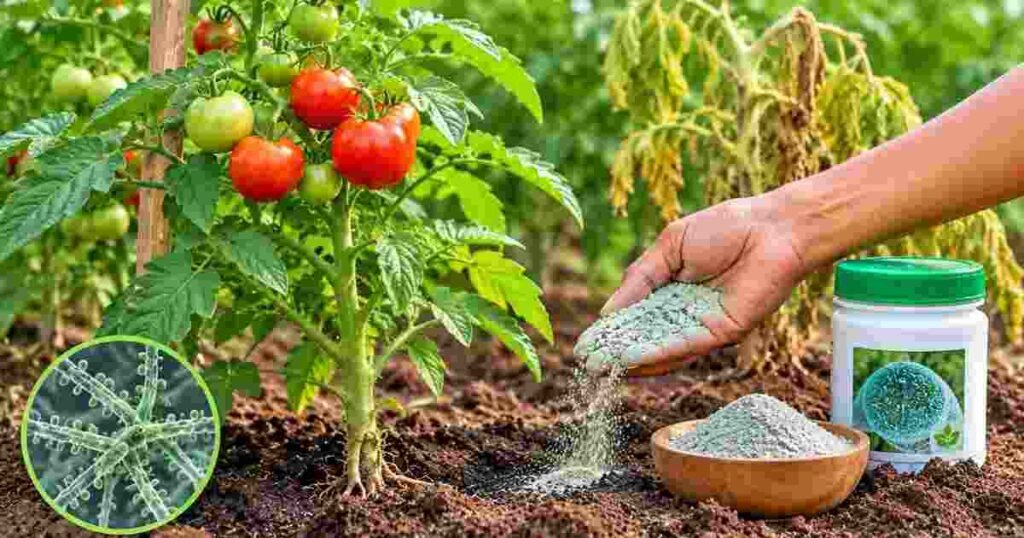
Tomato growers face one stubborn enemy year after year: Fusarium wilt, a persistent and destructive soil-borne disease that can wipe out plants before they even start producing. The symptoms often appear gradually, making the problem even more frustrating for gardeners. Thankfully, there is now a reliable natural tool to help protect tomato roots and improve soil health: Trichoderma harzianum. When used correctly, it creates a protective environment around the roots and helps prevent tomato Fusarium wilt without relying on harsh chemicals.
Thank you for reading this post, don't forget to subscribe!- Why Fusarium Wilt Is So Difficult for Gardeners to Control
- What Is Trichoderma harzianum and Why Gardeners Use It
- Step-by-Step Soil and Root Treatment Guide for Gardeners
- Best Practices for Tomato Fusarium Wilt Prevention
- How Fast Can Gardeners Expect Results?
- A Natural Path to Healthier Tomato Roots
Why Fusarium Wilt Is So Difficult for Gardeners to Control
Fusarium wilt is challenging because the fungus responsible lives deep in the soil and can survive there for many years. Even if tomatoes aren’t grown in that bed for a while, the pathogen doesn’t disappear. It often begins with slow yellowing of the older leaves, followed by one-sided wilting, browning inside the stems, and eventual collapse of the plant. Many gardeners try traditional fungicides, but these rarely reach the pathogen in the soil. This is why organic, soil-based solutions such as beneficial microbes have become essential for long-term tomato disease management.
What Is Trichoderma harzianum and Why Gardeners Use It
Trichoderma harzianum is a helpful soil fungus that naturally lives around plant roots in healthy soils. Gardeners value it because it settles in the root zone and acts as a protective partner for tomato plants. Once applied, it grows around the roots, competes with harmful fungi like Fusarium, and strengthens the plant’s own defenses. The result is a healthier, more resilient tomato plant that can better tolerate stress and resist soil-borne diseases. This natural microbe has become a trusted ally for gardeners who want effective organic disease control without disrupting soil life.
Gardeners have several ways to introduce Trichoderma harzianum into their soil, and choosing the right form depends on the garden setup and personal preference. One of the most popular options is trichoderma harzianum powder which blends easily into raised beds, containers, and planting holes. It offers steady colonization and is especially useful when preparing soil before transplanting tomatoes.
Other trichoderma harzianum products such as Trianum Shield from Novobac is also available. The wettable powder formulation trichoderma biofungicide is designed to help the beneficial fungus establish quickly and protect roots during early growth stages. Some contain additional carriers or nutrients that enhance colonization, making them suitable for home gardens, greenhouses, and container tomatoes alike. Gardeners can choose the form that best matches their habits and planting style, knowing that each option provides valuable support for root health.
Step-by-Step Soil and Root Treatment Guide for Gardeners
Preparing the Garden Soil
Before planting tomatoes, gardeners can strengthen the soil by loosening it, removing old plant debris, and mixing in a generous amount of organic matter. Blending a layer of Trichoderma harzianum directly into the topsoil helps establish a protective microbial community. This creates a healthier environment where tomato roots can grow freely and resist early infection.
Treating Tomato Roots at Planting
Tomato seedlings benefit greatly from early exposure to Trichoderma. A gentle root dip or transplant drench introduces the fungus at the moment the young plant enters the soil. This early application gives seedlings a stronger start, helps them adapt more quickly, and encourages rapid root colonization.
Maintaining Soil Health Through the Season
Once tomatoes are growing, applying Trichoderma around the root zone every few weeks helps maintain protection. A light mulch keeps moisture stable, and ongoing additions of compost support beneficial microbes. Many gardeners prefer a natural biological fungicide to keep the soil balanced without harming friendly organisms. With consistent care, the soil becomes a supportive environment that naturally suppresses harmful fungi.
Best Practices for Tomato Fusarium Wilt Prevention
Gardening success often improves when preventive habits accompany microbial treatments. Rotating tomatoes with unrelated crops helps reduce the buildup of soil-borne pathogens. Choosing disease-resistant tomato varieties adds another layer of security. Gardeners should also avoid overwatering, as overly saturated soil favors Fusarium growth. Removing infected plants promptly prevents the pathogen from spreading further. Together, these habits make Trichoderma more effective and create a healthier soil ecosystem where tomatoes can thrive.
How Fast Can Gardeners Expect Results?
Trichoderma begins establishing itself around the roots within the first one to two weeks. Gardeners often notice stronger root development, improved growth, and better resistance to stress within the early part of the season. While Trichoderma cannot reverse severe Fusarium infections in plants that are already collapsing, it is excellent at preventing new infections and gradually improving the health of soil that has been affected in past seasons. Over time, the garden develops a more balanced microbial community that supports vigorous tomato growth.
A Natural Path to Healthier Tomato Roots
Using soil and root treatment with Trichoderma harzianum gives gardeners a natural and dependable way to protect tomatoes from Fusarium wilt. With regular applications, good soil care, and thoughtful gardening practices, the root zone becomes stronger, the soil becomes more alive, and tomato plants grow with outstanding resilience.