 Skip to content
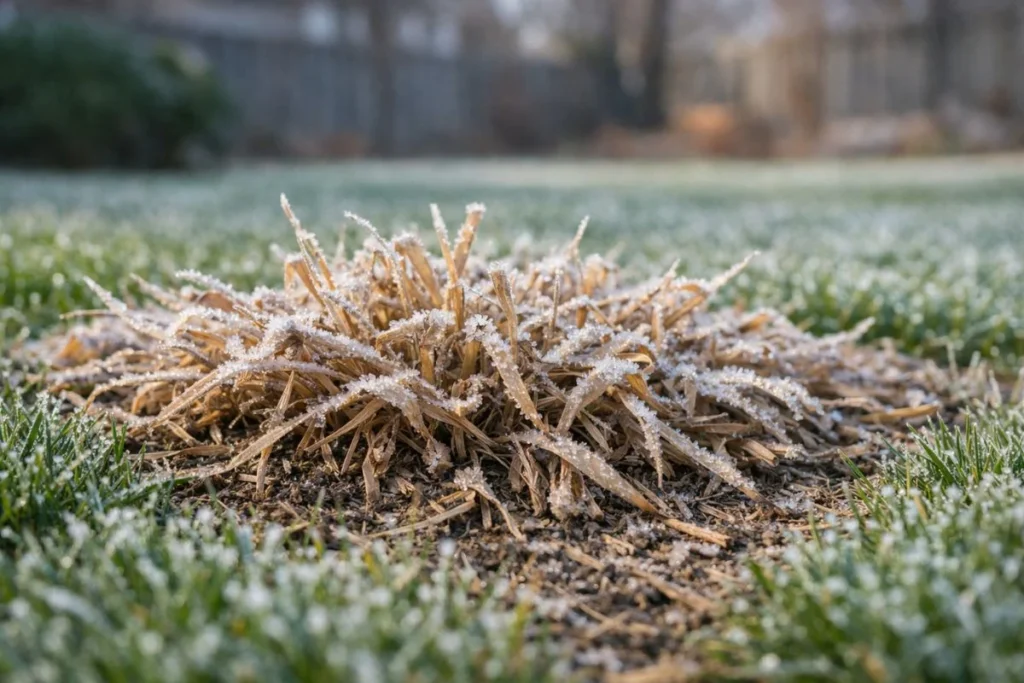
If you fought crabgrass all summer, winter can feel like a break. The lawn turns brown. The weed looks dead. You might even feel relieved. Many homeowners I have spoken with believe cold weather solves the problem for good. But when spring arrives and those same patches fill with crabgrass again, frustration sets in.
After years of observing seasonal lawns and helping homeowners plan their weed control, I have seen the same pattern repeat. Crabgrass does die in winter, but that is only part of the story. What matters more is what survives beneath the soil. If you understand that cycle now, you can prevent the same battle next year. Crabgrass is not a broadleaf weed. It is a grassy weed, which means it behaves differently and requires a different control method. If you are unsure how grassy weeds differ from broadleaf weeds, read our complete guide on what is a broadleaf weed to understand the key identification differences.
- What Type of Weed Is Crabgrass?
- What Happens to Crabgrass After the First Frost?
- Does Crabgrass Die in Winter in Texas or Florida?
- Dead Crabgrass or Dormant Grass?
- Why Crabgrass Comes Back Every Spring
- How Long Do Crabgrass Seeds Stay Alive?
- What Happens If Frost Comes Late?
- Why Thick Lawns Reduce Crabgrass
- When Should You Apply Pre-Emergent?
- Crabgrass Life Cycle Timeline
- Final Answer
Quick Takeaway
- Crabgrass is a summer annual weed.
- The plant dies after the first hard frost.
- The seeds survive in the soil through winter.
- Seeds germinate when soil reaches about 55°F in spring.
- Prevention must happen before germination begins.
What Type of Weed Is Crabgrass?
Crabgrass is a summer annual weed.
The two most common types in the United States are:
- Large Crabgrass
- Smooth Crabgrass
A summer annual grows from seed in spring, spreads through summer, produces seeds in late summer or fall, and then dies after frost.
It does not regrow from the same roots the next year.
What Happens to Crabgrass After the First Frost?
Once temperatures drop below freezing for several nights, the plant dies.
In northern states like Minnesota, Michigan, or New York, this usually happens in late fall.
Snow does not protect it. The plant is already dead once frost damages the tissue.
The roots die. The stems die. It will not green up again in spring.
Does Crabgrass Die in Winter in Texas or Florida?
Climate matters.
Cold States (USDA Zones 3–6)
Crabgrass dies every winter after frost.
Moderate States (Zones 7–8)
Crabgrass usually dies, but late frost can allow more seed production before winter.
Warm States (Zones 9–10)
In areas like southern Texas or parts of Florida where frost is rare, crabgrass may survive longer. In some cases, it may continue growing until temperatures drop.
However, in most of the United States, crabgrass behaves as a summer annual and dies during winter.
Regional Winter Impact Snapshot
| Region Type | Winter Impact on Crabgrass |
|---|---|
| Cold States (USDA Zones 3–6) | Plants fully die after hard frost each winter. |
| Moderate States (Zones 7–8) | Plants die, but late frost may allow more seed production. |
| Warm States (Zones 9–10) | Plants may survive longer in frost-free areas. |
Dead Crabgrass or Dormant Grass?
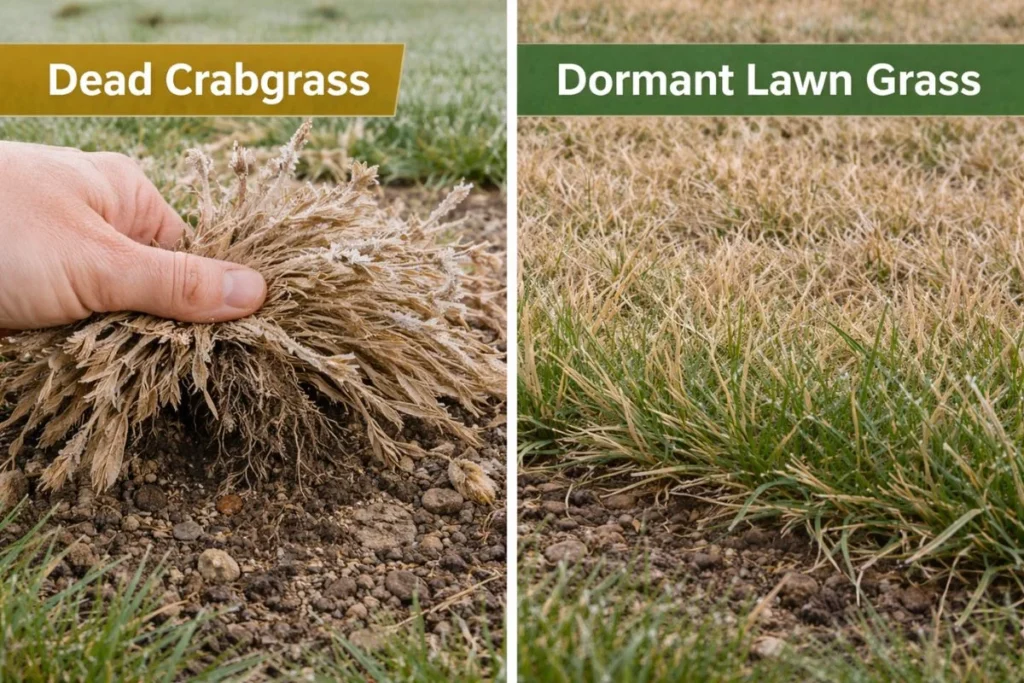
Many first-time homeowners confuse dead crabgrass with dormant turf.
Here is the difference.
Dead Crabgrass
- Roots are dead
- Pulls up easily
- Leaves thin or bare spots
- Will not grow back
Dormant Lawn Grass
- Roots are alive
- Firm in the soil
- Turns tan evenly
- Greens up again in spring
If your lawn looks patchy and loose in certain areas, it is likely dead crabgrass.
Why Crabgrass Comes Back Every Spring
The plant dies. The seeds remain.
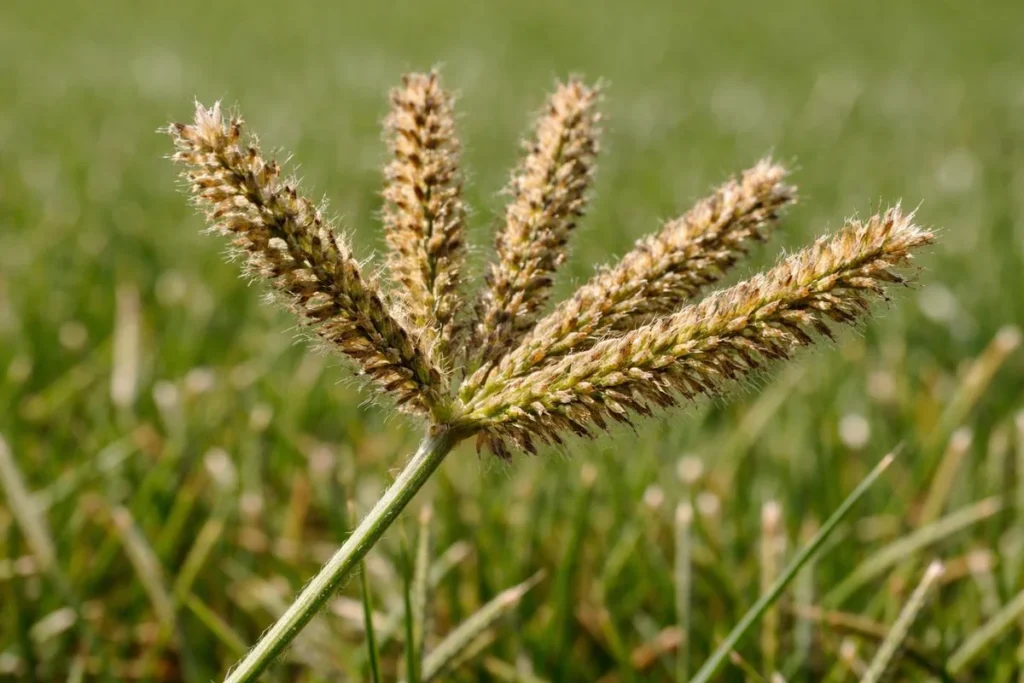
One crabgrass plant can produce thousands to over 100,000 seeds in one season.
These seeds fall into the soil and stay dormant during winter.
When soil temperature reaches about 55°F for several days in a row, seeds begin to germinate.
This depends on soil temperature, not air temperature.
That is why crabgrass returns each spring, even though the plants died months earlier.
How Long Do Crabgrass Seeds Stay Alive?
Crabgrass seeds can survive in soil for three to five years, sometimes longer.
Soil disturbance, such as raking or aerating, can bring buried seeds closer to the surface where they can sprout.
This is why skipping prevention for one year can restart the cycle.
What Happens If Frost Comes Late?
If frost arrives late in fall, crabgrass has more time to grow and drop seeds.
Early frost means fewer seeds.
Late frost means more seeds for next spring.
Fall timing directly affects next year’s weed pressure.
Why Thick Lawns Reduce Crabgrass
Crabgrass needs sunlight to grow.
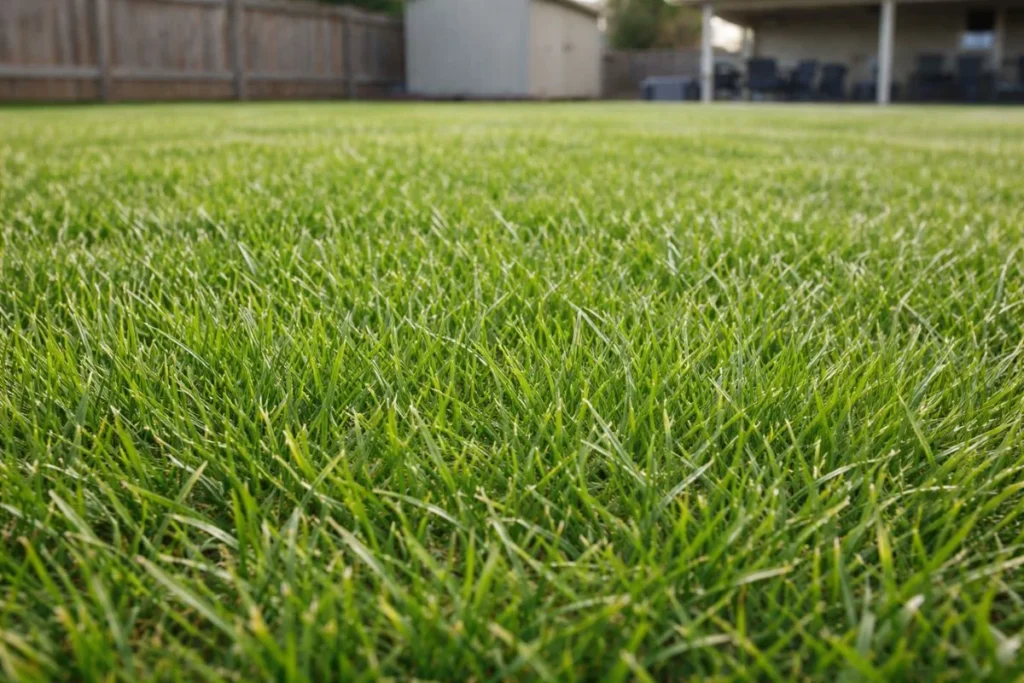
A thick lawn blocks light from reaching the soil surface.
Less light means fewer seeds can sprout.
Healthy turf competes for space, nutrients, and water. That natural competition makes it harder for crabgrass to establish.
When Should You Apply Pre-Emergent?
If crabgrass dies in winter, prevention must happen in early spring.
Apply pre-emergent herbicide before soil temperatures reach 55°F.
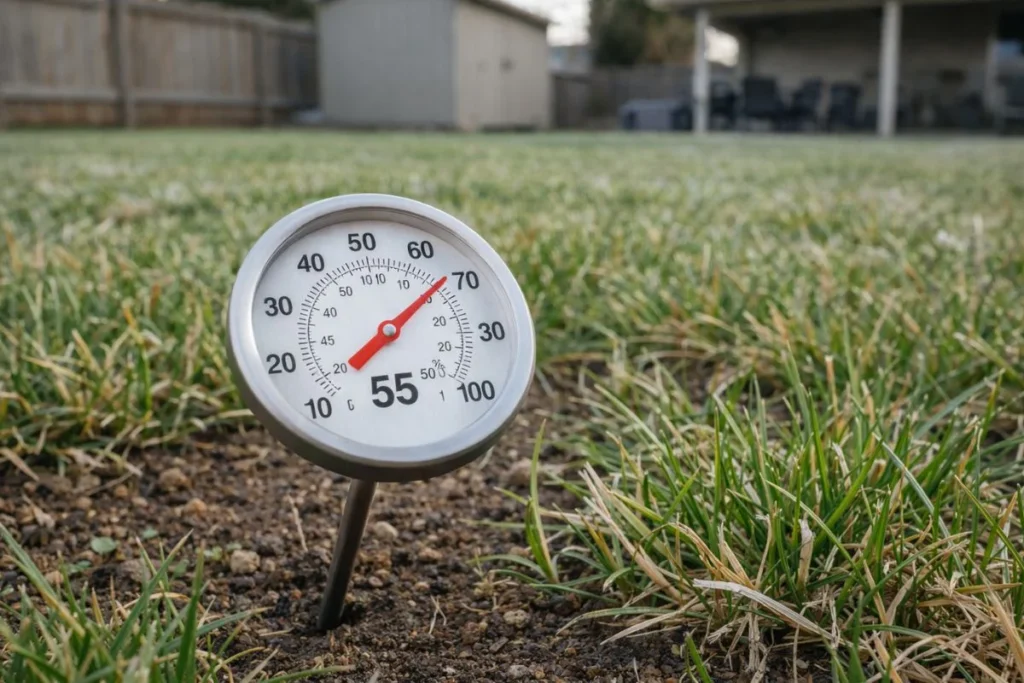
If you apply too early, it may lose strength before seeds germinate.
If you apply too late, seedlings may already be growing.
Proper timing depends on soil warmth, not the calendar.
DIY lawn owners should monitor soil temperature in early spring to prevent germination.
Crabgrass Life Cycle Timeline
Understanding the full cycle helps you stop it.
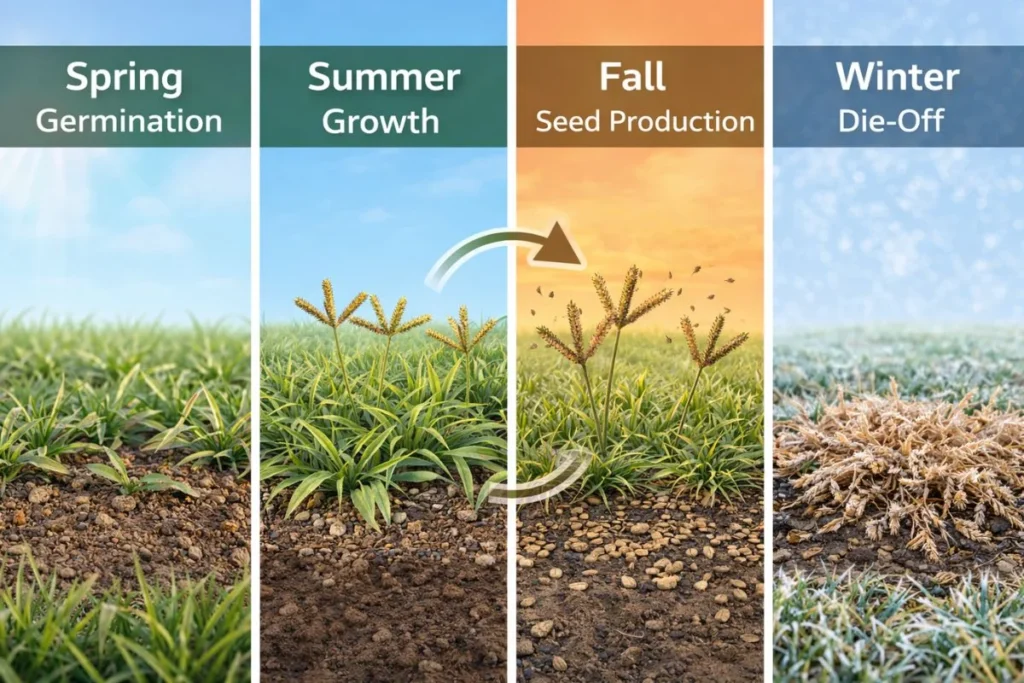
- Early Spring – Seeds germinate
- Late Spring – Young plants spread
- Summer – Rapid growth
- Late Summer – Heavy seed production
- Fall – Seeds drop
- Winter – Plants die, seeds remain
The cycle repeats unless you interrupt it.
Crabgrass Life Cycle at a Glance
| Season | What Happens to Crabgrass |
|---|---|
| Early Spring | Seeds germinate when soil temperature reaches about 55°F. |
| Late Spring | Young plants spread and establish quickly. |
| Summer | Rapid growth and heavy seed production. |
| Fall | Seeds drop before frost arrives. |
| Winter | Plants die, but seeds remain dormant in soil. |
Common Mistakes Homeowners Make
- Assuming winter kills crabgrass seeds.
- Skipping pre-emergent in early spring.
- Applying pre-emergent too late.
- Mowing too short during summer.
- Ignoring thin or bare lawn areas.
Final Answer
Yes, crabgrass dies in winter, and freezing temperatures will kill the plant. However, from practical lawn care experience, I can say winter only removes what you see above the ground. The seeds remain, and they wait for warm soil to begin growing again. Homeowners who rely on winter alone often face the same issue in spring, while those who prepare early stop it before it spreads. The key is knowing the life cycle, watching soil temperatures, and acting at the right time. When you plan ahead, crabgrass stops being a yearly surprise and becomes a problem you control.