 Skip to content
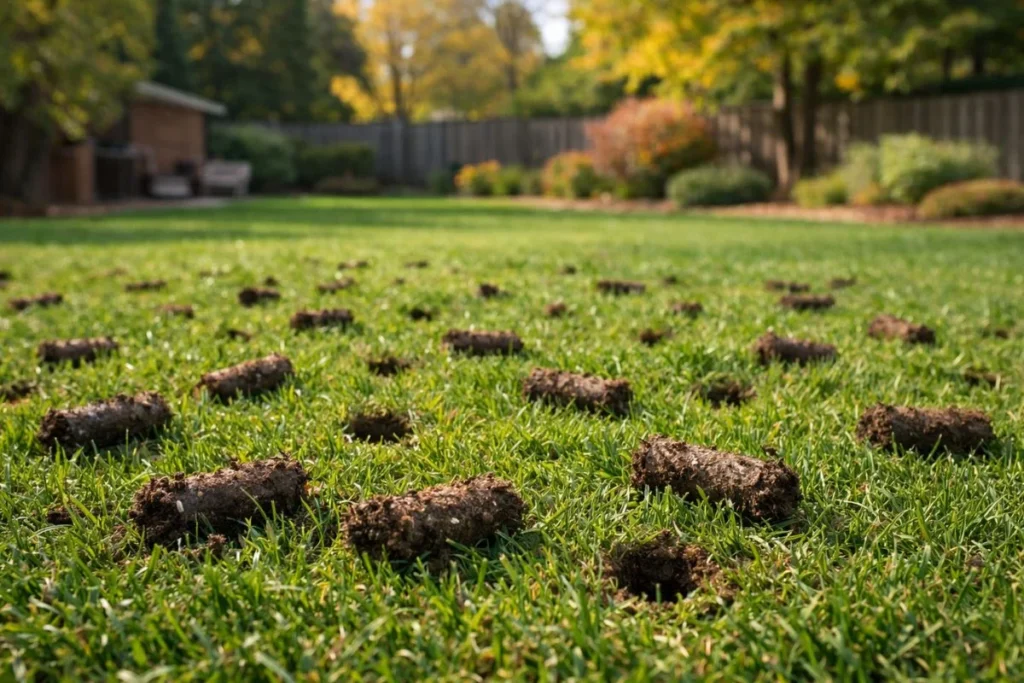
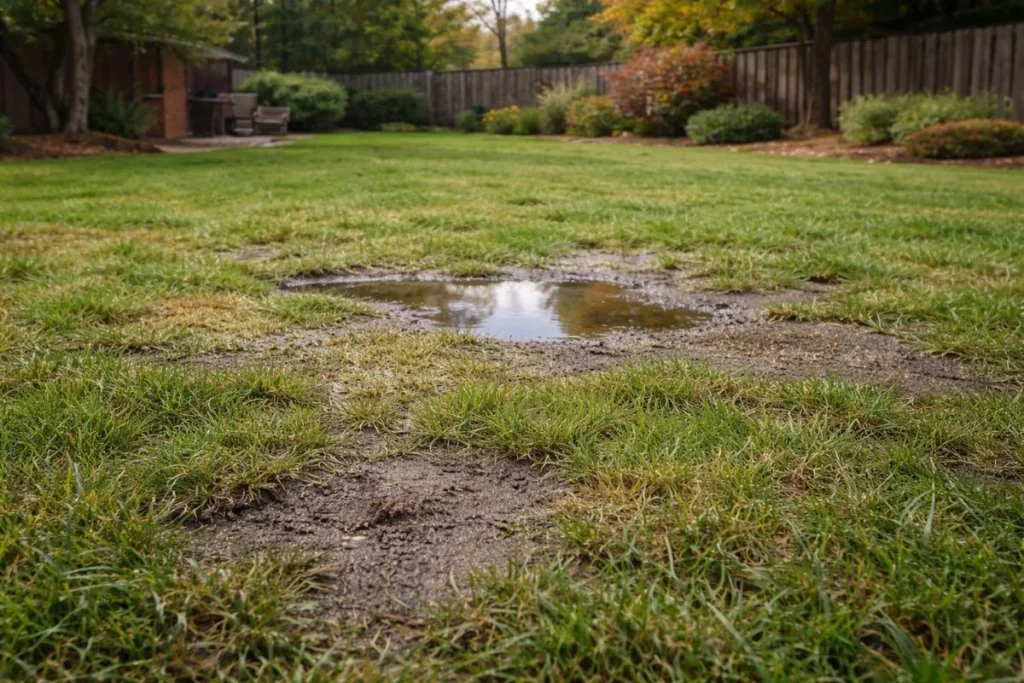
Many homeowners aerate their lawn because something feels off. Grass looks thin. Water sits on the surface. Shoes leave deep prints. I’ve seen people rush into aeration hoping for a quick fix. A few weeks later, they call it a mistake. The lawn looks stressed. Bare spots show up. Growth slows instead of improving.
What goes wrong is almost always timing. I’ve worked with lawns that bounced back fast after aeration done at the right moment. I’ve also seen healthy lawns struggle after aeration done during dormancy, heat, or dry soil. Grass needs to be growing to recover. If it’s not, aeration causes damage. This guide explains when to aerate lawn using real lawn signs, grass type, soil feel, and seasonal timing that actually works.
- Why Lawn Aeration Matters
- How to Know Your Grass Type
- Best Time to Aerate Lawn by Grass Type
- Best Time to Aerate Lawn by Region (USA)
- Month-by-Month Aeration Guide
- Signs Your Lawn Needs Aeration Now
- Soil Conditions That Affect Timing
- When You Should Not Aerate Lawn
- Lawn Age and Usage Matter
- Should You Aerate Now or Wait?
- Aeration and Overseeding
- How Often Should You Aerate Lawn
- Choosing the Right Aeration Method
- Common Aeration Mistakes
- Final Thoughts
Key Takeaways
- Cool-season lawns do best with fall aeration.
- Warm-season lawns should be aerated in late spring.
- Aerate only when grass is actively growing.
- Soil should be slightly moist, not dry or muddy.
- Avoid aeration during heat, drought, or dormancy.
Why Lawn Aeration Matters
Soil gets hard over time. Foot traffic, rain, and mowing press it down. Roots struggle in hard soil. Water stays on the surface. Grass thins out.
Aeration fixes this by pulling small soil plugs from the ground. This opens space for roots to grow deeper. Healthy roots mean thicker grass and better color.
For a complete step-by-step guide covering methods, frequency, cost, and aftercare, see our full article on aeration lawn.
How to Know Your Grass Type
Before you decide when to aerate lawn, you need to know your grass type.
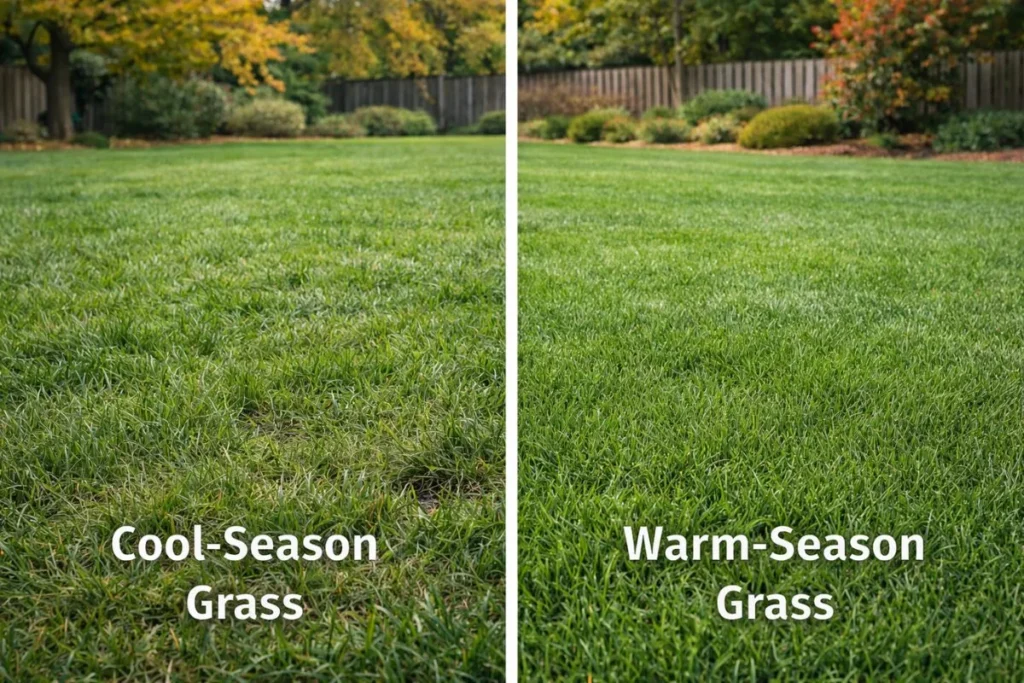
Cool-Season Grasses
These grow best in mild weather.
- Kentucky bluegrass
- Fescue
- Perennial ryegrass
They grow fast in spring and fall. They stay green longer in cool weather.
Warm-Season Grasses
These like heat.
- Bermuda
- Zoysia
- St. Augustine
They grow best in late spring and summer.
If your lawn turns green early in spring, it is likely cool-season. If it greens up late, it is usually warm-season.
Best Time to Aerate Lawn by Grass Type
Cool-Season Grass Timing
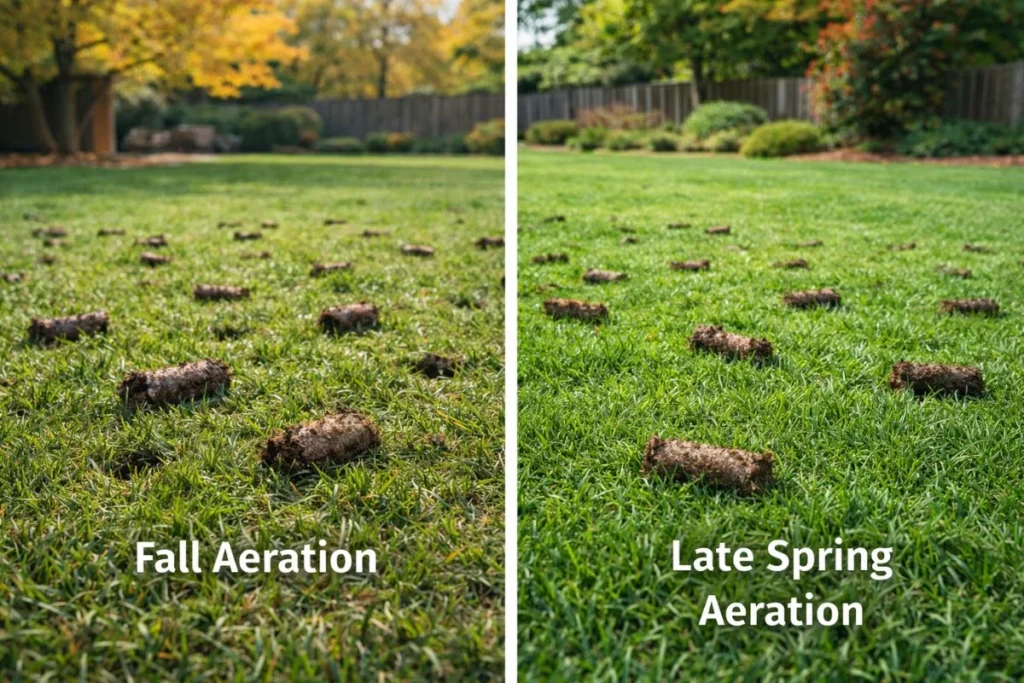
The best time to aerate lawn with cool-season grass is early fall.
Why fall works:
- Grass is growing fast
- Weeds slow down
- Soil stays warm
Spring aeration can work, but weeds may grow faster.
Warm-Season Grass Timing
The best time to aerate lawn with warm-season grass is late spring to early summer.
This is when grass grows strong and heals fast. Avoid aeration before the lawn turns green.
Lawn should have at least 3 to 4 weeks of active growth after aeration for proper recovery.
| Grass Type | Best Time to Aerate | Backup Option |
|---|---|---|
| Cool-season grass | Early fall | Early spring |
| Warm-season grass | Late spring to early summer | Not recommended |
Best Time to Aerate Lawn by Region (USA)
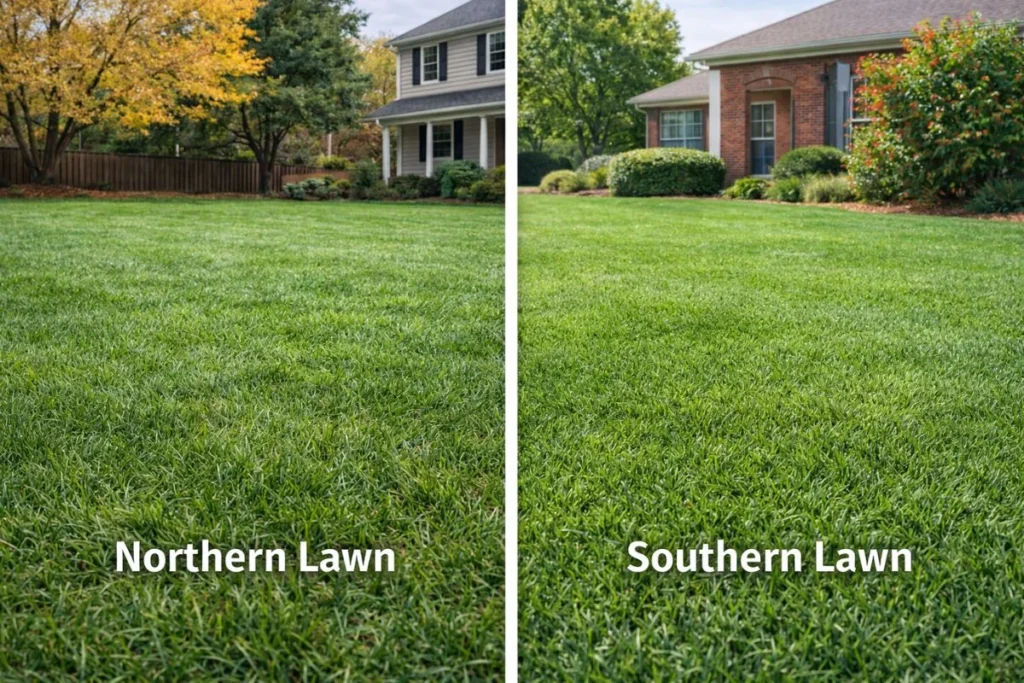
Northern States
- Best window: September to early October
- Second option: April to May
Midwest
- Best window: Early fall
- Avoid hot summer months
Southern States
- Best window: May to June
- Avoid early spring and cool months
Western States
- Match timing to grass type
- Watch soil moisture closely
Local weather always matters more than the calendar.
Month-by-Month Aeration Guide
- January–February: Do not aerate
- March: Only if soil is workable and grass is active
- April–May: Warm-season lawns start here
- June: Warm-season lawns only
- July–August: Avoid heat stress
- September–October: Best time for cool-season lawns
- November–December: Stop aeration
| Month | Aeration Status |
|---|---|
| January–February | Do not aerate |
| March | Limited cases only |
| April–May | Warm-season lawns |
| June | Warm-season lawns |
| July–August | Avoid aeration |
| September–October | Best for cool-season lawns |
| November–December | Stop aeration |
Signs Your Lawn Needs Aeration Now
Your lawn shows clear warning signs.
Watch for these:
- Water pools after rain
- Grass feels thin or weak
- Soil feels hard underfoot
- High foot traffic areas look worn
- Grass color fades fast
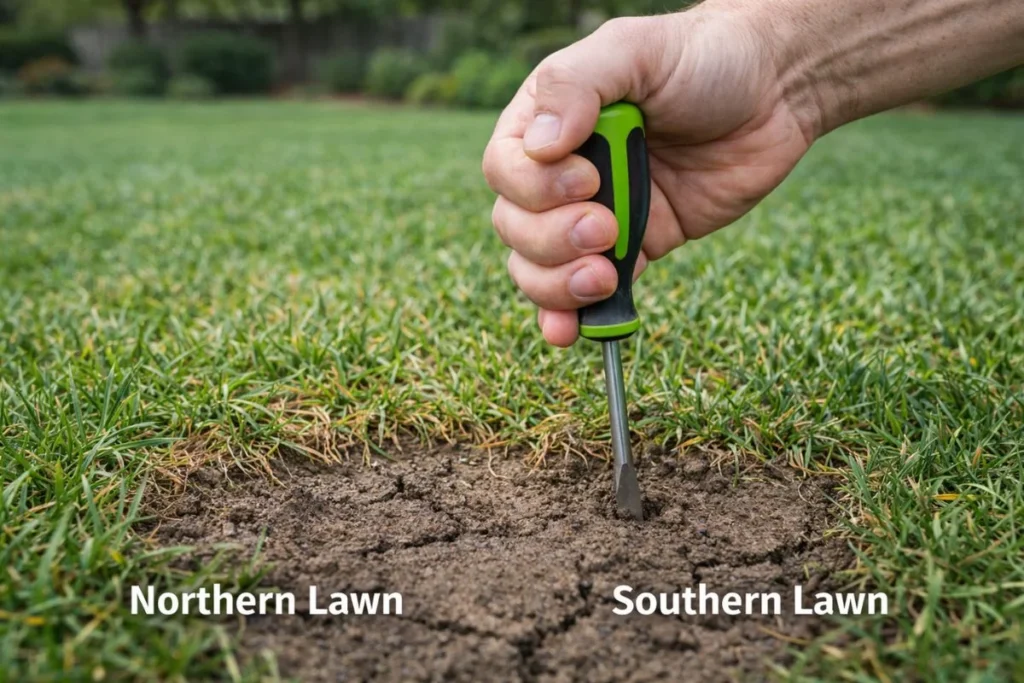
Push a screwdriver into the soil.Heavy foot traffic and clay soil often cause compaction faster than normal lawns.
Simple Soil Test
Push a screwdriver into the soil.
- Goes in easily? Soil is fine.
- Hard to push? Soil is compacted.
Soil Conditions That Affect Timing
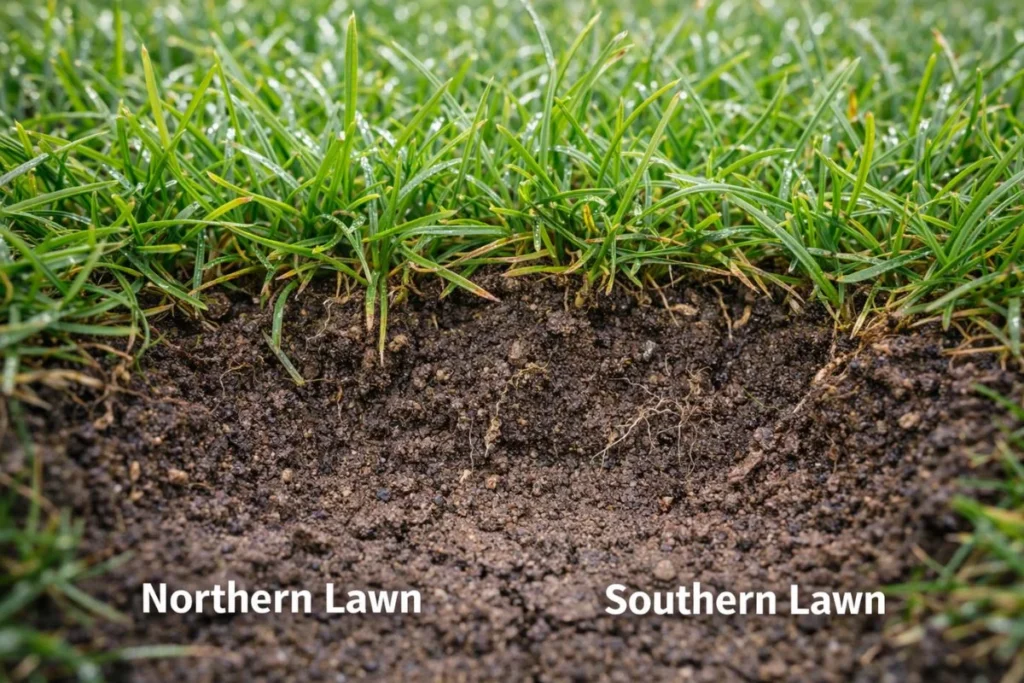
Aerate when soil is slightly moist.
- Too dry: soil plugs break
- Too wet: soil smears
Water your lawn one day before aeration if soil feels dry.
When You Should Not Aerate Lawn
There are times when aeration can harm your lawn.
Do not aerate if:
- Grass is dormant and not growing
- Lawn is under heat or drought stress
- Soil is frozen or very cold
- Lawn was seeded within the last 6 to 12 months
- Lawn shows active disease or pest damage
Young grass needs time to build roots. Aeration too early can slow growth.
Lawn Age and Usage Matter
Lawn age and daily use affect how often aeration is needed.
- New lawns usually need less aeration
- Older lawns compact faster
- Lawns with pets, kids, or sports use need aeration more often
- Driveway edges and walk paths compact faster than open areas
High traffic pushes soil down. Roots lose space. Aeration helps fix this.
Should You Aerate Now or Wait?
Use this quick check before aerating.
Aerate now if:
- Grass is actively growing
- Soil feels hard
- Water does not soak in well
- Weather is mild
Wait if:
- Grass is brown or dormant
- Soil is very dry or muddy
- Heat or frost is expected soon
If most signs point to wait, give the lawn more time.
| If This Is True | What to Do |
|---|---|
| Grass is growing | Aerate |
| Grass is dormant | Wait |
| Soil feels hard | Aerate |
| Soil is muddy | Wait |
Aeration and Overseeding
Aeration works very well with overseeding.
Why this helps:
- Seed drops into open holes
- Better soil contact
- Faster and thicker growth
For cool-season lawns, overseed right after fall aeration. For warm-season lawns, overseeding is less common.
How Often Should You Aerate Lawn
Most lawns need aeration once a year.
You may need it more often if:
- Soil is clay
- Lawn gets heavy use
- Water runs off instead of soaking in
Sandy soil needs aeration less often.
Choosing the Right Aeration Method
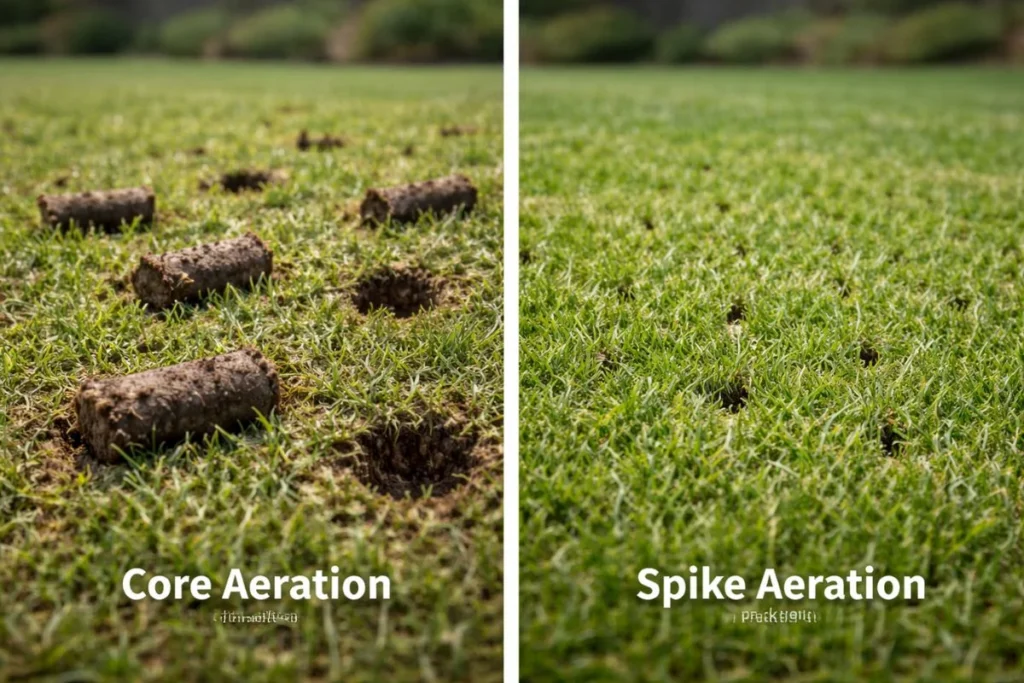
Core Aeration
This is the best choice for most lawns. It removes soil plugs and reduces compaction.
Spike Aeration
This makes holes but can push soil tighter around roots.
Liquid Aeration
Results vary. It works slowly and does not replace core aeration.
Core aeration gives the strongest results.
Common Aeration Mistakes
Avoid these errors:
- Aerating at the wrong season
- Skipping soil moisture checks
- Using spike tools only
- Aerating stressed lawns
Fix timing first. Tools come second.
- Aerating during dormancy
- Aerating dry or muddy soil
- Using spike tools only
- Aerating stressed or damaged lawns
Final Thoughts
After years of watching how lawns respond, one thing is clear. Aeration works when the lawn is ready for it. Cool-season grass recovers best in fall. Warm-season grass responds best after full green-up. The tool matters less than timing. When grass is growing and soil is right, roots recover fast and growth improves. When timing is wrong, results suffer. If you want lasting results, don’t guess. Check growth, feel the soil, and watch the weather. That’s the safest way to decide when to aerate lawn and get results that last.