
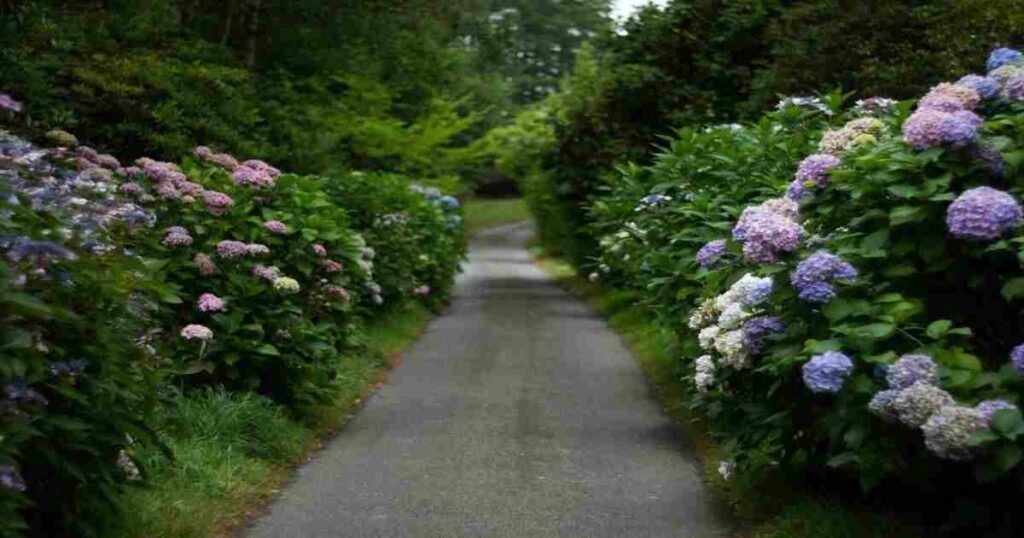
A well-designed garden border can transform an ordinary outdoor space into a colorful and inviting landscape. Flowering shrubs are particularly valuable because they provide structure, seasonal interest, and impressive displays without requiring constant replanting.
Thank you for reading this post, don't forget to subscribe!Hydrangeas are among the most popular choices for decorative borders, thanks to their generous flower clusters and attractive foliage. Their distinctive appearance makes them suitable for traditional cottage gardens, contemporary landscapes, and peaceful backyard retreats.
However, creating an attractive border involves more than planting several beautiful shrubs together. Soil conditions, sunlight, plant height, flowering periods, and color combinations all influence the final result.
By combining hydrangeas with complementary flowering shrubs, homeowners can establish layered garden borders that remain appealing throughout the growing season. Thoughtful planning also helps create outdoor spaces that feel connected to the surrounding home and landscape.
- Choosing Hydrangeas That Complement Your Garden Style
- Combining Hydrangeas With Complementary Flowering Shrubs
- Planning Plant Heights for a Layered Appearance
- Selecting Colors That Create a Cohesive Garden
- Preparing Soil and Maintaining Healthy Flowering Shrubs
- Creating Borders That Remain Attractive Across Seasons
Choosing Hydrangeas That Complement Your Garden Style
Hydrangeas come in several varieties, each offering different flower shapes, growth habits, and seasonal characteristics. Understanding these differences helps homeowners select plants suited to their garden conditions and preferred appearance.
Bigleaf hydrangeas are appreciated for their rounded flower clusters, while panicle hydrangeas produce distinctive cone-shaped blooms. Smooth hydrangeas offer another attractive option, particularly for gardeners seeking generous flowering displays.
Their decorative appeal can also inspire interior design choices. Homeowners who appreciate floral themes may enjoy incorporating hydrangea wallpaper into rooms overlooking the garden, creating a beautiful visual connection between indoor decoration and outdoor planting.
Coordinating botanical patterns with flowering borders can make the transition between home and garden feel especially harmonious.
When selecting plants, consider their mature dimensions and available growing space. Choosing varieties that naturally complement the garden’s proportions helps establish a balanced and attractive arrangement.
Combining Hydrangeas With Complementary Flowering Shrubs
Hydrangeas create impressive displays on their own, but combining them with other flowering shrubs introduces greater variety and seasonal interest.
Azaleas can provide colorful spring blooms, while weigela offers attractive flowers and foliage that complement mixed borders. Spirea is another versatile option, with varieties producing delicate flower clusters and interesting growth habits.
The key is selecting plants with compatible growing requirements.
For example, many bigleaf hydrangeas appreciate consistently moist soil and protection from intense afternoon sunlight. Companion shrubs should thrive under similar conditions.
Flowering periods also deserve attention. Combining plants that bloom at different times can extend the border’s decorative appeal.
Instead of selecting shrubs solely by flower color, consider their foliage, shape, and mature height.
A thoughtful combination creates a garden border that feels varied while maintaining a recognizable sense of harmony.
Planning Plant Heights for a Layered Appearance
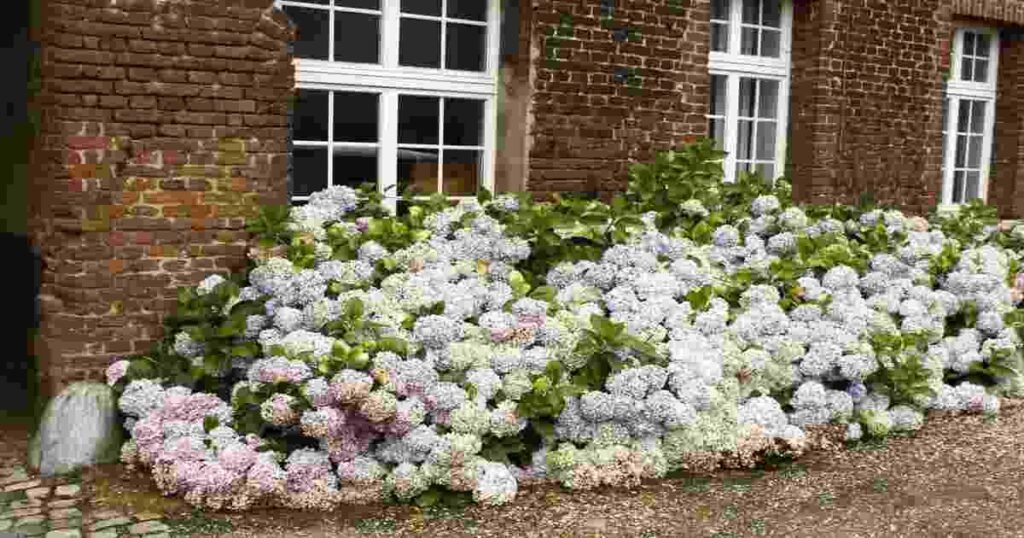
One of the most effective ways to create a professional-looking garden border is to arrange plants according to their mature heights.
Taller shrubs generally work well toward the back of a border, particularly when the planting area runs alongside a fence or wall.
Medium-sized hydrangeas can occupy the middle section, creating generous clusters of flowers that attract attention.
Lower-growing shrubs and flowering perennials provide an appealing foreground, softening transitions between the planting area and nearby pathways or lawns.
Spacing is equally important. Young shrubs may appear small when first planted, but their eventual width determines how comfortably they will grow together.
Checking mature plant dimensions before installation helps prevent overcrowding.
A layered arrangement also allows different plants to remain visible, creating greater visual depth and making the border feel carefully organized.
Selecting Colors That Create a Cohesive Garden
Flower color plays an important role in determining the atmosphere of a garden border. Hydrangeas offer a broad palette, including white, pink, blue, purple, and greenish tones.
Homeowners seeking a peaceful appearance might combine white hydrangeas with soft pink flowers and silver-green foliage.
For a more vibrant effect, contrasting shades can introduce energy and personality into the landscape.
The surrounding architecture should also influence color selection. Soft-colored flowers may complement traditional brickwork, while bold arrangements can create attractive contrasts against neutral exterior walls.
Some bigleaf hydrangea varieties produce different flower colors depending partly on soil chemistry and aluminum availability.
However, this characteristic does not apply equally to every hydrangea variety.
Selecting colors according to the intended atmosphere helps create a border that complements the entire outdoor space rather than appearing as an isolated decorative feature.
Preparing Soil and Maintaining Healthy Flowering Shrubs
Successful garden borders begin with suitable soil preparation. Hydrangeas generally perform best in fertile, well-drained soil that retains sufficient moisture without becoming waterlogged.
Before planting, gardeners should examine existing soil conditions and consider incorporating organic matter where appropriate.
Planting holes should accommodate the root system without placing the shrub deeper than its original growing level.
Mulching around plants can help maintain soil moisture and regulate temperature while reducing competition from weeds.
Watering requirements depend on weather conditions, plant maturity, and the particular hydrangea variety.
Pruning also requires careful consideration. Some hydrangeas flower on older stems, while others produce blooms on new growth.
Understanding these differences helps gardeners choose the correct pruning schedule and preserve future flowering displays.
Creating Borders That Remain Attractive Across Seasons
A successful garden border should offer visual interest beyond its main flowering period.
While hydrangeas often provide spectacular summer displays, other plants can introduce color during spring and autumn.
Early-flowering shrubs help establish interest before hydrangeas reach their peak, while evergreen plants contribute structure during colder months.
Ornamental grasses and foliage-focused perennials can introduce movement, texture, and contrasting shapes.
Gardeners should also consider how dried hydrangea flower heads contribute to the landscape later in the year.
Repeating selected plant varieties along the border creates visual rhythm and makes the arrangement feel more cohesive.
Ultimately, beautiful garden borders depend on balancing seasonal interest, suitable growing conditions, and thoughtful design.
By combining hydrangeas with complementary shrubs, arranging plants in attractive layers, and maintaining consistent care, homeowners can create colorful outdoor spaces that become more appealing as the garden matures.