
Introduction
Tall fescue grass is a cold-tolerant grass and also heat tolerant of some varieties, mainly perennial types but dormant in some seasons. It keeps the lawn green if mixed with another grass. It has deep roots in the soil that helps to survive in dry periods, especially in the winter season and hot summer season as well. Its leaf color is normally dark green but sometimes turns yellow in autumn and late spring. But if it is mixed with another grass or you try overseeding, the lawn or field will be green again.
Thank you for reading this post, don't forget to subscribe!Early leaf is more green and less coarse than the older ones. At that time, the lawn looks amazing and safe for walking and pasturing of animals and humans.
Many lawn owners are now trying to grow this grass or mix it with another grass in 80:20 parts or 90:10 parts for its value and nature. Especially in winterhardiness area as the Northeast and Midwest regions of the USA, this grass is more tolerant and sustainable under temperatures of 0 degrees Celsius. When temperature ups, the grass is growing and makes turf again, but sometimes we need overseeding.
There are many fescue grass varieties found around the area. So, as a property owner, you have to make the right decision on which type you prefer most for yourself.
Let’s try to understand some ideas of grasses and their growing basics.
Types of Tall Fescue Turf Grass and Problem-Based Best Suitable Fit
Types of Tall Fescue Turf Grass
1. Based on usage
- Forage-type: Kentucky 31 (KY-31), Georgia 5
- Turf-type: Bladerunner 3, Houndog 8, Titan Rx, Essential 2
- Dual-purpose (turf and low-input pasture): Jesup, Martin 2
2. Based on growth habit
- Bunch-type: Turfway, Bladerunner 3, Houndog 8
- Lateral-spread (LS): Spyder 2LS, Raptor LS, Titanium 2LS
- Rhizomatous (RTF): Turf-Saver RTF, Rowdy, Rhizing Moon, Trophy XRE
3. Based on leaf texture and height
- Coarse (forage-like): Kentucky 31
- Medium turf-type: Rowdy, Essential 2
- Fine-leaf turf-type: Foxhound, Rhizing Moon
- Dwarf and semi-dwarf: Bonsai, Rebel Sentry, Tar Heel II
4. Based on endophyte status
- Endophyte-enhanced: Titan Rx, Turfway, Houndog 8, Dixie Green
- Endophyte-free: AU Triumph
- Novel (friendly) endophyte: Jesup MaxQ, Texoma MaxQ II
5. Based on climate adaptation
- Continental (summer-active): Kentucky 31, Titan Rx, Bladerunner 3
- Mediterranean (summer-dormant): Fawn, Flecha (mainly forage use)
- Transition-zone turf: Crossfire 4, 4th Millennium SRP, Firewall
6. Based on stress specialty
- Brown patch resistant: Crossfire 4, Firewall, Essential 2
- Drought tolerant: Rhizing Moon, Turfway
- Shade tolerant: Titan Rx, Dixie Green
- Wear and traffic tolerant: Rowdy, Essential 2
7. Based on seed form
- Single-variety: Bladerunner 3, Rowdy
- Blends: Dixie Green, Trophy XRE
- Mixtures with other species: Tall Fescue and Kentucky Bluegrass (e.g., 90/10 sod mixes)
Problem-Based Best Fit Tall Fescue Varieties
| Points of Problems | Best for Tall Fescue Variety Names |
| Bare spots and thin patches | Turf-Saver RTF, Rhizing Moon, Rowdy, Trophy XRE |
| Dog and pet damage | Turf-Saver RTF, Trophy XRE, Rhizing Moon |
| Heavy foot traffic and wear | Rowdy, Essential 2, Spyder 2LS |
| Summer brown patch disease | Crossfire 4, Firewall, Essential 2, Houndog 8 |
| Leaf spot | Rhizing Moon, Essential 2 |
| Drought and low water | Rhizing Moon, Turfway, Dixie Green |
| Heat stress in the transition zone | Bladerunner 3, Titan Rx, 4th Millennium SRP |
| Shaded areas | Titan Rx, Dixie Green, Bladerunner 3 |
| Cold winters and winterkill | Rowdy, Essential 2, Houndog 8, Titan Rx |
| Pale or light green color | Foxhound, Rhizing Moon, Houndog 8 |
| Slow establishment | Rowdy, Dixie Green |
| Thin, open turf (low density) | Houndog 8, Firecracker G-LS, Rowdy |
| Insect pressure | Titan Rx, Turfway, Dixie Green (endophyte-enhanced) |
| Low-input or low-fertilizer lawns | Foxhound, Houndog 8, Rhizing Moon |
| Sloped or erosion-prone ground | Turf-Saver RTF, Spyder 2LS, Trophy XRE |
| Sports fields and play areas | Rowdy, Essential 2, Trophy XRE |
| Mixed sun and shade lawns | Bladerunner 3, Dixie Green |
| Reliable all-round choice | 4th Millennium SRP, Rowdy, SR8650 |
Best common tall fescue turf grass varieties with biological profiles
Keywords: Mowing, Tall Fescue, Endophyte, Germination, Variety, etc.
Mowing: Cutting grass or other plants to a chosen height to keep growth even and encourage thicker growth.
Tall Fescue: Not general, but as a term, it is a cool-season grass species. In general terms, a species is a group of plants that share the same basic traits and can breed together.
Endophyte: An organism, usually a fungus or bacterium, that lives inside a plant without causing disease. It often helps the plant resist pests, drought, or other stress.
Germination: The process where a seed absorbs water, wakes from dormancy, and begins to grow into a seedling.
Variety: A group of plants within a species that share specific traits, such as color or disease resistance, and stay consistent when reproduced.
Turf-Saver RTF (Rhizomatous Tall Fescue) Variety Profile and Biology
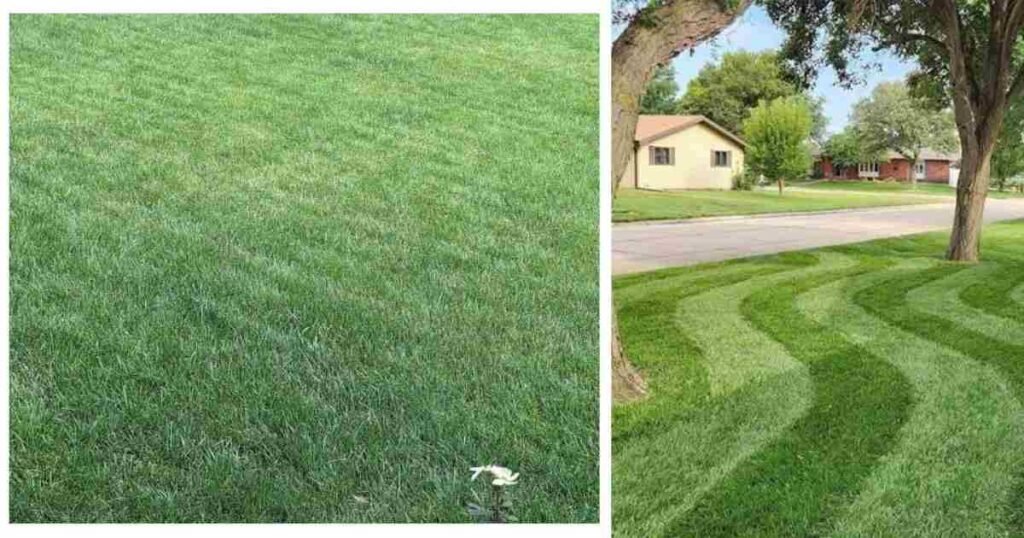
Turf-Saver RTF is famous for its rhizomes. Rhizomes are the parts that stay in under the soil, spread horizontally underneath, and help to grow new blades where grass is sparse. Rhizomes are a special characteristic that is never found in other fescue grass. So, by this characteristic, it repairs the grass field by itself where the field is damaged. Many farmhouse owners use this grass for yards, for a dog-yard owner, sports lawn or sod production, etc.
The Growing Biological Characteristics of Turf-Saver RTF:
- Establishment (Days): 45–60 days (Time required to form a fully dense, mature, and usable turf carpet)
- First Mowing (Days): 21–28 days (when the new seedlings reach a height of about 3 to 4 inches)
- Endophyte + (Yes, No): Yes (Contains beneficial symbiotic fungi that naturally repel surface-feeding insects and improve stress tolerance)
- Germination (Days): 7 – 14 days (Under ideal soil moisture and temperature conditions)
- Mowing Frequency (Per Week): 1 time per week (May drop to once every 2 weeks during peak summer dormancy or winter slowdowns)
- Nitrogen Requirement (Low, Med, High): Med (Requires roughly 2 to 4 lbs of actual nitrogen per 1,000 sq. ft. annually)
- Segment: Premium Turf / Professional Landscape & Sports Fields
- Species: Tall Fescue (Rhizomatous Tall Fescue)
- Sci. Name: Festuca arundinacea (Synonym: Schedonorus arundinaceus)
4th Millennium SRP Variety Profile and Growing Biology
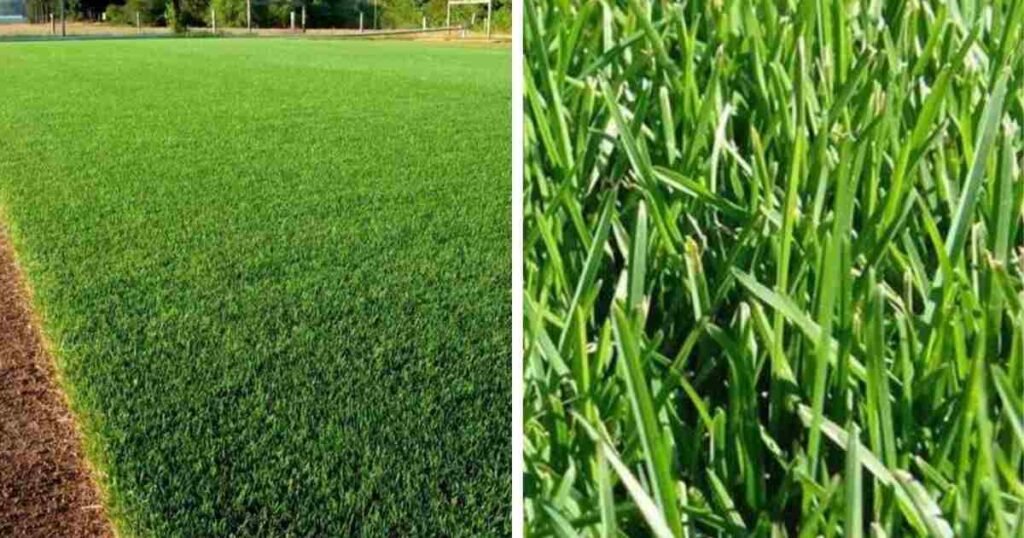
The 4th Millennium is a premium cultivar of Millennium Tall Fescue grass. It is also a rhizomatous and drought-tolerant variety that repairs itself and increases in number. Its color is dark green, with a fine leafy texture. Sometimes it is mixed with overseeding of 5 to 10% Kentucky bluegrass. It provides long time green lawn, and damage is managed so quickly. Due to its sustainability, adaptability, repairing ability, and spreading quality, it is the best choice for parks, home lawns, summer survival areas, athletic fields, and sod production, etc.
General Productive Characters:
- Establishment (Days): 40 – 55 days
- First Mowing (Days): 18-28 days (when it reaches 3.5–4 inches)
- Endophyte + (Yes, No): Yes
- Germination (Days): 9 – 14 days
- Mowing Frequency (Per Week): 1 time per week in summer and 2 times per week in winter
- Nitrogen Requirement (Low, Med, High): Med (2 to 4 lbs/1,000 sq. ft. per year)
- Segment: Premium Lawns, Parks, Athletic Fields & Sod Production
- Species: Tall Fescue (With Self-Repairing Potential)
- Sci. Name: Festuca arundinacea
Spyder 2LS (ZRC-1) & Raptor LS (PPG-TF 336) Variety Profile and Growing Biological Characters
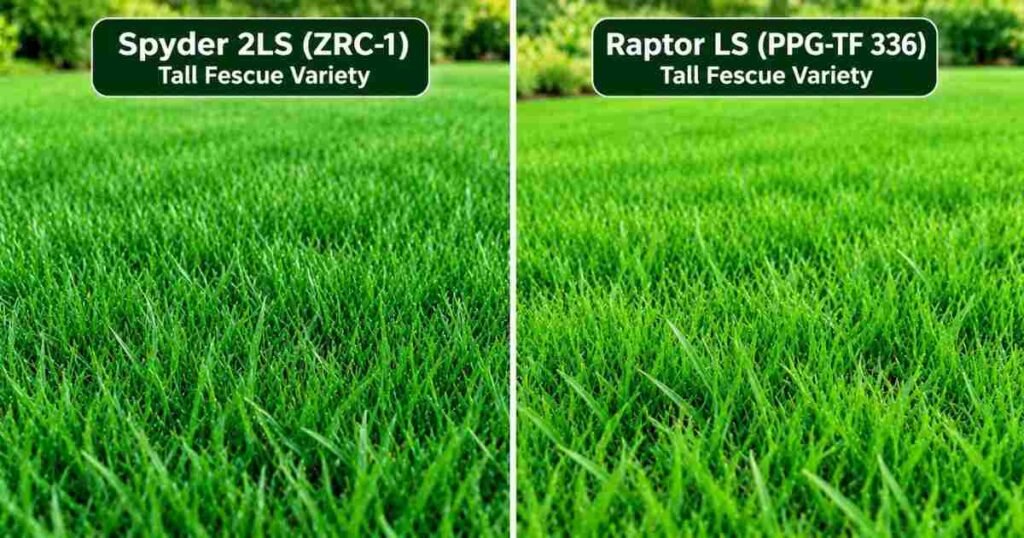
Spyder 2LS is a second-generation turf tall fescue grass whose growth is higher than other clumping bunch grasses. Though it lacks rhizomes, it repairs so fast from its roots spread quickly; that’s why it is called “Aggressive Tillers.”
Best Used For: Home lawns, professional landscapes, municipal turf, and sports fields.
Raptors LS or PPG-TF-336 comes from a modern evolution in the Raptor tall fescue family. It spreads laterally in two forms, either stolon-like as Bermuda grass or bunch types. It has drought and wear tolerance and also resistance to Brown Patch fungus. It is good in the Transition Zone and Northeast lawns, sports fields, and high-quality residential/commercial landscapes.
Characters:
| Parameters | Spyder 2LS (ZRC-1) | Raptor LS (PPG-TF 336) |
| Establishment (Days) | 42 – 58 days | 44 – 60 days |
| First Mowing (Days) | 19 – 26 days | 22 – 28 days |
| Endophyte + (Yes, No) | Yes | Yes |
| Germination (Days) | 10 – 14 days | 6 – 13 days |
| Mowing Frequency (Per Week) | 1 time per week | 1 time per week |
| Nitrogen Requirement (Low, Med, High) | Medium to low | Med |
| Segment | Premium Lawns, Landscapes, Sports Fields | Premium Turf, Golf Course Roughs, Sports Fields |
| Species | Tall Fescue (Lateral Spread™) | Tall Fescue (Lateral Spread™) |
| Sci. Name | Festuca arundinacea | Festuca arundinacea |
Bladerunner 3 Profile and Biology
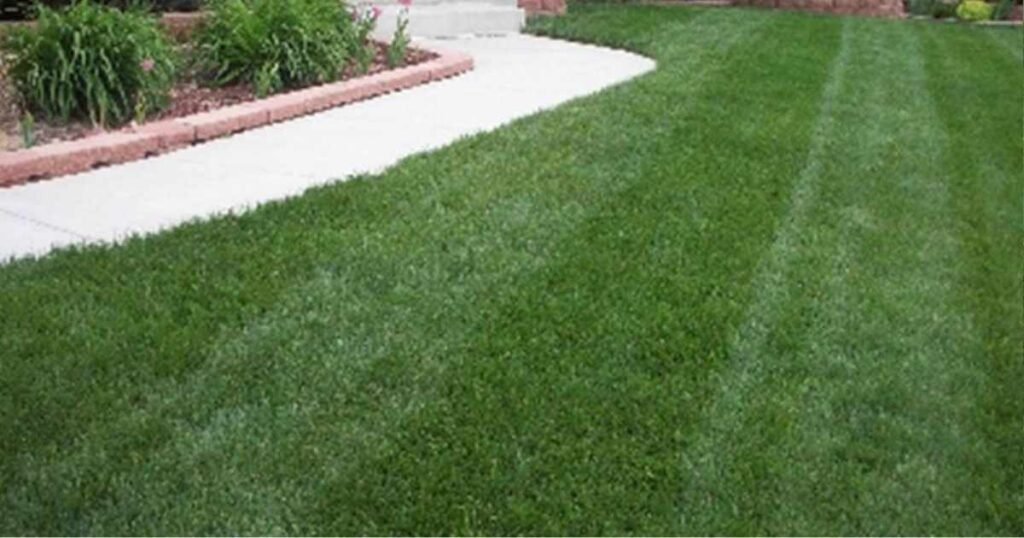
Bladerunner 3 is a wide-range tall fescue turf grass that grows everywhere, especially in drought- and heat-tolerant conditions. It grows so quickly and widely spreads over the lawn and landscapes. Due to its low-maintenance characteristics, most of the busy landowners try to use this grass in their area. The variety is made by DLF from the US. The grass is beneficial for high-traffic zones with standing or walking conditions; it is not as easily damaged as other grasses. Strong disease resistance, attractive appearance, and long-lasting performance make the grass a unique choice for farm owners. It is popular and found in the Northern and Midwest areas of the US.
General characteristic of Bladerunner 3
- Botanical name: Tall fescue
- Scientific Name: Schedonorus arundinaceus
- Full establishment time: 10–14 days
- First Mowing: 21- 28 days
- Endophyte + (Yes, No): YES
- Required duration of germination: 7- 14 days
- Weekly mowing Frequency: 1 per week
- Nutrition Requirement: Low nitrogen
- Segment: Turfgrass
Capitan Tall Fescue Grass Profile and Biology
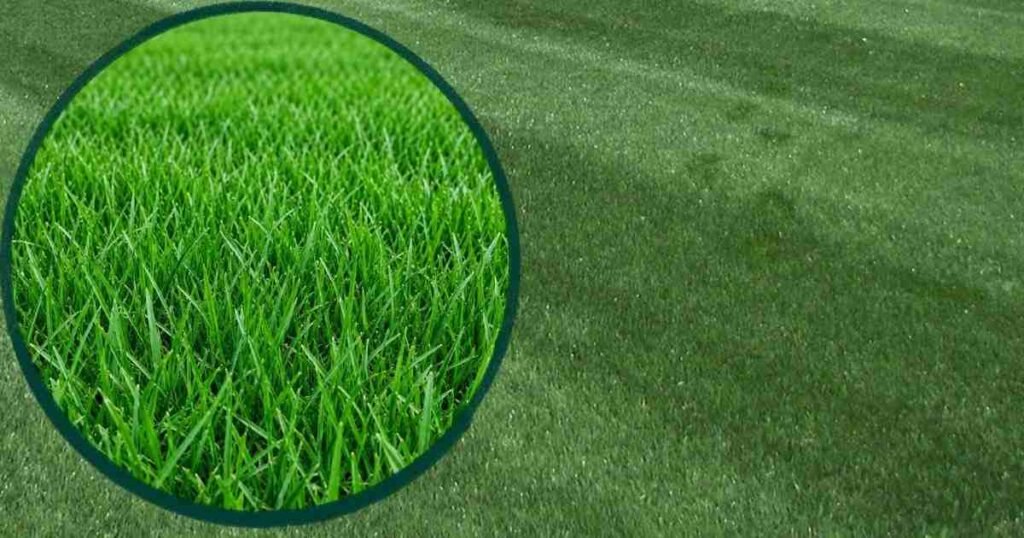
It is a tall fescue grass variety derived from DLF. It offers the densest turf and maintains more stress tolerate as foot wear. It makes a dark green patch that resistance becoming brown or grey spots under difficult conditions. It has a quick recover rate and makes the lawn green again without any signs of grass. Seed germination efficiency rate is so high that it makes very dense grass and does not allow weeds growth on the area. So, it is used by most of the lawn owners, sometimes on golf courses, sports fields, sod growers, etc.
General Biology of Capitan
- Botanical name: Tall fescue
- Scientific Name: Festuca arundinacea
- Full establishment time: Approximately 21–30 days (estimated)
- First Mowing: Approximately 21–28 days (depending on growth)
- Endophyte + (Yes, No): YES
- Required duration of germination: 10–14 days
- Weekly mowing Frequency: 1 per week
- Nutrition Requirement: Low nitrogen, phosphorus, and potassium
- Segment: Turfgrass
Titan Series (Titan GLX, Titan Rx) Profile and Biology
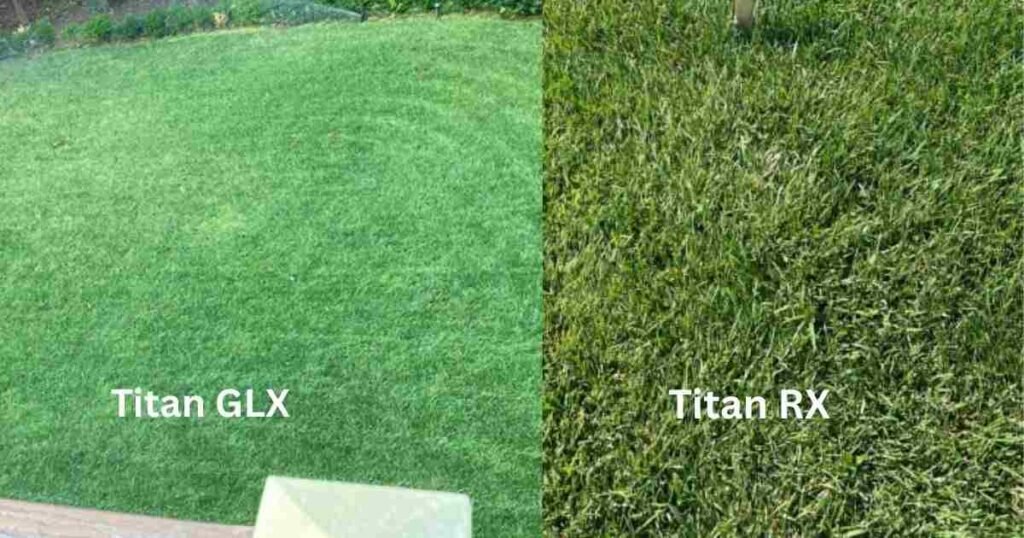
Titan series is a compact, dense, durable, and attractive tall fescue grass for lawns and landscapes. There are two types of Titan grass: Titan GLX and Titan RX. Titan GLX is a fifth generation and Titan RX is a fourth-generation variety of the Titan group. Both are known for drought tolerance, repair ability, heat resistance, disease resistance, and good adaptability in sunny or shaded areas. GLX is greener and darker compared to Rx of Titan. Rx is rhizomatous, and GLX has rooting ability, tilling through its roots and increasing turf.
Common Biological Characteristics of the Titan series of Turf fescue grass
| Characteristics | Details |
| Botanical Name | Tall Fescue |
| Scientific Name | Festuca arundinacea Schreb. |
| Full Establishment Time | Approximately 4–6 weeks |
| First Mowing | Approximately 3–4 weeks, depending on growth |
| Endophyte + (Yes/No) | Titan Rx: Yes; Titan GLX: Not confirmed |
| Required Duration of Germination | 7–14 days under favorable conditions |
| Weekly Mowing Frequency | Approximately 1 time per week |
| Nutrition Requirement | Moderate |
| Segment | Cool-season Turfgrass |
Avenger III & Titanium 2LS Turf Biology and Profile
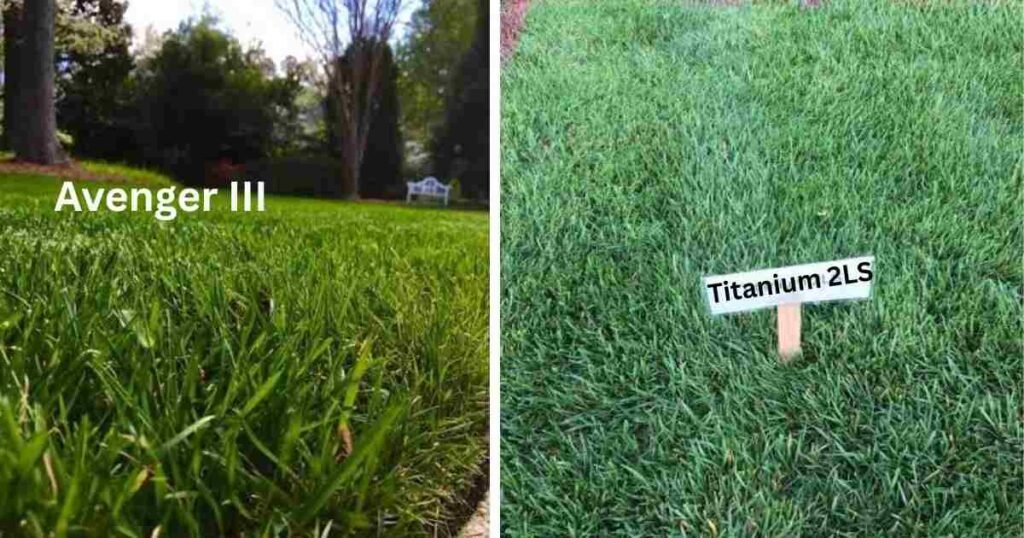
Both are Category I recommendations in Virginia’s turfgrass guidance. Titanium 2LS also appeared among Kansas State’s top statistical performers during 2012–2014 trials. Together they offer broad adaptation, good disease resistance, and moderate spread. Consider them for lawns that face mixed sun, occasional drought, and normal family traffic.
Biological value of Avenger III and Titanium 2LS
| Characteristics | Avenger III | Titanium 2LS |
| Botanical Name | Tall Fescue | Tall Fescue |
| Scientific Name | Festuca arundinacea | Festuca arundinacea |
| Full Establishment Time | 4–6 weeks (estimated) | 4–6 weeks (estimated) |
| First Mowing | Around 3 weeks | When grass reaches 7–8 cm |
| Endophyte + (Yes/No) | Not confirmed | Not confirmed |
| Germination Duration | 7–14 days | 7–14 days (general estimate) |
| Weekly Mowing Frequency | 1 time per week | 1 time per week |
| Nutrition Requirement | Approximately 25–30 g nitrogen/m² annually under the ICL | Low to moderate |
| Segment | Cool-season Turfgrass | Cool-season Turfgrass |
Firecracker G-LS Turf Fescue Profile and Biology
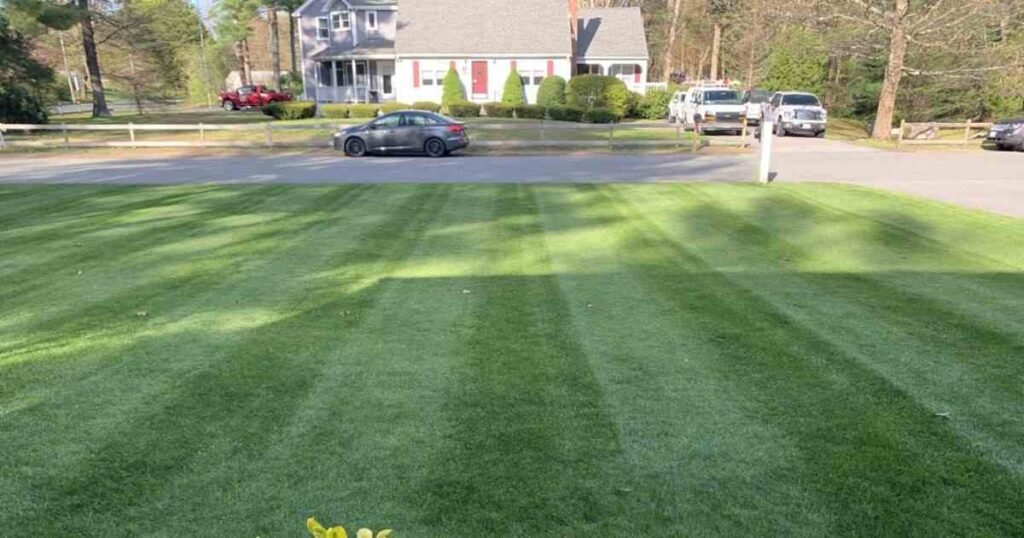
Firecracker types are valued for dark green, dense turf. The related Firecracker SLS scored well in the 2012 NTEP trials, and Firecracker G-LS holds a spot on Virginia’s recommended list. Choose it when appearance matters, such as front lawns, and you are willing to mow on schedule and water deeply in summer.
Biological characters
- Botanical name: Tall Fescue
- Scientific Name: Festuca arundinacea Schreb.
- Full establishment time: Approximately 4 to 6 weeks
- When to do first mowing: Within approximately 3 weeks
- Endophyte + (Yes, No): Yes
- Required duration of germination: Approximately 8 to 16 days
- Weekly mowing Frequency: Typical maintenance weekly once
- Mowing height: 2 to 3 inches
- Nutrition Requirement: 1 to 2 kg/ 1,000 sq. ft.
- Segment: Cool-Season Turfgrass
Crossfire 4 (IS-TF 310 SEL) Tall Fescue Biology and Profile
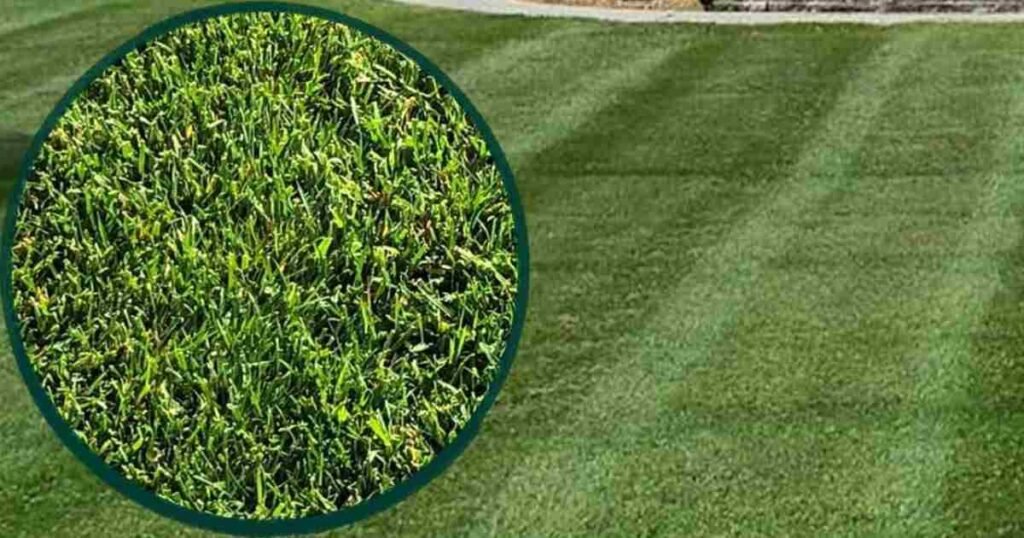
Crossfire 4 is an excellent turf fescue in both Southern and Northern cold regions as well. It has good adaptability in regions where fungus pressure is high. It has a dense, dark green, fine leaf texture and excellent stress tolerance. It is also drought-tolerant, traffic-wear and shade-tolerant with aggressive tillering. Generally, with normal dense grass, has found most vital disease of Brown Patch. But this variety is excellent for this disease resistance quality. That’s why in very cold and drought-prone areas, it is one of the most chosen varieties for people to grow.
Growing Biological Traits of Crossfire 4
- Botanical name: Tall Fescue
- Variety/ Cultivar: Crossfire 4 (IS-TF 310 SEL)
- Scientific Name: Schedonorus arundinaceus
- Full establishment time: 10–14 days
- When to do first mowing: 21- 28 days
- Endophyte + (Yes, No): Yes
- Required duration of germination: 7- 10 days
- Weekly mowing Frequency: weekly once
- Nutrition Requirement: low nitrogen
- Segment: Turfgrass – Cool-Season Grass
- Seeding Rate – New (Kg./100 sq. meters): 4-5 kg
- Seeding Rate – Overseed (Kg./100 sq. meters): 4-5 kg
Essential 2 Tall Fescue Variety Biology and Profile
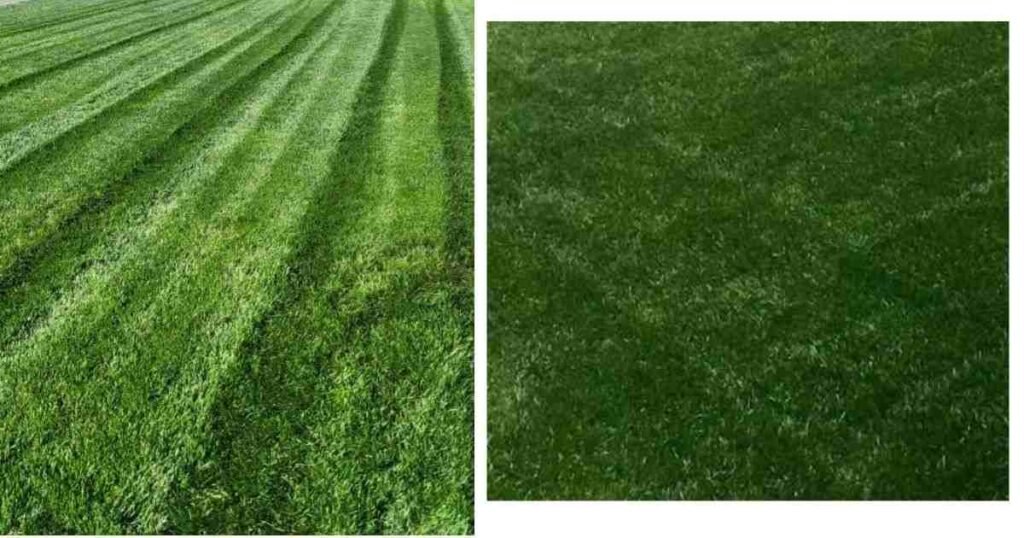
It is a cold-season perennial grass that is chosen especially by homeowners and lawn owners. It is very good, especially for dog and children’s playgrounds. The coarse and dense grass is special for adaptability, high foot traffic, low maintenance quality, quick recovery ability, and shows sustainable year-round colors. In 2023 North Central NTEP data, it scored 6.3 for mean quality, close to the top group.
Biology of Essential 2 Turf Fescue
- Botanical name: Tall Fescue
- Scientific Name: Schedonorus arundinaceus
- Full establishment time: 10–14 days
- When to do first mowing: 21–28 days
- Endophyte + (Yes, No): Yes
- Required duration of germination: 7–10 days
- Weekly mowing Frequency: 1 time per week
- Nutrition Requirement: Low
- Segment: Turfgrass mainly Cool-Season Grass
- Seeding Rate – New (Kg./100 sq. meters): 4-5 kg
- Seeding Rate – Overseed (Kg./100 sq. meters): 4-5 kg
Turfway Tall Fescue Variety Turfgrass
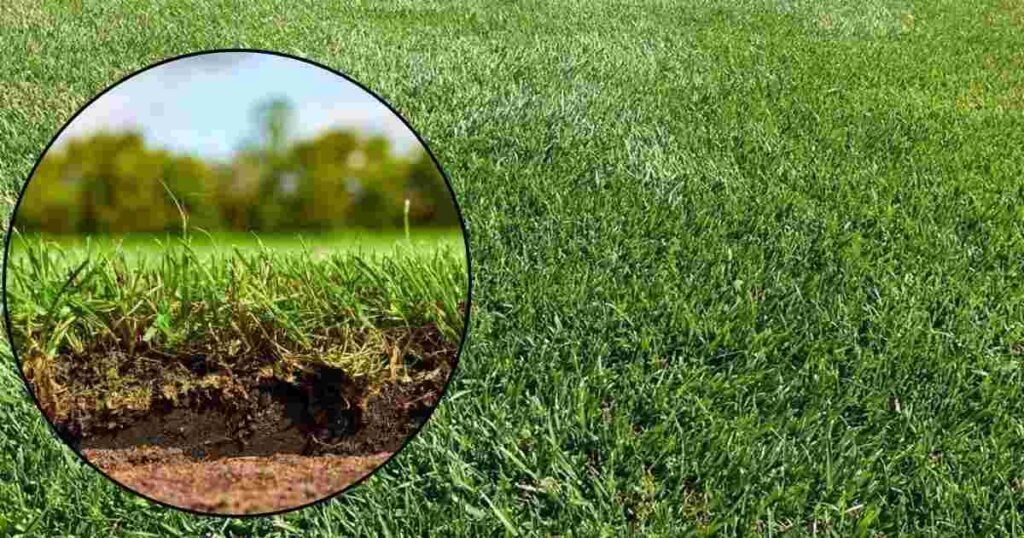
Turfway carries high endophyte levels, which help the plant resist certain insects and stresses. Its listed strengths include summer drought tolerance, resistance to stem rust and net blotch, aggressive tillering, and low maintenance requirements. It is Maryland-listed as promising and fits budget-conscious lawns in warm, dry summers.
General Characteristics
- Establishment (Days): 10-14
- First Mowing (Days): 17-28
- Endophyte + (Yes, No): Yes
- Germination (Days): 5 to 12 days
- Mowing Frequency (Per Week): once per week
- Nitrogen Requirement (Low, Med, High): Low
- Segment: Turfgrass
- Species: Tall Fescue
- Sci. Name: Schedonorus arundinaceus
Rowdy Variety of Tall Fescue Turf Grass
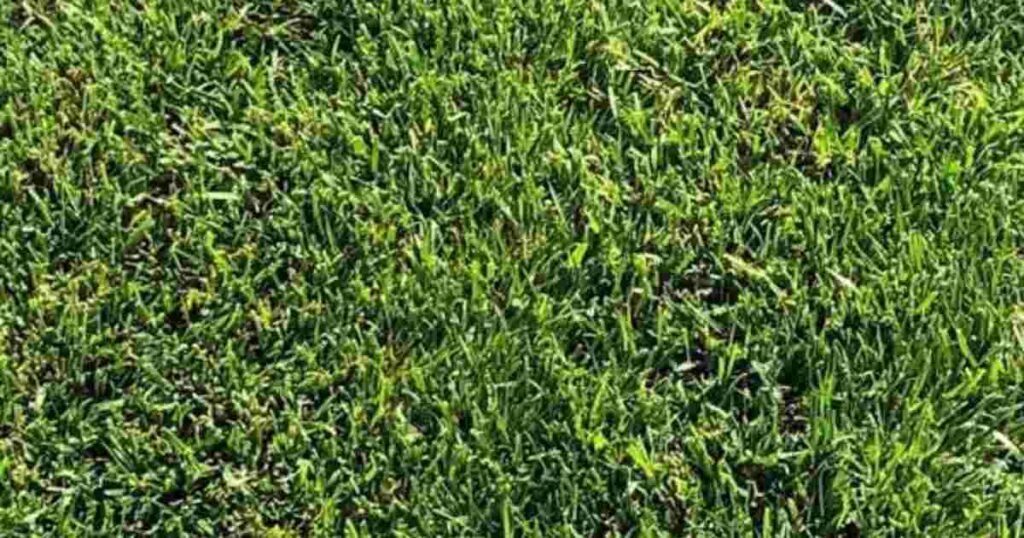
Rowdy was a Kansas State top performer in 2012–2014, is recommended by Virginia, and appears in several regional lists. DLF highlights brown patch resistance, rapid establishment, and early rhizome production for repair. Its drought rating is only 5 out of 9, so plan to irrigate in dry spells. It suits large lawns that need quick fill and reliable disease control.
General Characteristics
- Establishment (Days): 10-14
- First Mowing (Days): 21-28
- Endophyte + (Yes, No): Yes
- Germination (Days): 7-10
- Mowing Frequency (Per Week): 1
- Nitrogen Requirement (Low, Med, High): Low
- Segment: Turfgrass
- Species: Tall Fescue
- Sci. Name: Schedonorus arundinaceus
Choose Blends over Single Varieties, Which is a Worthy Decision?
For most home lawns, a blend of two to four proven Tall Fescue cultivars is the wiser choice. Different cultivars resist different diseases and recover differently from stress, so when one weakens, another carries the lawn. A single variety, however, delivers uniform color and texture, which matters for sod farms, sports turf, and show lawns.
| Your situation | Best choice | Example |
| Regular home lawn | Blend | Dixie Green, Turf-Saver RTF |
| Dogs, kids, heavy traffic | Rhizomatous blend | Trophy XRE |
| Perfectly uniform turf | Single variety | Bladerunner 3 |
| Humid, disease-prone area | Blend of resistant types | Crossfire 4 + Firewall + Houndog 8 |
Pros:
- Blend: spreads risk across disease, drought and wear, so one weak cultivar doesn’t ruin the lawn.
- Blend: recovers better in mixed conditions, such as sun and shade or dry and wet patches.
- Single variety: gives very uniform color, texture and height across the whole lawn.
- Single variety: is easy to match when overseeding, and works well for one targeted problem.
Cons:
- Blend: can look slightly less uniform in color and leaf texture.
- Blend: premium mixes can cost more, and quality depends on what the seed tag lists.
- Single variety: has no backup if one weakness, such as disease, hits the lawn.
- Single variety: may struggle where site conditions vary across the lawn.
Final Thought
Choosing the right Tall Fescue variety starts with your biggest problem, not the brand name. Match disease resistance, spread, and color to your site; use a blend when in doubt. Always follow fall seeding and 2 to 3 inches of mowing. Your lawn will stay dense and green for years.
FAQs
When is the best time to plant Tall Fescue?
Early fall is ideal. Spring seeding works, but summer heat can stress young plants before roots develop.
How fast does Tall Fescue germinate?
Expect seedlings in about 7-12 days at warm soil temperatures. Keep the seedbed evenly moist until they are established.
What mowing height is best?
Aim for 2 to 3 inches in most seasons and 3 inches during hot summers. Taller grass shades soil and resists weeds.
How often should I water?
About 1 to 1.25 inches weekly, delivered in one or two deep applications. Sandy soils may need more frequent, smaller applications.
Are endophyte-enhanced varieties safe?
They are widely used in lawns because the fungus helps deter insects. The same toxins can harm grazing livestock, so keep animals from eating the grass.
Why is my Tall Fescue thinning?
Common causes are summer brown patch, mowing too short, and over-fertilizing in warm weather. Raise the mower, water in the morning, fertilize in fall, and overseed with a disease-resistant variety.
Should I choose rhizomatous varieties?
Yes, if your lawn has heavy wear or repeated bare spots. Rhizomes help fill damage without constant reseeding.
Sources:
- DLF Pro Turf is the source for Rowdy, Bladerunner 3, Essential 2, Turfway, Rhizing Moon, Houndog 8 and Dixie Green: their characteristics, ratings and strengths. https://us.dlf.com/wholesale/pro-turf/species/tall-fescue/details/rowdy-216an0092c1
- Alseed, Turf-Saver RTF product page. It lists the four-variety blend and the 7-10 lb per 1,000 sq ft seeding rate. https://alseed.com/product/turf-saver-rtf-turf-type-tall-fescue/
- Powlen et al., Agronomy Journal (2024). Blends with at least 75% of a resistant cultivar cut brown patch by 71% and 83% in two trial years. https://vtechworks.lib.vt.edu/items/7cfecdb2-e50f-4d27-9f17-4a64b31afbb5
- University of Maryland Extension. Turf-type tall fescue is the recommended species; blends add genetic diversity, and a 90-95% tall fescue with 5-10% bluegrass mix suits high-traffic areas. https://extension.umd.edu/node/3331
- Clemson HGIC, tall fescue maintenance calendar. It supports the fall seeding, mowing, and watering advice in your Final Thought and FAQs. https://hgic.clemson.edu/factsheet/tall-fescue-maintenance-calendar.