
- 1. Get to Know Your Backyard
- 2. Think About Sydney's Climate When Picking Plants
- 3. Creating a Garden Layout That Works for You
- 4. Making Sure Your Soil is in Top Shape
- 5. Making Your Garden More Eco-Friendly
- 6. Give Your Garden Some Real Personality
- 7. Don't Let Your Garden Become a Maintenance Nightmare
- 8. Get a Grip on Your Budget Before You Start
- 9. Working with the Right Landscaping Pros
- The Final Word
A beautiful garden can totally change your home in a way that transports you to a place of serenity, where you can hang out with your mates, have quality time with family, or simply appreciate the great outdoors. Whether you’re planning a complete garden makeover or looking to improve your existing outdoor space, experienced Landscapers Sydney can help bring your vision to life. But having a top-notch garden isn’t just about curating a few nice plants and adding a few outdoor features—it requires serious planning, an understanding of the unique conditions of your local area, and making sensible decisions that suit your lifestyle.
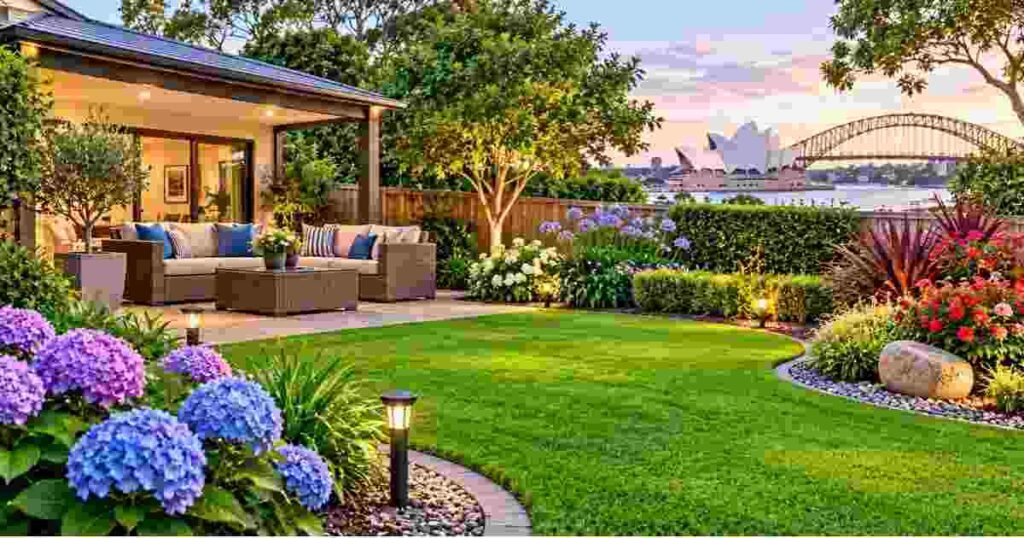
Thank you for reading this post, don't forget to subscribe!Sydney has got a rather unique environment for garden landscaping—warm summers, mild winters, the influence of the coast, and all those occasional downpours. Whether you’ve got a backyard that’s the size of a footy oval, or a teeny tiny courtyard that can only fit a handful of pots, the right approach will help you turn even the tiniest of spaces into something that not only works a treat but is also a ripping good looker. Here are a few things to keep in mind when planning your garden in Sydney.
- 1. Get to Know Your Backyard
- 2. Think About Sydney's Climate When Picking Plants
- 3. Creating a Garden Layout That Works for You
- 4. Making Sure Your Soil is in Top Shape
- 5. Making Your Garden More Eco-Friendly
- 6. Give Your Garden Some Real Personality
- 7. Don't Let Your Garden Become a Maintenance Nightmare
- 8. Get a Grip on Your Budget Before You Start
- 9. Working with the Right Landscaping Pros
- The Final Word
1. Get to Know Your Backyard
Before you even start digging, take some time to get a feel for your garden. Every single garden, regardless of how big or small it is, has its own little set of quirks and characteristics—shape, size, soil quality, sunlight… and all the other bits that can either make or break the place.
Take a good close look at how the sun moves over your garden throughout the day. Some parts will be basking in direct sunlight for hours on end while others are stuck in the shade, mostly out of sight. This will really give you a feel for which plants will do best in each spot, and where you should put your lawn, paths and outdoor furniture.
But also take the time to think about what you really want to keep – that old tree you’ve grown attached to, for example, or the retaining wall that keeps your backyard from sliding down the hill. Working with these can save you a pretty penny on landscaping and keep the character of your property – you know, the bits that make it special.
2. Think About Sydney’s Climate When Picking Plants
Picking the right plants is probably the most important part of creating a top-notch garden. Sydney has got a pretty varied climate, but if you choose plants that are tailored to your specific spot and growing conditions, you’ll have a much better chance of success.
Native Australian plants are a good bet because they’re often adapted to local conditions and can be pretty low maintenance once they get going. Here are a few favorites:
- Lomandra: a pretty hardy, grass-like plant that’s perfect for borders and garden beds.
- Grevillea: known for its pretty flowers and for being a magnet for native birds.
- Westringia: a versatile native shrub that’s great for hedges and borders.
- Kangaroo Paw – it’s a pretty, eye-catching flowering plant that adds a splash of color and interest to your garden.
- Callistemon: on the other hand, is also known as a bottlebrush and is a great choice for flowers and for boosting the local wildlife.
Try to mix it up a bit with different plant heights, textures, and flowering times so its still interesting all year round. But don’t get too caught up in the romance of it all—local conditions can vary pretty wildly across Sydney, so make sure your chosen plants can take the heat, your soil, your sun, etc.
3. Creating a Garden Layout That Works for You
When you start planning your garden, the thing you want is a beautiful space that works for you, not the other way round. The first step is to decide how you actually want to use the space before you start even thinking about planting or slapping up any outdoor features.
So what’s the right sort of layout for you? If you’ve got a family, you might love a big open lawn where the kids can run wild, while someone who loves having mates over might prioritize a patio or dining area.
Think about breaking your garden into different zones – each one has its own special purpose. For instance:
- Your relaxation haven: A spot with comfy seating where you can sit back and enjoy the view.
- The entertainment hub: A patio or deck with space for dining, or games, or just relaxing.
- The garden beds: Dedicated areas for flowers, shrubs, and all the plants you love.
- The open space: A wide open area perfect for kids to play or for you to have a picnic.
- The pathways: Quick and easy routes that connect everything together.
Having a clear plan in place makes your garden so much easier to get around and reduces the risk of it feeling cluttered and overwhelming. If you live in Sydney, a professional landscaper can even help you create a layout that balances looks, functionality, and the space you have to play with.
4. Making Sure Your Soil is in Top Shape
Healthy soil is the secret to a thriving garden. Even if you’ve picked the most beautiful plants, they’ll struggle if the soil isn’t giving them what they need.
Before you start, take a closer look at your soil. Sydney properties can have all sorts of different soil types—sandy, clay-heavy, or a mix of the two—depending on where in the city you live. Adding compost can really help to give your soil some much-needed TLC.
And don’t forget about drainage—it’s super important, especially if you get a lot of rainfall in your area. If your soil is waterlogged it can cause all sorts of problems for your plants—from root damage to muddy sections that are a nightmare to clean up.
So it’s worth thinking about incorporating some drainage solutions into your garden, such as garden grading or drainage channels. This can save you a lot of hassle in the long run.
5. Making Your Garden More Eco-Friendly
Sustainable landscaping is becoming more and more popular, especially in Sydney. It not only helps to save water and support local wildlife, but it also makes your garden way easier to maintain.
One simple way to get started is to install a rainwater tank to collect water for your garden. You can also use mulch to keep your soil moist, regulate its temperature, and even reduce weed growth.
Here are some other eco-friendly ideas to consider:
- Choosing plants that are super drought-tolerant and just right for your area.
- Installing a drip irrigation system that doesn’t waste a drop of water.
- Using permeable paving to make sure water can soak in.
- Creating a compost area to recycle your garden waste.
- Planting native species that will attract the local birds and bees.
These small changes can make a big difference to the health of your garden and the planet.
6. Give Your Garden Some Real Personality
A garden that’s missing a few key outdoor touches just doesn’t feel quite right. Depending on your budget and the space you’ve got to play with, a timber deck, stone pathway, water feature, pergola or some outdoor lighting could really make your garden more welcoming.
Lighting is a real game-changer – it lets you enjoy your garden right through till the sun goes down. Pathway lights will give you a bit more visibility, while some more subtle garden lighting can really bring out the good bits – trees, architectural features, that kind of thing.
If you want to add a bit more structure to your garden, think about using hardscaping elements like retaining walls, paved seating areas and stepping stones. These can add a nice bit of contrast to all that greenery.
But don’t go crazy – an overcrowded garden is never as nice as one where you’ve carefully chosen a few select features to really make an impact.
7. Don’t Let Your Garden Become a Maintenance Nightmare
A garden that looks great at first but falls apart a few weeks later is a real disappointment. Before you finalise your design, think carefully about how much time and effort you’re realistically going to have to put in to keep it looking good.
If you’re short on time, you might want to stick with plants that are pretty low-maintenance – less frequent pruning and watering is a big help. Mulching, automating your irrigation system and clearly defining your garden beds can all help reduce the amount of work you need to do.
When you’re picking out plants, take a moment to think about how big they’re going to get. Trees and shrubs that grow too big can be a real nuisance – blocking pathways, messing up nearby structures and requiring regular trimming are all common problems.
Planning ahead like this can really save you a lot of hassle down the line.
8. Get a Grip on Your Budget Before You Start
Budgeting is key when it comes to keeping your landscaping project on track. Costs can vary wildly depending on all sorts of things – the size of your garden, how complicated your design is, the materials you use and so on.
Before you start, make a list of the things you really need to get done and divide your project into ‘must-haves’ and ‘nice-to-haves’. So, for example, if you’re dealing with basic drainage issues or poor soil quality, you might want to focus on those things before you start adding in all the fancy decorative touches.
It’s also a good idea to leave a bit of wriggle room in your budget for unexpected expenses – you never know when you might need to shell out for some extra soil preparation or unforeseen drainage work.
Getting quotes from a few different landscapers and comparing their services can really help you make informed decisions without having to cut corners on quality.
9. Working with the Right Landscaping Pros
While you might be able to handle some smaller gardening tasks yourself, more substantial landscaping projects can really benefit from having some pros on the job. A seasoned landscaper will be able to come to your property, get a sense of what’ll work, and suggest the right plants and layouts for your space.
When you’re looking to hire a reliable landscaper in Sydney, have a good look at their previous work, listen in to what their customers have to say, and find out how much experience they have. It’s also a good idea to ask if they can knock up a detailed proposal that outlines what materials will be used, what it’s likely to cost, and how long the whole thing will take.
Working with a decent landscaping crew can actually prevent you from making some of the more common design mistakes and will make sure that all the different bits of your garden work together nicely.
The Final Word
Designing that perfect garden landscape in Sydney is all about finding a balance between being creative, thinking practically, and having a good understanding of how the local environment is going to affect your outdoor space. From choosing plants that are native to your area and sorting out your soil to designing functional outdoor zones and bringing in some eco-friendly features, every decision you make is going to contribute to what your final result is going to be.
By setting yourself some clear goals, working out a budget that’s realistic, and thinking about how much maintenance will be required down the line, you’ll be able to create an outdoor space that fits in with your home and lifestyle. And whether you’re looking to give a small courtyard a bit of a refresh or completely transform your backyard, doing some thoughtful planning and getting some expert advice along the way can really help bring your landscaping vision to life.