 Skip to content
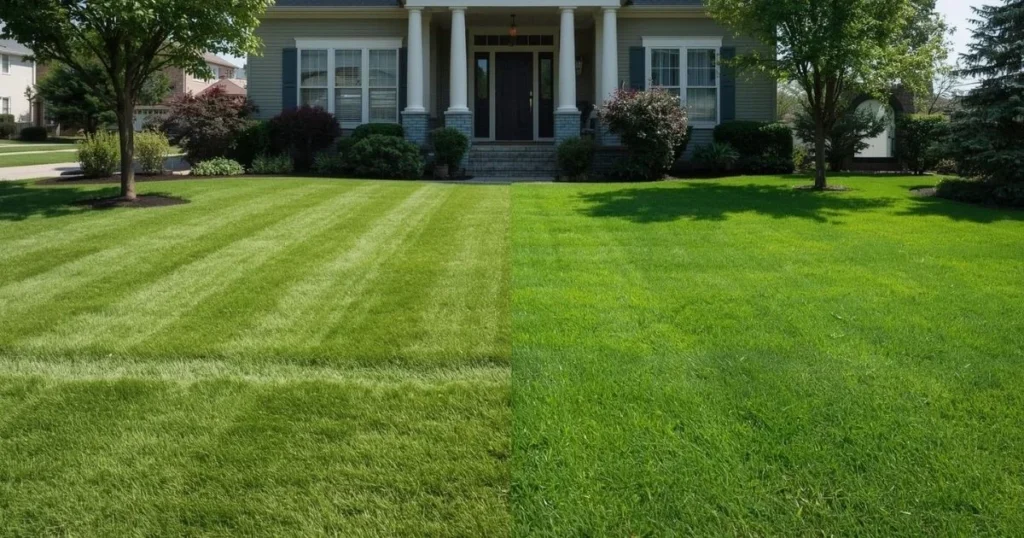
Most people search zoysia grass vs fescue after something goes wrong with their lawn. I have seen homeowners spend money on seed or sod, follow basic care steps, and still end up with thin grass, brown spots, or patchy areas. Some choose zoysia because they hear it saves water, then worry when it turns brown in winter. Others choose fescue for its green look, only to watch it struggle during summer heat.
In most cases, the grass was not the real problem. The wrong grass was chosen for the yard. Sun, shade, climate, and daily use matter more than people think. I have worked with lawns that get full sun all day and others that stay shaded most of the time. The same grass never works well in both. This guide explains zoysia grass vs fescue using real lawn situations so you can avoid wasting time, effort, and money. If you want a broader overview of lawn grasses and how different types fit different climates and uses, see our Grass Types guide.
- Understanding Grass Varieties and Growth Behavior
- Zoysia Grass vs Fescue: Growth and Climate Fit
- USDA Zones: Where Each Grass Grows Best
- Zoysia: The Tough, Low-Maintenance Option
- Common Types of Zoysia and Fescue
- Fescue Blend: The Shade Garden Champion
- Zoysia vs Fescue: Appearance and Texture
- Winter Dormancy Explained
- Side-by-Side Comparison
- Cost Comparison: Zoysia Grass vs Fescue
- Establishment: Seed, Sod, and Time
- Zoysia vs Fescue: Water and Care Needs
- Seasonal Care Timing
- Damage, Pets, and Traffic Use
- Common Lawn Problems and Fixes
- Choosing Based on Your Yard
- Key Factors Before You Commit
- Frequently Asked Questions
- Quick Decision Guide
- Final Thoughts
Key Takeaways
- Zoysia grass works best in hot, sunny yards.
- Fescue grass works best in shade and cooler climates.
- Zoysia needs patience but uses less water long-term.
- Fescue gives faster results and is easier to repair.
- Choosing the wrong grass causes most lawn problems.
Understanding Grass Varieties and Growth Behavior
Zoysia grass and fescue grow in different seasons.
Zoysia grass is a warm-season grass.
Fescue is a cool-season grass.
Zoysia grows actively in warm months and slows down in winter.
Fescue grows best in spring and fall and stays greener in cool weather.
This seasonal difference affects watering, mowing, and long-term care.
Zoysia Grass vs Fescue: Growth and Climate Fit
Climate is the most important factor.
Zoysia grass performs best in hot, sunny regions.
Fescue performs best in cooler or mixed climates.
Mixing zoysia grass and fescue in the same lawn usually leads to uneven growth. They grow at different times of the year and compete with each other, which often results in patchy areas.
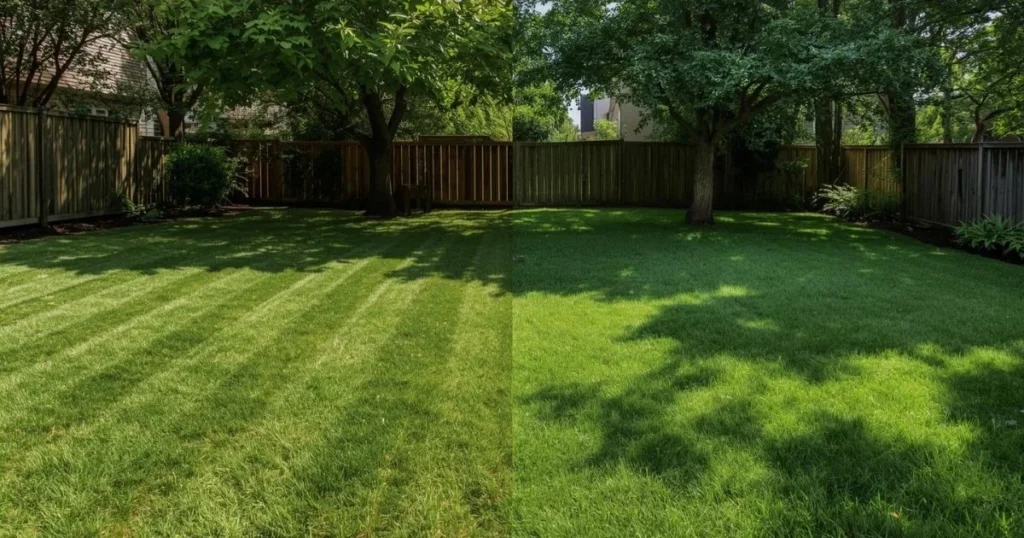
Zoysia grass works best when:
- Summers are hot and long
- The lawn gets full sun
- Lower long-term water use matters
Fescue works best when:
- Summers are mild or short
- The lawn has shade
- Green color is preferred most of the year
USDA Zones: Where Each Grass Grows Best
USDA zones help match grass to climate.
Zoysia grass grows best in zones 7 to 10.
These zones include most southern states.
Fescue grows best in zones 4 to 7.
It also performs well in the transition zone with proper watering.
Simple zone guidance
- Southern states: zoysia usually wins
- Northern states: fescue is safer
- Transition zone: fescue fits most yards, zoysia needs full sun
Zoysia: The Tough, Low-Maintenance Option
Zoysia spreads sideways and forms a dense lawn.
Once established, it needs less water than many grasses. It also handles foot traffic well after maturity.
Benefits of zoysia grass
- Dense growth reduces weeds
- Lower water use over time
- Handles heat very well
- Good traffic tolerance
Downsides of zoysia grass
- Slow to establish
- Turns brown in winter
- Repairs damage slowly
- Higher upfront cost
Common Types of Zoysia and Fescue
Different types perform differently.
Popular zoysia types
- Meyer zoysia: better cold tolerance
- Emerald zoysia: fine texture
- Zeon zoysia: better shade tolerance
Popular fescue types
- Tall fescue blends: deep roots
- Turf-type tall fescue: darker green color
Choosing the right type improves results even in the same climate.
Fescue Blend: The Shade Garden Champion
Fescue grows in clumps and has deep roots. This helps it handle shade and short dry periods.
It is often the top choice for lawns with trees.
Benefits of fescue grass
- Strong shade tolerance
- Grows fast from seed
- Stays green longer
- Easy to repair
Downsides of fescue grass
- Needs more summer water
- Can thin in heat
- Needs regular care
Zoysia vs Fescue: Appearance and Texture
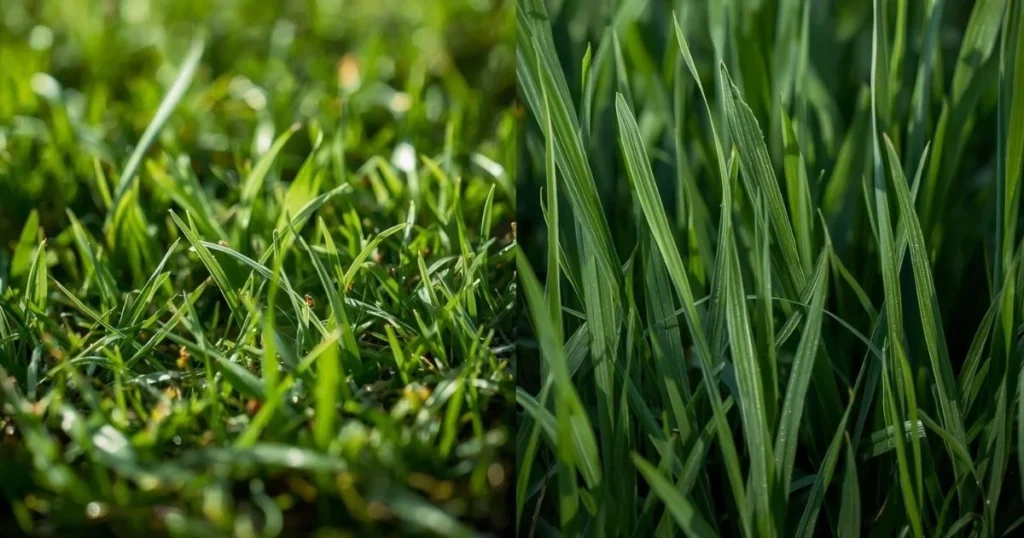
Zoysia blades are fine to medium. The lawn looks smooth and even.
Fescue blades are wider. The lawn looks natural and soft.
Zoysia often looks brighter in summer.
Fescue usually looks greener in winter.
Winter Dormancy Explained
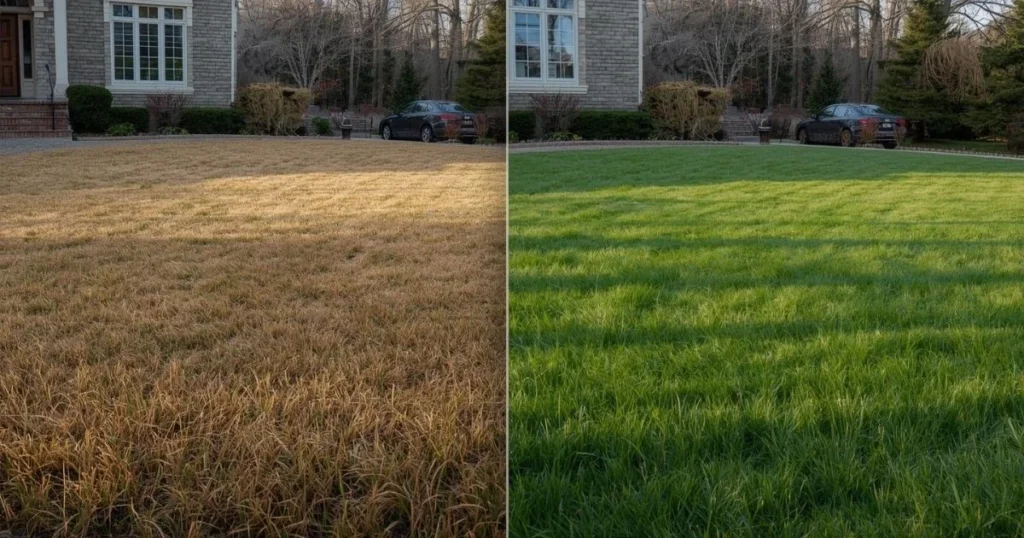
Zoysia grass turning brown in winter is normal.
It is dormant, not dead.
Many homeowners think zoysia grass has died during its first winter. This is a common concern, but dormancy is a normal part of its growth cycle.
Dormancy protects the grass. Green color returns in spring when temperatures rise.
Fescue stays greener in winter but grows slowly.
Seasonal Lawn Color Comparison
| Season | Zoysia Grass | Fescue Grass |
|---|---|---|
| Spring | Green-up begins late | Strong green color |
| Summer | Bright green | May stress in heat |
| Fall | Color fades | Strong green |
| Winter | Brown dormancy | Mostly green |
Side-by-Side Comparison
| Feature | Zoysia Grass | Fescue Grass |
|---|---|---|
| Season type | Warm season | Cool season |
| Best climate | Hot summers | Mild summers |
| Shade tolerance | Medium | High |
| Water needs | Low after establishment | Medium to high |
| Traffic tolerance | High when mature | Medium |
| Winter color | Brown | Green |
| Establishment speed | Slow | Fast |
| Repair speed | Slow | Fast |
Cost Comparison: Zoysia Grass vs Fescue
Cost matters for most homeowners.
Zoysia usually costs more at the start.
It is often installed as sod or plugs.
Fescue costs less to install because it grows easily from seed.
Cost overview
- Zoysia sod: high upfront cost
- Zoysia plugs: medium cost, slow fill
- Fescue seed: lowest cost
Over time, zoysia may save money on water.
Fescue may cost more long-term due to reseeding and watering.
Establishment: Seed, Sod, and Time
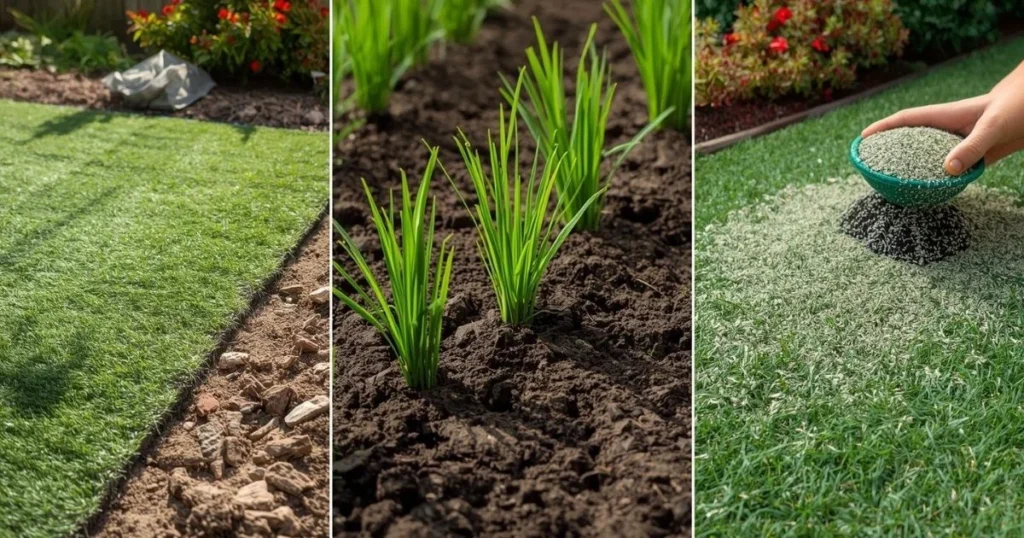
Zoysia is planted as sod or plugs. Seed options are limited.
Fescue grows quickly from seed.
Zoysia timeline
- Sod: instant coverage
- Plugs: several months to spread
- Full lawn: up to two years
Fescue timeline
- Germination: 7 to 14 days
- Full lawn: one season
Zoysia vs Fescue: Water and Care Needs
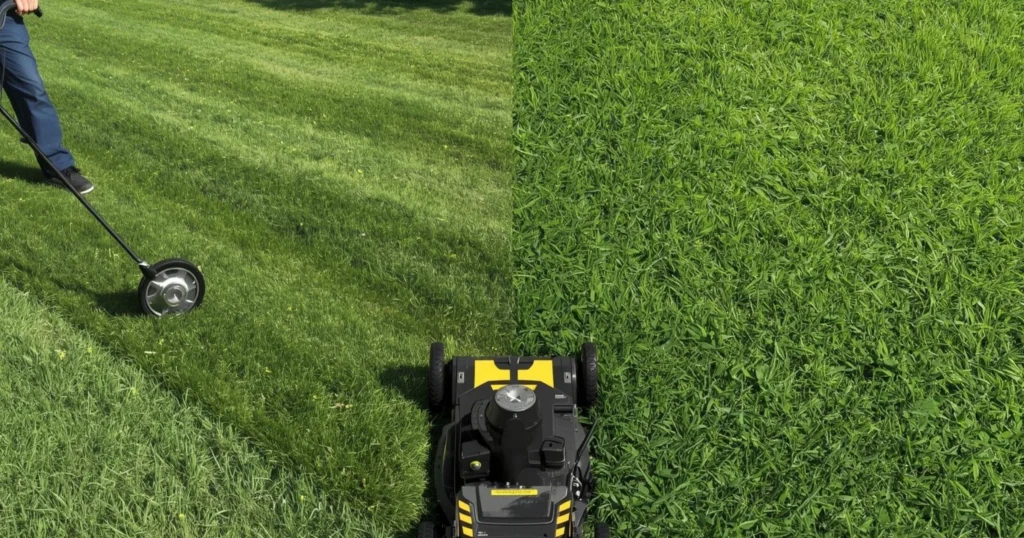
Zoysia uses water more efficiently once mature.
Fescue needs steady watering during summer heat.
Mowing needs
- Zoysia: lower, less often
- Fescue: higher, more often
Feeding needs
- Zoysia: fewer feedings
- Fescue: regular feeding
Seasonal Care Timing
Zoysia grass
- Plant in late spring or early summer
- Feed during summer growth
- Expect winter dormancy
Fescue grass
- Seed in early fall or spring
- Reduce stress in summer
- Overseed in fall
Common Mistakes to Avoid
- Planting zoysia grass in heavy shade.
- Expecting zoysia to stay green in winter.
- Planting fescue during peak summer heat.
- Cutting fescue grass too short.
- Overwatering both grasses.
Damage, Pets, and Traffic Use

Zoysia handles heavy foot traffic well once mature.
It is a good choice for play areas after establishment.
Fescue repairs faster after damage.
This helps in yards with pets or frequent wear.
Common Lawn Problems and Fixes
Zoysia issues
- Slow repair
- Patch diseases in wet soil
Fix: limit traffic and avoid overwatering.
Fescue issues
- Heat stress
- Brown patches
Fix: deep watering and overseeding.
Choosing Based on Your Yard
Ask these questions:
Is your yard mostly shady?
Fescue fits better.
Do you live in a hot climate?
Zoysia performs better.
Do you want fast results?
Fescue is quicker.
Do you want long-term water savings?
Zoysia is stronger.
Who Should Avoid Each Grass
Zoysia grass may not be right if:
- Your yard gets heavy shade.
- You want fast results.
- You dislike winter brown lawns.
Fescue grass may not be right if:
- You live in extreme summer heat.
- You want very low water use.
- You cannot overseed when needed.
Key Factors Before You Commit
Think long term.
- Climate
- Shade levels
- Water limits
- Maintenance time
- Budget
A good match avoids future problems.
Frequently Asked Questions
Can zoysia and fescue be mixed?
No. They compete and grow at different times.
Which grass is better for dogs?
Both work. Fescue repairs faster.
Which grass costs more?
Zoysia costs more at first. Fescue costs more over time.
Which grass stays green longer?
Fescue stays green longer in cool seasons.
Choose Based on Your Situation
| If your situation is… | Better choice |
|---|---|
| Hot summers and full sun | Zoysia grass |
| Shaded yard | Fescue grass |
| Want fast results | Fescue grass |
| Want lower water use long-term | Zoysia grass |
| Kids and heavy play | Zoysia (after establishment) |
| Pets causing damage | Fescue grass |
Quick Decision Guide
Choose zoysia grass if:
- You live in a warm climate
- Your lawn gets full sun
- You want lower water use later
Choose fescue grass if:
- Your lawn has shade
- You live in a cooler or mixed climate
- You want fast results
Final Thoughts
After helping many homeowners compare zoysia grass vs fescue, one thing is always clear. There is no perfect grass for every yard. I have seen zoysia lawns look thick and clean in sunny, warm areas with less water. In shaded yards or when fast results are expected, zoysia often fails. Fescue lawns tend to stay green and soft in cooler or shaded areas, but long summer heat can cause stress and thinning. The best lawns come from matching grass to real conditions, not advice from ads or neighbors. When you choose based on climate, sunlight, and care time, your lawn stays healthy for years instead of seasons.