 Skip to content
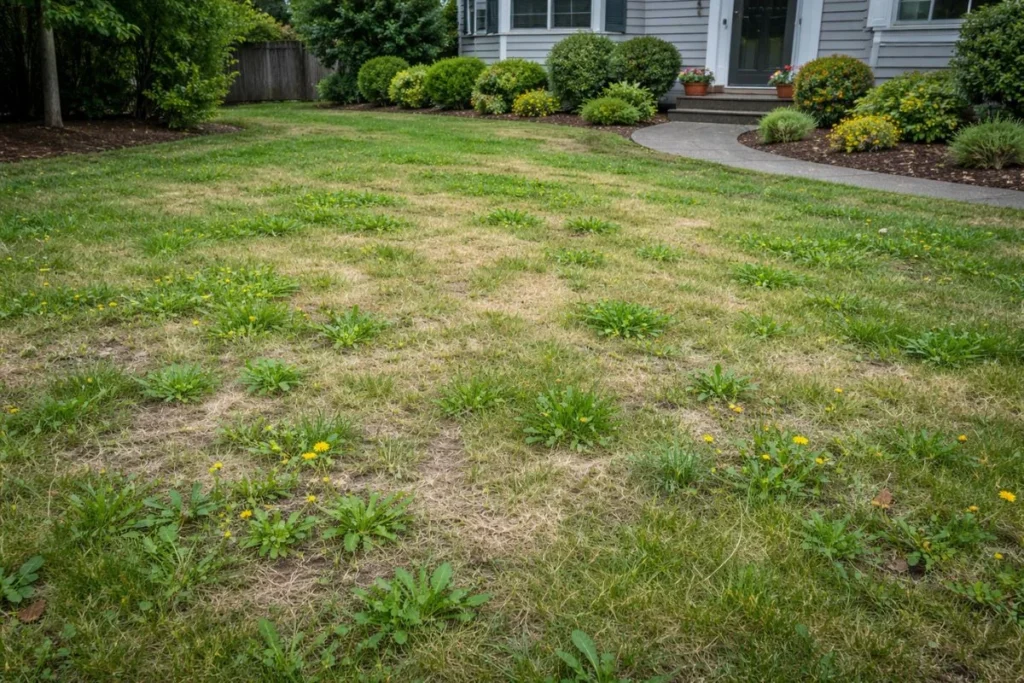
I still remember standing in my yard, looking at a lawn that refused to improve. Fertilizer went down on schedule, and watering was consistent. Bare spots were reseeded, yet the grass stayed thin and weak.. Yet the grass stayed thin, pale, and weak. Weeds kept spreading, and moss showed up in shaded areas. At that point, I thought the problem was bad fertilizer or poor seed.
After testing the soil, I realized the real issue was below the surface. The soil pH was too low. The grass could not use nutrients that were already present in the soil. Once I corrected the pH with lime, everything changed. Fertilizer started working. Grass thickened. Growth became even. Many homeowners face this same problem without knowing it. This guide is written to help you avoid that frustration and fix the soil the right way.
- What Is Lime for Lawns?
- Why Lime Treatment for Lawn Is Needed
- How to Know If Your Lawn Needs Lime
- How to Read a Lab Soil Test
- Why Soil pH Matters More Than Fertilizer
- When to Apply Lime to a Lawn
- Cool-Season vs Warm-Season Lawn Timing
- How Often Should You Lime a Lawn?
- Types of Lime Used for Lawns
- Forms of Lawn Lime
- How Much Lime to Apply
- Lime Application Rate by Soil Type and pH
- Lime Calculator Formula
- Best Spreader to Use for Lime Treatment
- Spreader Settings and Even Coverage Tips
- How to Apply Lime to Your Lawn
- Can You Apply Lime and Fertilizer Together?
- How Long Does Lime Take to Work?
- What to Expect After Lime Treatment
- When to Retest Soil After Lime Treatment
- Common Lime Treatment Mistakes
- Environmental and Safety Notes
- Lime Treatment Cost for Lawn
- Can Lime Hurt Grass?
- Frequently Asked Questions About Lime Treatment for Lawn
- Final Thoughts
Key Takeaways
- Lime treatment fixes acidic soil, not grass directly
- Always test soil before applying lime using a reliable soil test kit to confirm pH levels and recommendations.
- Most lawns need lime every 2–3 years
- Fall works best for cool-season lawns, spring for warm-season lawns
- Lime takes months to show full results
What Is Lime for Lawns?
Lime is a natural soil treatment made from limestone.
Its main job is to raise soil pH.
Grass grows best when soil pH stays between 6.0 and 7.0.
Below this range, nutrients stay locked in the soil.
Lime does not feed grass.
It prepares the soil so grass can use nutrients already present.
Why Lime Treatment for Lawn Is Needed
Acidic soil causes hidden lawn problems. In some yards, poor drainage can also weaken roots and make pH problems worse. Learn practical lawn drainage solutions if water sits on the surface after rain.
Common signs include:
- Grass stays pale after fertilizing
- Growth is slow or uneven
- Moss spreads easily
- Weeds grow better than grass
- Bare or thinning areas appear
Rain, fertilizer, and time slowly increase soil acidity.
This is normal and happens in many US lawns.
If fertilizer does not help, soil pH is often the reason.
How to Know If Your Lawn Needs Lime
Do I Need Lime for My Lawn?
| Lawn Condition | Likely Need Lime? |
|---|---|
| Soil pH below 6.0 | Yes |
| Fertilizer not working | Possibly |
| Grass thin or pale | Possibly |
| Soil pH 6.5–7.0 | No |
| Healthy, dense grass | No |
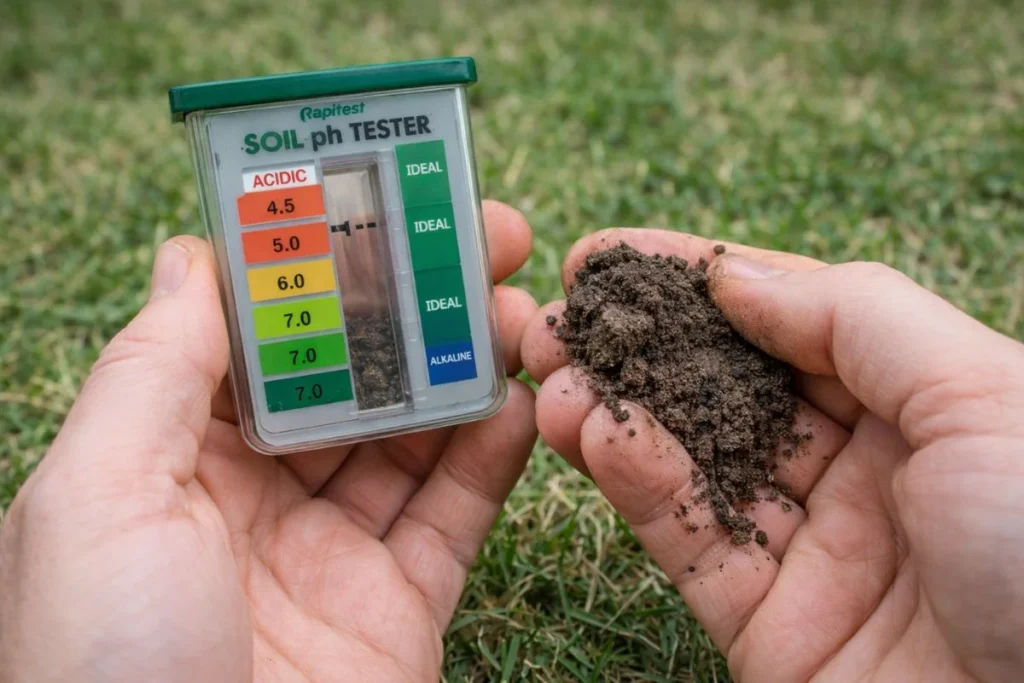
Never apply lime based on guesswork.
Soil Testing Comes First
A soil test shows:
- Soil pH level
- If lime is needed
- How much lime to apply
Home test kits give quick results.
Lab tests are more precise.
If soil pH is below 6.0, lime treatment is usually helpful.
If soil pH is normal, lime should not be used.
How to Read a Lab Soil Test
If you use a professional lab test, your report may show:
- Soil pH
- Buffer pH
- Calcium (Ca)
- Magnesium (Mg)
- Lime recommendation in pounds per 1,000 sq ft
Example:
If your soil pH is 5.2 and the target is 6.5, the lab may recommend 40–50 pounds of lime per 1,000 square feet.
Buffer pH helps labs calculate how much lime is required.
You do not need to calculate this yourself.
Follow the recommendation listed on your report.
Always apply only the amount suggested.
Do not guess.
Why Soil pH Matters More Than Fertilizer
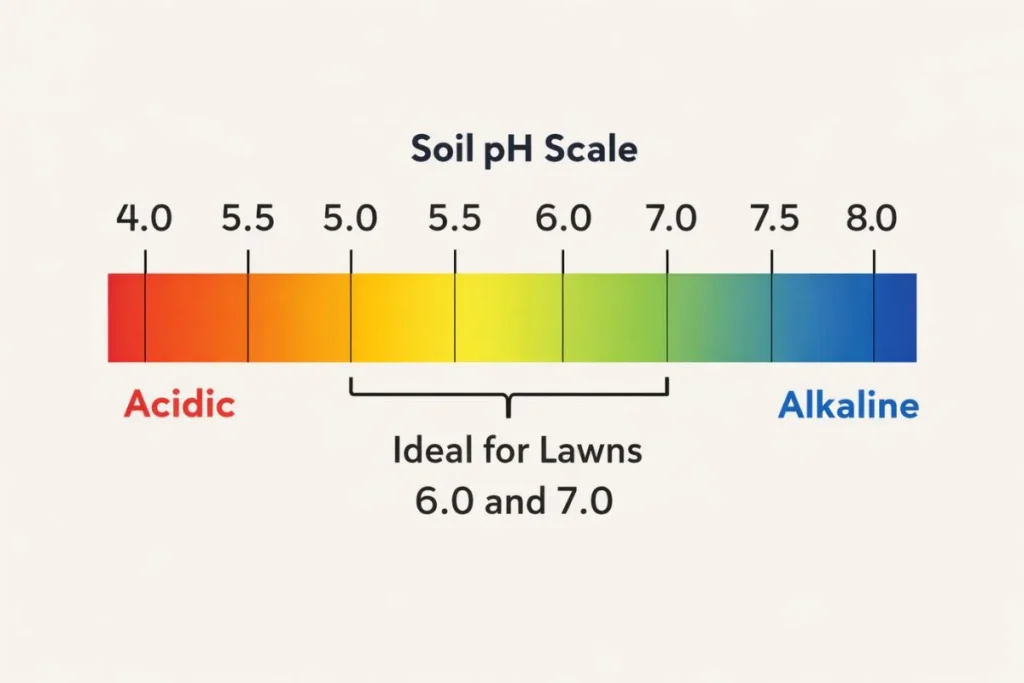
Many lawn owners think fertilizer fixes everything.
This is not true.
When soil is too acidic:
- Nitrogen uptake drops
- Phosphorus becomes unavailable
- Roots stay weak
Adding more fertilizer does not solve this.
Lime fixes the soil first so fertilizer can work later.
When to Apply Lime to a Lawn
Correct timing improves results.
Best Time for Lime Treatment
- Fall is best for most lawns
- Early spring is also effective
Fall allows lime to adjust soil slowly over winter.
Spring works well if soil is not frozen.
Avoid applying lime before heavy rain.
Cool-Season vs Warm-Season Lawn Timing
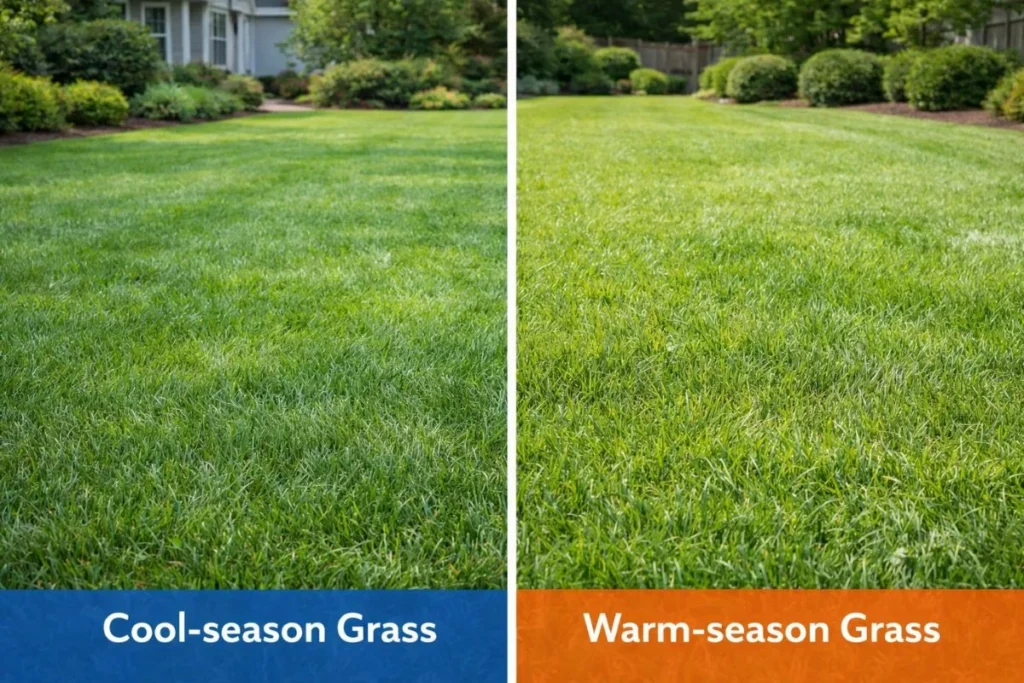
| Lawn Type | Best Lime Timing |
|---|---|
| Cool-season grass | Fall |
| Warm-season grass | Spring |
Grass type affects timing.
Cool-Season Grass
- Best time: fall
- Grass grows in cooler weather
Warm-Season Grass
- Best time: spring
- Grass grows in warmer months
Correct timing reduces stress on grass.
How Often Should You Lime a Lawn?
Most lawns need lime every 2 to 3 years.
Some soils need it more often.
Always test soil before reapplying.
Too much lime raises pH too high and causes nutrient problems.
Types of Lime Used for Lawns
Calcitic Lime
- Raises pH
- Adds calcium
- Used when magnesium is normal
Dolomitic Lime
- Raises pH
- Adds calcium and magnesium
- Used when magnesium is low
Your soil test result guides this choice.
Forms of Lawn Lime
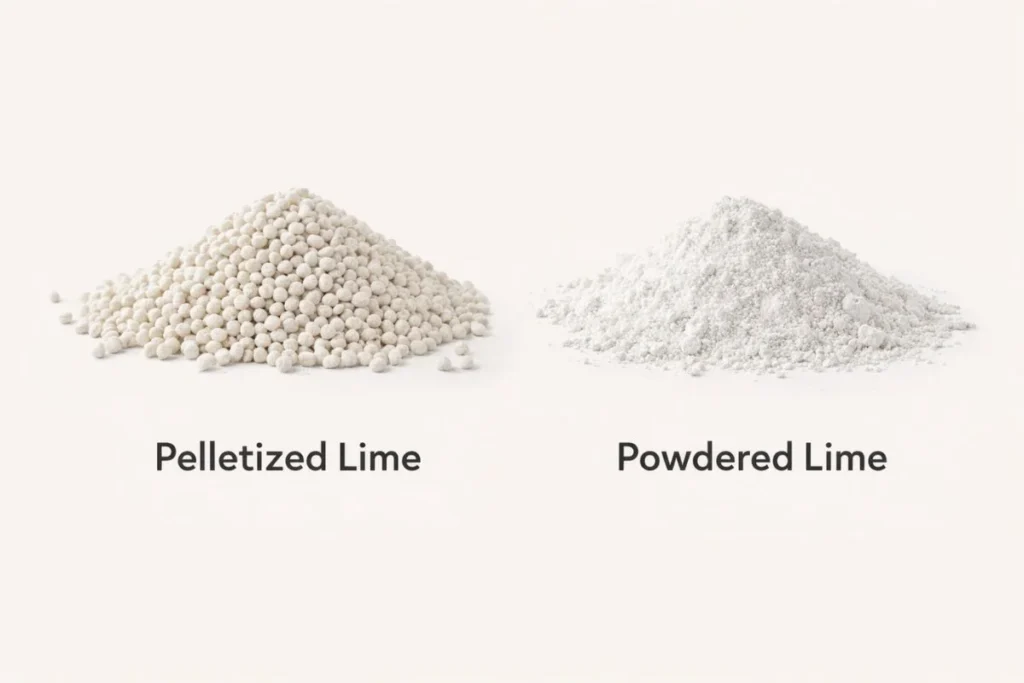
Pelletized Lime
- Easy to spread
- Low dust
- Best for home lawns
Powdered Lime
- Reacts faster
- Harder to apply evenly
- Creates dust
Most homeowners choose pelletized lime for safety and ease.
How Much Lime to Apply
Lime amount depends on:
- Soil pH
- Soil type
- Lawn size
Clay soil needs more lime.
Sandy soil needs less.
Never apply lime without guidance.
Lime Application Rate by Soil Type and pH
Below is a general guide for 1,000 square feet.
| Soil pH | Sandy Soil | Loam Soil | Clay Soil |
|---|---|---|---|
| 5.0 – 5.5 | 40–50 lbs | 50–60 lbs | 60–70 lbs |
| 5.5 – 6.0 | 25–35 lbs | 35–45 lbs | 45–55 lbs |
| 6.0 – 6.5 | 10–20 lbs | 20–30 lbs | 30–40 lbs |
Always follow soil test results first.
Lime Calculator Formula
To estimate how much lime you need:
Step 1: Measure your lawn size in square feet.
Step 2: Use your soil test recommendation (example: 40 lbs per 1,000 sq ft).
Formula:
(Lawn size ÷ 1,000) × recommended pounds = total pounds needed
Example:
If your lawn is 5,000 sq ft and the recommendation is 40 lbs per 1,000 sq ft:
5 × 40 = 200 lbs total lime needed.
Apply in two passes if applying more than 50 lbs per 1,000 sq ft at one time.
Best Spreader to Use for Lime Treatment
Even coverage prevents patchy results.
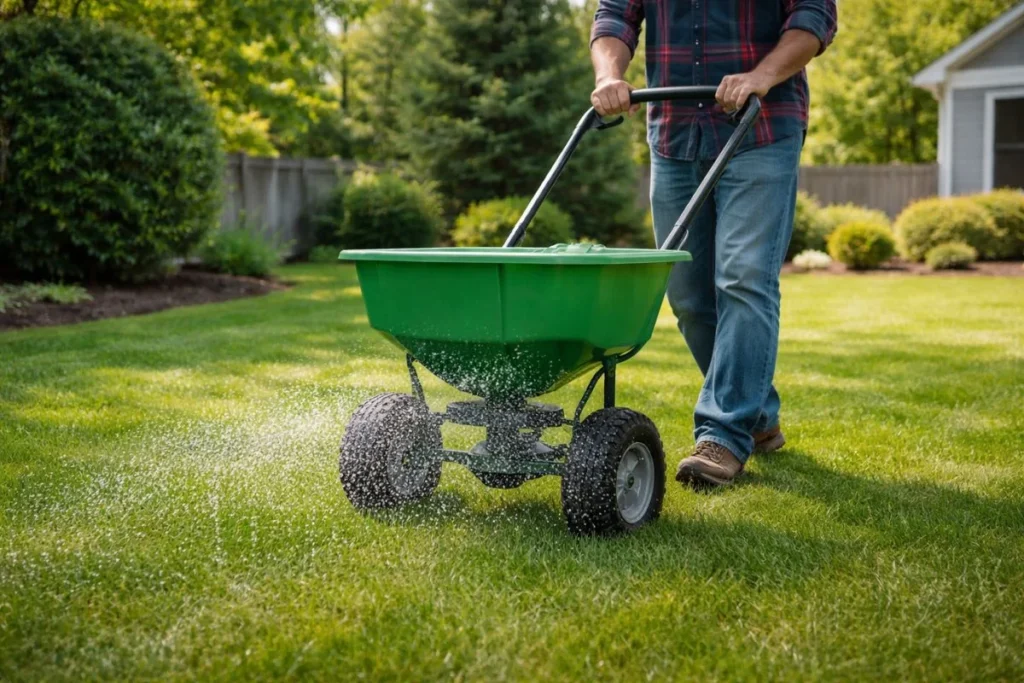
Broadcast Spreader
- Covers large areas fast
- Best for medium to large lawns
Drop Spreader
- High control
- Best for small lawns
Most DIY homeowners prefer broadcast spreaders.
Spreader Settings and Even Coverage Tips
Start with a medium setting for pelletized lime.
Walk at a steady pace.
Tips for even coverage:
- Overlap each pass slightly
- Do not rush
- Keep hopper at least half full
- Make two lighter passes instead of one heavy pass
Uneven spreading can cause striping.
How to Apply Lime to Your Lawn
Step 1: Test the Soil
Confirm lime is needed.
Step 2: Mow the Lawn
Keep grass at normal height.
Step 3: Aerate if Needed
Helps lime reach soil faster.
Aeration is most helpful when soil is hard and dense. To understand why this happens and how it affects roots and drainage, see our guide on what is compact soil.
Step 4: Spread Lime Evenly
Follow spreader settings.
Step 5: Water Lightly
Helps lime settle into soil.
Can You Apply Lime and Fertilizer Together?
Lime vs Fertilizer: What’s the Difference?
| Lime | Fertilizer |
|---|---|
| Adjusts soil pH | Feeds grass |
| Works slowly | Works faster |
| Used every few years | Used seasonally |
| Improves nutrient use | Adds nutrients |
No.
Lime adjusts soil pH.
Fertilizer feeds grass.
Best practice:
- Apply lime first
- Wait 3 to 4 weeks
- Then fertilize
This prevents wasted fertilizer.
How Long Does Lime Take to Work?
Lime works slowly.
- Small changes may appear in weeks
- Full results take 3 to 6 months
This delay is normal.
Lime is a soil correction, not a quick fix.
What to Expect After Lime Treatment
What to Expect After Lime Treatment
When to Retest Soil After Lime Treatment
Lime Treatment Timeline
- Week 1–4: Lime settles into soil
- Month 2–3: Soil pH begins to change
- Month 3–6: Retest soil
Retest soil after 3 to 6 months.
Do not reapply lime without new results.
This prevents over-liming.
- Applying lime without a soil test
- Using lime every year
- Applying too much at once
- Mixing lime with fertilizer
- Ignoring soil type
Common Lime Treatment Mistakes
Avoid these errors:
- Applying lime without testing
- Applying every year without need
- Using too much lime
- Ignoring soil type
- Mixing lime and fertilizer
Most lawn damage comes from overuse.
Environmental and Safety Notes
Avoid applying lime before heavy rain.
Runoff can reduce effectiveness.
Wear gloves and a dust mask when spreading powdered lime.
Keep pets and children off the lawn during application.
Once watered in, lime is generally safe.
Lime Treatment Cost for Lawn
Cost depends on lawn size and product type.
- Small lawns cost less
- Large lawns cost more
DIY application saves money.
Professional service helps if soil issues are severe.
Can Lime Hurt Grass?
Yes, if misused.
Too much lime:
- Raises pH too high
- Blocks nutrients
- Slows growth
Testing prevents this risk.
Frequently Asked Questions About Lime Treatment for Lawn
How long does lime last in soil?
Effects usually last 2 to 3 years.
Can lime kill weeds?
No.
It helps grass compete better.
Is lime safe for pets and kids?
Yes, once watered in.
Does every lawn need lime?
No.
Only lawns with low soil pH benefit.
Final Thoughts
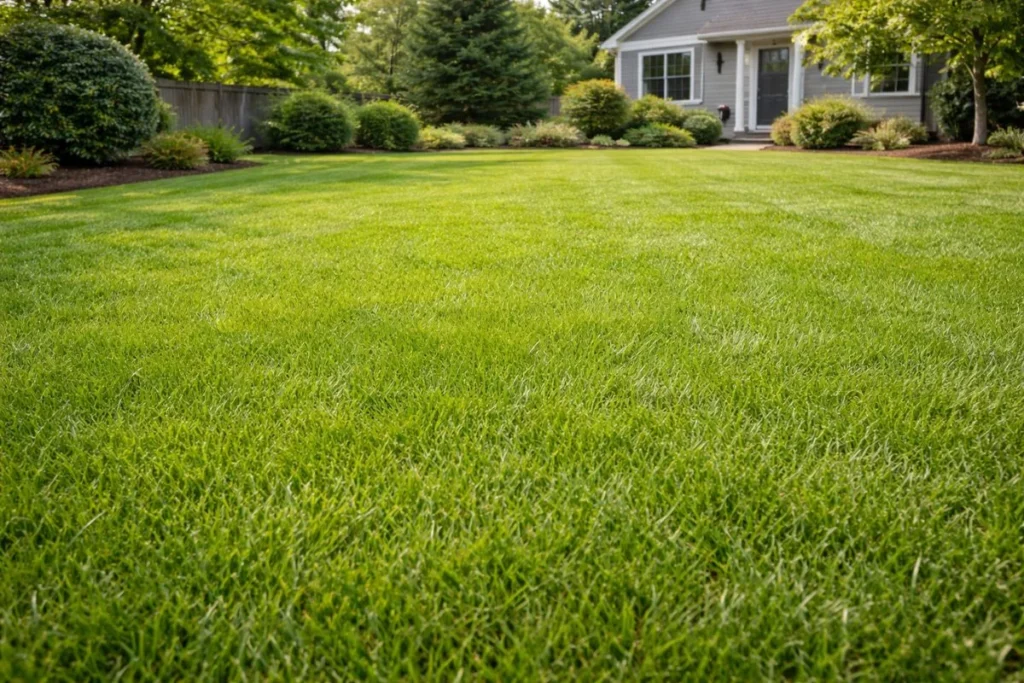
After years of working with lawns and learning from my own mistakes, one thing is clear. Most lawn problems start in the soil, not the grass. Lime treatment for lawn care works when it is used with care, testing, and patience. I have seen lawns recover simply by correcting soil pH and letting the grass do what it is meant to do. I have also seen damage caused by guessing and overuse. Test first, apply only what is needed, and give the soil time to respond. Healthy lawns always begin below the surface.