 Skip to content
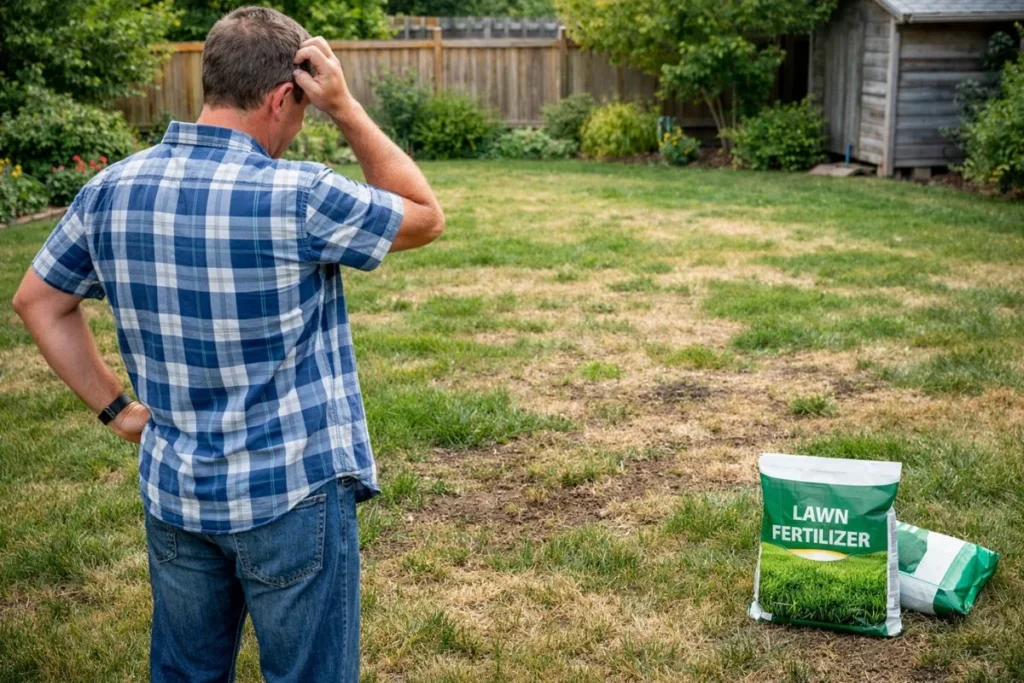
I have seen this issue again and again. Grass stays thin even after fertilizing. Plants grow uneven. Money goes into products, but results do not improve. Most people think the problem is seed or fertilizer. In many cases, the real issue is hidden in the soil.
I learned this from experience. I kept treating a lawn that never improved. After using a soil test kit, the reason became clear. The soil pH was off, and nutrients were already high. That single test changed the entire plan. A soil test kit removes guessing and shows what your soil actually needs before you add anything.
- What Is a Soil Test Kit
- Why Soil Testing Is Important
- Who Should Use a Soil Test Kit
- How a Soil Test Kit Works
- Soil Test Kits vs Lab Testing
- Accuracy Differences Between Home Kits and Lab Tests
- Do Soil Test Kits Check for Heavy Metals?
- Step-by-Step: How to Use a Soil Test Kit
- Common Mistakes to Avoid
- What Nutrients Does a Soil Test Kit Measure
- How to Read Soil Test Results
- What to Do After You Get Results
- Cheap Soil Test Kits vs Mail-In Soil Test Kits
- Cost and Turnaround Comparison
- What Soil Test Kits Do Not Test
- How Often Should You Test Soil
- Best Time of Year to Test Soil
- Are Soil Test Kits Worth It
- Extra Soil Test Kit FAQs
- Final Thoughts
Key Takeaways
- A soil test kit shows soil pH and nutrient levels.
- Home kits give basic results for quick checks.
- Mail-in tests give detailed and accurate reports.
- Testing soil helps avoid fertilizer mistakes.
- Healthy plants start with balanced soil.
What Is a Soil Test Kit
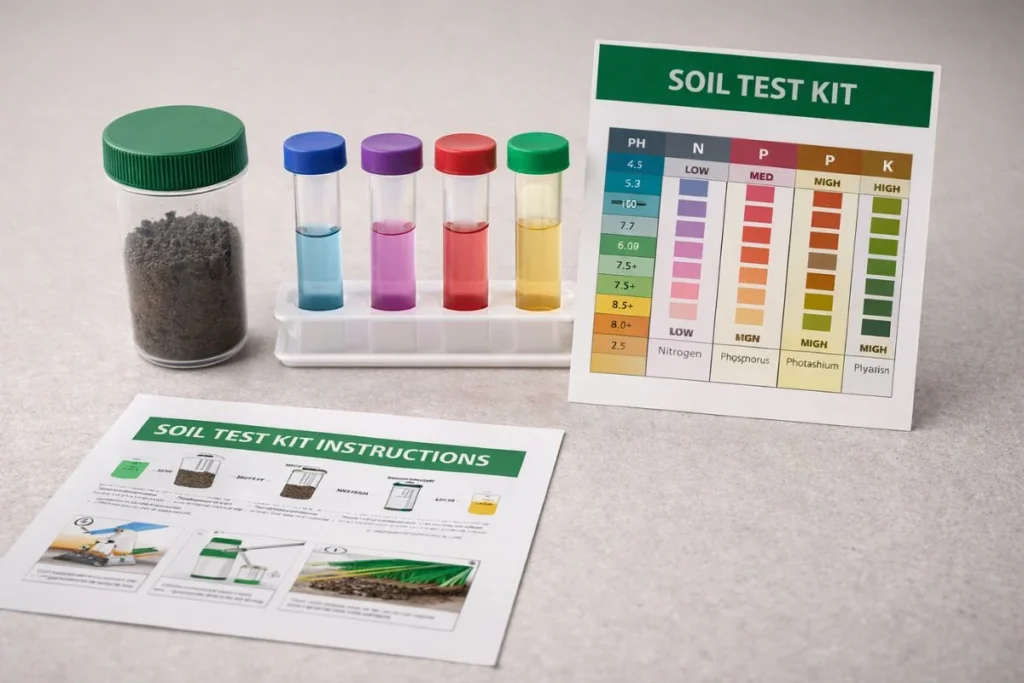
A soil test kit is a tool used to check soil health.
Most kits test soil pH and main nutrients.
Some kits work at home.
Others ask you to mail soil to a lab.
Both types help you avoid guessing.
Why Soil Testing Is Important
Plants depend on soil.
If soil is off balance or water is not draining properly, fertilizer alone will not fix the problem. Poor drainage can block roots and wash nutrients away. Learn practical lawn drainage solutions before adding more products.
A soil test kit helps you:
- Find out why grass looks thin or yellow
- Stop wasting money on the wrong fertilizer
- Fix soil problems before planting
- Plan lawn and garden care with confidence
This is why soil testing should come before fertilizing.
Who Should Use a Soil Test Kit
A soil test kit is useful for many people.
You should test soil if you are:
- A home lawn owner with weak or uneven grass
- A DIY lawn care user planning fertilizer
- A home gardener growing vegetables or flowers
- A food plot or hobby grower looking for better results
Both beginners and experienced growers benefit from soil testing.
How a Soil Test Kit Works
There are three main types of soil test kits.
Home Color Test Kits
These kits use powders or liquids.
You mix soil with water.
A color chart shows results.
Results are simple, like low, medium, or high.
Best for:
- Quick checks
- Small lawns and gardens
Digital Soil Test Kits
These use probes or meters.
They give fast readings.
Accuracy can change by brand and soil type.
Best for:
- Spot checks
- Fast readings
Mail-In Soil Test Kits
You collect soil and mail it to a lab.
The lab sends a detailed report.
Best for:
- Large lawns
- Gardens with repeat problems
- Food plots
Soil Test Kits vs Lab Testing
Home soil test kits:
- Cost less
- Give fast results
- Show general soil condition
Lab soil tests:
- Cost more
- Take longer
- Give exact nutrient numbers
- Often include fertilizer advice
Use a home kit for learning.
Use a lab test for planning.
If you have a small lawn or garden and want quick answers, a home soil test kit is enough.
If plants keep failing or you manage a large area, a mail-in soil test gives better guidance.
Accuracy Differences Between Home Kits and Lab Tests
Home soil test kits usually provide general readings such as low, medium, or high.
Mail-in laboratory tests provide exact measurements in parts per million (ppm).
For basic lawn care and home gardening, a soil test kit is often enough.
However, if you need detailed nutrient planning, commercial crop management, or safety testing, a certified lab test gives more precise results.
This difference is important when making fertilizer decisions for long-term soil improvement.
Do Soil Test Kits Check for Heavy Metals?
Most home soil test kits do not test for heavy metals such as lead or arsenic.
If you grow vegetables in urban areas, near older buildings, or in reclaimed soil, you should consider sending a soil sample to a certified laboratory that includes heavy metal testing.
This ensures your soil is safe for food production.
Step-by-Step: How to Use a Soil Test Kit
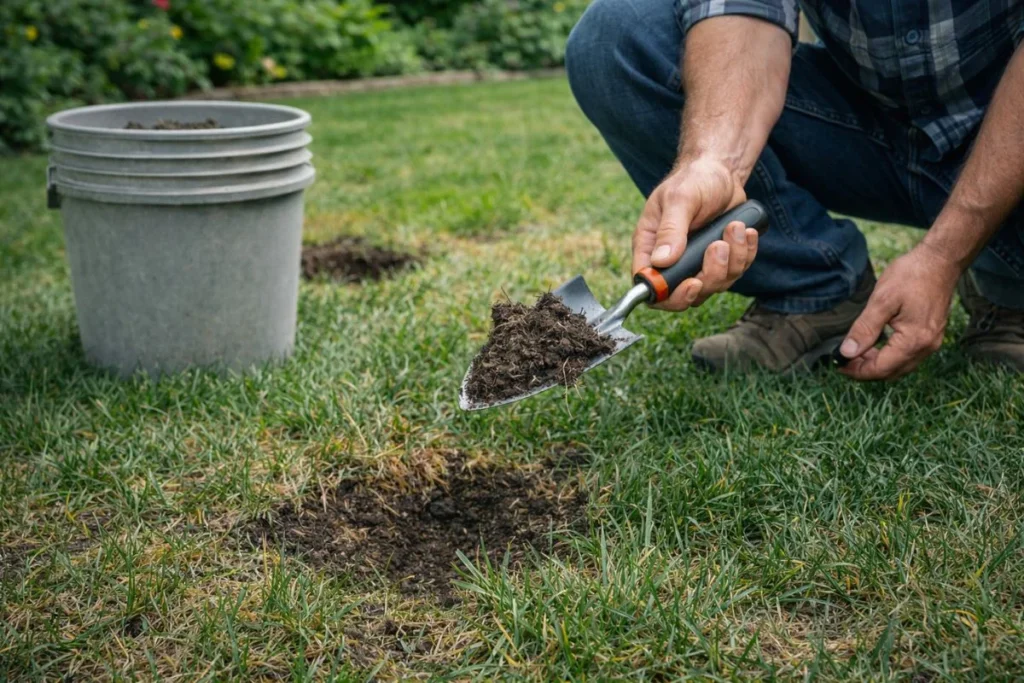
Correct sampling matters more than the kit itself.
1. Collect Soil Samples
- Take soil from 4 to 6 spots
- Dig 4 to 6 inches deep
- Avoid wet soil
2. Mix the Samples
- Combine soil in a clean bucket
- Remove rocks and roots
3. Run the Test
- Follow kit instructions
- Use clean tools and water
4. Read the Results
- Match colors or read the report
- Write results down
Common Mistakes to Avoid
Many wrong results come from simple mistakes.
Avoid these:
- Testing right after fertilizing
- Taking soil from one spot only
- Using dirty containers
- Reading color charts in poor light
What Nutrients Does a Soil Test Kit Measure
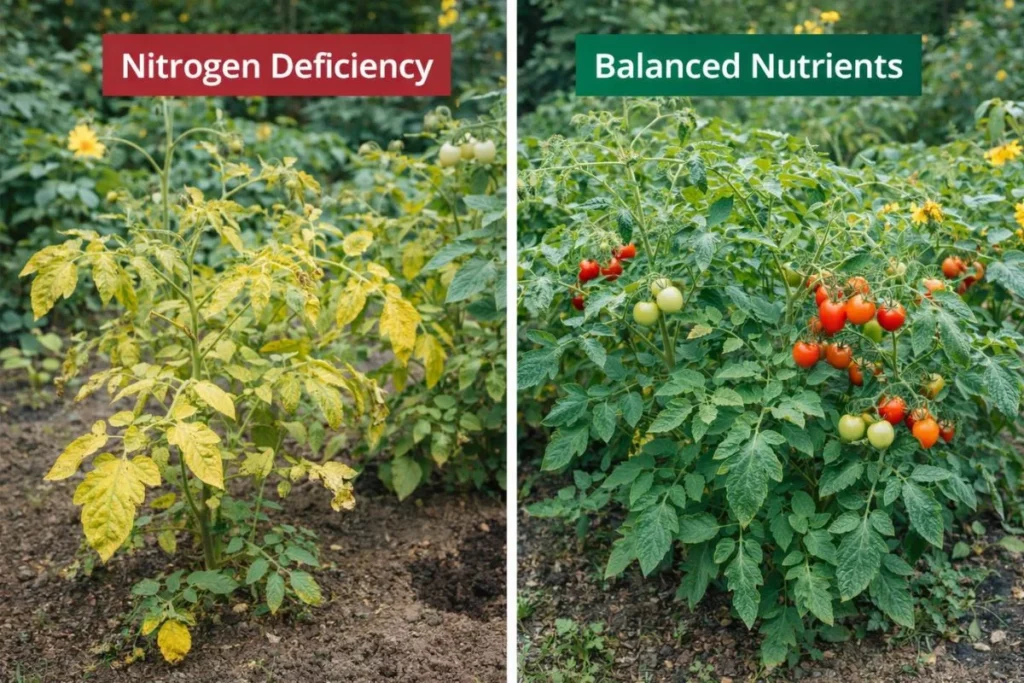
| Nutrient | What It Affects | Common Problem Signs |
|---|---|---|
| Nitrogen (N) | Leaf growth | Yellow or weak growth |
| Phosphorus (P) | Roots and flowers | Poor rooting or blooms |
| Potassium (K) | Plant strength | Weak stems or stress damage |
| Soil pH | Nutrient access | Poor growth despite fertilizer |
Most soil test kits focus on main plant nutrients.
Common results include:
- Nitrogen (N) for leaf growth
- Phosphorus (P) for roots and flowers
- Potassium (K) for plant strength
- Soil pH for acidity or alkalinity
Some mail-in kits also test:
- Calcium
- Magnesium
- Sulfur
Home kits give general levels.
Lab tests give exact numbers.
How to Read Soil Test Results
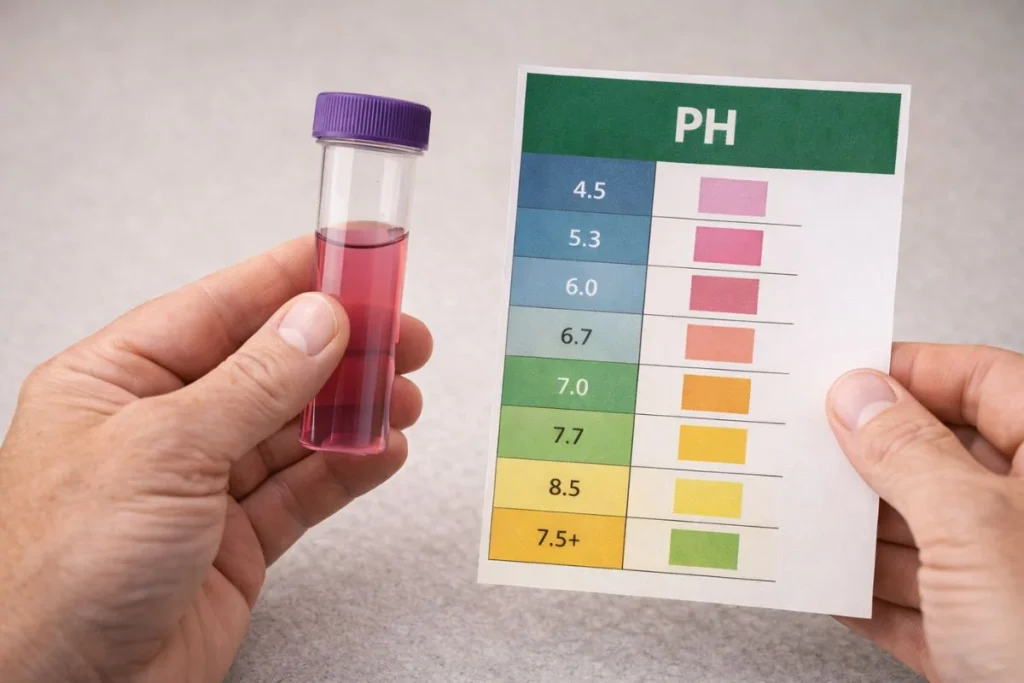
Soil pH
- Low pH means acidic soil
- High pH means alkaline soil
Most lawns and garden plants prefer pH between 6.0 and 7.0.
Nutrients
- Low results mean soil needs support
- High results mean stop adding fertilizer
What to Do After You Get Results
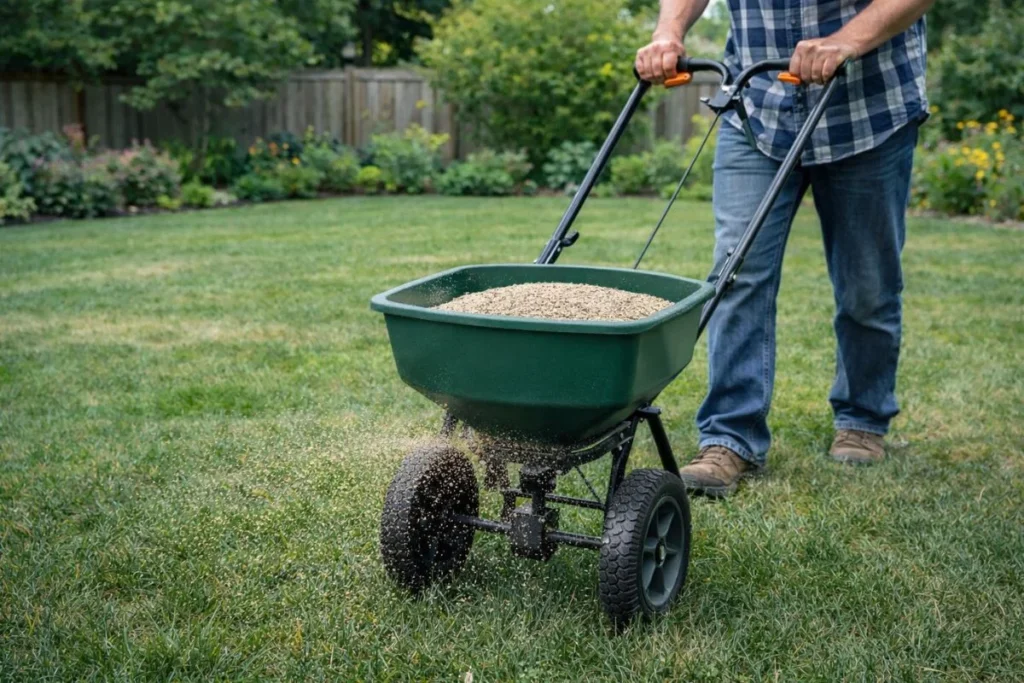
Results only help if you act.
Low pH:
- Add lime. If you are unsure how to apply it correctly, read our guide on lime treatment for lawn to fix acidic soil safely.
High pH:
- Add sulfur or organic matter
Low nutrients:
- Use the right fertilizer
- Apply only what is needed
Make changes slowly.
Cheap Soil Test Kits vs Mail-In Soil Test Kits
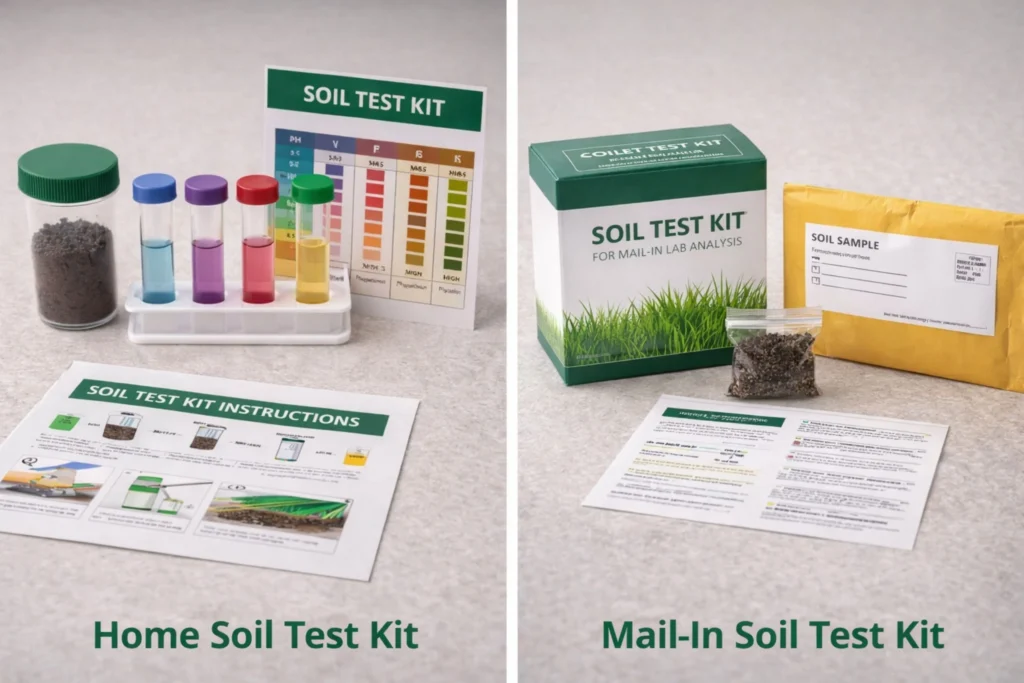
| Feature | Home Soil Test Kit | Mail-In Soil Test Kit |
|---|---|---|
| Cost | Low | Medium to High |
| Accuracy | Basic | High |
| Results Format | Low / Medium / High | Exact numbers and charts |
| Time Needed | Minutes | Days |
| Best For | Small lawns and gardens | Large areas or repeat issues |
Not all soil test kits give the same value.
Cheap home kits:
- Lower cost
- Fast results
- Best for learning soil basics
- Results are general
Mail-in soil test kits:
- Higher cost
- Slower results
- Detailed reports
- Clear fertilizer guidance
Choose based on your goal, not price alone.
Cost and Turnaround Comparison
| Test Type | Typical Cost Range | Results Time | Best For |
|---|---|---|---|
| Home Soil Test Kit | $10–$80 | Minutes | Quick pH and basic nutrient check |
| Mail-In Soil Test | $30–$75 | 3–10 Days | Detailed nutrient report |
| Full Laboratory Test | $60–$150+ | 7–14 Days | Exact ppm values and advanced testing |
This comparison helps homeowners choose the right option based on their goals and budget.
What Soil Test Kits Do Not Test
Many kits do not test everything.
Most do not check:
- Soil texture
- Soil microbes
- Drainage quality
- Compaction
- Full organic matter levels
For these, lab testing works better.
One common issue soil test kits do not measure is soil compaction. To understand how hard, dense soil affects roots and drainage, see our guide on what is compact soil.
How Often Should You Test Soil
Lawns:
- Every 2 to 3 years
Gardens:
- Once a year
Food plots:
- Before each planting cycle
Test again if plants struggle.
Best Time of Year to Test Soil
The best time to test soil is late winter or early spring before planting begins. Fall is also a good time to test, especially after harvest.
Are Soil Test Kits Worth It
Yes, for most people.
A soil test kit costs less than fixing mistakes.
It saves time, money, and effort.
Even simple kits give useful direction.
Extra Soil Test Kit FAQs
Can soil test kits be wrong?
Yes. Poor sampling or recent fertilizing can affect results.
Do soil test kits expire?
Some do. Always check the package date.
Can I reuse a soil test kit?
Most home kits allow limited uses. Mail-in kits are single use.
Can I test soil indoors?
Yes. Let soil dry first and follow instructions.
Do Soil Test Kits Measure Organic Matter?
Yes. Let soil dry first and follow instructions.et soil dry first and follow instructions.
Final Thoughts
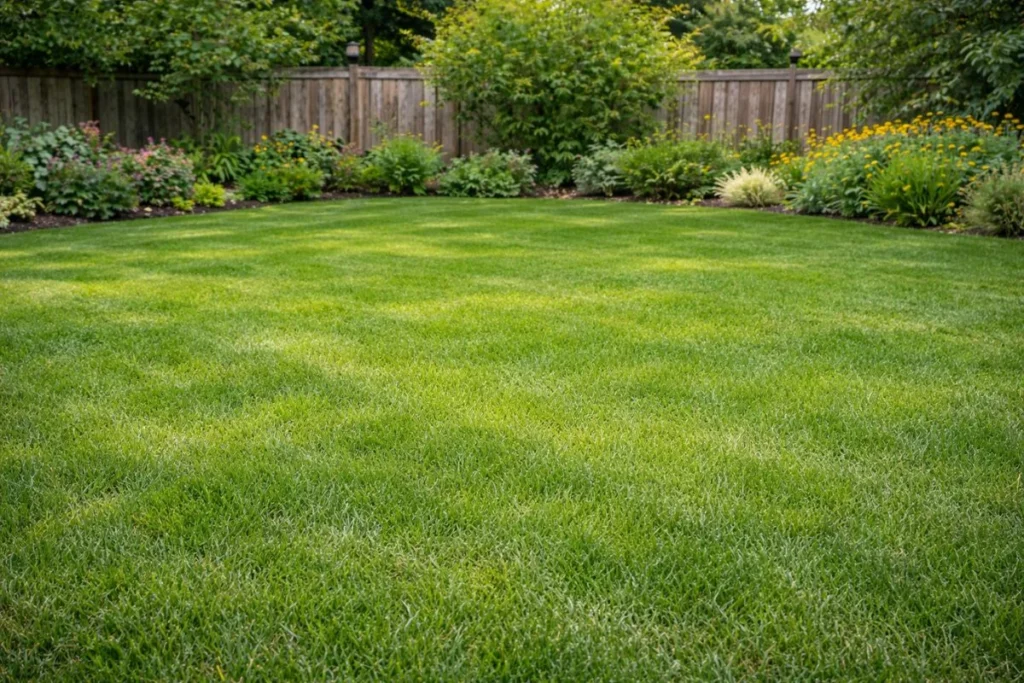
After years of working with lawns and gardens, one fact stands out. Most plant problems start in the soil. I have seen lawns recover without extra products once the soil was corrected using a soil test kit. Testing soil helps you make smart choices, avoid waste, and apply only what is needed. Whether you care for a lawn, a garden, or a food plot, a soil test kit is not an extra step. It is the first step.