
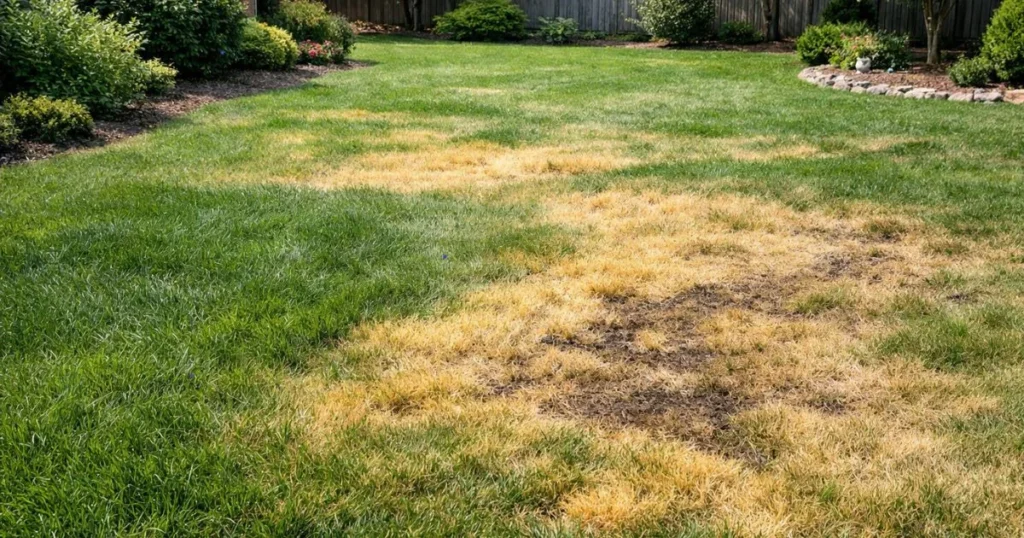
The first time I used fertilizer, I thought I did everything right. I followed the label and applied it evenly. Still, parts of my lawn turned yellow, while other areas grew too fast. I had to mow more, not less. Some plants looked stressed, and a few never recovered. That experience showed me how easy it is to damage plants, even when you mean well.
Thank you for reading this post, don't forget to subscribe!Over time, I learned why this happens. Fast fertilizers act quickly, but they do not last. They push plants hard and then fade. After years of working with lawns, gardens, and trees, I noticed one clear pattern. Plants grow better when they are fed slowly and evenly. That is where slow release fertilizer makes a real difference. This guide shares what I have learned through hands-on use, not theory, so you can avoid the same mistakes.
- Slow Release vs Quick Release Fertilizer
- Quick Decision Guide
- What Is Slow Release Fertilizer (Quick Answer)
- What Is Slow Release Fertilizer?
- How Slow Release Fertilizer Works in Soil
- Controlled Release Fertilizer vs Slow Release Fertilizer
- Differences Between Slow Release and Quick Release Fertilizer
- Understanding NPK Numbers on Slow Release Fertilizer
- How to Read a Slow Release Fertilizer Label
- Why You Should Fertilize Your Trees
- Is Slow Release Fertilizer Better Than Fast Release?
- Why Slow Release Fertilizer Works Well for Lawns
- When to Apply Slow Release Fertilizer
- Regional Timing Guide for the USA
- When to Apply Quick Release Fertilizers
- How Long Does It Take for Slow Release Fertilizer to Work?
- Environmental Benefits of Slow Release Fertilizer
- Common Types of Slow Release Fertilizer
- Using Slow Release Fertilizers Correctly
- Common Mistakes to Avoid
- Real-World Observation from Lawn Use
- FAQ About Slow Release Fertilizer
- Final Thoughts
Slow Release vs Quick Release Fertilizer
Slow release fertilizer feeds plants slowly.
Quick release fertilizer feeds plants fast.
Quick release fertilizer dissolves quickly.
Plants get nutrients right away.
The effect fades fast.
Slow release fertilizer feeds plants evenly.
It reduces stress on roots.
Homeowners often prefer slow release fertilizer.
It needs fewer applications.
It is easier to manage.
Quick Decision Guide
Use slow release fertilizer if you want steady growth, fewer applications, and lower risk of damage.Use quick release fertilizer if your lawn needs a fast color boost or quick nutrient correction.What Is Slow Release Fertilizer (Quick Answer)
Slow release fertilizer is a type of fertilizer that feeds plants gradually over time instead of all at once. It provides steady nutrients for several weeks or months, reduces the risk of burning plants, and helps maintain even growth. It is commonly used for lawns, trees, and gardens where long-term feeding is needed.
Key Takeaways
- Slow release fertilizer feeds plants over time
- It lowers the risk of plant damage
- It needs fewer applications during the season
- It works well for lawns, gardens, trees, and shrubs
- Results depend on soil, weather, and product type
What Is Slow Release Fertilizer?
Slow release fertilizer is a type of plant food.
It releases nutrients slowly into the soil.
Plants absorb nutrients as they need them.
This supports even growth.
Some slow release fertilizers work for weeks.
Others can last for months.
These fertilizers are used for:
- lawns
- vegetable gardens
- trees
- shrubs
How Slow Release Fertilizer Works in Soil
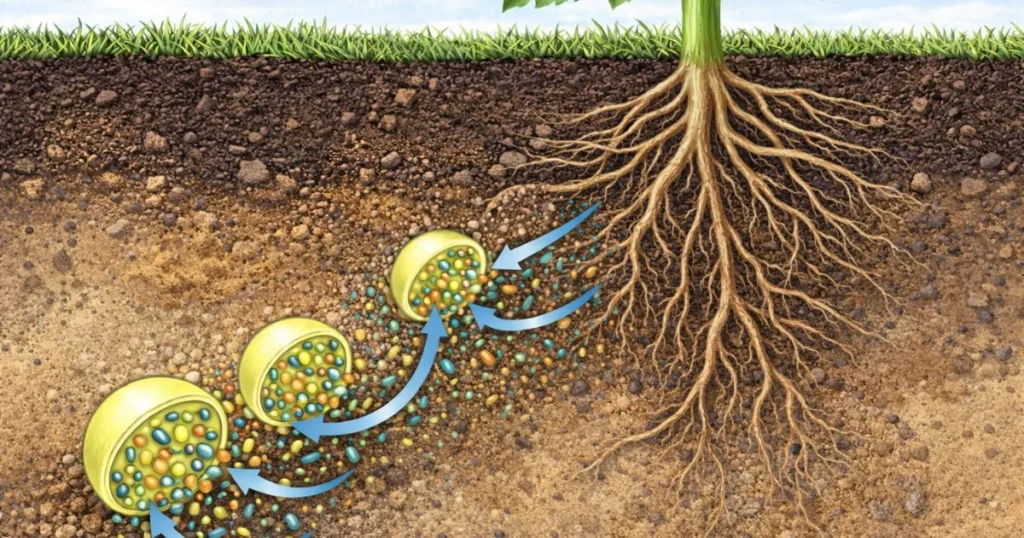
Slow release fertilizer works in different ways.
The method depends on the product type.
Some fertilizers use a coating.
Water enters the coating slowly.
Nutrients move out over time.
Other fertilizers rely on soil microbes.
As microbes break material down, nutrients are released.
Soil temperature matters.
Warm soil speeds release.
Cool soil slows it down.
Soil moisture also matters.
Dry soil reduces nutrient movement.
Release speed is never exact.
It changes based on soil and weather.
Controlled Release Fertilizer vs Slow Release Fertilizer
Many people confuse these terms.
They are related, but not the same.
Slow release fertilizer is a broad term.
It means nutrients are released over time.
Controlled release fertilizer is more precise.
It uses coatings to control timing more closely.
All controlled release fertilizers are slow release.
But not all slow release fertilizers are controlled release.
This difference matters when choosing products.
Differences Between Slow Release and Quick Release Fertilizer
| Feature | Slow Release Fertilizer | Quick Release Fertilizer |
|---|---|---|
| Nutrient release | Gradual over time | Fast and immediate |
| Risk of plant burn | Low | Higher if overused |
| Application frequency | Fewer times per season | More frequent |
| Maintenance level | Low | High |
| Best use | Long-term feeding | Fast correction |
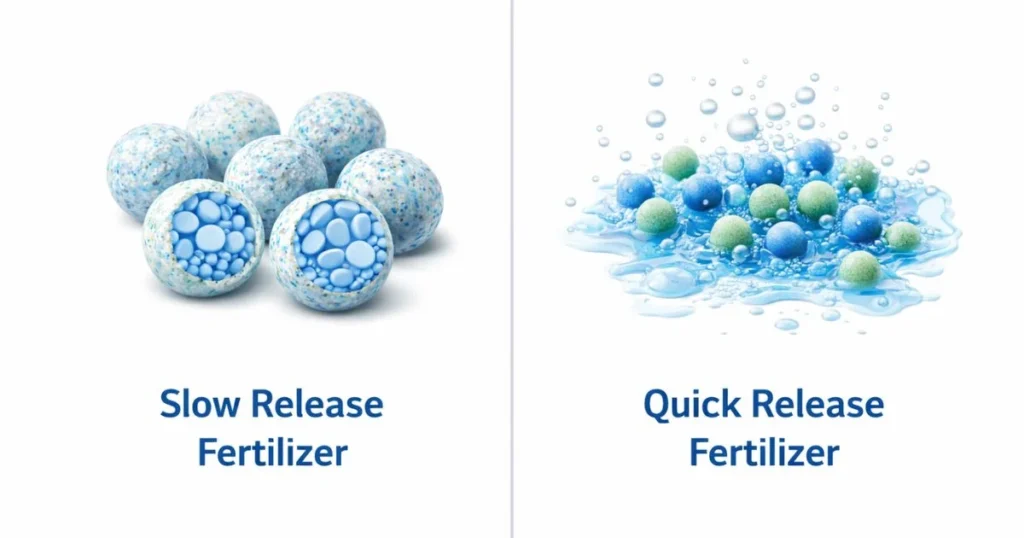
Here are the key differences.
Speed
Slow release works over time.
Quick release works fast.
Risk of plant burn
Slow release has lower risk.
Quick release can burn plants if overused.
Application frequency
Slow release needs fewer applications.
Quick release needs more frequent use.
Maintenance level
Slow release is low effort.
Quick release needs close timing.
Understanding NPK Numbers on Slow Release Fertilizer
Fertilizer labels show three numbers.
These numbers are called NPK.
- N is nitrogen
- P is phosphorus
- K is potassium
Slow release fertilizer often shows part of nitrogen released slowly.
Some nitrogen feeds plants right away.
The rest feeds plants over time.
Reading NPK labels helps avoid overfeeding.
If you want a full explanation of fertilizer numbers and how they affect lawns, read our complete guide on how fertilizer numbers actually work.
How to Read a Slow Release Fertilizer Label
When you look at a fertilizer bag, you may see something like:
10-4-6 (30% slow release nitrogen)
The first number is nitrogen. The second is phosphorus. The third is potassium.
If the label says “30% slow release nitrogen,” it means part of the nitrogen feeds plants gradually. The rest may act faster.
You may also see a release period such as “feeds up to 8 weeks.” That tells you how long the nutrients are expected to last under normal soil conditions.
Understanding this small detail helps you choose the right product and avoid overuse.
Why You Should Fertilize Your Trees
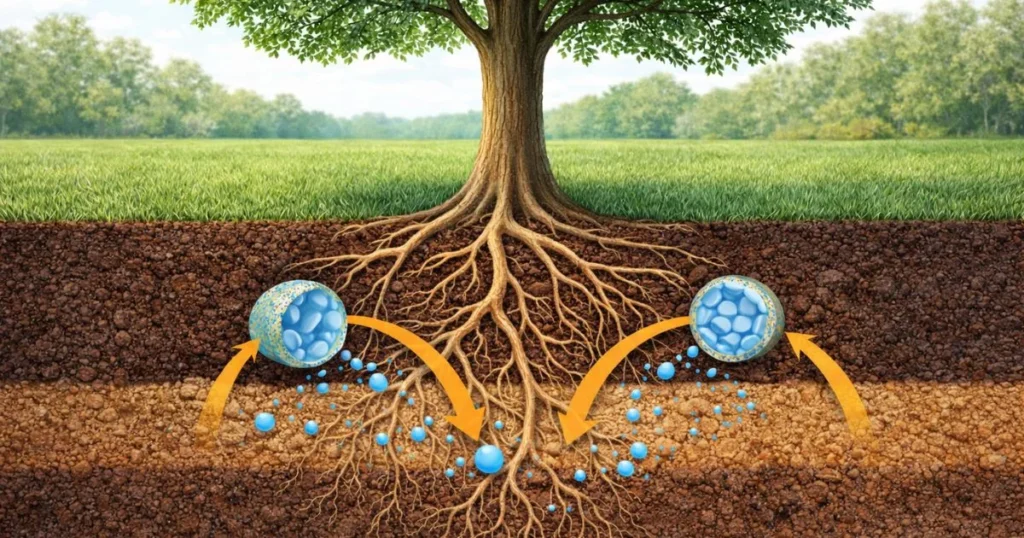
Trees need nutrients for long-term health.
Soil alone may not supply enough.
Slow release fertilizer works well for trees.
It feeds roots slowly.
This supports steady growth.
It also reduces nutrient loss.
Tree roots prefer consistent feeding.
That makes slow release fertilizer a safe option.
Is Slow Release Fertilizer Better Than Fast Release?
Slow release fertilizer works better in many cases.
It depends on plant needs.
Choose slow release fertilizer if:
- you want long-lasting results
- you want fewer applications
- you want steady growth
Choose quick release fertilizer if:
- plants need fast correction
- leaves turn yellow
Some gardeners use both together.
| Situation | Best Choice |
|---|---|
| Routine lawn care | Slow release fertilizer |
| Long-term tree feeding | Slow release fertilizer |
| Quick color boost | Quick release fertilizer |
| Nutrient deficiency | Quick release fertilizer |
| Low maintenance goal | Slow release fertilizer |
Why Slow Release Fertilizer Works Well for Lawns
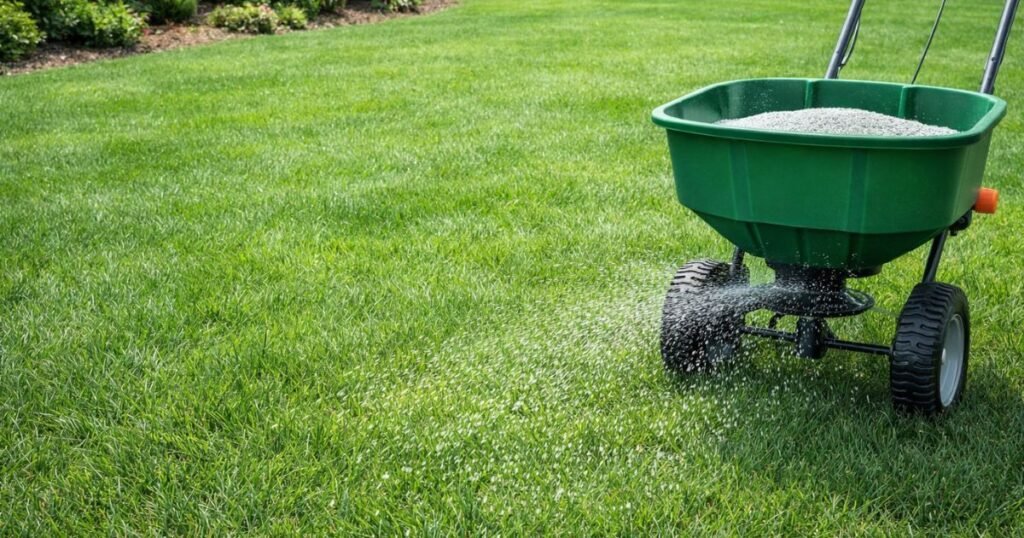
Lawns need consistent feeding.
Fast feeding can cause uneven growth.
Slow release fertilizer gives grass steady nutrients.
This keeps color even.
It reduces sudden growth spikes.
This means less mowing.
Many lawn care plans use slow release fertilizer.
When to Apply Slow Release Fertilizer
Timing affects results.
Spring is a common time to apply slow release fertilizer.
Grass and plants start growing.
Early fall also works well.
Roots continue growing during this season.
Avoid frozen soil.
Avoid very dry soil.
Always follow label instructions.
Water after application.
Early fall also works well, especially if you are preparing grass for winter. In that case, a dedicated a winter fertilizer made for late season lawn care may be the better choice.
Regional Timing Guide for the USA
Different grass types grow at different times of the year. Applying fertilizer at the right season improves results.
| Grass Type | Best Time to Apply |
|---|---|
| Cool-season grass | Early spring and early fall |
| Warm-season grass | Late spring and mid-summer |
Cool-season grasses grow most in mild weather. Warm-season grasses grow best in heat. Matching fertilizer timing with growth patterns supports healthier lawns.
When to Apply Quick Release Fertilizers
Quick release fertilizer works best during active growth.
Warm soil helps nutrients move.
Apply it when plants show stress.
Yellow leaves are a common sign.
Avoid heavy rain.
Nutrients can wash away.
Follow label directions carefully.
How Long Does It Take for Slow Release Fertilizer to Work?
Slow release fertilizer works gradually.
Results take time.
Some products begin working in one to two weeks.
Others take longer.
Signs of progress include:
- greener leaves
- stronger growth
- healthier roots
Results improve over time.
Environmental Benefits of Slow Release Fertilizer
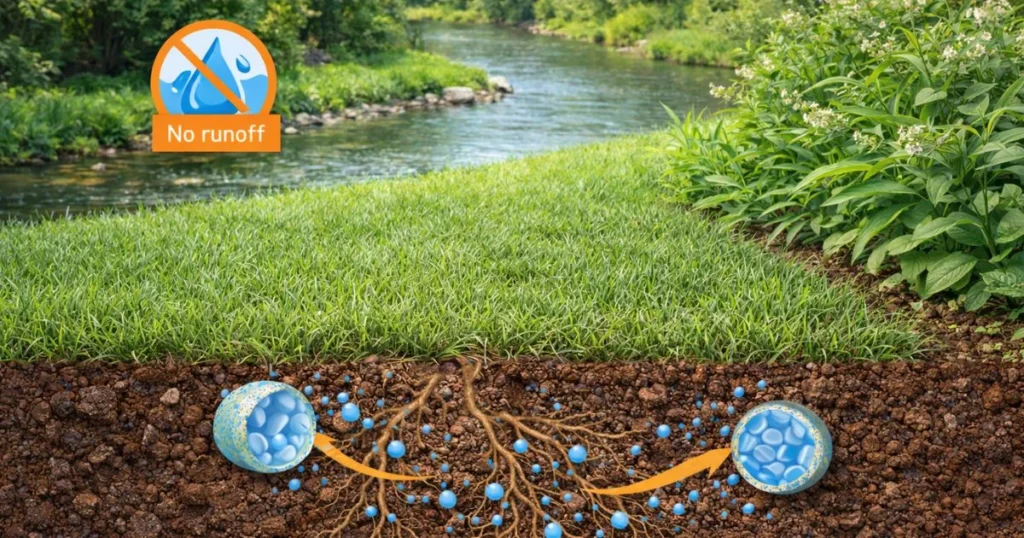
Slow release fertilizer reduces nutrient loss.
Nutrients stay in the soil longer.
This lowers runoff after rain.
It reduces leaching into groundwater.
Fewer applications are needed.
This limits fertilizer waste.
This helps protect soil and water quality.
Common Types of Slow Release Fertilizer
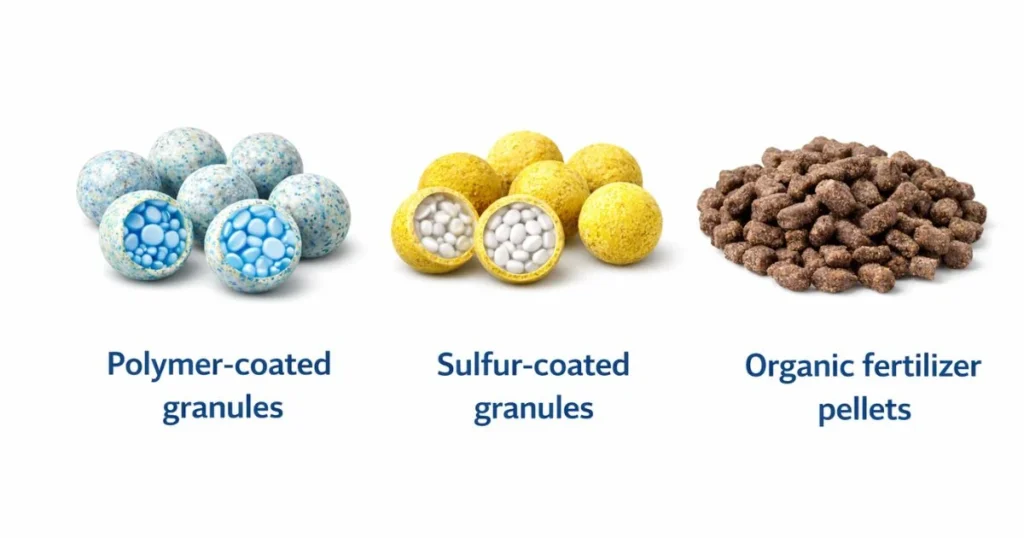
Slow release fertilizer comes in different forms.
Common types include:
- polymer-coated fertilizers
- sulfur-coated fertilizers
- organic slow release fertilizers
Each type releases nutrients at a different pace.
The best choice depends on soil and plants.
Using Slow Release Fertilizers Correctly
Slow Release Fertilizer Checklist
- Check soil condition if possible
- Read the NPK label carefully
- Choose a release duration that fits the season
- Apply only the recommended amount
- Water after application
Correct use improves results.
A soil test helps when available.
It shows nutrient needs.
Apply the recommended amount only.
More fertilizer can cause harm.
Water after application.
This helps nutrients move into soil.
Common Mistakes to Avoid
Many problems come from simple mistakes.
Do not overapply fertilizer.
This can damage plants.
Do not fertilize at the wrong time.
Cold or dry soil reduces results.
Do not ignore soil type.
Sandy soil releases nutrients faster.
Always follow label instructions.
Do not overapply fertilizer. This can damage plants and cause long-term problems. If your lawn already shows stress from too much feeding, review the signs of signs your lawn may be getting too much fertilizer and correct them early.
Real-World Observation from Lawn Use
In practical lawn use, switching from fast fertilizer to a slow release formula often leads to more stable growth. Instead of rapid spikes followed by fading color, grass tends to maintain a steady green tone over several weeks. In many cases, mowing frequency becomes more consistent rather than sharply increasing after feeding.
FAQ About Slow Release Fertilizer
Is slow release fertilizer safe for lawns?
Yes, when used as directed.
Can slow release fertilizer burn plants?
Risk is low, but overuse can still cause damage.
Does slow release fertilizer work for vegetables?
Yes. Many gardeners use it successfully.
How often should it be applied?
Usually once or twice per season.
Final Thoughts
After years of caring for lawns, gardens, and trees, I have learned that steady feeding matters more than fast results. Plants respond better when nutrients are released over time. Slow release fertilizer supports strong roots, even growth, and healthier soil. It also reduces stress for the person doing the work. When used at the right time and in the right amount, it helps plants grow well without constant effort. That is why experienced gardeners and homeowners continue to rely on it season after season.