 Skip to content
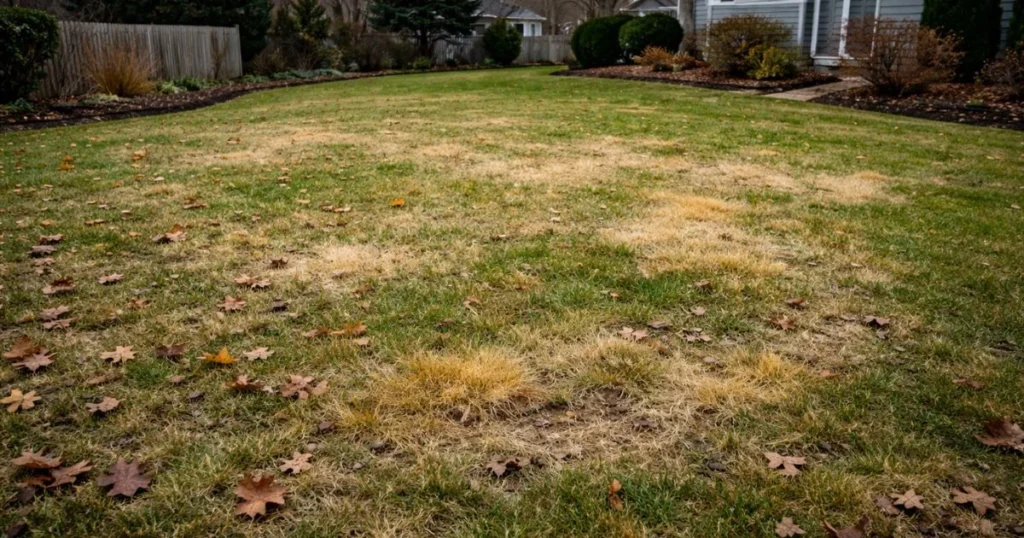
A few years ago, I watched my lawn struggle after winter. Spring arrived, but the grass did not bounce back. Some spots stayed thin. Others turned yellow. I had followed my usual routine and assumed cold weather alone was the problem. I later learned the real issue started months earlier, before winter even began.
That experience pushed me to look deeper into fall lawn care. I tested different methods, tracked results, and paid close attention to root health. Over time, one pattern became clear. Lawns that failed in spring had weak roots going into winter. This is where winterizer fertilizer made a real difference. This article explains what I learned through hands-on lawn care, so you can avoid the same costly mistake.
- Clear Definition for Featured Snippet
- What Is Winterizer Fertilizer?
- How Winterizer Fertilizer Works
- Why Potassium Matters in Winterizer Fertilizer
- Difference Between Winterizer Fertilizer and Regular Fertilizer
- Should You Use Winterizer Fertilizer?
- When Not to Use Winterizer Fertilizer
- When to Apply Winterizer Fertilizer
- Winterizer Fertilizer Timing by Climate
- Best Types of Winterizer Fertilizer
- Do You Need a Soil Test Before Using Winterizer Fertilizer?
- How to Use Winterizer Fertilizer
- Common Mistakes to Avoid
- Why Warm-Season Lawns Often Do Not Need Winterizer Fertilizer
- Does Winterizer Fertilizer Burn Lawns?
- Is Winterizer Fertilizer the Same as Fall Fertilizer?
- Frequently Asked Questions About Winterizer Fertilizer
- Final Thoughts
Key Takeaways
- Winterizer fertilizer supports root health, not leaf growth.
- It works best when applied in late fall before soil freezes.
- Cool-season lawns benefit the most from winterizer fertilizer.
- Potassium helps grass handle cold and winter stress.
Clear Definition for Featured Snippet
Winterizer fertilizer is a late-fall lawn fertilizer designed to strengthen roots before winter. It supports root growth instead of pushing new leaf growth. It is mainly used on cool-season lawns.
What Is Winterizer Fertilizer?
Winterizer fertilizer is a lawn fertilizer used in late fall.
Its purpose is root support, not fast leaf growth.
It feeds grass before winter dormancy.
Nutrients are stored in the soil and plant base.
These nutrients help grass survive winter and grow better in spring.
How Winterizer Fertilizer Works
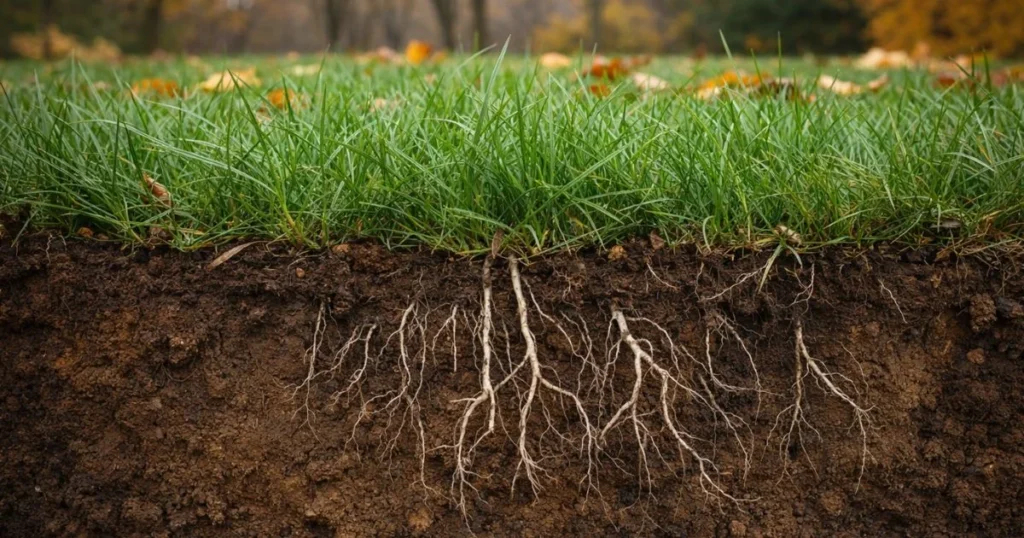
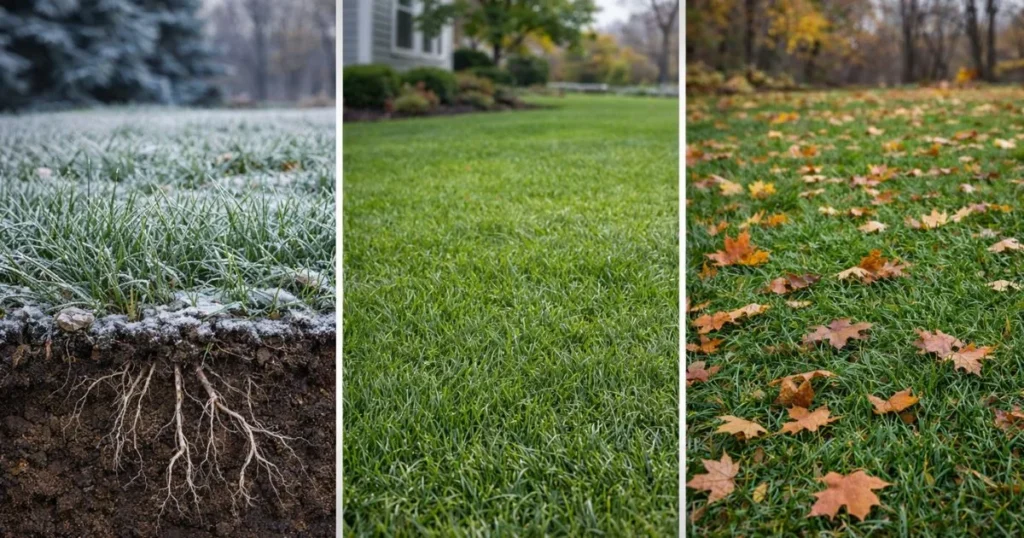
Grass does not fully stop growing in fall.
Roots stay active even when blades slow down.
Winterizer fertilizer feeds these roots.
It supports underground growth and nutrient storage.
When temperatures rise in spring, grass uses these stored nutrients.
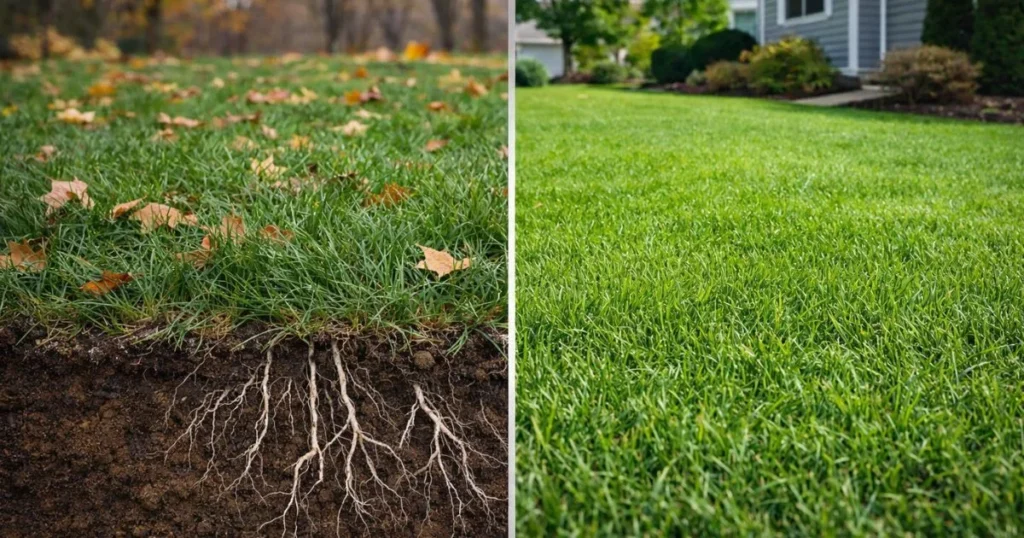
This leads to thicker and healthier growth.
Why Potassium Matters in Winterizer Fertilizer
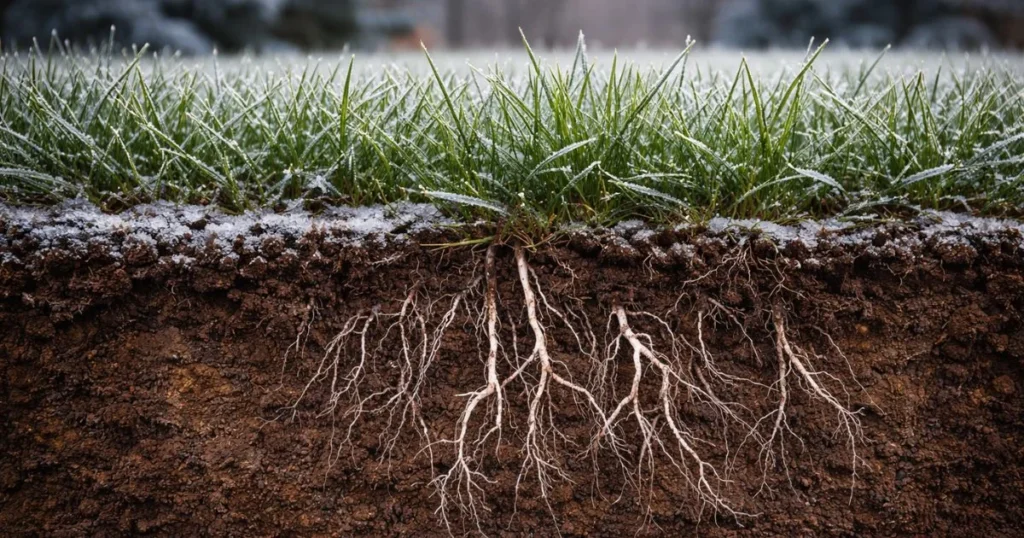
Potassium plays a key role in cold tolerance.
It helps grass handle freezing soil and dry winter air.
It also supports strong plant cells.
This reduces stress damage during winter.
That is why winterizer fertilizer usually contains more potassium than spring fertilizer.
Difference Between Winterizer Fertilizer and Regular Fertilizer
| Feature | Winterizer Fertilizer | Regular Fertilizer |
|---|---|---|
| Best season | Late fall | Spring and summer |
| Main focus | Root strength | Leaf growth |
| Nitrogen level | Moderate | Higher |
| Potassium level | Higher | Lower |
| Goal | Winter survival | Active growth |
Regular fertilizer is made for active growth periods.
It pushes fast blade growth and greener color.
Winterizer fertilizer works in a different way.
- Regular fertilizer supports top growth
- Winterizer fertilizer supports roots
- Regular fertilizer is used in warm seasons
- Winterizer fertilizer is used before winter
Using regular fertilizer too late can weaken grass before winter.
Many winterizer products use slow-release fertilizers to support steady root feeding.
Should You Use Winterizer Fertilizer?
| Lawn Type | Winterizer Needed? |
|---|---|
| Cool-season grass | Yes |
| Warm-season grass | Usually no |
| Newly seeded lawn | Sometimes |
| Poor soil condition | Often helpful |
Winterizer fertilizer is best for cool-season lawns.
These lawns grow in fall and slow down after frost.
If your lawn stays green into fall, winterizer fertilizer can help.
Some lawns do not need it.
This depends on grass type, soil condition, and climate.
When Not to Use Winterizer Fertilizer
Do not apply winterizer fertilizer on frozen soil.
Roots cannot absorb nutrients when soil is frozen.
Do not use it on fully dormant warm-season lawns.
Their root activity has already stopped.
Avoid applying heavy nitrogen late in fall.
This can push weak growth before winter.
In many established lawns, phosphorus for lawn care is not needed unless a soil test shows deficiency.
When to Apply Winterizer Fertilizer
Correct timing is very important.
Apply winterizer fertilizer:
- After the last mow
- When growth slows
- Before the soil freezes
For most areas in the USA, this is mid-fall to late fall.
Applying too early or too late reduces results.
Winterizer Fertilizer Timing by Climate
| Climate Type | Best Application Window |
|---|---|
| Cold regions | Early to mid fall |
| Moderate regions | Mid to late fall |
| Mild winter regions | Late fall |
Climate affects timing.
In colder regions:
- Apply earlier in fall
- Finish before hard frost
In milder regions:
- Apply later
- Wait until grass growth slows
Watch lawn growth instead of following fixed dates.
Best Types of Winterizer Fertilizer
Fertilizer bags show three numbers.
These numbers represent nutrients.
Most winterizer fertilizers:
- Contain moderate nitrogen
- Contain little or no phosphorus
- Contain higher potassium
This balance supports roots without forcing blade growth.
If you want to understand what these fertilizer numbers mean and how to read them correctly, see our complete guide on lawn fertilizer numbers explained.
Do You Need a Soil Test Before Using Winterizer Fertilizer?
A soil test shows what nutrients your lawn already has.
Some soils already contain enough potassium.
Adding extra fertilizer in this case may not help.
It can also lead to waste.
A soil test helps you choose the right product and rate.
If soil structure is poor, improving it with humic acid can help roots absorb nutrients more effectively.
How to Use Winterizer Fertilizer
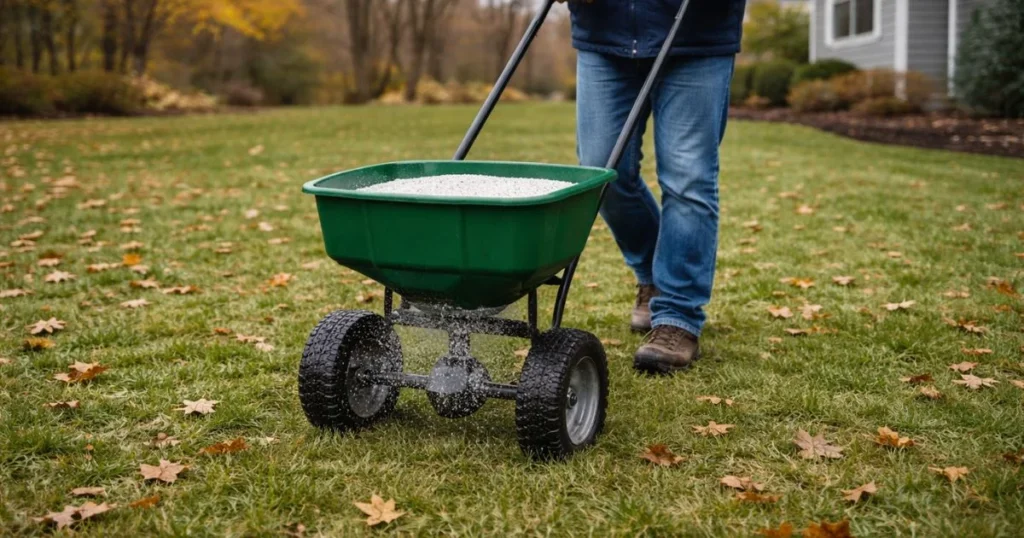
Follow these steps:
- Mow the lawn
- Use a spreader for even coverage
- Apply at the label rate
- Water lightly after application
Do not apply more than recommended.
Overuse can harm grass.
Choosing between liquid and granular fertilizer depends on your lawn size and equipment.
Common Mistakes to Avoid
Many lawn problems start with small mistakes.
Avoid:
- Using spring fertilizer in fall
- Applying fertilizer to frozen soil
- Overusing nitrogen
- Ignoring label directions
These errors can weaken lawns before winter.
Why Warm-Season Lawns Often Do Not Need Winterizer Fertilizer
Warm-season grasses slow down earlier in fall.
Their roots stop active growth sooner.
Because of this, winterizer fertilizer may not be useful.
In some cases, it can stress the lawn.
Warm-season lawns perform better with proper care earlier in the year.
Does Winterizer Fertilizer Burn Lawns?
Yes, it can.
This happens when too much fertilizer is applied.
Signs include yellow or brown patches.
Always measure and spread evenly.
Applying too much fertilizer can cause damage. Learn the warning signs in our guide on over fertilization lawn symptoms.
Is Winterizer Fertilizer the Same as Fall Fertilizer?
They are similar but not always the same.
Some fall fertilizers focus on growth.
Others focus on root support.
Check the label.
Products meant for late fall and root health act as winterizer fertilizer.
Frequently Asked Questions About Winterizer Fertilizer
Is winterizer fertilizer worth using?
Yes, for cool-season lawns.
It supports winter survival and spring growth.
Can I use regular fertilizer instead?
Sometimes, but it must match late-season needs.
Many regular fertilizers push leaf growth.
What happens if winterizer fertilizer is applied too late?
Frozen soil blocks nutrient uptake.
Fertilizer may wash away without benefit.
Final Thoughts
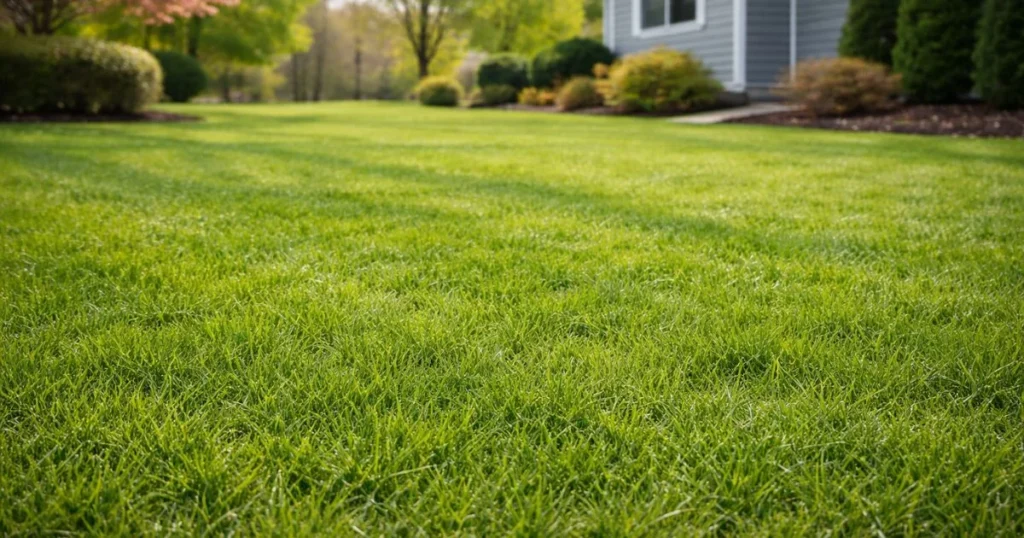
From real lawn results and years of observation, one fact stands out. Winter does not damage lawns on its own. Poor fall preparation does. When winterizer fertilizer is applied at the right time and matches the lawn’s needs, it supports root strength and helps grass recover faster in spring. I have seen thicker growth, better color, and fewer weak spots simply by fixing fall timing and fertilizer choice. Winterizer fertilizer is not a shortcut. It is a planning step. Used with care, it gives your lawn a much better chance to come back strong after winter.