 Skip to content
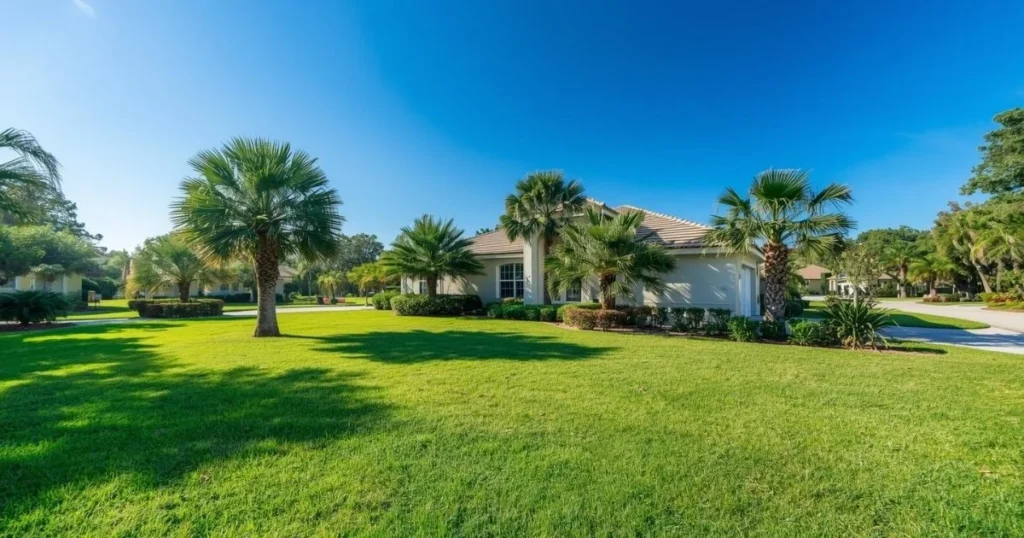
I have seen many Florida lawns fail even when homeowners did everything they were told. The grass looked fine at first. Then summer arrived. The heat stayed all day. Heavy rain came and went. The sandy soil dried out fast. Soon, brown patches showed up. The lawn became thin and weak. Most people thought the problem was watering or fertilizer, but it was not.
From my experience, the real issue is choosing the wrong grass. I have worked with Florida lawns in full sun, deep shade, sandy soil, and coastal areas. I have seen Bermuda grass fail in shade and St. Augustine struggle in the wrong spot. Florida is different from other states. Grass that works elsewhere often does not survive here. Picking the right grass from the start makes the biggest difference.
- Why Grass Choice Matters in Florida Climate
- Most Common Types of Grass to Grow in Florida
- Best Grass to Grow in Florida by Region
- Best Grass to Grow in Florida for Sun and Shade
- Best Grass to Grow in Florida for Pets and Kids
- Comparison of the Best Grass to Grow in Florida
- Cost of Grass Installation in Florida
- Best Time to Plant Grass in Florida
- How to Prepare Florida Soil for Grass
- Seeding, Sod, or Plugs
- Grass That Can Be Grown From Seed in Florida
- Common Grass Problems in Florida Lawns
- How to Tell Grass Types Apart
- Frequently Asked Questions
- Final Thoughts
Quick Takeaway: Best Grass to Grow in Florida
- Full sun yards: Bermuda or Bahia
- Shady yards: St. Augustine
- Low maintenance lawns: Bahia or Centipede
- Kids and pets: Bermuda or Zoysia
- Coastal areas: Seashore Paspalum
Why Grass Choice Matters in Florida Climate
Florida climate is hard on lawns.
- Long hot summers
- High humidity
- Heavy rain
- Sandy soil
- Salt near coastal areas
Grass that grows well in cooler states often fails here. Warm-season grass works best in Florida climate.
Florida lawns fail most often when the grass type does not match climate and use. If you want to understand how grasses are grouped by season, region, and lawn purpose, see our complete Grass Types guide before choosing sod or seed.
Most Common Types of Grass to Grow in Florida
St. Augustine Grass
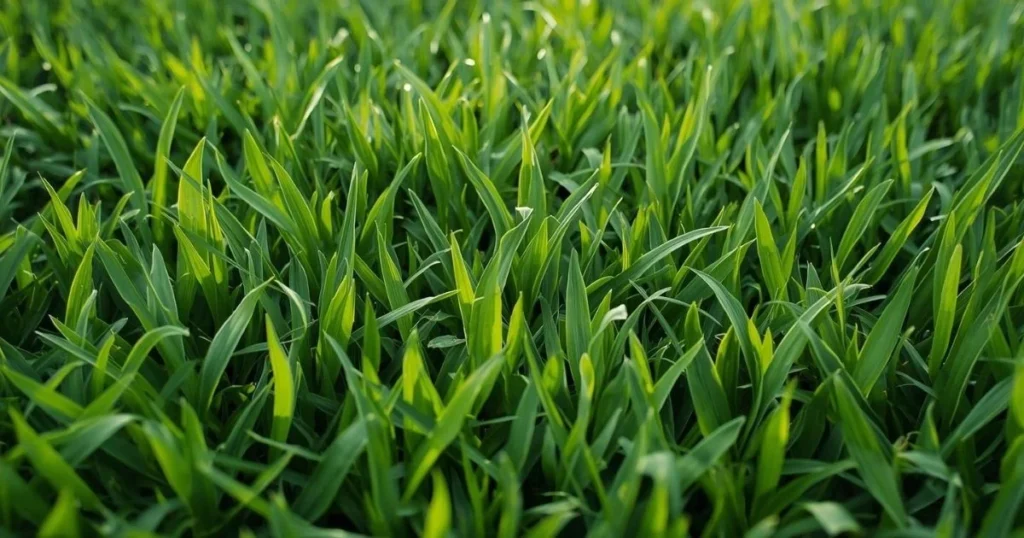
St. Augustine grass is the most popular choice in Florida.
It handles heat and humidity well.
It grows better in shade than most grasses.
The blades are wide and soft.
It needs regular watering.
It is often affected by chinch bugs.
Best for:
- Shady yards
- Coastal areas
- Family home lawns
Usually installed as sod, not grown from seed.
Bermuda Grass
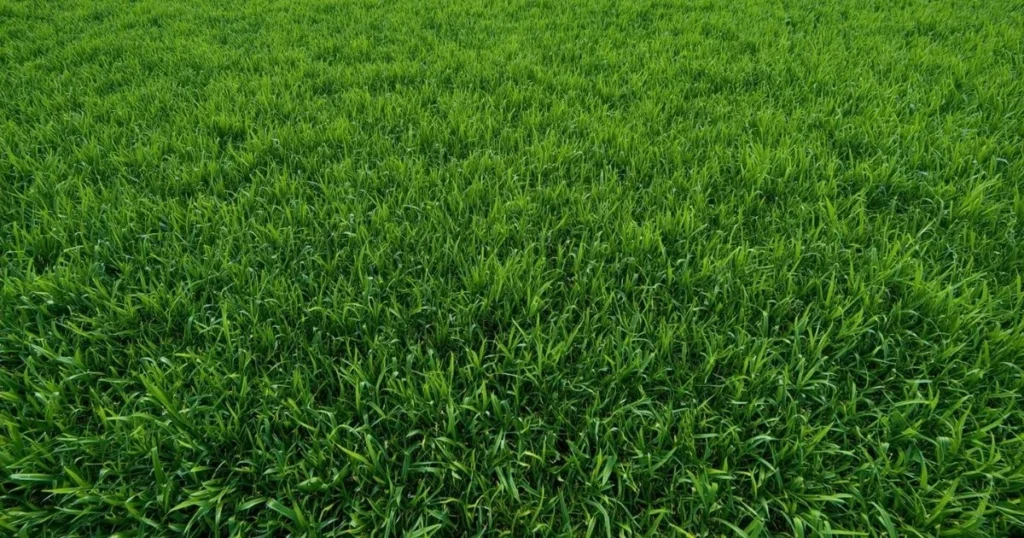
Bermuda grass grows best in full sun.
It spreads fast and repairs damage quickly.
It handles heavy foot traffic.
It needs less water than many grasses.
It does not grow well in shade.
It turns brown in cooler months.
Best for:
- Sunny yards
- Kids and pets
- Play areas
Can be grown from seed, plugs, or sod.
Zoysia Grass
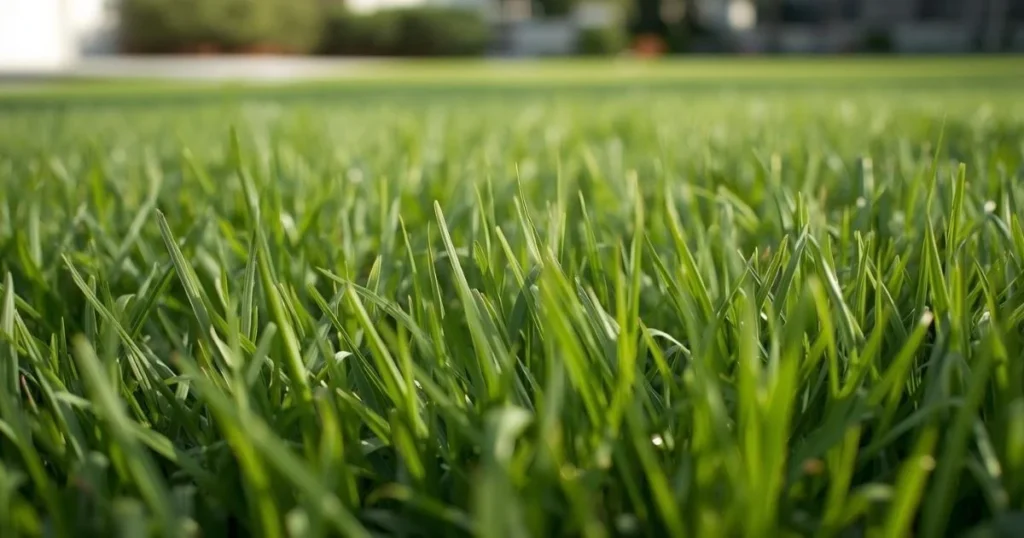
Zoysia grass is thick and dense.
It handles traffic well.
It needs less mowing once established.
It grows in sun and light shade.
It needs good drainage.
Poor drainage can cause lawn problems.
Best for:
- Medium-use lawns
- Clean-looking yards
- Homeowners who want lower mowing
Usually planted as sod or plugs, not seed.
Bahia Grass
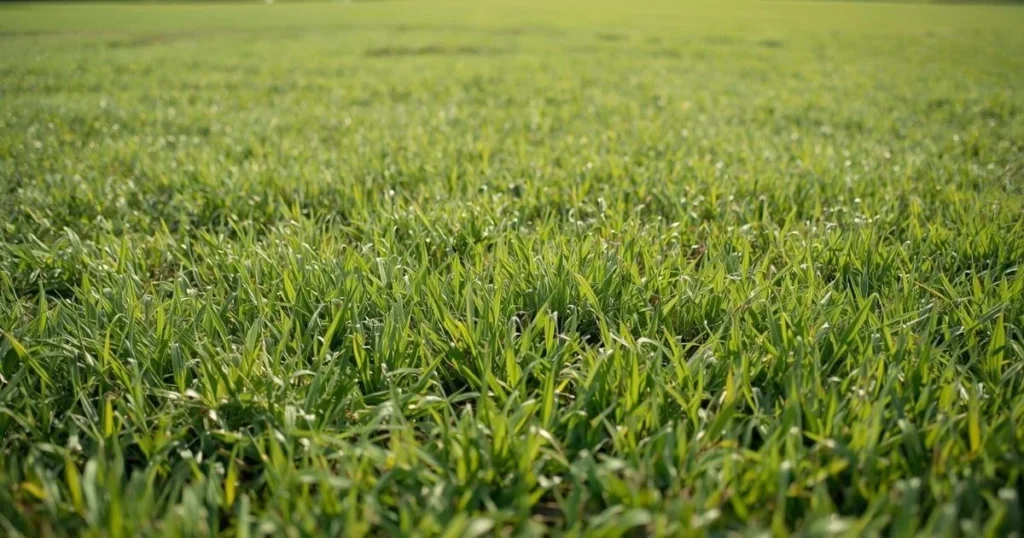
Bahia grass is very tough.
It grows well in sandy soil.
It needs little water.
It needs little fertilizer.
It has a rough texture.
Seed heads appear often.
Best for:
- Large yards
- Low-care lawns
- Budget-focused homeowners
One of the easiest Florida grasses to grow from seed.
Centipede Grass
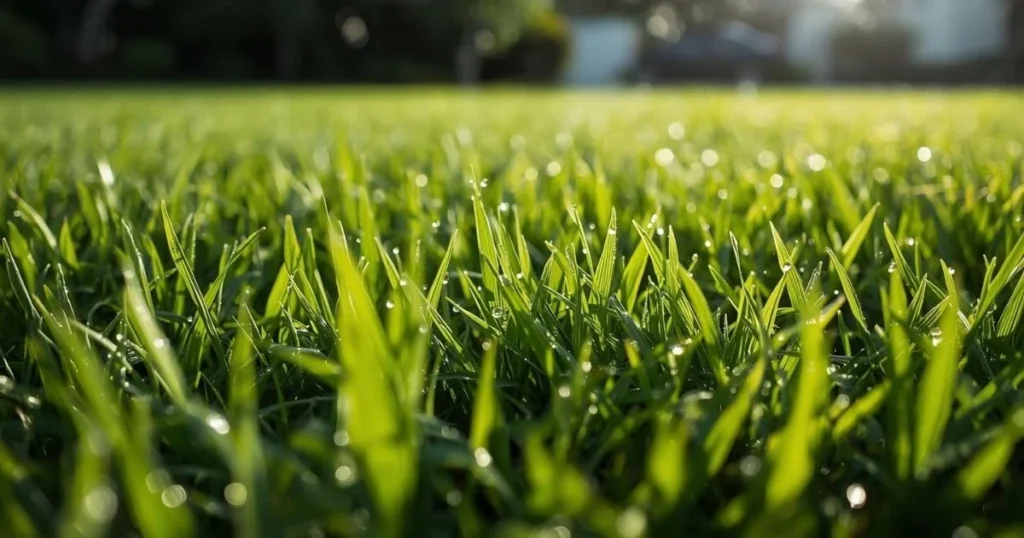
Centipede grass grows slowly.
It needs very little fertilizer.
It prefers acidic soil.
It has a light green color.
Too much fertilizer can damage it.
It does not handle heavy traffic well.
Best for:
- Quiet home lawns
- Low-maintenance yards
Most often planted using sod or plugs.
Seashore Paspalum
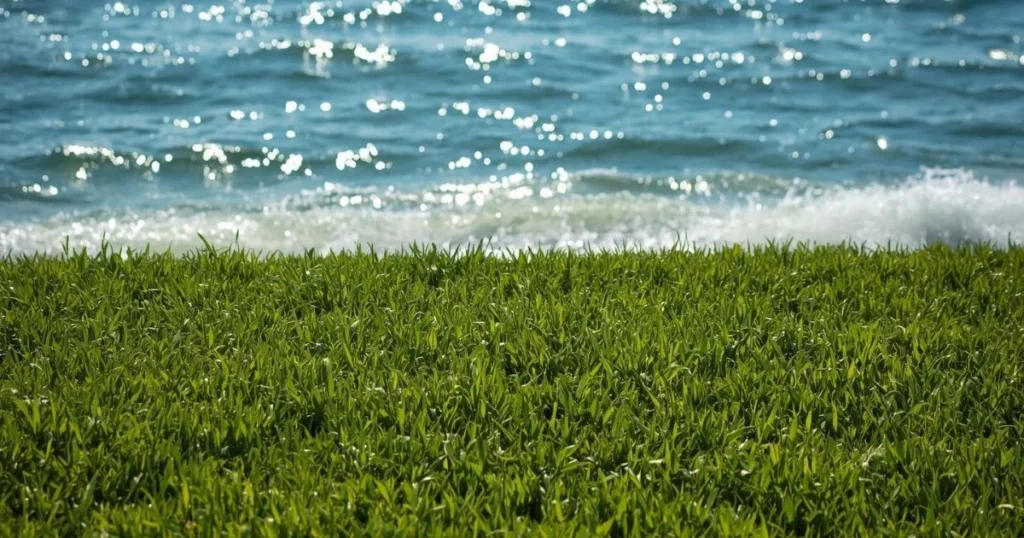
Seashore paspalum handles salt better than other grasses.
It grows well in coastal areas.
It tolerates salty soil and air.
It has a deep green color.
It needs clean water.
Poor water quality can cause issues.
Best for:
- Coastal lawns
- Salt-affected soil
Installed as sod, not grown from seed.
Best Grass to Grow in Florida by Region
North Florida
North Florida has cooler winters.
Good choices:
- St. Augustine grass
- Zoysia grass
- Centipede grass
Central Florida
Central Florida has long summers and mild winters.
Good choices:
- St. Augustine grass
- Bermuda grass
- Zoysia grass
South Florida
South Florida stays warm most of the year.
Good choices:
- St. Augustine grass
- Bermuda grass
- Bahia grass
- Seashore paspalum
Coastal Areas
Salt and wind affect grass near the coast.
Good choices:
- Seashore paspalum
- St. Augustine grass
- Zoysia grass
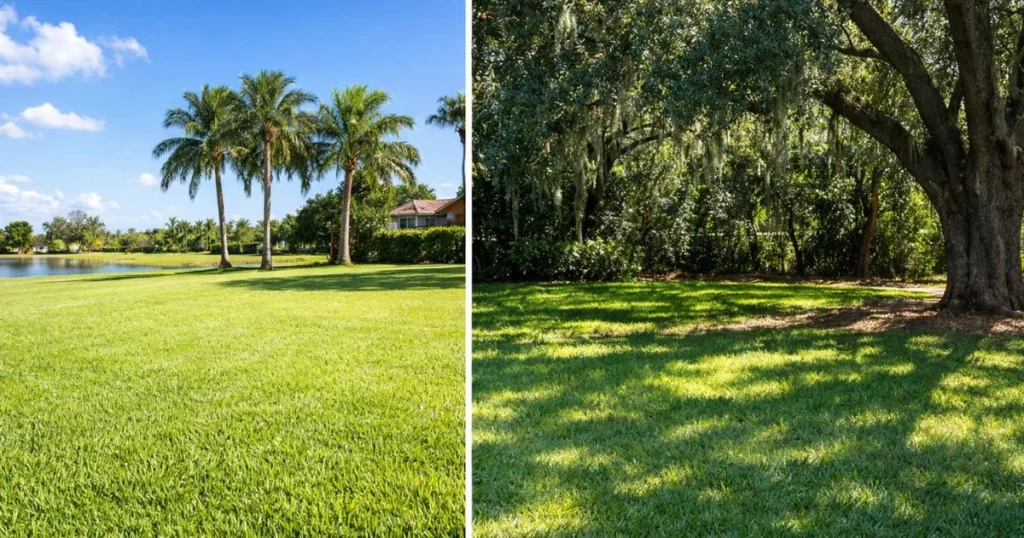
Best Grass to Grow in Florida for Sun and Shade
Sun exposure matters.
- Full sun lawns: Bermuda, Bahia
- Partial shade lawns: St. Augustine, Zoysia
- Shady yards: St. Augustine performs best
Choosing grass based on sunlight prevents thin and patchy lawns.
Best Grass to Grow in Florida for Pets and Kids
Some lawns get heavy use.
- Best grass for dogs: Bermuda grass
- Best grass for kids: Bermuda and Zoysia
- Best grass for low traffic: Centipede and St. Augustine
Fast-spreading grass repairs damage faster.
Comparison of the Best Grass to Grow in Florida
| Grass Type | Sun Needs | Shade | Water | Traffic | Care Level |
|---|---|---|---|---|---|
| St. Augustine | Medium–Full | Good | Medium | Medium | Medium |
| Bermuda | Full | Poor | Low | High | High |
| Zoysia | Medium–Full | Medium | Medium | High | Medium |
| Bahia | Full | Poor | Low | Low | Low |
| Centipede | Medium | Medium | Low | Low | Low |
| Seashore Paspalum | Full | Low | Medium | Medium | High |
Decision Chart: Choose the Right Grass for Your Yard
| Yard Condition | Best Grass Choice |
|---|---|
| Full sun and heavy use | Bermuda |
| Shady or tree-covered yard | St. Augustine |
| Sandy soil, low care | Bahia |
| Coastal or salty soil | Seashore Paspalum |
| Low fertilizer needs | Centipede |
| Clean look, moderate use | Zoysia |
Can grow from seed: Bermuda, Bahia (most others require sod or plugs).
Cost of Grass Installation in Florida
Cost affects long-term lawn success.
- Seed: Lowest cost, slow results
- Plugs: Medium cost, slow spread
- Sod: Highest cost, instant lawn
Zoysia and Seashore paspalum cost more.
Bahia and Bermuda are budget friendly.
Best Time to Plant Grass in Florida
Planting at the right time helps grass grow faster.
- Spring: Best time
- Early summer: Works with proper watering
- Fall and winter: Poor results
Warm soil helps roots establish.
Many Florida areas limit watering days, so drought-tolerant grass helps reduce stress.
How to Prepare Florida Soil for Grass
Florida soil drains fast.
Clear weeds and debris.
Level the ground.
Add organic matter if soil is too sandy.
Water soil lightly before planting.
Seeding, Sod, or Plugs
Each method has pros and cons.
- Seed costs less but grows slow
- Sod gives quick results
- Plugs cost less than sod but take time
Most Florida lawns succeed with sod or plugs.
Grass That Can Be Grown From Seed in Florida
Not all Florida grass grows from seed.
Bermuda and Bahia grass establish well from seed.
St. Augustine, Zoysia, and Seashore Paspalum usually require sod or plugs.
Choosing the wrong planting method often causes lawn failure.
Common Grass Problems in Florida Lawns
Florida lawns fail when grass choice is wrong.
- St. Augustine: chinch bugs
- Bermuda: winter browning
- Zoysia: poor drainage issues
- Centipede: fertilizer damage
Proper care prevents most problems.
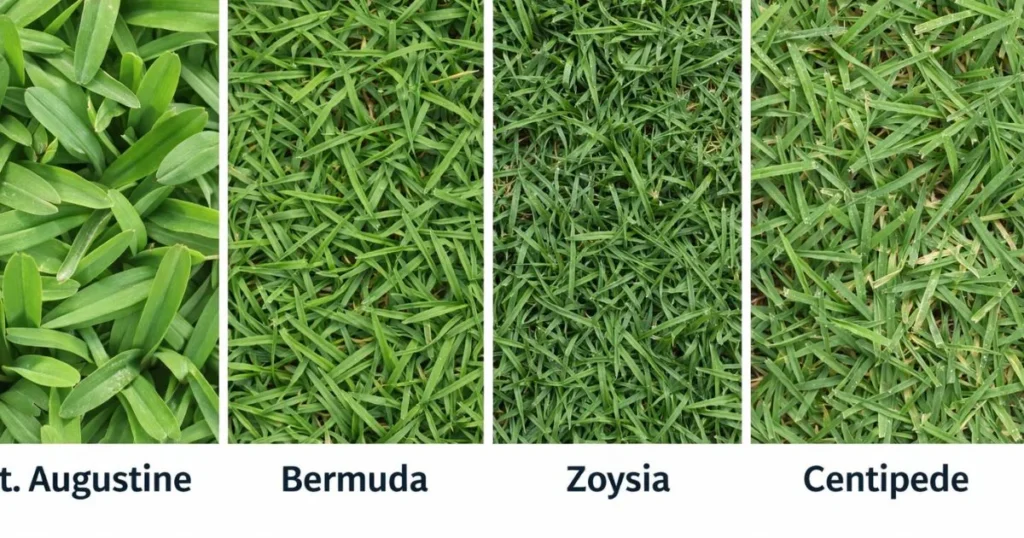
How to Tell Grass Types Apart
Simple signs help identify grass.
- Wide blades: St. Augustine
- Thin blades: Bermuda or Zoysia
- Light green color: Centipede
- Fast runners: Bermuda
Blade size and growth speed matter most.
Common Mistakes Florida Homeowners Make
- Choosing grass without checking sun and shade
- Planting cool-season grass in Florida heat
- Overwatering sandy soil
- Using too much fertilizer on Centipede grass
Frequently Asked Questions
What is the best grass for shade in Florida?
St. Augustine grass handles shade best.
What grass needs the least water?
Bahia grass needs very little water.
What is the best grass for dogs?
Bermuda grass handles traffic very well.
Can I mix grass types?
Yes, but lawns may look uneven.
Final Thoughts
After working with many Florida lawns, one thing is clear. There is no single grass that works for every yard. The best grass is the one that matches your sunlight, soil, and how the lawn is used. I have seen lawns improve just by switching grass types. They needed less water, had fewer bare spots, and stayed healthy longer. Florida heat and sandy soil are tough, but the right grass can handle it. From experience, this choice matters more than any other step in lawn care.