 Skip to content
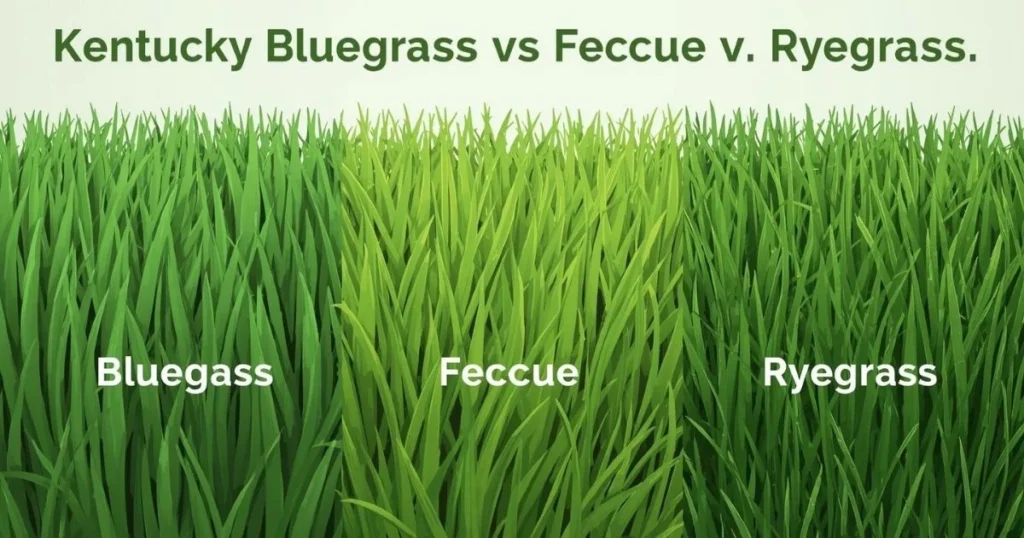
Choosing the right grass can feel confusing, and I know this from experience. I once planted what I thought was Kentucky bluegrass in my yard, expecting a lush, green lawn. Instead, it struggled in shaded areas and wore down quickly in high-traffic spots. Bare patches, slow growth, and brown areas made me realize that not all grasses are the same. Many homeowners face the same frustrations: lawns that fail in heat, thin out under trees, or look uneven despite careful care. For a complete overview of all lawn grass types in the U.S., check out our Grass Types guide.
The good news is that understanding the differences between Kentucky bluegrass, fescue, and ryegrass can save time, money, and stress. In this article, I’ll explain these grasses based on both research and real-life lawn experience. You’ll learn which grass works best for your climate, yard conditions, and lifestyle so you can avoid common mistakes and get a healthy, green lawn that lasts
- What Is Kentucky Bluegrass?
- What Is Fescue Grass?
- What Is Ryegrass?
- Kentucky Bluegrass vs Fescue vs Ryegrass
- How to Identify These Grasses in Your Lawn
- Germination Time Comparison
- How Much Seed to Use
- Best Grass by Climate and Region
- Best Time to Plant Each Grass
- Soil Preferences
- Maintenance Differences
- Foot Traffic and Lawn Use
- Common Lawn Problems and Solutions
- Why Transition Zones Need Blends
- Frequently Asked Questions
- Which Grass Should You Choose?
- Final Thoughts
What Is Kentucky Bluegrass?
Kentucky bluegrass is one of the most common lawn grasses in the United States. It has a soft feel and a deep green color.
This grass spreads through underground stems called rhizomes. Because of this, it can repair small bare spots over time.
Key traits
- Fine to medium blade
- Smooth texture
- Spreads on its own
- Slow to germinate
Best for
- Sunny yards
- Cooler climates
- Lawns where appearance matters
Kentucky bluegrass needs more water and feeding than other grasses. It struggles in long heat waves.
What Is Fescue Grass?
Fescue is a grass family, not a single type. The two most common lawn types are fine fescue and tall fescue.
Fine Fescue
Fine fescue has thin blades and grows well in shade.
Key traits
- Very narrow blades
- Handles shade well
- Low fertilizer needs
- Low foot traffic tolerance
This grass works well under trees and in quiet areas.
Tall Fescue
Tall fescue has wider blades and deep roots.
Key traits
- Coarse texture
- Strong root system
- Handles heat and drought better
- Good for busy lawns
Tall fescue grows in clumps and does not spread like bluegrass.
What Is Ryegrass?
Ryegrass is known for fast growth. Most lawns use perennial ryegrass.
Key traits
- Germinates quickly
- Bright green color
- Does not spread
- Smooth leaf surface
Ryegrass is often used for quick fixes and overseeding. It looks good fast but needs steady care.
Kentucky Bluegrass vs Fescue vs Ryegrass
| Grass Type | Growth Speed | Spreads? | Shade Tolerance | Heat/Drought | Foot Traffic | Maintenance Level |
|---|---|---|---|---|---|---|
| Kentucky Bluegrass | Slow | Yes | Low | Low | Medium | High |
| Fine Fescue | Medium | No | High | Medium | Low | Low |
| Tall Fescue | Medium | No | Medium | High | High | Medium |
| Perennial Ryegrass | Fast | No | Medium | Low | Medium | Medium |
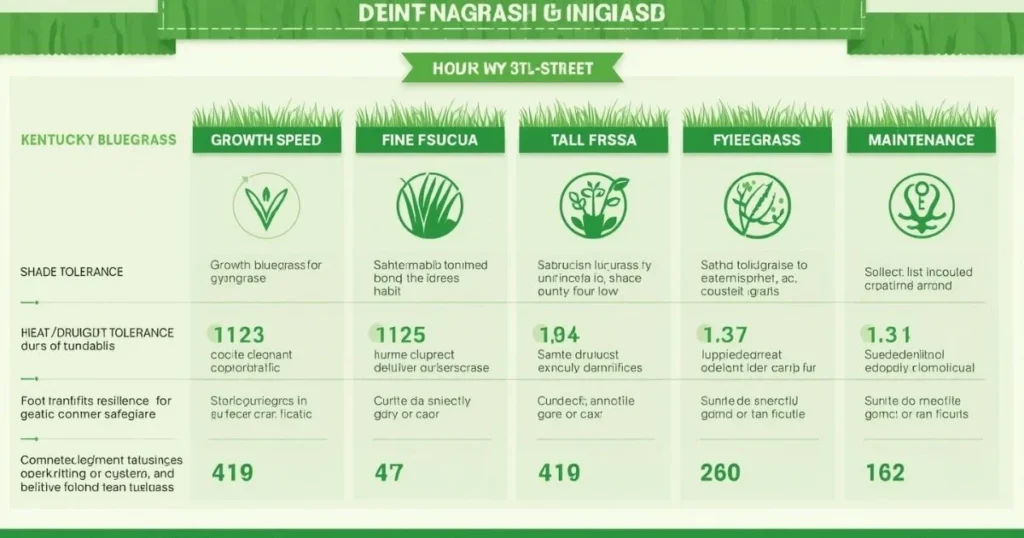
Here is how these grasses compare.
Growth speed
- Ryegrass grows fastest
- Fescue grows at medium speed
- Kentucky bluegrass grows slowest
Spreading
- Kentucky bluegrass spreads
- Fescue stays in clumps
- Ryegrass stays in clumps
Shade
- Fine fescue performs best
- Tall fescue handles partial shade
- Kentucky bluegrass needs sun
Heat and drought
- Tall fescue performs best
- Fine fescue prefers cool areas
- Kentucky bluegrass struggles in heat
- Ryegrass dries out fast
How to Identify These Grasses in Your Lawn
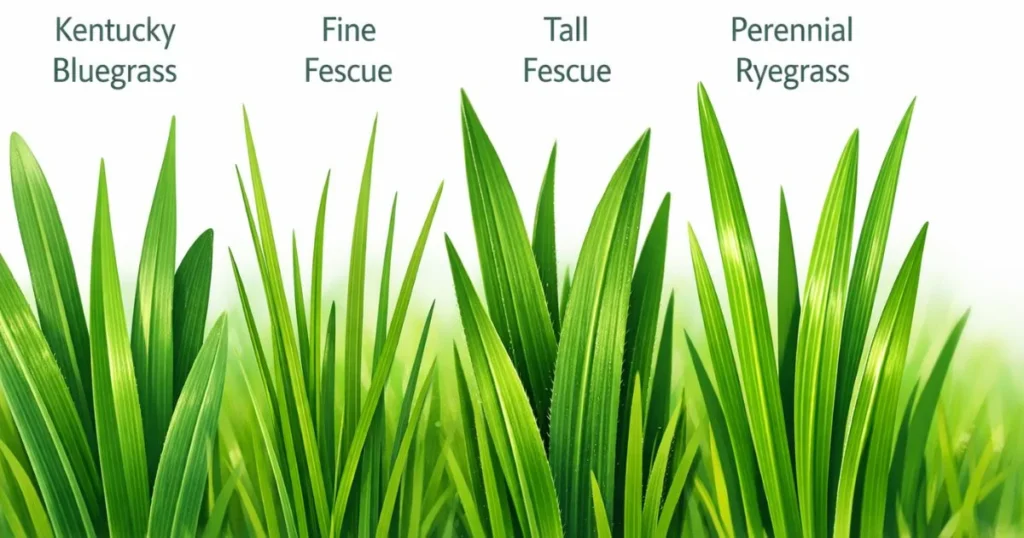
Many homeowners already have grass but do not know which type it is.
Kentucky bluegrass
- Leaf tip looks like a boat
- Soft feel
- Fills thin spots over time
Perennial ryegrass
- Shiny underside on leaves
- Firm feel
- Straight clump growth
Fescue
- Fine fescue has hair-thin blades
- Tall fescue has wide blades
- Grows in bunches
These signs help you identify grass without tools.
Germination Time Comparison
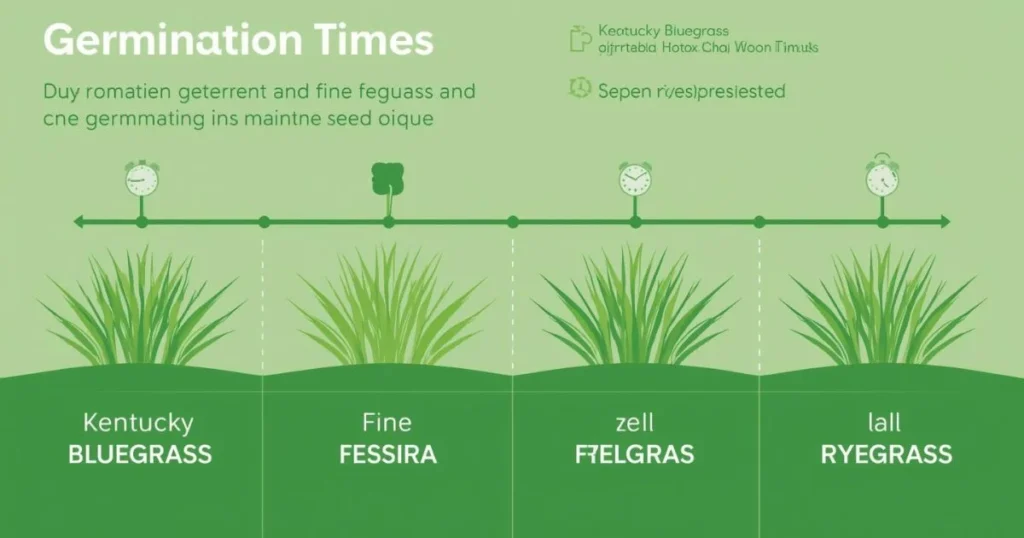
Seed speed matters when fixing bare spots.
- Perennial ryegrass: 5–10 days
- Fine fescue: 7–14 days
- Tall fescue: 7–12 days
- Kentucky bluegrass: 14–30 days
Fast growth gives quick cover. Slow growth gives long-term strength.
How Much Seed to Use
Using the right amount of seed helps grass grow thick and even.
Kentucky bluegrass usually needs less seed because it spreads over time.
Fescue needs more seed because it grows in clumps.
Ryegrass is often used lightly for quick cover.
For new lawns, use higher seeding rates.
For overseeding thin areas, use lower amounts.
Always follow seed label guidance and adjust based on lawn condition.
Best Grass by Climate and Region
Location matters more than looks.
Northern states
- Kentucky bluegrass performs well
- Fine fescue also works
Transition zones
- Tall fescue is safer
- Grass blends work best
Mild coastal areas
- Ryegrass grows well
- Fine fescue handles shade and moisture
Choosing by climate prevents lawn failure.
Best Time to Plant Each Grass
Planting at the right time improves success.
Cool-season grasses grow best when temperatures are mild.
Early fall is the best time to plant Kentucky bluegrass, fescue, and ryegrass.
Spring planting can work but needs careful watering.
Avoid planting during peak summer heat.
Timing matters as much as grass choice.
Soil Preferences
Soil affects grass health.
Kentucky bluegrass
- Needs well-drained soil
- Prefers fertile ground
Fescue
- Fine fescue tolerates poor soil
- Tall fescue handles clay better
Ryegrass
- Needs moist soil
- Fails in compacted ground
Soil testing improves results.
Maintenance Differences
Care level is a major concern for homeowners.
Water
- Bluegrass needs frequent watering
- Tall fescue needs less
- Ryegrass needs steady moisture
Mowing
- Bluegrass prefers shorter cuts
- Fescue prefers higher cuts
- Ryegrass needs frequent mowing
Feeding
- Bluegrass needs more fertilizer
- Fescue needs less
- Ryegrass needs moderate feeding
Low-care lawns often choose fescue.
Foot Traffic and Lawn Use
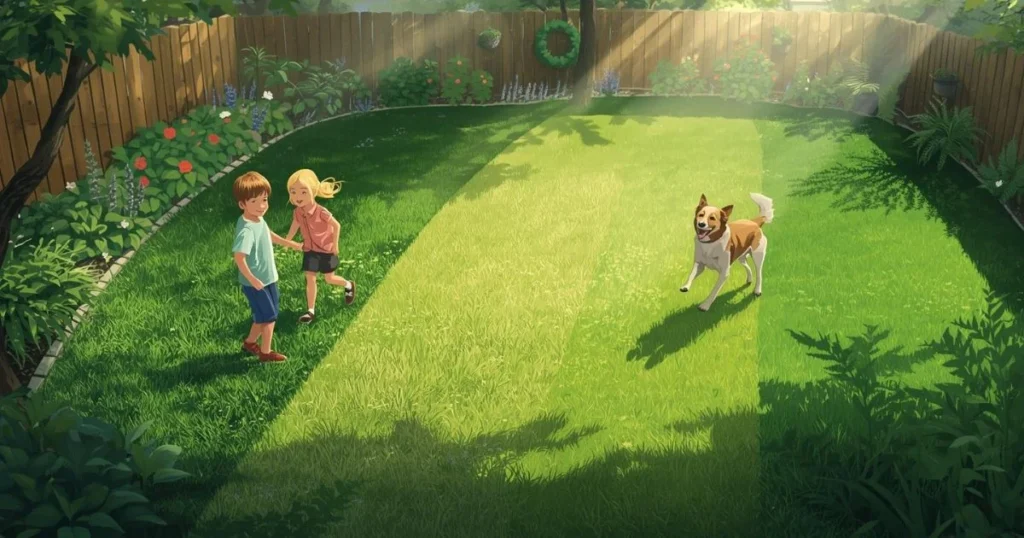
Daily use wears grass down.
- Tall fescue handles heavy use
- Kentucky bluegrass repairs itself
- Fine fescue wears out fast
- Ryegrass weakens over time
Lawns with kids or pets need tougher grass.
Common Lawn Problems and Solutions
- Patchy lawn in summer → tall fescue
- Thin shady lawn → fine fescue
- Slow fill-in → ryegrass for quick cover
- Worn areas → bluegrass blends
Matching grass to the problem saves time and money.
Why Transition Zones Need Blends
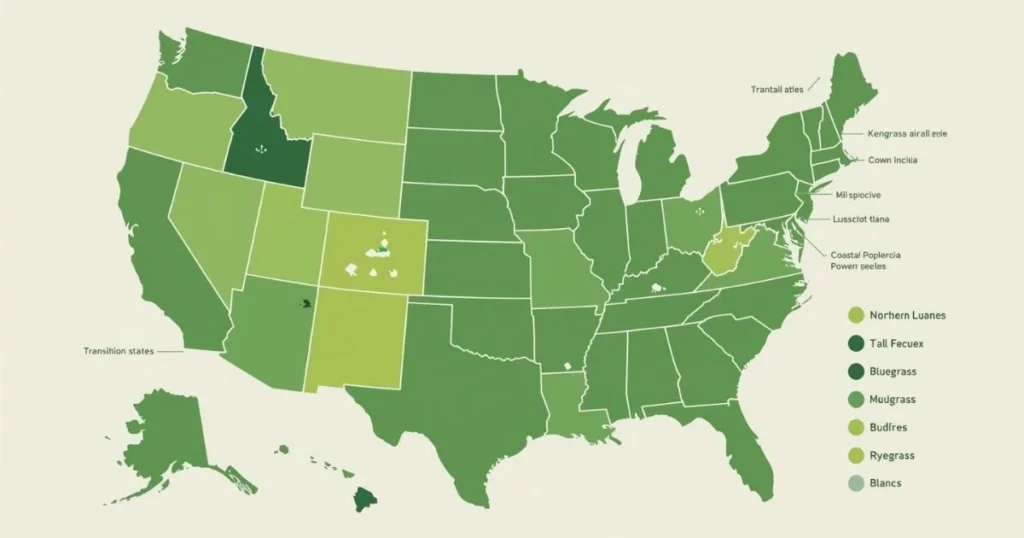
Transition zones face hot summers and cold winters.
Kentucky bluegrass struggles in heat. Ryegrass fades in summer. Tall fescue handles stress better.
Blends balance these limits and give steadier lawns.
Frequently Asked Questions
Can I mix Kentucky bluegrass, fescue, and ryegrass?
Yes. Many lawns use blends.
Which grass needs the least care?
Fine fescue needs the least work.
Which grass is best for dogs?
Tall fescue handles wear better.
Which grass grows fastest?
Perennial ryegrass grows fastest.
Which Grass Should You Choose?
Choose based on your needs.
- Choose Kentucky bluegrass for sunny, cool lawns
- Choose fescue for shade, heat, or low care
- Choose ryegrass for quick fixes
Many homeowners get the best results with blends.
Final Thoughts
From my experience caring for different lawns across the US, there is no single “best” grass for every yard. Kentucky bluegrass works beautifully in northern, cooler areas but struggles in heat and heavy use. Tall fescue has proven reliable for busy lawns with kids and pets, while ryegrass is ideal for quick cover or filling bare spots. The key is matching grass type to your climate, soil, and how your lawn is used. By applying these insights, you can avoid the common frustrations I faced, make maintenance easier, and enjoy a green, healthy lawn year-round.
Quick Takeaways
- Kentucky Bluegrass: Best for sunny, cool areas; slow growth; spreads naturally.
- Fine Fescue: Shade-tolerant; low care; thin blades; low traffic tolerance.
- Tall Fescue: Heat-tolerant; deep roots; handles traffic; clump growth.
- Ryegrass: Fast germination; temporary cover; does not spread; needs regular care.
- Blends: Use in transition zones for balanced performance.