
- What Your Siding Actually Does for Your Home
- Early Warning Signs You Shouldn’t Ignore
- Why Moisture Is the Biggest Trouble Maker
- When a Repair Makes Sense and When It Doesn’t
- What Happens During a Professional Siding Assessment
- Smart Maintenance Habits That Help Siding Last Longer
- The Bottom Line for Homeowners
Your siding does more than make your house look put together. It blocks wind, rain, pests, and temperature swings that can slowly wear down the structure underneath. If you live in an area with humid summers, storms, or freezing winters, siding takes a real beating over time. Knowing what to watch for helps you catch problems early, avoid expensive surprises, and keep your home looking sharp without turning maintenance into a full-time hobby.
Thank you for reading this post, don't forget to subscribe!- What Your Siding Actually Does for Your Home
- Early Warning Signs You Shouldn’t Ignore
- Why Moisture Is the Biggest Trouble Maker
- When a Repair Makes Sense and When It Doesn’t
- What Happens During a Professional Siding Assessment
- Smart Maintenance Habits That Help Siding Last Longer
- The Bottom Line for Homeowners
What Your Siding Actually Does for Your Home
You probably think of siding as the outer “skin” of your house, and that’s basically right. It protects the framing, insulation, and interior walls from weather and moisture. It also affects energy efficiency, curb appeal, and even resale value.
When siding starts to fail, the damage often spreads quietly. Water can slip behind loose panels, insects can find entry points, and mold can begin growing where you can’t see it. That’s the annoying part. Problems tend to hide until repair bills get bigger.
Different siding materials age in different ways. Vinyl can crack or warp. Wood can rot or split. Fiber cement holds up well but may still show joint or paint issues over time. Paying attention to those material-specific warning signs gives you a better read on whether your home just needs upkeep or something more serious.
Early Warning Signs You Shouldn’t Ignore
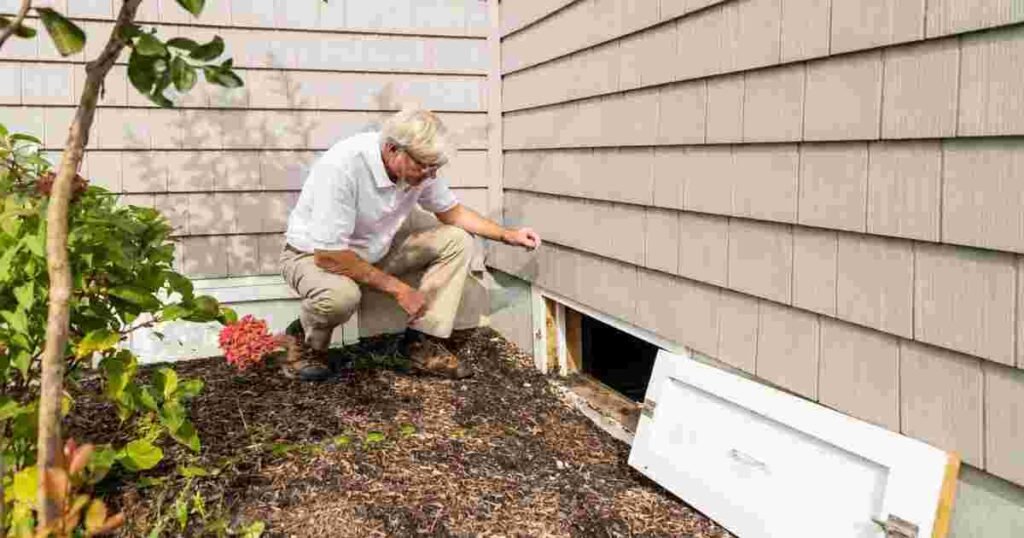
Most siding issues don’t begin with a dramatic panel falling into your yard. They start small. You might notice bubbling paint, faded patches, soft spots, or a section that looks slightly crooked. Those details matter more than they seem.
Keep an eye out for signs like:
– Cracks, chips, or holes in panels
– Warping or buckling after heat or storms
– Loose pieces rattling in strong wind
– Mold, mildew, or dark streaks
– Rotting trim near the bottom edges
– Higher energy bills without another obvious cause
Inside your house, peeling paint or damp drywall near exterior walls can also point to siding trouble. If your home suddenly feels draftier in one room, that can be another clue.
A quick visual check every season can save you from discovering damage the expensive way, which is usually after a storm and during a bad week.
Why Moisture Is the Biggest Trouble Maker
Water is usually the main villain in siding problems. It sneaks into gaps, sits behind panels, and slowly damages what’s underneath. Once moisture gets trapped, you can end up with mold, wood rot, or insulation that no longer does its job.
This gets worse around rooflines, windows, doors, and the lower edges of walls where runoff collects. Gutters that overflow or sprinklers that constantly hit the house can also speed up wear. Even a tiny crack can become a pathway for long-term damage.
If you’re evaluating whether you need exterior siding repair, moisture-related symptoms are often the strongest signal. A repair is not only about patching the visible issue. It may also involve checking flashing, sealing vulnerable seams, and replacing sections that no longer protect the structure properly.
Dry-looking siding can still hide wet materials behind it, so surface appearances don’t always tell the whole story.
When a Repair Makes Sense and When It Doesn’t
Not every siding issue means you need a full replacement. In many cases, targeted repair is the smarter move. If the damage is limited to one side of the house, a few panels, or a localized moisture problem, repair can restore protection without the cost of redoing everything.
Repair usually makes sense when:
– The damage is isolated rather than widespread.
– The underlying structure is still solid.
– Matching materials are still available.
– The siding is not near the end of its lifespan.
Replacement starts looking more practical when large sections are failing, moisture damage has spread, or repeated repairs keep stacking up. At that point, you’re not really saving money. You’re just paying in installments.
A professional inspection helps sort that out. It’s especially useful if your siding looks fine from the street but has suspicious spots up close. Cosmetic wear and structural failure are very different conversations.
What Happens During a Professional Siding Assessment
If you’ve never had your siding inspected, the process is pretty straightforward. A contractor typically checks visible damage, probes soft or rotted areas, and looks closely at vulnerable spots around trim, windows, corners, and joints.
They may assess:
– Surface cracks and panel movement
– Moisture intrusion and hidden rot
– Condition of caulking and flashing
– Signs of pest activity
– Ventilation and drainage issues nearby
This matters because siding doesn’t fail in isolation. Sometimes the real issue starts with bad drainage, poor installation, or storm damage that shifted materials just enough to create openings.
A good assessment should explain the scope clearly. You want to know what is damaged now, what may become a problem later, and whether a repair will truly solve it. No mystery, no jargon avalanche, no being handed a quote that reads like a secret code.
Smart Maintenance Habits That Help Siding Last Longer
You don’t need an elaborate maintenance schedule to get more life out of your siding. A few simple habits go a long way, especially if your home gets regular rain, harsh sun, or seasonal storms.
Start with these basics:
– Walk around your house every few months.
– Clean dirt and mildew gently with approved methods
– Keep gutters clear and downspouts directed away.
– Trim shrubs and tree branches off the walls
– Check for gaps around windows and doors.
– Watch for sprinkler spray hitting siding daily.
If you see one small issue, don’t leave it for “later.” Later, she has a bad habit of becoming wet sheathing and a larger invoice.
It also helps to keep records of repairs and installation dates. That gives you a clearer timeline for wear and helps if you ever file an insurance claim or prepare to sell your home. Buyers notice exterior conditions fast, often before they’ve even stepped inside.
The Bottom Line for Homeowners
Siding problems rarely improve on their own. Small cracks, loose panels, and water stains can look minor, but they often signal larger issues developing behind the surface. Catching them early gives you more options and usually keeps costs lower.
Your best move is to treat siding as part of your home’s protective system, not just a decorative finish. Look closely after storms, pay attention to moisture patterns, and act when something seems off. You don’t need to panic over every blemish, but you do need to stay observant.
A well-timed repair can protect your home’s structure, improve efficiency, and preserve appearance without forcing a major renovation. That’s a solid outcome for something most people only notice when it starts behaving badly.