
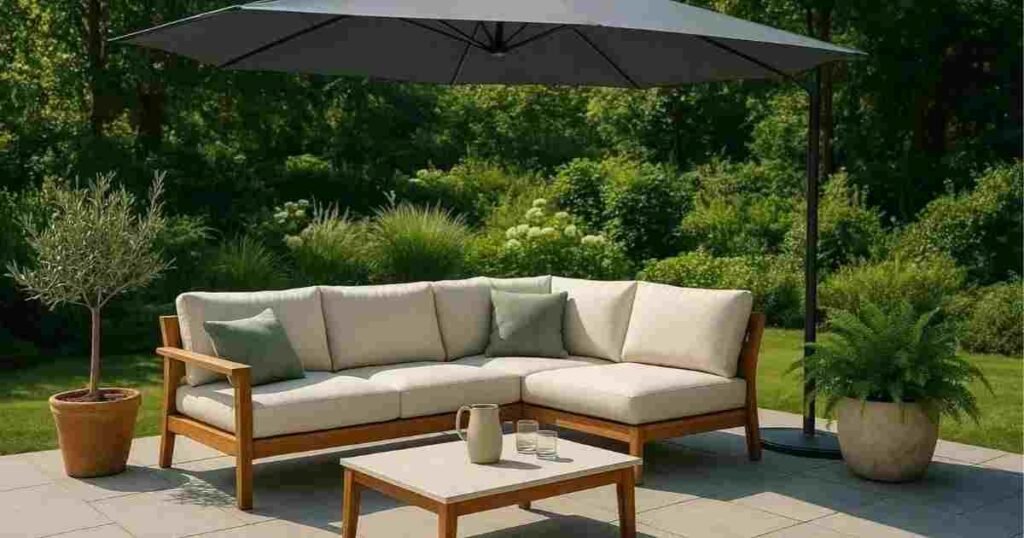
Installing a waterproof sun shade can turn an exposed garden into a useful outdoor room. It protects the area from strong UV rays and sudden rain. Unlike standard woven canopies, which may let fine drops pass through their fibres, sealed overhead covers create a dry and reliable space. This helps you use a patio, deck, or dining area in a wider range of weather. By reducing weather-related interruptions, a waterproof shade brings outdoor comfort closer to the comfort of your home.
Modern waterproof garden sun shades offer more than basic cover. They reduce heat from the sun, protect garden furniture from early damage, and can help direct rainwater across your property. Whether you choose a tensioned sail or a neat retractable system, a waterproof shade can improve daily comfort and add value to your home.
- What Are Waterproof Sun Shades for Gardens?
- Improves Comfort in Outdoor Living Areas
- Protects People, Plants, and Outdoor Furniture
- Reduces Heat and Energy Costs
- Adds Style and Value to Your Garden
- Choose the Right Waterproof Shade Design
- Are Waterproof Sun Shades Worth the Cost?
- Plan a Safe and Durable Installation
- Maintain Waterproof Sun Shades for Long-Term Performance
What Are Waterproof Sun Shades for Gardens?
Waterproof sun shades are overhead fabric covers made to protect outdoor areas from rain and sunlight. Standard shade sails mainly block direct glare. Waterproof versions work more like light roof systems. They are stretched or supported above gardens, terraces, and play areas to create a dry, shaded space below.
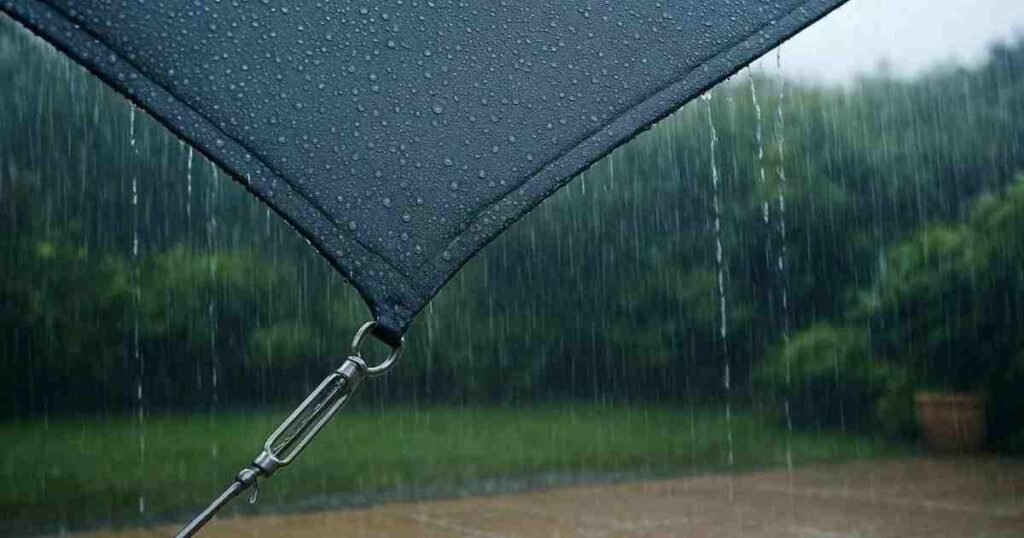
Since these covers block water, they need careful planning. Open-weave fabrics allow air and moisture to pass through easily. A waterproof cover must move rain away from the area while also dealing with wind pressure and the weight of heavy rainfall.
How Waterproof Sun Shades Combine Rain and UV Protection
The main benefit of a waterproof shade comes from its surface material. The upper layer reflects and absorbs part of the sun’s energy and blocks about 95% to 98% of harmful ultraviolet radiation. This gives people underneath immediate relief from heat and helps protect the fabric from long-term sun damage.
At the same time, the continuous, non-porous fabric stops water from passing through. During a long, heavy shower, drops run across the stretched surface instead of falling onto the seats below. This means you do not have to choose between strong sun protection and useful cover during wet weather.
What Materials Are Waterproof Garden Shades Made From?
High-quality waterproof shades use dense synthetic fabrics made to cope with outdoor conditions. Common materials include high-density polyester with a polyvinyl chloride (PVC) coating, polytetrafluoroethylene (PTFE) architectural membranes, and tightly woven acrylic fabrics with a polyurethane coating. These coatings close the tiny spaces between the threads and create a barrier against water.
The way the seams are made matters just as much as the fabric. Basic sewn seams can leave small holes where water may enter. Better waterproof systems use heat-welded or chemically joined seams. These methods create smooth, sealed joins that are as water-resistant as the main fabric.
Improves Comfort in Outdoor Living Areas
An uncovered patio can become extremely hot at midday and unusable after a sudden shower. A waterproof sun shade helps control both problems, creating a more pleasant and predictable place just outside your home. By changing the conditions in a small area, a shade can turn an unused part of the garden into a regular place for family time.
This comfort comes from real changes in heat and moisture, not just from how the space looks. By reducing radiant heat and keeping rain away, a shade makes it easier to sit, eat, or play outside without checking the forecast every few minutes.
Creates Cooler Seating and Dining Spaces
Air temperature does not tell the whole story about summer comfort. The air under a shade may be only a few degrees cooler, but the mean radiant temperature can fall by more than 20°C. The cover blocks infrared heat that would otherwise warm stone patios, brick walls, and furniture. These surfaces then give off less heat in your direction.
Research on human heat comfort also shows clear benefits under fabric covers. By reducing radiant heat, a well-ventilated waterproof canopy can make a hot terrace feel much more comfortable. Outdoor meals become easier without harsh glare or heat pressing down from above.
Provides Shelter from Light Rain and Harsh Sun
Unexpected summer showers often bring outdoor meals to an abrupt end. Guests may have to carry plates, cushions, and other items indoors. A waterproof shade reduces this problem by giving people steady cover while rain runs off the top. A barbecue or evening meal can continue with less disruption.
The same cover helps on bright days. Instead of moving inside during the hottest part of the afternoon, you can stay outdoors in softer, filtered light. The cover protects you from direct glare as well as passing rain.
Increases Garden and Patio Usability Throughout the Year
Many outdoor areas go unused for long periods because of spring rain, strong summer heat, or damp autumn weather. A durable waterproof shade reduces these seasonal limits and helps turn the patio into a space that works in more months of the year.
You can combine the cover with portable radiant heaters or an outdoor fire table to use the patio from early spring through late autumn. The canopy holds some of the rising warmth below it, while the cover keeps damp air and light frost away from seats and tables.
Protects People, Plants, and Outdoor Furniture
Sun, wind, and rain can cause steady damage in a garden. They fade fabrics, wear down building materials, and place stress on plants. A waterproof shade provides a layer of protection for both living plants and household items kept outside.
The cover blocks some of the strongest weather effects before they reach the ground. This can reduce cleaning and repair work, protect valuable plants, and create a more comfortable place for people to spend time.
Reduces Exposure to Harmful UV Rays
The World Health Organization recommends using sun protection when the UV index reaches 3 or higher. Long periods without cover can damage skin, speed up cell aging, and raise the risk of skin cancer. Waterproof shades block most direct UV radiation and provide a safer shaded area.
This matters especially for young children, older family members, and people who spend many hours gardening or relaxing outside. Some indirect UV light remains in any open outdoor area, but an overhead shade greatly lowers the total amount that reaches your body.
Helps Prevent Fading and Weather Damage to Furniture
Outdoor furniture can cost a great deal to replace. Wooden tables, synthetic wicker, and garden cushions can wear out quickly when exposed to strong sunlight and repeated wetting. Sunlight breaks down colour pigments, causing fabrics to fade and wood to crack. Ongoing dampness can also lead to rot and mildew.
A waterproof canopy helps limit both types of damage. It blocks much of the harsh sunlight and keeps heavy rain away from cushions and other soft items. You will not need to rush outside to collect cushions every time clouds appear. Furniture stays drier, cleaner, and ready to use, which can add years to its useful life.
Supports More Comfortable Garden Conditions for Plants
Plants need sunlight, but very hot summer weather can cause scorched leaves, water loss, and early wilting. A fabric canopy filters some of the strongest sunlight. It can lower water loss from leaves and keep the soil cooler, helping delicate roots avoid heat stress.
Planting areas need careful planning around a waterproof cover. Since the membrane sends rain away from the ground below, plants directly underneath may need drip irrigation or hand watering. This can also be useful. You can place plants that prefer less direct sun under the cover and guide the collected rain towards nearby beds that need more water.
Reduces Heat and Energy Costs
Waterproof sun shades can also help cool your home. When placed near a building, they stop some solar energy before it reaches windows and outside walls. This can improve summer energy use without adding electrical equipment.
Blocking heat before it reaches glass and masonry keeps part of that energy outside. This simple form of shading can lower indoor temperatures during hot weather without using more electricity.
Limits Heat Gain Near Windows, Doors, and Conservatories
Glass windows, French doors, and conservatory panels can act like solar collectors. They allow sunlight to enter and hold heat inside, much like a greenhouse. Walls and floors may continue giving off that heat into the evening, keeping rooms warm long after the sun has gone down.
Placing a waterproof shade above large windows or glass doors blocks direct sunlight before it reaches the glass. This can lower the temperature of the glazing and help nearby kitchens, living rooms, and other indoor areas stay cooler.
Can Reduce Reliance on Fans and Air Conditioning
A lower indoor heat load can lead to lower cooling costs. If rooms next to the garden remain cooler, air conditioning may run for shorter periods and may not need to work as hard during hot afternoons.
This can reduce electricity bills during the warmest months and lower household carbon emissions. In homes without central air conditioning, shading can stop upper floors and sunny rooms from becoming too hot. It also makes natural airflow through open windows more useful.
How Shade Placement Affects Energy Efficiency
The performance of a shade depends on the direction of the building and the way the cover is installed. A canopy on a south-facing wall can block the high summer sun. A west-facing area usually needs deeper or angled cover because the afternoon sun sits lower and can send strong heat through windows.
Setting the cover at the right angle can help it work across different seasons. A well-planned system blocks much of the high summer sun but allows lower winter rays to pass beneath it. This keeps useful natural warmth available when the weather is cold.
Adds Style and Value to Your Garden
Good garden design combines appearance with practical use. A well-chosen waterproof canopy can add strong lines, gentle curves, and a clear three-dimensional feature to an otherwise flat garden.
A carefully planned shade changes how the property looks and how people use it. Buyers often value finished outdoor living areas. A good shading system can make the garden more appealing and add to the overall impression of the home.
Match Colours, Shapes, and Materials to Your Landscape
Modern shade systems are available in many colours, finishes, and shapes. Whether your house has traditional brick walls or clean modern render, you can choose a canopy that fits the building and nearby planting.
Light fabrics create a bright, modern feel and reflect sunlight to help keep the area cooler. Darker earth colours blend with greenery and can hide dust more easily. Shade shapes range from curved hyperbolic sails to simple rectangles, as seen in the range at shade4you.eu, allowing the design to follow the lines of your home.
Create a Defined Outdoor Room for Relaxation and Entertaining
Landscape designers often use overhead covers to divide an open garden into separate areas. Placing a fabric membrane over a patio frames the ground beneath it and gives the space a clear purpose.
This overhead boundary can make the area feel more private and comfortable. The fabric may also soften sound, reduce some surrounding wind noise, and create a natural focus for furniture, lights, and conversation.
How a Well-Designed Shade Structure Can Improve Property Appeal
Outdoor improvements can offer a good return when you sell a home. Many buyers like ready-to-use entertaining areas that connect indoor rooms with the garden.
A durable waterproof shade installed by a skilled team shows that the property has been cared for and planned for outdoor use. A patio that remains useful during hot afternoons and light showers feels like a real extension of the home rather than an unused area beside it.
Choose the Right Waterproof Shade Design
Every garden has different support points, wind conditions, and available space. Choosing the right waterproof canopy means matching the design to your budget, garden layout, and everyday plans for the area.
Tensioned sails and permanent framed structures each have different strengths. Comparing the choices helps you find a system that suits the garden, directs water away properly, and remains reliable over time.
Waterproof Shade Sails for Flexible Garden Coverage
Waterproof shade sails use stretched, curved fabric attached to walls, posts, or existing frames. Their simple sweeping shapes give a garden a modern look without the heavy appearance of large timber or metal rafters.
Since each corner can attach to a separate point, sails work well in gardens with unusual layouts. However, solid fabric cannot allow water to pass through. The sail must be installed with enough tension and a clear slope so rain moves quickly towards the edges.
Canopies for Larger Seating and Dining Areas
A framed canopy can provide steady cover across a wide terrace. These systems usually attach strong waterproof fabric to an aluminium or steel frame. The frame keeps the material stable and in position.
Framed canopies suit large dining areas, outdoor kitchens, and lounge spaces where you want little fabric movement in windy conditions. Their fixed edges can also make it easier to add downpipes, built-in LED lights, and discreet heater fittings.
Retractable Awnings for Adjustable Sun Protection
Retractable awnings offer cover when you need it and an open view of the sky when you do not. They attach to the house wall and extend over the patio with folding arms.
Many motorised models work with wind and rain sensors. The awning can extend when strong sunlight heats the patio and retract against the wall when high winds begin. This helps protect the fabric during sudden storms.
Fixed and Freestanding Options for Residential Gardens
If patio walls cannot handle the sideways pull of a tensioned structure, a freestanding frame may be a better choice. These systems use corner posts fixed into the ground and can stand in many parts of the garden, including pool decks and quiet lawn areas.
Fixed freestanding canopies create separate outdoor rooms away from the main house. Their own columns carry the fabric tension and weather loads, reducing pressure on the home’s cladding and brickwork.
Are Waterproof Sun Shades Worth the Cost?
A high-quality waterproof shade requires an initial spend on materials, fittings, and installation. A cheap patio umbrella may cost less at first, but weak parts and limited coverage can make it poor value over time.
Looking at the full cost over the shade’s working life gives a clearer view. Longer furniture life, lower cooling bills, and years of reliable cover can make a purpose-built waterproof shade a good value for the area it protects.
Compare Upfront Costs with Canopies, Awnings, and Umbrellas
Standard cantilever umbrellas are fairly affordable, but they can tip over in moderate wind and often cover only a small or awkward area. A permanent timber pergola roof or glass veranda, on the other hand, may cost tens of thousands of pounds and take weeks to build.
Tensioned waterproof shades sit between these options. They provide broad, dependable cover and a clear design feature at a lower cost than a permanent timber or brick addition. They can also be installed much faster.
Calculate Potential Savings from Furniture Protection and Lower Cooling Use
To judge the full value, add up the costs that a shade may help avoid. High-quality teak, aluminium, and all-weather wicker furniture can cost thousands to replace after repeated sun exposure and rain damage.
Shading windows during the hottest part of summer can also lower electricity use. Keeping indoor woodwork from fading, outdoor cushions in better condition, and air conditioning use under control can produce steady savings over the years.
Factors That Affect the Price of a Garden Shade Installation
The price of a waterproof shade depends on several design and manufacturing details:
- Fabric Quality: Commercial PVC-coated polyester and PTFE architectural fabrics cost more than basic retail materials, but they can last for many years.
- Hardware Specifications: Marine-grade 316 stainless steel turnbuckles, D-rings, and cables resist rust and reduce the chance of early hardware failure.
- Site Engineering: Deep steel posts set in concrete cost more than fixing a cover directly to strong parts of an existing house.
- Custom Geometry: Made-to-measure sails for unusual garden sizes cost more than standard, ready-made shapes.
Plan a Safe and Durable Installation
A waterproof shade sail needs more structural planning than a simple open-weave canopy. Since the fabric does not let rain pass through, it behaves much like a solid roof during heavy weather.
Poor planning of the angle, fixing points, or fabric tension can create a serious safety risk. Planning water flow, load points, and supports in advance helps the system remain safe and reliable for many years.
How to Position a Waterproof Shade for Effective Drainage
Water pooling is one of the biggest risks to a waterproof shade. Rain is very heavy: 100 litres of water weighs about 100 kilograms. If a canopy sags and holds water, the extra weight can stretch the fabric, break fittings, or pull anchor points out of a wall.
The shade needs a clear slope so water can run off continuously. Common installation guidance calls for a slope of at least 15° to 30°, or about a 20% to 25% drop in height across the span. With triangular or rectangular sails, placing some anchor points higher than others creates a curved twist that sends water towards the lower edges.
Use Strong Fixing Points and Correct Tension
Correct tension helps keep a fabric structure stable. A loose sail can flap strongly in the wind and place sudden loads on fittings. Over time, this may damage eyelets, wall plugs, and masonry.
Every anchor point must connect to a strong part of the building, such as load-bearing framing, thick brickwork, or steel posts set deep in concrete. High-capacity stainless steel turnbuckles help tighten the membrane and keep it firm as weather loads change.
Can Waterproof Shades Withstand Strong Winds and Heavy Rain?
A properly installed waterproof shade with a good slope can handle heavy seasonal rain and moderate wind. Because the water runs down the slope, it does not remain on the stretched surface and add weight.
Gale-force storms, very heavy tropical rain, and winter snow can still exceed safe limits. Snow is especially dangerous because it can stay on the cover instead of running off. The weight can become large enough to damage or crush a domestic shade frame.
When Professional Installation Is the Safer Choice
Small open-weave sails may suit a capable DIY installer, but large waterproof projects often need professional help. Experienced installers have the tools and knowledge to calculate local wind loads, check wall strength, and plan safe foundations.
They can also set anchor heights so water runs away from house foundations, outdoor electrical points, and neighbouring properties. Professional installation gives you greater confidence that the canopy will remain secure during sudden storms.
Maintain Waterproof Sun Shades for Long-Term Performance
High-quality outdoor fabrics usually resist mould, rot, and dirt, but regular care still helps them work properly. Seasonal cleaning and checks protect the fabric coating, keep the shade looking good, and help fittings move as they should.
A simple care routine can find small problems before they become costly repairs. Spending an hour or two checking and cleaning the canopy each season may add several years to its working life.
How Clean Dirt, Mould, and Bird Debris
Over time, pollution, leaves, pollen, and bird droppings collect on the top of the shade. If this material remains in place, it can wear down the surface coating and encourage mould to grow.
Clean the canopy with a soft brush, mild washing-up liquid, and warm water. Do not use a pressure washer, rough cleaning pad, or strong bleach. High-pressure water can remove the waterproof coating and harm heat-welded seams.
Inspect Seams, Fixings, and Fabric Before Each Season
Check the whole system each spring before you begin using the garden more often. Look for fabric stress, frayed edges, and lifted seams. Inspect every turnbuckle, D-ring, and wall fitting for rust, looseness, or wear.
Check the fabric tension too. Wind and heat can make synthetic materials stretch slightly over time. You may need to tighten the turnbuckles to restore a firm surface. A little marine grease on the turnbuckle threads helps them move smoothly and prevents the threads from sticking.
Should Waterproof Shades Be Removed During Severe Weather?
Yes. Removing the fabric before severe storms, gale warnings, or winter snow is the safest way to protect it. Once you are familiar with the process, taking down a tensioned sail usually takes only a few minutes with standard tools.
Removing the canopy during the coldest and wettest winter months prevents snow from collecting, reduces damp exposure, and keeps the fabric cleaner while the garden is quiet. Let the fabric dry fully, roll it loosely, and store it in a dry shed or garage. Avoid folding it tightly because hard creases may damage the waterproof coating.
How Long Do Waterproof Garden Shades Typically Last?
A premium waterproof shade made from architectural PVC or PTFE-coated fabric usually lasts 10 to 15 years. Some high-end commercial fabrics that receive regular care can last 20 years or more. Cheaper consumer-grade polyester often lasts about 3 to 5 seasons before sun and moisture damage the coating.
For a garden system that can serve you for a long time, choose modular parts with mechanical fasteners instead of permanent glued joints. When the fabric eventually wears out, you can replace the panels while keeping the posts, foundations, and fittings. Directing runoff into rain gardens or water butts can also help you use the collected water and make the shade a practical, lower-impact part of your outdoor space.