
- Introduce Natural Stone Without Overwhelming the Facade
- Use Color Contrast to Highlight Architectural Features
- Create an Entrance That Feels Welcoming and Intentional
- Balance Modern Finishes With Traditional Materials
- Make Landscaping Part of the Architectural Design
- Choose Exterior Materials That Can Handle Weather Exposure
- Improve Exterior Lighting Without Creating Visual Clutter
- Plan Exterior Improvements as One Coordinated Project
For homeowners in San Antonio, exterior design involves more than choosing an attractive paint color. The region’s intense sunshine, occasional heavy storms, and distinctive architectural influences make material selection especially important. A beautiful exterior should complement the home’s surroundings while remaining practical in changing weather conditions.
Thank you for reading this post, don't forget to subscribe!One of the most effective ways to improve curb appeal is through contrast. Combining natural textures, complementary colors, and carefully selected architectural details can make an ordinary facade feel more intentional.
The challenge is knowing where to introduce these elements without overwhelming the design. With the right approach, even modest exterior improvements can create a noticeable transformation.
- Introduce Natural Stone Without Overwhelming the Facade
- Use Color Contrast to Highlight Architectural Features
- Create an Entrance That Feels Welcoming and Intentional
- Balance Modern Finishes With Traditional Materials
- Make Landscaping Part of the Architectural Design
- Choose Exterior Materials That Can Handle Weather Exposure
- Improve Exterior Lighting Without Creating Visual Clutter
- Plan Exterior Improvements as One Coordinated Project
Introduce Natural Stone Without Overwhelming the Facade
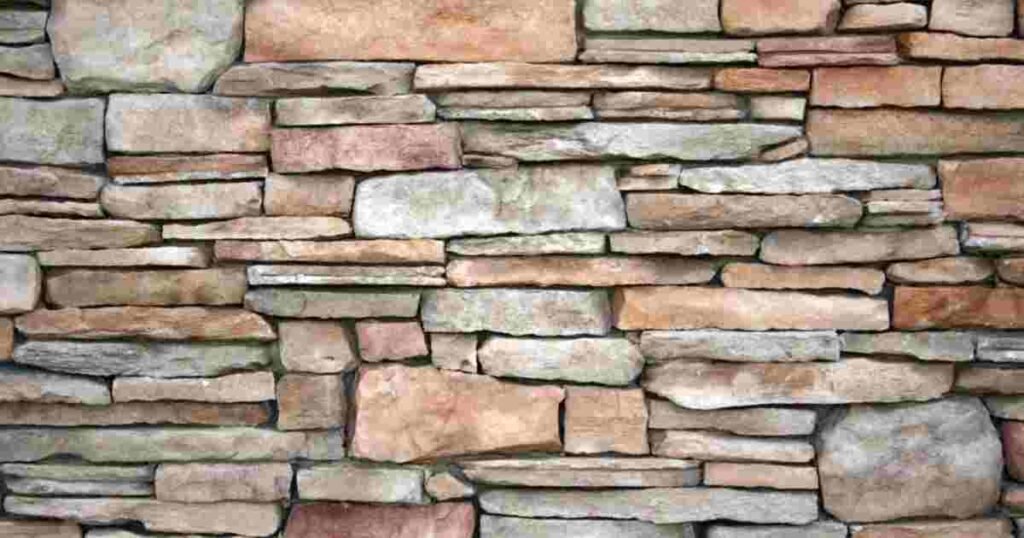
Natural stone adds texture and visual depth that painted surfaces alone cannot achieve. Its irregular patterns and subtle color variations create contrast against smoother materials such as stucco, siding, and painted brick.
However, covering every exterior wall with stone is not always necessary. Strategic applications around entrances, porch columns, and lower wall sections can create an equally attractive result.
Homeowners exploring natural thin stone veneer in San Antonio can consider materials such as limestone, sandstone, and Lueders stone for these architectural accents. Thin stone veneer provides the appearance of natural masonry with less weight than traditional full-depth stone.
The appropriate material depends on the home’s design, installation surface, and desired finish.
Before selecting stone, examine samples in natural daylight. Colors that appear neutral indoors may look warmer or cooler under direct sunlight.
Thoughtful placement helps stone become a defining architectural feature rather than an overwhelming decorative addition.
Use Color Contrast to Highlight Architectural Features
Exterior color combinations influence how people perceive a home’s proportions and architectural details.
A single color across every surface can make the facade appear flat, particularly when the building has limited decorative features.
Introducing complementary shades creates separation between walls, trim, doors, and other structural elements.
For example, warm beige walls can pair well with dark bronze window frames, while cream-colored stucco may complement earthy brown accents.
The objective is to establish a clear visual hierarchy.
Choose one dominant exterior color, then introduce secondary tones through smaller architectural details.
Avoid selecting colors solely from small paint chips. Large exterior surfaces often appear different because of lighting and surrounding materials.
Testing samples on multiple sides of the house can reveal how they respond to morning and afternoon sunlight.
A coordinated palette makes the exterior feel balanced without relying on excessive decoration.
Create an Entrance That Feels Welcoming and Intentional
The front entrance is often the first architectural feature visitors notice.
An undersized doorway, poor lighting, or an undefined entry path can make an otherwise attractive house feel less inviting.
Improving this area does not always require major construction.
A contrasting front door, updated lighting fixtures, and clearly defined walkway can establish a stronger focal point.
Natural materials around the entrance can also create a sense of permanence and architectural character.
Consider whether the door color complements nearby masonry, roofing, and window frames.
Lighting should illuminate steps and walking surfaces without producing uncomfortable glare.
Planters can soften hard architectural edges, but they should not obstruct movement or block visibility.
A well-designed entrance creates a natural transition between the landscaping and the home while making everyday access more comfortable.
Balance Modern Finishes With Traditional Materials
Mixing traditional and contemporary materials can give a home a distinctive appearance without making it feel disconnected from its surroundings.
For example, smooth stucco walls can contrast beautifully with textured stone accents and simple metal fixtures.
Wood-look elements may introduce warmth, while darker window frames provide a more contemporary finish.
The key is limiting the number of competing textures.
Using too many unrelated materials can make the exterior appear fragmented rather than cohesive.
Select finishes that share complementary undertones or repeat existing architectural colors.
A stone accent near the entrance might coordinate with landscape edging or a nearby retaining wall.
This repetition creates visual continuity without requiring identical materials everywhere.
Successful exterior design often depends on how different elements relate to one another rather than how impressive each looks individually.
Make Landscaping Part of the Architectural Design
Landscaping should reinforce the home’s exterior design rather than compete with it.
Plants, pathways, and decorative features influence how the building appears from the street.
Tall shrubs can conceal attractive architectural details, while poorly positioned trees may eventually interfere with roofs or foundations.
Choose plants according to mature size, sunlight requirements, and local growing conditions.
In warmer climates, drought-tolerant landscaping can be particularly useful when matched to the property’s soil and irrigation needs.
Layering plants of different heights can soften the transition between the house and yard.
Hardscaping materials should also coordinate with the facade.
For example, a stone walkway or decorative border can visually connect exterior masonry with the surrounding landscape.
The strongest designs make the house and garden feel like parts of the same composition.
Choose Exterior Materials That Can Handle Weather Exposure
Appearance matters, but exterior materials must also withstand environmental conditions.
Intense sunlight can fade certain finishes, while repeated moisture exposure may damage poorly protected surfaces.
Before choosing cladding, trim, or decorative masonry, investigate its suitability for the intended location.
Natural stone can be durable, but successful installation depends on proper substrate preparation, drainage, flashing, and moisture management.
Thin veneer should not be treated as a substitute for a complete weather-resistant wall assembly.
Likewise, exterior wood requires appropriate protection and periodic maintenance.
Select paints, sealants, and fastening systems designed for outdoor exposure.
Professional installation is especially important when adding heavy architectural features or modifying existing walls.
Prioritizing durability helps preserve the appearance of the renovation while reducing avoidable repairs.
Improve Exterior Lighting Without Creating Visual Clutter
Outdoor lighting can dramatically change how a house appears after sunset.
However, adding numerous bright fixtures does not necessarily produce a better result.
Effective exterior lighting should improve visibility while drawing attention to selected architectural features.
Wall-mounted fixtures near entrances provide practical illumination, while subtle landscape lighting can highlight pathways and planting areas.
Accent lights may emphasize textured stone surfaces or distinctive columns.
Avoid directing intense beams toward windows or neighboring properties.
Warm, controlled lighting generally creates a more comfortable residential atmosphere than harsh, excessively bright illumination.
Energy-efficient LED fixtures can provide suitable performance with relatively low electricity consumption.
Consider timers or motion sensors where appropriate.
A restrained lighting scheme allows architectural textures and materials to remain visible without making the exterior feel overly theatrical.
Plan Exterior Improvements as One Coordinated Project
Exterior renovations often become visually inconsistent when homeowners make isolated changes without considering the overall design.
Replacing a front door, adding stone accents, and repainting trim at different times can produce mismatched finishes.
Before beginning construction, develop a simple design plan showing the intended colors, materials, and architectural features.
Identify which improvements will have the greatest visual impact.
Address necessary repairs before installing decorative finishes, particularly where moisture damage or structural deterioration exists.
Request material samples and confirm installation requirements with qualified contractors.
It is also important to review local building regulations and any applicable neighborhood design restrictions.
A coordinated plan makes it easier to prioritize improvements and avoid unnecessary rework.
The most attractive home exteriors are not necessarily the most elaborate. They are the ones where materials, colors, landscaping, and architectural details work together.
By introducing contrast thoughtfully and selecting durable finishes, homeowners can create an exterior that feels distinctive, welcoming, and appropriate to the home’s character for years to come.