
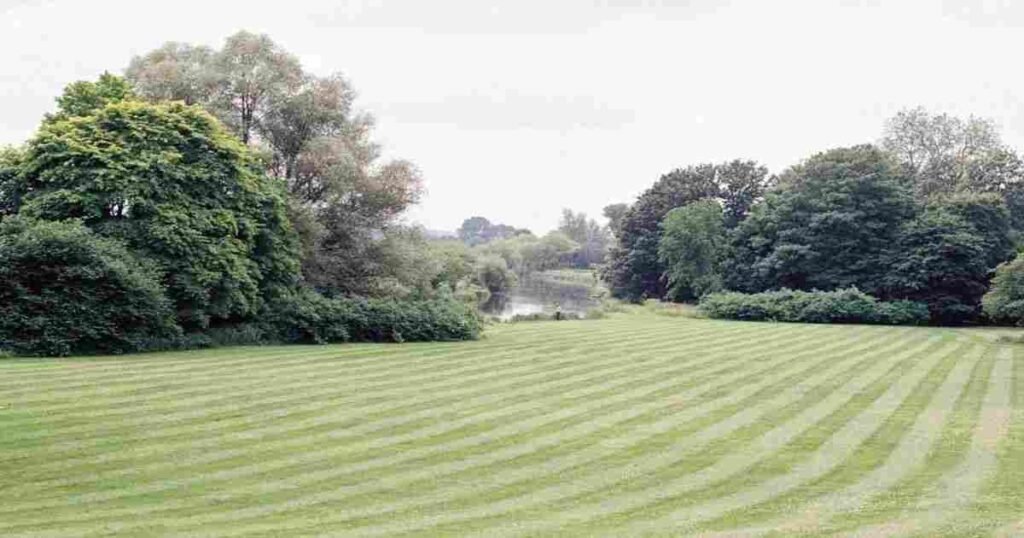
A freshly mowed lawn can make an entire property look more attractive, but cutting the grass regularly does not necessarily mean the lawn is healthy. Beneath an even green surface, issues involving soil quality, moisture, drainage, and grass growth can gradually develop without attracting immediate attention. By the time these problems become obvious, basic mowing may no longer be enough to restore the lawn’s appearance.
Thank you for reading this post, don't forget to subscribe!Healthy grass depends on several conditions working together, including adequate sunlight, appropriate watering, nutrients, and sufficient space for roots to grow. When one of these factors becomes unbalanced, the lawn may begin showing subtle warning signs that homeowners occasionally overlook.
Recognizing these changes early can prevent minor concerns from becoming expensive landscaping problems. From persistent bare patches to compacted soil and unusual discoloration, understanding what your lawn is communicating can help you develop a more effective maintenance routine.
- Grass Clippings and Outdoor Buildup Are Becoming Harder to Manage
- Yellow or Brown Patches Keep Appearing
- Water Collects on the Surface After Rainfall
- The Soil Feels Hard and Grass Growth Is Slowing
- Weeds Are Spreading Faster Than Healthy Grass
- Bare Spots Are Becoming a Permanent Feature
- Your Lawn Looks Uneven Despite Regular Maintenance
Grass Clippings and Outdoor Buildup Are Becoming Harder to Manage
One sign that lawn maintenance needs greater attention is the accumulation of grass clippings, mud, and organic debris around frequently used outdoor areas. Although these materials are a normal part of garden upkeep, excessive buildup can make patios, walkways, equipment storage spaces, and driveway edges look neglected.
Routine mowing often leaves debris on surrounding hard surfaces, particularly after wet weather or when grass has grown unusually long. Over time, dirt and organic residue can collect around landscaping borders, making the entire outdoor area more difficult to maintain.
For property owners managing larger grounds, outdoor equipment maintenance also becomes an important part of the process. Commercial-grade cleaning equipment from https://hotsysouthtexas.com/ can support the upkeep of hard surfaces, machinery, and service areas that experience frequent exposure to mud and landscaping residue. Keeping these areas clean helps maintain a more organized environment for ongoing lawn and property maintenance.
It is important to distinguish between caring for living grass and cleaning the surrounding property. Turf requires appropriate mowing, watering, and soil management, while paved surfaces and suitable equipment benefit from separate cleaning routines that prevent debris from accumulating.
Yellow or Brown Patches Keep Appearing
Discolored grass is among the clearest indicators that something may be wrong beneath the surface. Yellow or brown patches can develop for several reasons, including inconsistent watering, nutrient deficiencies, disease, and environmental stress.
The location and pattern of discoloration often provide useful clues. Grass that turns brown in areas exposed to intense afternoon sunlight may be experiencing moisture stress, while irregular patches spreading across the lawn could indicate a different underlying problem.
Homeowners should avoid assuming that every discolored area needs additional fertilizer. Applying nutrients without identifying the cause can waste money and sometimes worsen existing conditions.
Checking soil moisture, examining the affected grass, and observing how patches develop can help narrow down potential causes. Persistent or expanding damage may justify consultation with a lawn care professional.
Identifying the problem before choosing a treatment generally produces better results than relying on repeated applications of unrelated lawn products.
Water Collects on the Surface After Rainfall
A healthy lawn should absorb and drain water at a rate appropriate for its soil type and local conditions. When puddles remain for extended periods after moderate rainfall, drainage problems may be affecting the grass.
Standing water can limit oxygen availability around roots and contribute to unhealthy growing conditions. Repeated saturation may also encourage certain turf diseases and make sections of the lawn vulnerable to physical damage.
Poor drainage can result from compacted soil, uneven ground, heavy clay content, or changes to the property’s natural water flow. Downspouts that release water directly onto the lawn may contribute to localized problems.
Improving drainage begins with identifying where excess water originates and why it remains in place. Solutions may include redirecting runoff, addressing soil compaction, or making carefully planned changes to the landscape.
Monitoring these areas after rainfall helps homeowners determine whether the problem is occasional or requires a more permanent solution.
The Soil Feels Hard and Grass Growth Is Slowing
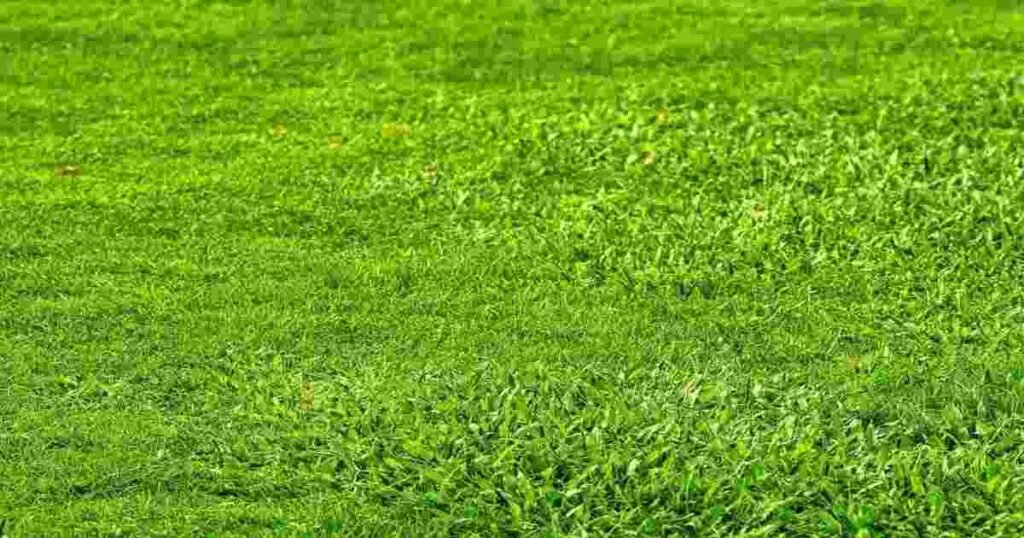
Soil compaction develops when repeated pressure reduces the spaces between soil particles. Foot traffic, garden equipment, outdoor activities, and vehicle movement can all contribute to this condition.
Compacted soil makes it more difficult for water, air, and roots to move through the ground. Grass may gradually become thinner or struggle to recover from everyday wear, even when mowing and watering remain consistent.
One potential solution is core aeration, which removes small plugs of soil to improve access to the root zone. This process is particularly useful when compaction has become a significant obstacle to healthy growth.
The best time for aeration depends on the type of grass and its active growing season. Performing the work under suitable conditions gives the lawn an opportunity to recover.
Reducing unnecessary traffic across vulnerable areas can also help prevent compaction from returning.
Weeds Are Spreading Faster Than Healthy Grass
An increasing number of weeds can indicate that existing grass is struggling to compete for available space and resources. Thin turf, exposed soil, and inconsistent growing conditions create opportunities for unwanted plants to establish themselves.
While individual weeds may be easy to remove, repeated outbreaks suggest that homeowners should examine the overall health of the lawn. Addressing only the visible weeds may provide temporary results without improving the conditions that allowed them to spread.
Maintaining appropriate mowing heights can encourage stronger grass growth. Proper watering, suitable fertilization, and overseeding thin areas may also improve the lawn’s ability to compete naturally.
Weed control products should be selected according to the plants involved and the type of turf being maintained. Using an unsuitable product can damage desirable grass or fail to address the actual problem.
A denser, healthier lawn is often one of the most effective long-term defenses against recurring weed problems.
Bare Spots Are Becoming a Permanent Feature
Small bare patches can appear after heavy foot traffic, pet activity, equipment storage, or prolonged environmental stress. Occasional damage is common, but areas that repeatedly fail to recover deserve closer attention.
Before adding new grass seed, homeowners should investigate why the original turf disappeared. Excessive shade, poor drainage, soil compaction, and repeated wear can prevent successful regrowth.
Preparing damaged areas may involve loosening the soil, removing debris, and selecting grass varieties suited to the location. In heavily shaded sections, alternative landscaping materials or shade-tolerant groundcover may be more practical.
Newly seeded areas require consistent moisture during establishment, while unnecessary traffic should be limited until the grass becomes established.
Repairing the conditions responsible for bare patches is essential for preventing the same damage from returning.
Your Lawn Looks Uneven Despite Regular Maintenance
A lawn can receive regular attention and still appear patchy, thin, or inconsistent. These changes often indicate that mowing alone is no longer addressing the factors influencing grass growth.
Different sections of a property may receive varying amounts of sunlight, water, and foot traffic. Soil conditions can also change across relatively small areas, producing noticeable differences in turf density.
A seasonal maintenance plan provides an opportunity to evaluate these factors together. Soil testing, appropriate fertilization, equipment adjustments, and timely overseeding can all contribute to more consistent results.
Homeowners should also review mowing practices, including cutting height and blade condition. Removing too much grass at once or using dull blades can place additional stress on the lawn.
Ultimately, maintaining attractive grass requires more than keeping it at a uniform height. A healthy lawn depends on understanding the relationship between soil, water, sunlight, and routine care.
By recognizing early warning signs and addressing their causes, homeowners can create outdoor spaces that remain greener, more resilient, and easier to maintain throughout the growing season.