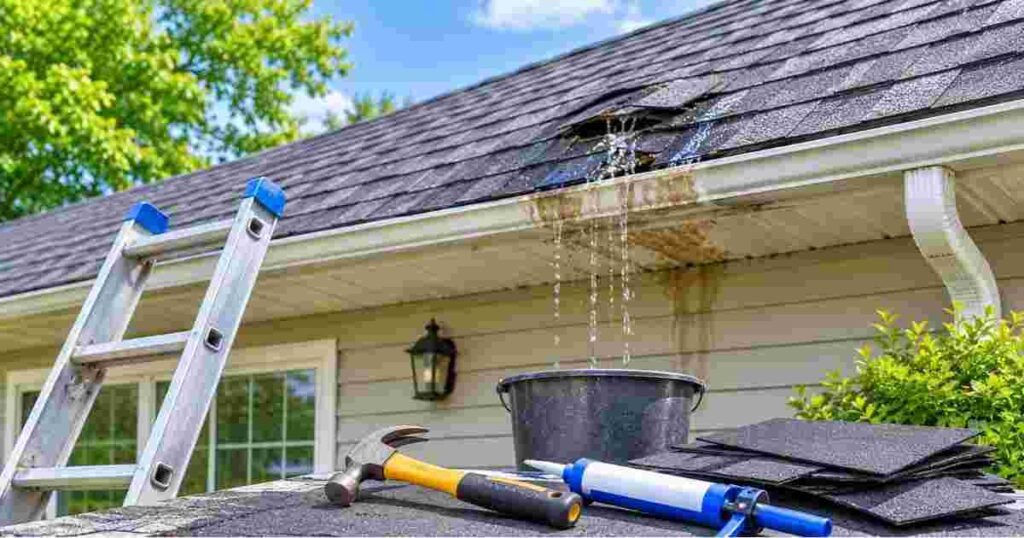
Roof leaks can develop gradually, and small signs of water intrusion often point to larger underlying problems. Missing shingles and damaged flashing allow rainwater into a home. This damages attic insulation. Here are a few signs of leaks and effective roof repair solutions:
Thank you for reading this post, don't forget to subscribe!Identify Warning Signs
Water stains on ceilings often indicate moisture has penetrated the roof system, which may require professional roof repair to prevent further damage. Some signs include brown discoloration, peeling paint, or bubbling drywall. This happens because trapped water spreads across interior gypsum boards.
Damp attic insulation also signals a potential roofing problem, often before water stains or drips appear on interior ceilings and floors. A roof leak does not always show up directly beneath the exterior damage. Rainwater often travels along sloped roof decking and wooden rafters before reaching the ceiling, making the original entry point difficult to identify without an attic inspection. Additional warning signs include:
- Strong winds lift shingle tabs or tear tabs off. This exposes the felt paper to rain and melting snow.
- Metal flashing around chimneys, skylights, and valleys directs runoff away from joints, but cracked sealant or corroded steel creates gaps.
- Clogged gutters block roof drainage. This forces meltwater to pool along the eaves.
- Standing seam metal panels rely on locked vertical ribs and sealed ridge caps. Loose clips allow moisture beneath the panels.
Understand the Causes
Inclement weather exposes roofs to seasonal shifts, and this may cause structural wear. Heavy snow accumulation places weight on roof trusses. Freezing and thawing is able to create ice dams along the eaves. These ice ridges block melting snow from draining into gutters, which forces trapped water backward beneath shingle laps and into the attic.
Wind and hailstorms are also able to compromise exterior roofing materials. Hailstones crack fiberglass asphalt mats or dent metal panels. Strong wind can lift shingle tabs and break their adhesive strips. Lifted edges also create pathways for moisture, because wind-driven rain pushes upward against roof slopes.
Metal roofs may develop leaks depending on their panel profile. This means repair strategies should match the roof design. Standing-seam systems feature flat pans with raised vertical ribs and concealed clips, so leaks usually stem from failed ridge caps. Exposed-fastener panels rely on exterior screws fitted with rubber washers. Washers may crack under UV exposure.
Choose Effective Solutions
Selecting the right repair depends on your existing roofing material and the location of the water breach. A thorough inspection locates the moisture entry point, which helps contractors evaluate surrounding materials and decide if a localized repair will be sufficient. Some roof leaks extend deeper than the surface shingles or metal panels. When trapped moisture softens the plywood decking or rots structural rafters, contractors have to tear out and replace the compromised wood before installing new exterior roofing materials. Some repair solutions include:
- Removing cracked or missing shingles and weaving in replacements. This helps fix the outer water barrier and prevent further moisture intrusion.
- Securing loose metal flashing and applying new sealant around chimneys or vent pipes. Heavily rusted sections frequently need complete metal replacement.
- Replacing water-damaged shingles and installing self-sealing underlayment along the eaves; this protects the roof edge while upgraded attic insulation helps prevent future ice buildup.
- Tightening loose hanger brackets or swapping out sagging gutter runs channels rain and snowmelt away from the eaves. Adequate drainage helps keep water from backing up under the roof edge.
Schedule Professional Roof Repair Solutions
Routine roof inspections help homeowners catch minor wear, and a qualified contractor examines shingles, flashing, and roof valleys. Professional repair teams can also provide routine maintenance and storm damage restoration. If you spot ceiling water stains, missing shingles, or compromised metal roof flashing, contact a roofing company to discuss their available repair solutions.