
Recognizing Early Warning Signs of Aerobic System Failure
Identifying problems with your aerobic system early can save you from more extensive and costly repairs down the line. Homeowners in Boerne, TX, should remain vigilant for several key indicators that their system might be struggling.
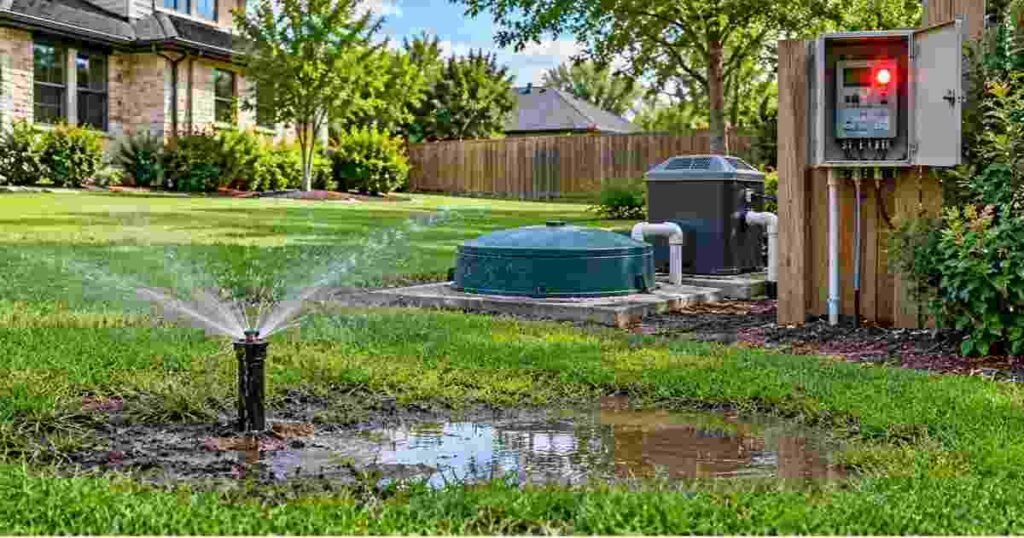
Thank you for reading this post, don't forget to subscribe!One of the most obvious signs is the presence of foul odors around the system’s components, such as the treatment tank, pump tank, or spray field. These smells, often described as rotten eggs or sewage, indicate that the wastewater is not being properly treated or contained. Another critical warning sign is surface pooling or saturated soil in your yard, particularly near the spray field or drainfield. This suggests that the system is failing to absorb or distribute treated effluent effectively, leading to standing water that can pose health risks and damage your landscaping.
Beyond these visual and olfactory cues, you might notice signs of mechanical failure. This could manifest as unusual noises coming from the pump or aerator, or a complete lack of operation from these components. An aerobic system relies on mechanical aeration to break down waste, so any disruption to this process is a serious concern. Keep an eye on your spray heads; if they are not distributing water evenly or at all, it could indicate a problem within the system.
Diagnostic Steps for Active Audio-Visual Control Panel Alarms
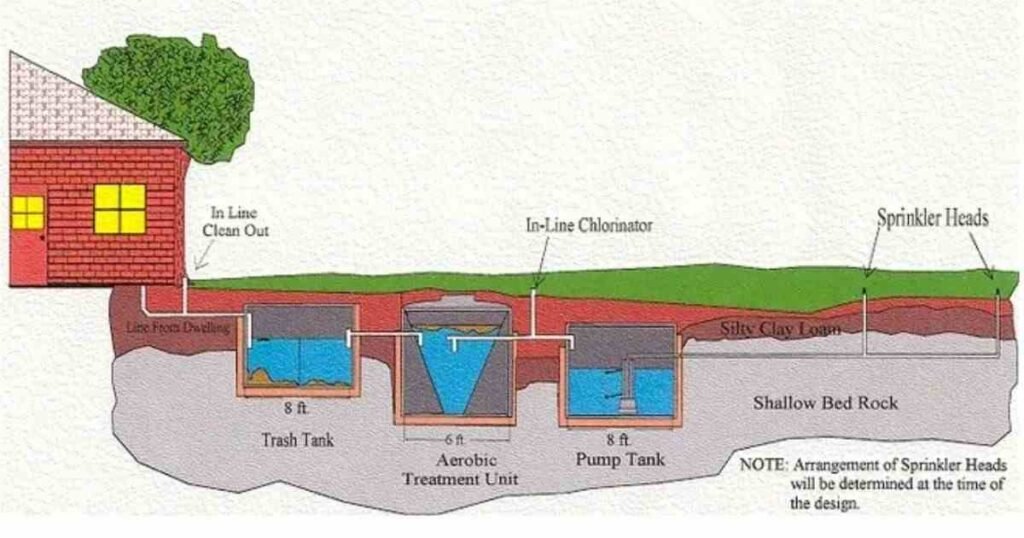
The control panel is the nerve center of your aerobic system, and its alarms are designed to alert you to potential issues. When an alarm sounds, it’s crucial to respond promptly and systematically.
First, locate the alarm silence switch on your control panel and engage it to quiet the audible alert. While silencing the alarm, never switch the entire system off, as this can disrupt the treatment process and exacerbate the problem. Next, check the breaker inspection panel in your home and at the system’s outdoor control box. A tripped breaker can often be the culprit behind a non-functioning pump or aerator. Reset any tripped breakers, but if they trip again immediately, do not force them back on; this indicates a persistent electrical issue.
An alarm often signals a high-water float activation, meaning the water level in one of your tanks is too high. This could be due to excessive water usage, a pump malfunction, or a blockage. Some systems also have alarms related to air pressure or specific sensor diagnostics within the treatment unit. If the alarm light persists after checking the breakers and silencing the alarm, it’s time to call a professional. Always prioritize electrical safety when inspecting any part of your system’s electrical components.
Troubleshooting Clogged Spray Heads and Aerator Air Pump Failures
Clogged spray heads and aerator air pump failures are among the most common problems in aerobic systems. Understanding their causes can help with initial troubleshooting, though professional intervention is often necessary.
Clogged spray heads typically occur when solid particles or biological growth accumulate in the nozzles, preventing the even distribution of treated wastewater. Regular maintenance, including cleaning the effluent filter, can help prevent this. If your system has a disinfection unit, ensuring proper chlorine residual levels helps control biological growth that could lead to blockages.
Aerator air pump failures are critical because the aerator introduces oxygen into the wastewater, which is essential for the aerobic bacteria that treat the waste. Common issues include wear and tear on the internal components, particularly the diaphragm wear, or problems with the air compressor itself. Over time, continuous operation can lead to component fatigue. A professional can diagnose whether the issue is a simple repair, like replacing a diaphragm, or if the entire pump needs replacement. Ensuring the effluent filtration system is clean also reduces the strain on the entire system, including the aerator and pumps.
Local Regulations and Aerobic System Repair Boerne Standards
Operating an aerobic system in Boerne, TX, and the surrounding areas like Kendall and Bexar County, involves adhering to specific environmental regulations set forth by the Texas Commission on Environmental Quality (TCEQ). These regulations are in place to protect public health and the environment, given the unique geological conditions, such as limestone soil, prevalent in the Hill Country.
Staying compliant with TCEQ regulations is not just a recommendation; it’s a legal requirement. This includes regular maintenance, proper system operation, and timely repairs. For homeowners seeking reliable assistance, a trusted local provider can offer expert Van Delden aerobic system repair Boerne services, ensuring your system meets all local and state standards. They can also help navigate the complexities of Kendall County and Bexar County specific requirements, which sometimes supplement state mandates. Many homeowners find peace of mind by enrolling in maintenance contracts that ensure their system receives the necessary attention to remain compliant and functional.
Evaluating Diagnostic Protocols
When your aerobic system encounters an issue, a thorough diagnostic evaluation is the first step toward an effective solution. Reputable service providers employ comprehensive protocols to accurately identify the root cause of problems.
These protocols often begin with a detailed system evaluation, which includes inspecting all visible components and reviewing the system’s operational history. For systems with buried components, electronic locating tools are invaluable for pinpointing the exact position of tanks and lines without extensive excavation. Technicians will perform a meticulous tank inspection, checking for structural integrity, sludge levels, and proper functioning of internal baffles and filters.
Riser integrity is also assessed, as damaged risers can allow surface water intrusion or pose safety hazards. Finally, a complete electrical testing of all pumps, aerators, and control panel components ensures that all electrical connections are secure and functioning correctly, preventing potential hazards and confirming power supply to critical parts.
TCEQ Compliance and Mandatory Maintenance Inspections
Maintaining an aerobic system in Texas is subject to strict TCEQ compliance requirements, which mandate regular inspections to ensure proper operation and environmental protection.
Texas law requires aerobic systems to undergo three system checks per year. These mandated checks are typically performed at approximately four-month intervals. During these inspections, a licensed professional will assess various aspects of your system, including the aerator, pumps, spray heads, and electrical components. They will also check the clarity of the treated effluent and ensure the disinfection unit is working correctly.
The results of these inspections are documented and submitted to the appropriate regulatory authority, fulfilling the reporting protocols. Consistent compliance is essential for maintaining your system’s permit renewal and ensuring your property remains in good standing with local health districts and the TCEQ. Failing to adhere to these testing frequency and reporting requirements can lead to penalties and potential legal issues.
How to Manage Aerobic System Issues: Repair vs. Replacement
Deciding whether to repair an existing aerobic system or opt for a full replacement is a significant decision that homeowners often face. This choice typically hinges on a comprehensive diagnostic evaluation of the system’s overall health, the extent of the damage, and the age of the components.
Factors such as the structural integrity of the tanks, the presence of major leaks, and signs of hydraulic overloading (where the system is consistently receiving more wastewater than it can effectively treat) can lean the decision towards replacement. The component lifespan is also a key consideration; if multiple major components are nearing the end of their expected life, a series of repairs might be less cost-effective than a new installation.
Feature Component Repair Full System Replacement Initial Cost Generally lower Significantly higher Timeline Shorter, often same-day or few days Longer, typically several days to a week or more Longevity Extends life of specific component, not entire system Provides many years of trouble-free operation Disruption Minimal site disturbance Moderate to significant excavation and landscaping impact Warranty Limited to repaired component Comprehensive for new system and installation Efficiency Restores specific function Achieves optimal performance with modern technology When to Schedule Aerobic System Repair Services
Prompt action is often necessary when specific issues arise within your aerobic system. Knowing when to schedule professional repair services can prevent minor problems from escalating.
You should schedule service immediately if you notice your pump replacement is needed due to a complete failure or if the pump is running continuously without moving water. Issues with diffuser cleaning or replacement are also critical, as clogged diffusers hinder the aeration process. Timer calibration is essential for the system’s efficiency; if your timer settings are off, the system may not treat wastewater effectively, leading to alarms or poor performance. Malfunctioning float switches can cause pumps to run dry or tanks to overflow, necessitating urgent response. For any of these critical issues, or if your alarm persists after basic troubleshooting, immediate professional attention is warranted.
Comparing Minor Component Fixes and Complete System Overhauls
Understanding the difference between minor fixes and major overhauls helps manage expectations and budgets. Minor component fixes address specific, isolated issues, while complete system overhauls are reserved for more widespread and severe problems.
Aerator rebuilds or replacements, for instance, are common minor fixes. Similarly, replacing a faulty control panel or repairing damaged wiring falls into this category. These repairs target individual components, extending the life of the system without replacing the entire infrastructure.
Conversely, a complete system overhaul or replacement becomes necessary when there’s significant tank cracking, widespread drainfield degradation, or if the system is chronically undersized for the household’s needs, requiring site re-engineering. These situations often involve excavating and replacing major parts of the system, which is a much larger undertaking than a simple component repair.
Hiring Licensed Technicians vs. DIY Maintenance Risks
While some minor issues might seem tempting to tackle yourself, the complexities and potential hazards associated with aerobic system repair strongly advocate for hiring licensed professionals. Attempting DIY repairs can expose you to significant risks.
Working with wastewater systems involves various safety hazards, including exposure to harmful bacteria and pathogens. There’s also the risk of electrical shock when dealing with pumps, aerators, and control panels. Beyond personal safety, improper repairs can void your system’s warranty protection and lead to further damage, potentially resulting in more expensive professional repairs down the line. Furthermore, incorrect maintenance or repair can lead to non-compliance with local regulations, incurring fines or mandates for costly corrective actions. A licensed professional ensures the work is done safely, correctly, and according to all applicable standards.
Essential Qualifications: TCEQ Licenses and NAWT Certifications
When selecting a professional for your aerobic system needs, verifying their credentials is paramount. In Texas, the Texas Commission on Environmental Quality (TCEQ) sets the standards for wastewater professionals.
Look for technicians who hold specific TCEQ licenses, such as Site Evaluators (who assess property suitability for septic systems), Class II Installers (qualified to install aerobic systems), and Maintenance Providers (licensed to perform routine checks and repairs). These licenses ensure that the technician has undergone rigorous training and passed state exams, demonstrating their expertise. Additionally, some professionals may hold NAWT certifications (National Association of Wastewater Technicians), which signify a commitment to industry best practices and ongoing education. Always ensure the company and its technicians carry adequate insurance coverage to protect both you and their workers in case of any unforeseen incidents.
Upfront Pricing and Non-Commissioned Service Models
One of the anxieties homeowners often face when needing repairs is the uncertainty of costs. A transparent and ethical service model can alleviate much of this stress.
Look for companies that offer upfront pricing after a thorough diagnostic assessment. This means you’ll receive a clear, detailed estimate before any work begins, allowing you to make informed decisions without pressure. This approach contrasts sharply with models that might incentivize technicians through commissions, potentially leading to unnecessary services or upsells. A service provider committed to non-commissioned technicians prioritizes honest diagnostics and genuine solutions over profit-driven recommendations. This fosters diagnostic clarity and ensures you receive fair pricing for only the work that truly needs to be done. Don’t hesitate to seek second opinions if you’re unsure about a proposed repair, especially for significant issues.
Frequently Asked Questions About Aerobic System Repairs
Homeowners often have similar questions when facing aerobic system issues. Addressing these common concerns can help you understand your system better and respond effectively to problems.
What should I do immediately when my aerobic alarm sounds?
When your aerobic alarm sounds, the first step is to locate the silence switch on the control panel to stop the audible alert. Next, go to your home’s electrical panel and the system’s outdoor control box to perform a breaker check. Reset any tripped breakers. If the alarm light remains on after silencing and checking breakers, it indicates a persistent issue. At this point, you should begin water conservation immediately by reducing water usage in your home. Do not turn off the entire system, as this halts the treatment process. If the alarm persists, it’s time to contact a professional for professional dispatch and diagnosis.
How often are aerobic inspections required in Texas?
In Texas, TCEQ rules mandate that aerobic systems receive three annual visits for inspection and maintenance. These inspections are typically scheduled at approximately four-month intervals. During these visits, a licensed professional will check all critical components, ensure proper operation, and perform any necessary adjustments. The results of these inspections are recorded, and testing documentation is submitted to the relevant county or state authority, ensuring compliance with county records and state regulations.
What causes frequent pump failures in aerobic systems?
Frequent pump failures in aerobic systems can stem from several issues. One common cause is excessive sludge accumulation in the pump tank, which can clog the pump intake or force the pump to work harder, leading to premature wear. Continuous running of the pump, often due to a faulty float switch or excessive water usage, can also burn out the motor. Electrical surges or inconsistent power supply can damage the pump’s electrical components. Lastly, clogged filters within the system can restrict flow, putting undue strain on the pump. Regular routine pumping of the septic tank and maintenance checks can significantly reduce the likelihood of pump failures.
Conclusion
Navigating aerobic system issues can be complex, but with the right knowledge and professional support, you can ensure your system remains efficient and compliant. Recognizing early warning signs, understanding local regulations, and knowing when to call for professional help are crucial steps in maintaining your system’s health. Prioritizing proactive maintenance and partnering with experts who possess local expertise in Boerne’s specific environmental conditions will safeguard your investment. Adhering to regulatory compliance not only protects the environment but also extends your system’s system longevity. Consistent, scheduled care is the best defense against major repairs, ensuring your aerobic system continues to function effectively for years to come.