
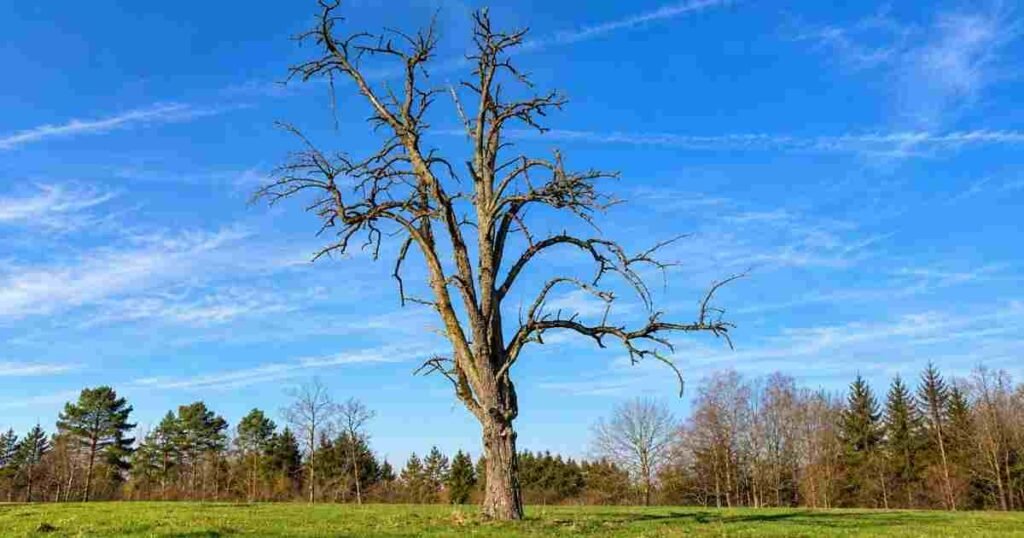
Trees add shade, beauty, and value to a property. They can also create problems when they become weak, damaged, or unhealthy.
Thank you for reading this post, don't forget to subscribe!Property owners should check trees regularly for signs of trouble. Early action can make some problems easier to manage and may help prevent damage to nearby buildings, cars, or walkways.
Knowing what to look for is an important part of tree care. Small changes in leaves, bark, roots, or branches can sometimes point to a larger issue.
Continue reading to discover everything you need to know!
Watch for Disease and Pest Damage
Tree disease can affect leaves, branches, bark, and roots. Common signs may include unusual spots, dead branches, weak growth, or areas of decay.
Insects can also damage trees over time. Some pests feed on leaves, while others may enter the bark or wood.
A tree that loses leaves too early or develops many dead areas may need closer attention. The same is true if the bark starts peeling in unusual places.
Regular checks can help catch these changes early. If the problem is hard to identify, a tree care professional may be able to inspect the tree and suggest the next step.
Pay Attention to Roots and Stability
Roots help keep a tree stable and provide water and nutrients. When roots are damaged, the whole tree may become weaker.
Construction, soil changes, poor drainage, and root rot can all cause problems. Exposed roots or soft soil around the base may also be warning signs.
A tree that begins leaning suddenly should not be ignored. A new lean may mean that the roots are no longer holding the tree as well as they should.
Avoid cutting large roots during yard work. Root damage can affect both the health and stability of the tree.
Take Storm Damage Seriously
Strong wind, heavy rain, and storms can break branches or weaken entire trees. Damage may not always be easy to see from the ground.
Look for cracked limbs, split trunks, hanging branches, or areas where the tree has shifted. These problems can create safety risks, especially near homes or driveways.
Some damaged trees can be saved with pruning or support, while others may be too weak to remain in place safely. When a tree is badly damaged or no longer stable, property owners may need to consider professional tree removal services to reduce the risk of falling branches or a full tree failure.
Prevent Problems With Regular Care
Routine maintenance can help reduce many common tree problems. Pruning dead or crowded branches can improve shape and lower the chance of weak limbs breaking.
Watering is also important, especially during dry periods. Young trees may need extra care while their roots are still developing.
Mulch can help protect soil moisture, but it should not be piled against the trunk. Too much mulch around the base can trap moisture and create other problems.
It also helps to give trees enough space. Trees planted too close together may compete for light, water, and nutrients as they grow.
Keep Trees Safer With Early Action
Tree problems are easier to manage when they are found early. Disease, pests, root damage, and storm problems can all become more serious if they are ignored.
Regular checks, careful pruning, and proper watering can help support healthier growth.
Property owners should also pay attention to sudden changes in a tree’s shape or condition.
When a problem looks serious, professional help may be the safest choice. Good tree care can protect both the landscape and the property around it.
Check out the rest of our site for more!