
- Understanding Northwest Calgary's Residential Landscape
- How Calgary's Climate Influences Landscaping Choices
- Choosing the Right Plants for Your Outdoor Space
- Soil Conditions and Drainage Matter More Than You Think
- Designing a Lawn That Suits Your Property
- Creating Water-Efficient Outdoor Spaces
- Balancing Natural Surroundings With Residential Landscaping
- Seasonal Landscaping Maintenance in Northwest Calgary
- Creating a Landscape That Works With Your Environment
Landscaping is about much more than choosing attractive plants, installing a lawn, or keeping garden beds tidy throughout the summer. The environment surrounding a property plays an important role in determining which landscaping choices will thrive, how much maintenance an outdoor space will require, and how well the finished design fits into its surroundings. In Northwest Calgary, where homeowners experience cold winters, relatively dry summers, changing temperatures, and a variety of residential environments, understanding these local conditions can make a considerable difference.
Thank you for reading this post, don't forget to subscribe!Some properties have mature trees and established gardens that provide plenty of natural character, while others feature newer landscaping with open spaces and fewer established plants. Soil conditions, sunlight exposure, drainage, and the amount of available outdoor space can also vary from one property to another. As a result, a landscaping approach that works beautifully in one yard might require significant adjustments in another.
Whether you’re improving an existing garden, planning a new lawn, or preparing to move into a different home, taking time to understand the surrounding environment can help you make more practical decisions. With the right combination of plants, soil preparation, and thoughtful design, it’s possible to create an outdoor space that looks attractive without becoming difficult or expensive to maintain.
- Understanding Northwest Calgary's Residential Landscape
- How Calgary's Climate Influences Landscaping Choices
- Choosing the Right Plants for Your Outdoor Space
- Soil Conditions and Drainage Matter More Than You Think
- Designing a Lawn That Suits Your Property
- Creating Water-Efficient Outdoor Spaces
- Balancing Natural Surroundings With Residential Landscaping
- Seasonal Landscaping Maintenance in Northwest Calgary
- Creating a Landscape That Works With Your Environment
Understanding Northwest Calgary’s Residential Landscape
Northwest Calgary has a diverse residential landscape, with neighbourhoods offering different property styles, natural features, and outdoor environments. Some established communities have mature trees, larger residential lots, and gardens that have developed over several decades, while newer residential areas may have more open yards where homeowners have greater flexibility when planning their landscaping. These differences influence how people approach everything from planting trees to choosing lawn varieties and arranging outdoor living areas.
For example, a property surrounded by mature trees may receive considerably less direct sunlight than a newer home with an open backyard. In shaded areas, homeowners might need to select different grass varieties, ground covers, and flowering plants that can tolerate reduced sunlight. On properties with greater sun exposure, there may be more opportunities to grow vegetable gardens, establish colourful flower beds, or create outdoor seating areas that receive sunlight throughout the day.
Exploring the different Northwest Calgary neighbourhoods can help homeowners and prospective residents understand the area’s residential settings, surrounding green spaces, and general community characteristics before making decisions about a property’s outdoor environment. This geographical perspective can be particularly useful when comparing established residential areas with newer developments, since their landscaping opportunities and existing vegetation may be quite different.
It’s also worth considering the relationship between a property and nearby natural features. Homes located close to parks, walking paths, ravines, and other green spaces may already benefit from an attractive outdoor setting, which can influence the type of garden design that feels most appropriate. Rather than trying to recreate an entirely different landscape, homeowners can often achieve better results by incorporating elements that complement the environment already surrounding their property.
How Calgary’s Climate Influences Landscaping Choices
Calgary’s climate is one of the most important factors to consider when planning a residential landscape, particularly for homeowners who want a healthy lawn and attractive garden without spending excessive time maintaining them. Winters can be long and cold, summers are often relatively dry, and temperatures can fluctuate considerably during the spring and autumn months. These conditions place different demands on plants, lawns, and garden soil throughout the year.
Choosing plants based solely on their appearance can lead to disappointing results if they aren’t suited to local growing conditions. Some varieties require consistent moisture or warmer temperatures, while others may struggle with sudden temperature changes or extended periods of cold weather. Hardy plants that can tolerate Calgary’s seasonal conditions are generally a more practical choice, particularly when combined with appropriate soil preparation and regular maintenance.
Drought-tolerant plants are also worth considering because they can reduce the amount of water needed once they’ve become established. Certain ornamental grasses, hardy perennials, and suitable shrubs can provide colour and texture without requiring the same level of attention as more demanding varieties. This doesn’t mean every garden needs to consist entirely of drought-resistant plants, but incorporating them strategically can make outdoor maintenance more manageable.
Water management deserves particular attention during the warmer months, when dry conditions can cause lawns and flower beds to lose moisture quickly. Applying mulch around plants, improving soil structure, and watering deeply when necessary can help maintain healthier growing conditions. Homeowners should also consider how seasonal changes affect their gardens, since plants that look healthy during summer may need additional protection before winter arrives.
Choosing the Right Plants for Your Outdoor Space
Selecting suitable plants is one of the most enjoyable parts of landscaping, but it also requires some planning if you want your garden to remain healthy over time. The best choices depend on several factors, including sunlight exposure, soil conditions, moisture levels, available planting space, and the amount of maintenance you’re prepared to handle. Taking these considerations into account before purchasing plants can prevent unnecessary expenses and reduce the likelihood of replacing struggling vegetation later.
Hardy trees and shrubs can provide structure, privacy, and visual interest throughout the year, making them useful additions to many Calgary gardens. Options such as junipers, potentillas, and suitable varieties of spruce can be considered depending on the available space and specific growing conditions. Before planting larger trees or shrubs, it’s important to think about their mature size, since plants that appear small at a garden centre can eventually become crowded if they are positioned too close to buildings, fences, or walkways.
Perennials offer another practical way to introduce colour without having to replant flower beds every spring. Coneflowers, daylilies, and certain hardy ornamental grasses can provide seasonal interest while handling a range of growing conditions. Combining different flowering periods can also help maintain a more attractive garden throughout the growing season, rather than having everything bloom at the same time and leave the space looking sparse later in summer.
Before making your final selections, spend some time observing how sunlight moves across your property. Notice which areas receive direct afternoon sunlight, where shade remains throughout the day, and whether certain sections retain moisture after rainfall. These details can help determine where different plants are most likely to thrive, allowing you to create a garden that works with the natural conditions of your yard instead of constantly trying to overcome them.
Soil Conditions and Drainage Matter More Than You Think
Healthy soil is essential for successful landscaping because it provides the foundation for strong root development, nutrient availability, and consistent plant growth. Even attractive plants and carefully selected grass varieties can struggle when the soil is compacted, poorly drained, or lacking the organic matter needed to support healthy growing conditions. For homeowners in Calgary, understanding the characteristics of their soil is an important first step before starting major landscaping projects.
Many Calgary properties have clay-heavy soil, although conditions can vary depending on the location and how the land was prepared during development. Clay soil can hold moisture for extended periods and often becomes compacted, which may make it difficult for water and air to move through the ground. While clay contains minerals and nutrients that plants can use, its structure sometimes creates challenges for lawns, flower beds, and newly planted trees.
Adding finished compost and other suitable organic matter can gradually improve soil structure, making it easier for roots to establish and allowing water to move more effectively. A basic soil test can also provide useful information about nutrient levels and pH, helping homeowners identify whether their gardens need specific amendments. This is generally more effective than applying fertilizers without understanding what the soil actually requires.
Drainage is another important consideration, especially in areas where water collects after heavy rainfall or snowmelt. Excess moisture can deprive plant roots of oxygen and contribute to unhealthy growing conditions, particularly when the ground remains saturated for extended periods. Adjusting garden bed layouts, improving soil structure, and directing water away from problem areas can help, although properties with persistent drainage issues may require a more specific solution.
Designing a Lawn That Suits Your Property
A traditional green lawn can be an attractive feature of a residential property, providing open space for outdoor activities and creating a clean backdrop for garden beds and landscaping features. However, maintaining a large lawn requires regular mowing, watering, fertilizing, and seasonal care, which may not suit every homeowner’s schedule or preferences. In Northwest Calgary, it’s worth considering how much lawn space your property actually needs and whether a different combination of outdoor features might be easier to maintain.
Grass selection is particularly important because different varieties have different requirements for sunlight, water, and ongoing maintenance. Cool-season grasses are generally well suited to Calgary’s climate because they grow actively during the cooler portions of the growing season. Kentucky bluegrass, perennial ryegrass, and various fescue varieties are common options, although their individual characteristics and maintenance requirements should be considered before choosing a particular mix.
Homeowners who want to reduce maintenance may also benefit from exploring alternatives to conventional turf. Clover, appropriate ground covers, and expanded garden beds can reduce the amount of traditional grass required while introducing more variety into the landscape. For instance, replacing a difficult-to-maintain section of lawn with mulch-covered planting beds can help reduce watering needs while creating additional opportunities for shrubs, perennials, and ornamental grasses.
The most effective lawn design depends on how the outdoor space will actually be used. Families with children may prefer a larger open area for outdoor games, while homeowners who enjoy gardening or entertaining may find that a combination of smaller lawn sections, patios, and planting beds provides greater value. By considering everyday activities before installing grass, you can create a yard that remains practical and attractive without demanding more maintenance than necessary.
Creating Water-Efficient Outdoor Spaces
Water conservation is an important part of landscaping in Calgary, particularly during the summer months when dry weather can place additional pressure on residential lawns and gardens. Although plants need adequate moisture to grow, inefficient watering practices can waste considerable amounts of water without necessarily improving the health of the landscape. Fortunately, a well-planned garden can remain attractive while using water more responsibly.
One practical approach is to group plants according to their moisture requirements, placing varieties with similar watering needs together in the same garden beds. Plants that require more frequent watering can be positioned in suitable areas where moisture is easier to manage, while drought-tolerant varieties can be placed in locations that receive less frequent irrigation. This approach makes it easier to maintain consistent growing conditions without watering every part of the garden in exactly the same way.
Mulching is another simple but effective technique that can improve water retention around trees, shrubs, and flower beds. Organic mulch helps reduce evaporation, regulates soil temperature, and limits weed growth, which means plants can benefit from more stable conditions throughout the growing season. Applying an appropriate layer while keeping mulch away from direct contact with tree trunks can also help protect plants and improve the appearance of garden beds.
Irrigation methods can make a difference as well. Drip irrigation systems deliver water closer to plant roots, helping reduce unnecessary evaporation, while properly adjusted sprinklers can distribute water more evenly across lawns. Homeowners should also consider watering at appropriate times and following local municipal watering guidelines, especially during periods when Calgary introduces seasonal water restrictions.
Rainwater collection may provide another useful option where permitted and practical. Collected rainwater can supplement other watering methods, particularly for container plants and smaller garden beds. When combined with suitable plant selection, improved soil structure, and efficient irrigation, these strategies can help create a landscape that is easier to maintain during dry periods.
Balancing Natural Surroundings With Residential Landscaping
A well-designed garden should feel connected to the property and its surroundings rather than looking like an entirely separate environment. Existing trees, natural slopes, neighbouring green spaces, and other landscape features can provide useful inspiration when deciding how to arrange lawns, garden beds, patios, and outdoor seating areas. Working with these features can often produce a more attractive and practical result than trying to change every aspect of the yard.
Mature trees, for example, can provide valuable shade during warmer months, reducing direct sunlight around certain parts of the property and creating comfortable areas for outdoor relaxation. Rather than removing healthy trees to establish a completely open lawn, homeowners can consider incorporating shade-tolerant plants, mulch-covered beds, and seating areas beneath their canopies. This approach preserves established vegetation while making better use of the space.
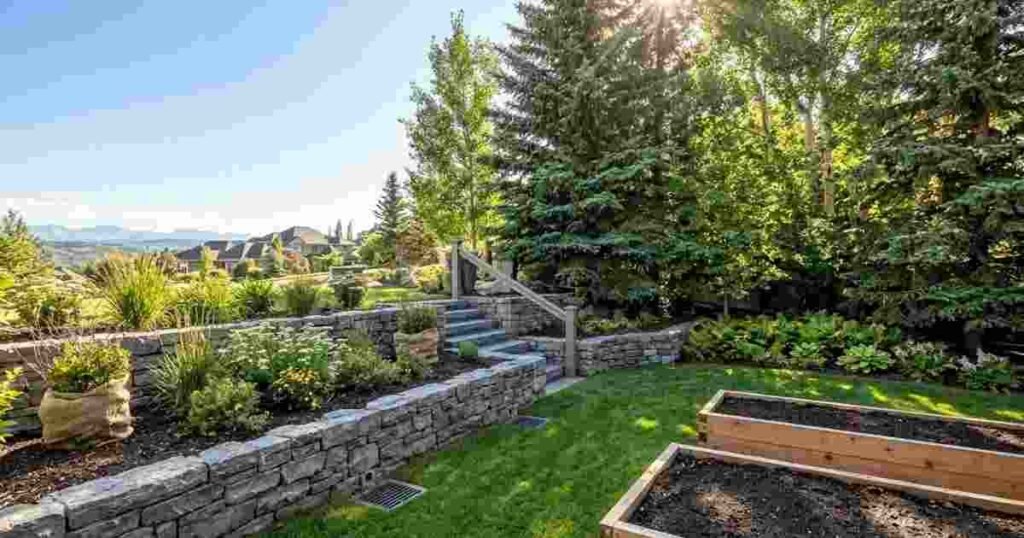
Natural slopes and uneven ground can also influence landscaping decisions. Properties with sloping sections may benefit from carefully planned planting beds or terraced areas that help manage the visual layout of the garden, while flatter yards often offer more flexibility for open lawns and patio installations. Any significant changes to grading or drainage should be planned carefully to avoid directing water toward neighbouring properties or building foundations.
Privacy is another consideration that can be addressed through thoughtful planting. Trees, shrubs, and strategically positioned garden beds can create natural screening without making an outdoor area feel overly enclosed. Homeowners can also combine vegetation with pathways, decorative features, and seating areas to create a balanced design that provides both functionality and visual appeal.
Ultimately, the best landscaping choices depend on the atmosphere you want to create. Whether you prefer a quiet garden with shaded seating, a colourful space filled with flowers, or an open backyard designed for entertaining, understanding the natural features of your property makes it easier to develop a design that feels comfortable and connected to its surroundings.
Seasonal Landscaping Maintenance in Northwest Calgary
Even a carefully designed landscape requires regular attention, and Calgary’s changing seasons make it helpful to divide maintenance into manageable stages throughout the year. A consistent seasonal routine can protect plants, maintain lawn health, and reduce the amount of work needed when the weather changes. Rather than waiting until something looks unhealthy, homeowners can use each season to prepare their outdoor spaces for the conditions ahead.
Spring is the time to assess the effects of winter and prepare the garden for new growth. Start by checking lawns and garden beds for damaged areas, removing accumulated debris, and assessing whether any plants need replacing. It’s also a suitable time to improve soil with finished compost, refresh mulch, and plan new planting projects, although working on excessively wet ground should be avoided because it can contribute to soil compaction.
Summer maintenance focuses largely on managing moisture and keeping plants healthy during warmer, drier conditions. Regularly check soil moisture rather than relying entirely on a fixed watering schedule, since different parts of the yard may have different requirements depending on sunlight and soil composition. Mowing at an appropriate height, monitoring weeds, and addressing signs of plant stress early can also help prevent minor issues from becoming more difficult to manage.
Autumn provides an opportunity to prepare the landscape for winter while completing important maintenance tasks. Remove excessive fallen leaves from lawns, tidy garden beds, and apply mulch where appropriate to help protect plant roots from changing temperatures. Homeowners can also inspect young trees and shrubs, remove damaged branches when appropriate, and make sure vulnerable plants have suitable protection before colder weather arrives.
Winter is generally a quieter period for outdoor maintenance, but there are still useful ways to care for the landscape. Avoid unnecessary disturbance to dormant plants, monitor protective coverings around young trees and shrubs, and use the time to review which parts of the garden performed well during the previous growing season. Planning improvements in advance can make spring projects easier to organize and help homeowners avoid rushed decisions once warmer weather returns.
Creating a Landscape That Works With Your Environment
Successful landscaping in Northwest Calgary begins with understanding the relationship between a property and its surrounding environment. Climate, soil composition, drainage, sunlight exposure, and existing vegetation all influence which plants and outdoor features will perform well over time. Taking these factors into account before starting a project can help homeowners avoid unnecessary maintenance and create gardens that remain attractive through Calgary’s changing seasons.
You don’t need an elaborate design or an extensive budget to improve an outdoor space. In many cases, choosing suitable plants, improving soil quality, reducing unnecessary lawn areas, and making better use of available water can produce meaningful improvements without creating additional work. The most important thing is to understand the conditions you’re working with and make decisions that support the long-term health of the landscape.
Start by observing how your yard changes throughout the year, identify the areas that receive the most sunlight, and consider which parts of the garden require more attention than others. From there, choose plants suited to the local climate, create practical outdoor areas, and establish a maintenance routine that fits your lifestyle. With thoughtful planning and consistent care, you can develop an attractive, manageable landscape that feels naturally suited to life in Northwest Calgary.