
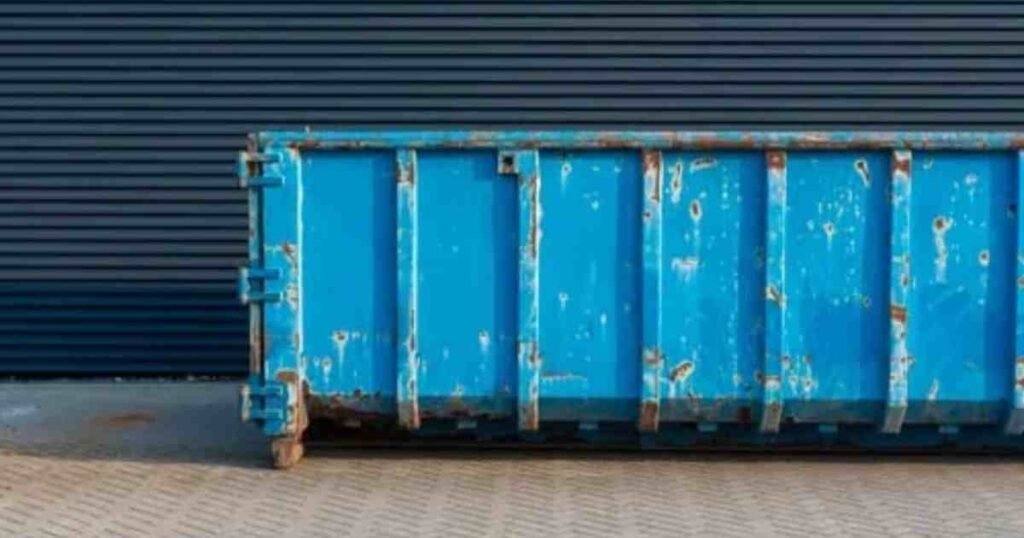
Yes, separating different types of waste before loading a dumpster is often necessary. Certain materials, such as hazardous waste, electronics, and recyclables, may have separate disposal requirements. The exact rules depend on the material and the rental provider’s guidelines.
Thank you for reading this post, don't forget to subscribe!Malibu is a coastal city in western Los Angeles County, California, stretching along the Pacific Coast Highway (PCH). It has hillside homes, beachfront properties, and commercial areas around Malibu Country Mart. Home renovations, landscaping, and property cleanouts across these areas can generate mixed waste that requires careful sorting and responsible disposal.
Before starting your project, check the accepted materials and sorting requirements when arranging Malibu dumpster rental. Choosing the right container and understanding disposal rules can help prevent rejected loads, extra fees, and collection delays.
Here’s what to know.
Understanding Why Waste Separation Matters
Not every type of waste can be processed in the same way. General household garbage, recyclable materials, construction debris, and hazardous waste may follow different disposal procedures.
When arranging Malibu dumpster rental, understanding these differences helps you choose a container that suits your project and follow the provider’s disposal guidelines. Mixing materials can make recycling more difficult and may cause an entire load to be rejected by a facility. Waste separation also helps rental providers identify unsuitable materials before collection.
Following their instructions reduces the risk of unexpected charges or pickup delays.
Types of Waste You May Need to Separate
General Household Waste
Everyday rubbish from home cleanouts may include packaging, broken household items, and non-recyclable materials. These items can often go into a general-purpose dumpster if the provider accepts them.
Recyclable Materials
Paper, cardboard, metal, and certain plastics may be accepted for recycling. Some rental companies allow these materials in mixed loads, while others require them to be separated.
Keep recyclable materials clean and dry when possible.
Construction and Remodeling Debris
Renovation projects may produce wood, drywall, flooring, roofing materials, and metal scraps. These materials may be accepted in a construction dumpster, but restrictions can vary.
Heavy debris such as concrete, bricks, and dirt may have separate weight limits.
Yard Waste
Leaves, branches, grass clippings, and other landscaping debris may need to be separated from household garbage. Some providers offer yard waste containers or specific disposal arrangements.
Avoid mixing soil, treated wood, and other restricted materials with ordinary green waste unless the company confirms they are accepted.
Materials That Should Not Go into a Regular Dumpster
- Paints, solvents, and certain chemical products
- Motor oil, fuel, and automotive fluids
- Batteries and electronic waste
- Pesticides and other hazardous chemicals
- Asbestos-containing materials
- Certain appliances and items containing refrigerants
The Risks of Mixing Different Waste Types
- Additional disposal costs
- Safety concerns
- Recycling problems
Practical Steps for Sorting Dumpster Waste
- Identify the waste: Make a list of the materials your project will generate.
- Check rental restrictions: Ask which materials are accepted and which require separate disposal.
- Create sorting areas: Keep recyclables, general rubbish, construction debris, and yard waste apart where necessary.
- Separate restricted items: Store hazardous materials securely and arrange an approved disposal method.
- Load carefully: Place heavy materials according to the provider’s instructions and avoid exceeding weight or fill limits.
- Confirm before collection: Make sure the container contains only approved materials.
FAQs
Can I put wood and household garbage in the same dumpster?
It depends on the rental provider and the type of wood. Clean construction wood may be accepted in some containers, while treated or contaminated wood may have restrictions.
Do recyclables always need a separate dumpster?
No. Some providers accept certain recyclable materials in mixed loads, while others require separation. Confirm the rules before loading.
What should I do with hazardous household waste?
Keep it out of the regular dumpster. Contact an appropriate local collection program or disposal facility for instructions.