
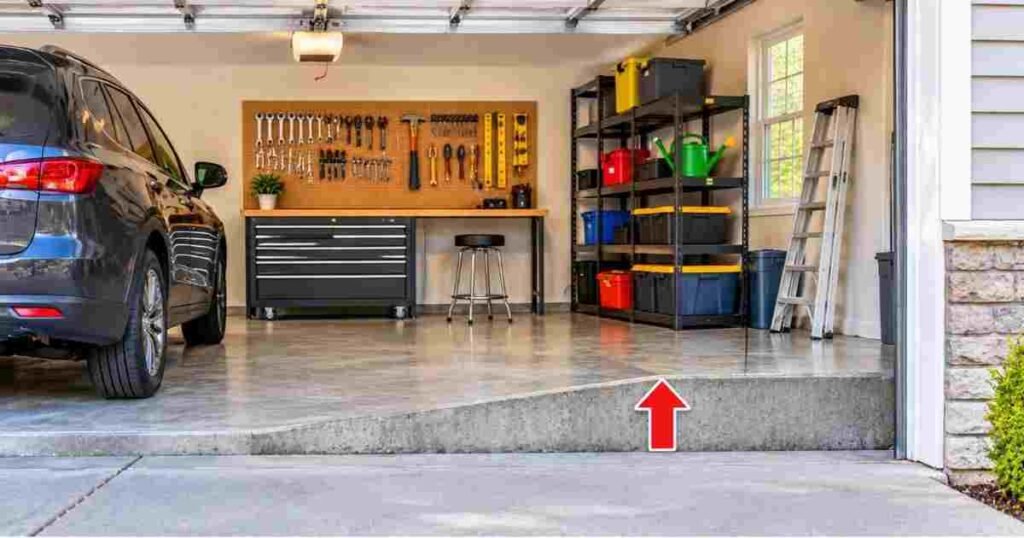
Garage floors sometimes settle as the soil beneath the concrete shifts or loses supporting material. Uneven surfaces, standing water, and widening cracks indicate movement. Concrete raising addresses settlement by injecting material beneath an existing slab to lift supported sections. Here are a few reasons you might need to raise your garage door:
Thank you for reading this post, don't forget to subscribe!1. Correct Uneven Settlement
A garage floor depends on stable ground beneath its concrete slab. When soil shifts or settles, parts of the slab lose support and sink below their original elevation. Poorly compacted soil also contributes to movement as the ground adjusts under the concrete. These height differences indicate the slab no longer rests evenly on its underlying base.
Empty spaces beneath concrete create another problem for garage floors. Water moving through the soil can wash away supporting material, leaving sections suspended above voids. As the unsupported areas expand, the slab becomes more vulnerable to further settlement. Limestone slurry injection fills these spaces and lifts the affected sections toward their previous position.
2. Correct Water Pooling
The slope of a garage floor will direct water towards a predesigned drainage point or away from the garage. As sections settle, the original grade changes, and water pools begin to form in lower areas. Puddles near the entrance or under parked vehicles indicate areas that no longer funnel water effectively. These are the typical indicators of a drainage problem:
- Slow draining: Water not flowing into drains
- Accumulation at the garage door: Water pools near the door rather than being swept away
- Low areas: Low sections collect water when higher areas are dry
3. Remove Uneven Transitions
Settlement sometimes creates differences in elevation between adjoining sections of a garage floor. One concrete slab panel sinks while the neighboring panel retains its original position. This movement creates an uneven transition between the two surfaces.
These changes affect movement throughout the garage. A raised edge between panels increases the risk of tripping, particularly when residents carry household items. Vehicles also experience a smoother transition when differences in floor elevation are corrected.
Uneven concrete also affects the functionality of garage interiors. Sloped surfaces complicate equipment placement; differences in elevation disrupt storage arrangements. Concrete raising restores the affected slab to a more appropriate elevation, creating a more level and functional garage floor.
4. Address Concrete Cracks
Cracks sometimes develop when sections of a garage slab lose support underneath. Unsupported concrete bends under its own weight and the pressure placed on the floor. As movement continues, existing cracks can widen, or new fractures appear. The repair method depends on whether the slab has settled or the joints simply need sealing. Here are several treatments for addressing cracks and joint separation in your garage floor:
- Concrete raising: Injects a limestone-based slurry beneath settled concrete sections to fill underlying voids and lift the slab toward its original elevation.
- Joint preparation: Removes debris, deteriorated sealant, and loose material from existing joints before applying replacement caulking.
- Polyurethane sealant: Fills prepared joints and cracks with a flexible material that accommodates normal concrete expansion and contraction.
When settlement has affected the slab, concrete raising addresses the underlying loss of support by filling voids beneath the concrete and correcting differences in elevation. Joint preparation and caulking follow once the slab reaches its intended position. Applying sealant without first addressing settlement leaves underlying voids and elevation differences unresolved.
Schedule Concrete Raising Services Today
Garage floor problems often extend beneath the surface; soil erosion beneath the concrete leads to loss of support and slab settlement. An inspection helps identify the cause of the settling and distinguish it from joint failure. Examining adjacent slabs provides further clues about movement beneath the garage floor. Seek professional concrete raising services to assess your garage floor and discuss suitable repair solutions.