
- Flooring often gives away hidden moisture first
- Water damage usually looks smaller than it is
- Your nose can catch problems before your eyes do
- Windows, roofs, and exterior walls create sneaky entry points
- Bathrooms and laundry areas hide repeat moisture events
- A few low-tech checks can save you thousands
- Acting early protects more than drywall and paint
Water damage rarely starts with a dramatic ceiling collapse or a flooded floor. More often, it begins quietly behind a wall, under flooring, or around a window frame, and you only notice it when the repair bill is already painful. If you live in a place like Fullerton, where older homes, slab foundations, HVAC condensation, and seasonal storms can all play a part, catching the early signs matters more than most homeowners realize.
Thank you for reading this post, don't forget to subscribe!- Flooring often gives away hidden moisture first
- Water damage usually looks smaller than it is
- Your nose can catch problems before your eyes do
- Windows, roofs, and exterior walls create sneaky entry points
- Bathrooms and laundry areas hide repeat moisture events
- A few low-tech checks can save you thousands
- Acting early protects more than drywall and paint
Flooring often gives away hidden moisture first
Floors take damage differently depending on the material, and those patterns can tell you a lot. Hardwood may cup, crown, or separate at the seams. Laminate often swells at the edges. Vinyl plank can lift if moisture has compromised the subfloor beneath it. Carpet may feel cool, slightly tacky, or uneven in one section.
You should also notice how the floor sounds. A new creak, a hollow spot, or a soft section near a dishwasher, refrigerator, toilet, or patio door can point to ongoing water intrusion. In homes with slab foundations, moisture can also migrate upward and create persistent flooring issues without an obvious spill.
This is one point where homeowners in North Orange County need to be especially alert. Older plumbing, appliance line failures, and drainage problems can escalate fast, which is why local awareness around water damage restoration in Fullerton has become part of normal home maintenance conversations rather than just emergency planning.
Water damage usually looks smaller than it is
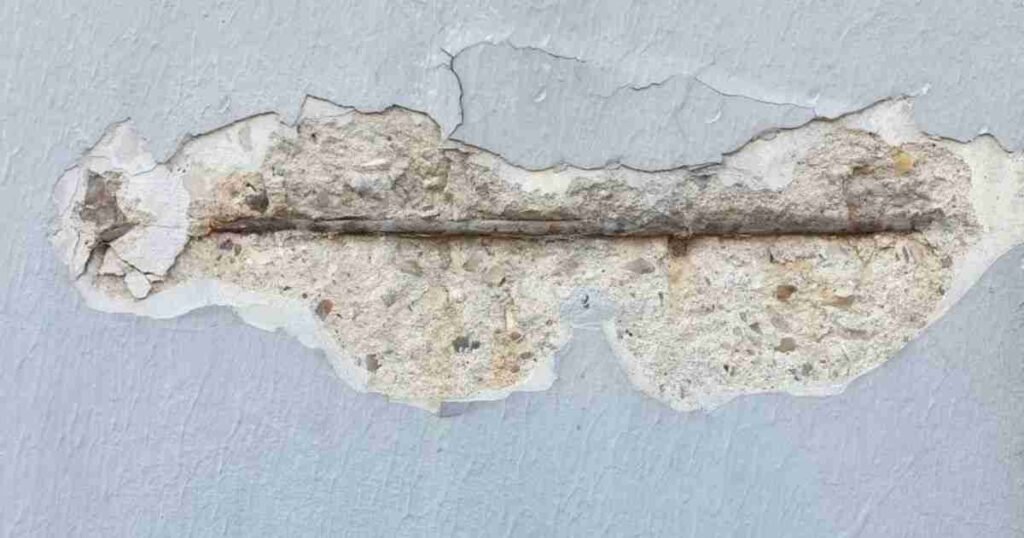
The first mistake many homeowners make is trusting what they can see. A yellow ceiling stain, a warped baseboard, or a patch of peeling paint often represents only the visible edge of a bigger moisture problem.
Water travels along framing, drywall, insulation, and subflooring before it settles. That means the source and the damage pattern often don’t match. A leak from an upstairs bathroom may show up in a downstairs hallway. A window leak may affect the wall cavity long before the trim changes color.
You should pay attention to small texture shifts. Bubbling paint, hairline cracks that suddenly widen, soft drywall, or a musty odor after the house has been closed up for a day can all signal trapped moisture. Those subtle signs are easy to dismiss, yet they often appear well before major structural deterioration starts.
Your nose can catch problems before your eyes do
A damp, stale smell in one room isn’t just an annoyance. It often means moisture has lingered long enough to affect drywall paper, wood framing, carpet padding, or insulation. That smell tends to be strongest in enclosed spaces like closets, under sinks, laundry rooms, and corners near exterior walls.
You don’t need visible mold growth for an odor to matter. Microbial activity can begin in hidden areas where humidity stays elevated. In practical terms, a room that smells earthy every morning but looks clean may already have a leak path or poor drying conditions.
Try a simple comparison test. Step outside for a few minutes, then come back in and smell individual rooms one at a time. Your senses reset outdoors, making it easier to detect differences. If one zone smells noticeably off, especially near plumbing fixtures or windows, it deserves a closer inspection.
Windows, roofs, and exterior walls create sneaky entry points
A lot of people focus on burst pipes and overflowing sinks, but exterior intrusion causes plenty of hidden damage. Wind-driven rain can work through failed window seals, cracked stucco transitions, aging roof penetrations, and poorly flashed doors. The inside signs may stay minor for months.
Watch for discoloration around window casings, swollen trim, or paint that feels chalky and uneven. In the attic, check for darkened sheathing, compressed insulation, rusty nail heads, or daylight around roof penetrations. Along exterior-facing walls, touch the baseboards and lower drywall after storms. A cool or slightly soft area can reveal moisture before stains become obvious.
Fullerton homes with mature landscaping also face another issue: irrigation overspray and poor drainage near the foundation. If sprinklers regularly hit stucco or water pools near exterior walls, the building envelope gets stressed over time, especially around older sealants and hairline cracks.
Bathrooms and laundry areas hide repeat moisture events
Not every water problem comes from one big incident. Repeated small leaks can be more destructive because they continue long enough to rot materials slowly and quietly. Bathrooms and laundry rooms are prime candidates for that pattern.
Look around toilet bases for slight movement, staining at the caulk line, or persistent odor. Check shower corners, especially where tile meets the pan or where glass doors attach to walls. In laundry spaces, inspect supply hoses, shutoff valves, and the wall behind the washer. Even a pinhole drip can keep drywall damp for months.
You should also monitor ventilation performance. If mirrors stay fogged for a long time or walls feel humid after a shower, moisture isn’t clearing properly. That increases the risk of concealed damage and surface growth. A bathroom fan that runs loudly but moves little air often needs more than a quick dusting; it may be undersized, aging, or poorly ducted.
A few low-tech checks can save you thousands
You don’t need professional gear to catch early warning signs. Start with your water bill. A sudden jump without any obvious change in use can point to a hidden plumbing leak. Next, check your water meter when no fixtures are running. If it keeps moving, water is going somewhere.
Use your hands as tools. Press gently on suspicious drywall, trim, and flooring transitions. Feel for softness, coolness, or swelling. Open sink cabinets and inspect the back corners with a flashlight. Look at supply lines behind toilets and under vanities. After heavy rain, inspect the attic and the inside edges of exterior windows.
Take photos of anything questionable and compare them a week later. Small changes become easier to spot side by side. If a stain expands, a floor seam lifts more, or odor gets stronger, waiting usually increases both the repair scope and the chance of secondary damage like mold contamination or material delamination.
Acting early protects more than drywall and paint
Water damage affects more than appearance. It can reduce indoor air quality, weaken subfloors, compromise insulation performance, and distort finishes that are expensive to replace. In severe cases, it can even affect electrical components hidden in walls or ceilings.
The bigger issue is timing. The longer materials stay wet, the more the job shifts from a simple dry-out and repair into demolition, sanitation, and reconstruction. That timeline matters for insurance claims too, since documentation and mitigation efforts often shape what gets covered and what turns into an out-of-pocket expense.
If you treat odd smells, minor staining, and subtle warping as early alerts instead of cosmetic flaws, you put yourself in a far better position. Most major water losses leave hints before they turn into disasters. You just need to know where to look, what to question, and when a small symptom is no longer safe to ignore.