
- Start With the Room That Never Feels Right
- Understand Why Zoning Changes Everyday Comfort
- Choose Capacity by Calculation, Not Guesswork
- Plan Placement Before Picking a Brand
- Compare Real Costs With Familiar Alternatives
- Remember That Ductless Does Not Mean Maintenance-Free
- Think Ahead About Additional Rooms
- Make the Decision About Living, Not Gadgets
A functioning heating system can still leave one room uncomfortable. Perhaps the converted attic gets stuffy, or the home office stays chilly despite a comfortable hallway. Ductless mini-splits offer a way to address those mismatched temperatures without extending bulky ductwork through finished walls. But extra equipment is not always the solution. Knowing how these systems work makes choosing easier.
Thank you for reading this post, don't forget to subscribe!- Start With the Room That Never Feels Right
- Understand Why Zoning Changes Everyday Comfort
- Choose Capacity by Calculation, Not Guesswork
- Plan Placement Before Picking a Brand
- Compare Real Costs With Familiar Alternatives
- Remember That Ductless Does Not Mean Maintenance-Free
- Think Ahead About Additional Rooms
- Make the Decision About Living, Not Gadgets
Start With the Room That Never Feels Right
Before shopping for equipment, work out why the room is uncomfortable. Weak insulation, exposed windows, poor air sealing, or limited airflow from an existing system can all create temperature differences. Some need insulation repairs instead.
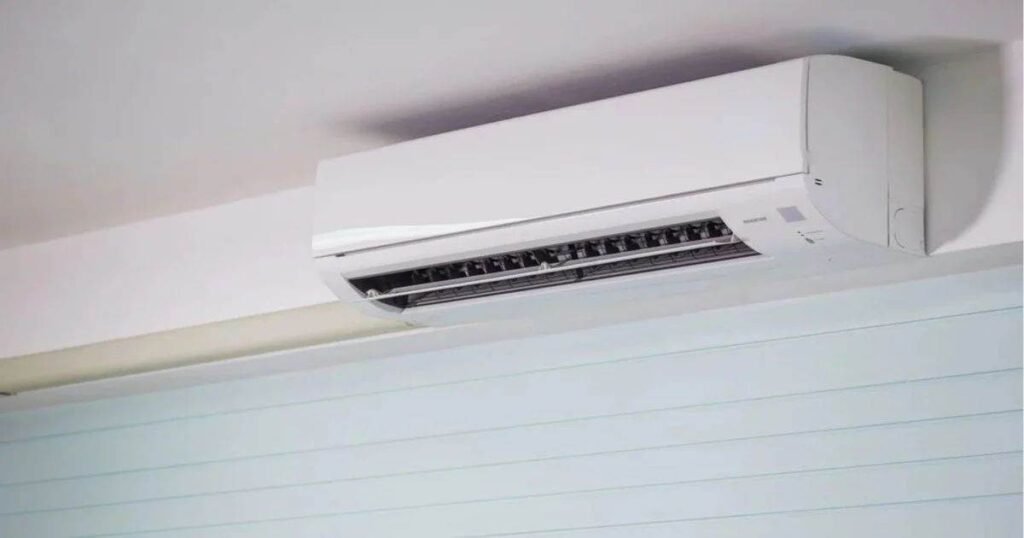
A mini-split uses an outdoor unit connected by refrigerant lines to an indoor unit. The indoor equipment delivers heated or cooled air directly into the space, usually without conventional ducts. Heat pump models provide both heating and cooling, and many adjust their output as demand changes.
If the room genuinely needs separate temperature control, ductless mini split installation can offer a practical route. Professional installation involves mounting indoor and outdoor equipment, routing refrigerant and electrical connections, and testing the finished system. Planning matters more than an empty wall.
Understand Why Zoning Changes Everyday Comfort
Central systems generally serve multiple rooms through the same network, even when those spaces have different needs. A sunny office might heat up while a shaded bedroom stays cool. Adjusting the main thermostat for one room can make several others uncomfortable.
A mini split allows targeted temperature control in the area it serves. That helps in guest rooms, additions, or busy workspaces.
Zoning is not permission to ignore the rest of the house. Closed doors, insulation, and air movement still influence conditions. Think of the unit as one part of a broader comfort plan, not a cure for every hot or cold spot.
Choose Capacity by Calculation, Not Guesswork
Bigger equipment sounds reassuring, especially when a room has been uncomfortable for years. Yet an oversized unit can cycle inefficiently or provide disappointing humidity control, while an undersized one may struggle during demanding weather.
A qualified installer should assess floor area, insulation, windows, air leakage, occupancy, and how the room is used. A sunlit studio containing computers has different cooling demands from a shaded bedroom of identical size.
The guidance on ductless heating and cooling explains the importance of proper sizing and a heating and cooling load calculation. Ask what assumptions went into the recommended capacity. That beats guessing from floor area.
Plan Placement Before Picking a Brand
The indoor unit needs room to move air without blowing directly onto someone sitting or sleeping nearby. Furniture, cabinets, and awkward ceiling lines can reduce the usefulness of an otherwise capable system. Appearance matters too; a wall-mounted unit is visible every day.
Outside, installers need to consider airflow clearance, drainage, mounting stability, exposure to snow or runoff where applicable, and safe maintenance access. Refrigerant lines and electrical connections also need suitable routes between units.
Discuss these details before agreeing to an installation date. Moving equipment after a room has been decorated or an exterior wall drilled is a far less appealing option than settling the layout early.
Compare Real Costs With Familiar Alternatives
Mini splits often cost more upfront than a portable or window air conditioner. However, they may provide quieter operation, year-round heating and cooling, and improved control over a frequently used space. Extending central ductwork can be another option, though construction access and system capacity affect the price.
Compare the full installed cost, not just the equipment advertised online. Electrical upgrades, mounting work, drainage, permits, and finishing may change the final figure. Ask about operating costs under realistic usage patterns rather than accepting a generic savings promise.
The overview of heat pump systems explains how these systems transfer heat rather than creating it through electric resistance. Actual savings still depend on the equipment being replaced, climate, electricity prices, and household habits.
Remember That Ductless Does Not Mean Maintenance-Free
Without a long duct network, there are fewer distribution components to consider, but the indoor unit still collects dust. Filters need periodic cleaning according to manufacturer instructions. Condensate drains can clog, and outdoor equipment needs unobstructed airflow.
Notice unusual sounds, weak performance, water dripping indoors, or error messages. These deserve attention rather than repeated resetting. Arrange professional servicing at intervals appropriate for the model and usage, especially before periods of heavy demand.
A mini split also does not automatically solve indoor air pollution or ventilation problems. Its filters and circulation have limits. Good moisture control, source management, and fresh air remain important parts of a healthy home.
Think Ahead About Additional Rooms
Some outdoor units can support multiple indoor heads, allowing different rooms to operate as separate zones. That possibility sounds convenient, but expansion is not guaranteed with every model or installation. Outdoor capacity, compatible equipment, refrigerant routing, and electrical requirements all impose limits.
If another room might need conditioning later, raise that possibility during the initial estimate. Compare a multi-zone arrangement with separate single-zone systems, including service access and what happens if one outdoor component fails.
Also consider changes to the space itself. Better insulation, shading, or air sealing may reduce the size of equipment required. Planning ahead means avoiding purchases based on assumptions about future needs.
Make the Decision About Living, Not Gadgets
A well-chosen mini split should fade into the background of daily life. The room becomes more comfortable, settings are easy to manage, and the system operates without demanding constant attention.
Before committing, ask for a documented load assessment, an explanation of placement, and an itemized installation scope. Review warranty terms and the maintenance responsibilities you will actually have. If the room’s real problem is poor insulation or a leaky window, address that too.
Comfort is the result worth buying. The hardware is simply the means of getting there, provided it suits your home and routine for everyday living.