
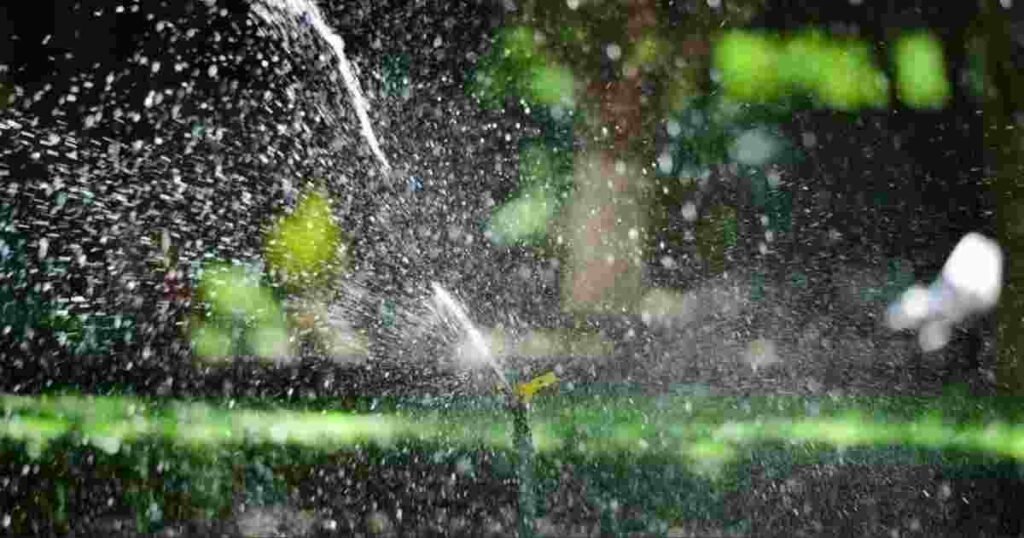
- Your Garden Usually Shows the Problem Before the Sprinkler Does
- Common Sprinkler Problems That Waste Water Fast
- How to Check Your System Without Turning It Into a Weekend Saga
- Why Timing and Scheduling Matter More Than Most People Realize
- Garden Design Choices Can Make Sprinkler Problems Worse
- Seasonal Checks Help You Catch Expensive Repairs Early
- When to Handle It Yourself and When to Call for Help
- A Healthy Garden Depends on More Than Just Watering More
If you garden in Florida, your irrigation system works harder than you might think. Heat, sandy soil, sudden downpours, and long dry spells can all push sprinklers to the edge. In places like Hillsborough County, where lawns, borders, and edible gardens often share the same yard, small watering issues can turn into brown patches, fungus, or a water bill that feels slightly offensive. Catching trouble early helps you protect both your plants and your budget.
Thank you for reading this post, don't forget to subscribe!- Your Garden Usually Shows the Problem Before the Sprinkler Does
- Common Sprinkler Problems That Waste Water Fast
- How to Check Your System Without Turning It Into a Weekend Saga
- Why Timing and Scheduling Matter More Than Most People Realize
- Garden Design Choices Can Make Sprinkler Problems Worse
- Seasonal Checks Help You Catch Expensive Repairs Early
- When to Handle It Yourself and When to Call for Help
- A Healthy Garden Depends on More Than Just Watering More
Your Garden Usually Shows the Problem Before the Sprinkler Does
A sprinkler issue rarely announces itself with dramatic flair. More often, your garden starts dropping hints. One patch of lawn turns pale while the area beside it stays soggy. Mulch shifts from overspray. Flowers near one head look lush, while the rest seem one hot afternoon away from filing a complaint.
Watch for uneven growth, runoff on paths, and soil that stays wet long after a cycle ends. These signs often point to clogged nozzles, poor pressure, tilted heads, or leaks underground. If you keep blaming the weather, you can miss the real culprit.
A quick walk around your garden after watering tells you a lot. Look at how far each sprinkler throws, whether it sprays in a clean pattern, and whether water lands on plants instead of the pavement. Hardscape doesn’t need hydration therapy.
Common Sprinkler Problems That Waste Water Fast
Some irrigation problems look minor but waste an impressive amount of water over time. A cracked head can leak every time the system runs. A nozzle blocked by grit may create a weak stream that leaves dry pockets. A sunken sprinkler can spray into shrubs instead of over them, which sounds efficient until the roots of everything else dry out.
Valve issues are another common headache. If one zone keeps running or shuts off poorly, you may end up with standing water and stressed plants. Broken pipes underground are trickier because you might only notice soft soil, a drop in pressure, or a strange spike in your bill.
In areas with regular heat and frequent irrigation use, including properties that may need sprinkler repair in Hillsborough County, these faults can creep up quickly. Systems don’t need to be ancient to develop bad habits.
How to Check Your System Without Turning It Into a Weekend Saga
You don’t need professional tools to do a useful basic inspection. Start by running one zone at a time. Give each area a few minutes so you can see how the heads pop up, rotate, and distribute water. Bring a notebook or use your phone because every zone will start blending together after a while.
Check these points as you move through the garden:
– Heads that don’t rise fully
– Misty spray, which can signal pressure problems
– Water pooling around a single sprinkler
– Crooked heads aiming at fences or paths
– Dry strips between spray patterns
– Dripping after the zone shuts off
Pay attention to plant height too. Overgrown perennials and sprawling ground cover can block spray surprisingly well. Your sprinkler might be doing its job perfectly, but your salvia has decided to stage a takeover.
Why Timing and Scheduling Matter More Than Most People Realize
Even a perfectly working sprinkler system can cause trouble if the schedule is off. Watering too often encourages shallow roots, fungal problems, and weak growth. Watering too little leaves turf stressed and ornamental beds struggling to recover between cycles.
The right schedule depends on soil type, plant mix, season, sun exposure, and drainage. Sandy soil drains fast, so it may need shorter cycles more strategically spaced. Shady beds often need much less water than open lawn. If your controller treats every zone the same, your garden is probably getting a one-size-fits-none routine.
Early morning is usually the best watering window because less moisture gets lost to evaporation and foliage has time to dry. Midday watering wastes more water, and late-night watering can invite disease. Your plants prefer hydration, not a swampy midnight surprise.
Garden Design Choices Can Make Sprinkler Problems Worse
A lot of watering issues begin with layout decisions rather than mechanical failure. If you mix thirsty annuals, drought-tolerant shrubs, and lawn on the same zone, someone always loses. One group gets too much, another gets too little, and the controller becomes the villain.
Raised beds, narrow borders, and curved planting areas can also be awkward for standard spray patterns. Water often misses the roots and hits edging, decking, or walls instead. Over time, that can damage surfaces as well as waste water.
Think about plant grouping when you update a garden. Keep species with similar water needs together where possible. Drip irrigation may suit beds better than spray heads, especially around vegetables, containers, or foundation planting. A smarter layout reduces stress on the system and gives you more control when conditions shift across the year.
Seasonal Checks Help You Catch Expensive Repairs Early
Sprinkler systems benefit from regular check-ins, especially at seasonal transition points. At the start of warmer weather, test every zone before plants rely heavily on it. During rainy periods, make sure your settings still make sense. If your controller keeps watering through frequent storms, your garden may be getting a little too much devotion.
A seasonal review should include:
– Cleaning nozzles and filters
– Adjusting head direction and spray distance
– Looking for leaks near valves and pipes
– Updating the timer for weather changes
– Trimming plants that block coverage
– Checking for erosion around heads
This routine saves money, but it also protects the look of your garden. Crisp edges, healthy containers, and evenly growing borders are easier to maintain when irrigation behaves. Good design still needs good delivery.
When to Handle It Yourself and When to Call for Help
Some sprinkler fixes are manageable if you’re comfortable with basic garden maintenance. Cleaning a clogged nozzle, straightening a head, or replacing a damaged spray body can be straightforward. If the issue is visible and isolated, a DIY approach may sort it out quickly.
Other problems call for more experience. Hidden leaks, electrical faults, low-pressure issues across multiple zones, and valve failures are harder to diagnose properly. Digging blindly can create more damage, especially around roots, pipes, or utility lines.
If the same zone keeps failing or your lawn shows ongoing patchiness despite schedule changes, it’s worth getting a proper assessment. Irrigation problems tend to compound quietly. A small leak becomes root rot. Overspray stains paving. Dry areas invite weeds. Your garden doesn’t need perfection, but it does need a system that waters with some level of competence.
A Healthy Garden Depends on More Than Just Watering More
When plants look stressed, the first instinct is often to add more water. That can backfire fast. Many garden problems that resemble drought stress actually come from inconsistent coverage, poor drainage, compacted soil, or overwatering. More water isn’t always the answer; better water delivery usually is.
If you keep an eye on spray patterns, scheduling, and plant response, you’ll catch most sprinkler issues before they become expensive. That means fewer brown patches, stronger roots, and a garden that looks intentional instead of slightly confused.
Your irrigation system doesn’t need constant attention, but it does need occasional scrutiny. Give it that, and your plants have a much better shot at thriving through heat, dry spells, and the usual seasonal chaos. A little vigilance goes a long way in the garden.