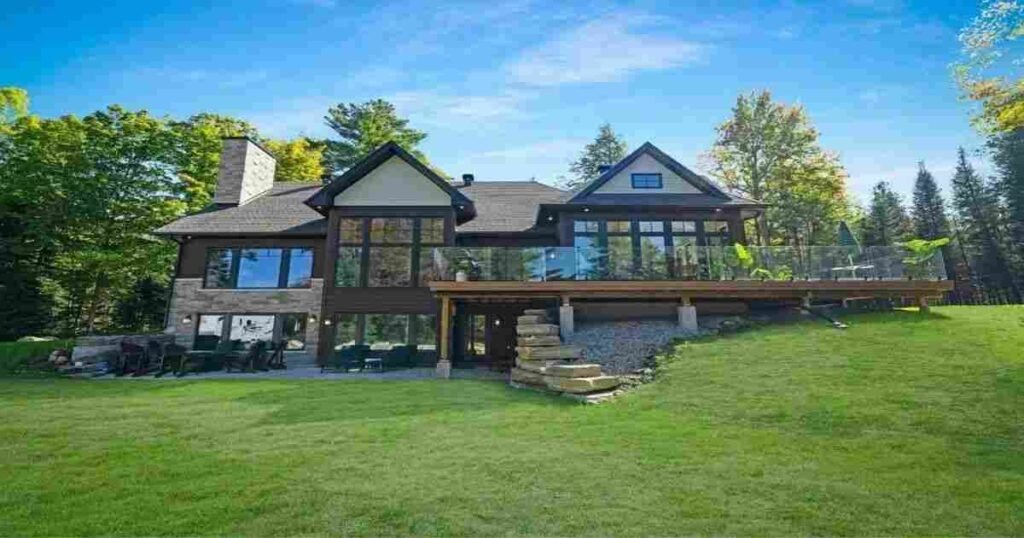
Maintaining a beautiful lawn can be challenging even in a small backyard, but the difficulties become considerably greater when managing several acres of grass. Large residential estates, rural properties, and expansive gardens require consistent attention to soil conditions, irrigation, mowing, and seasonal maintenance.
Thank you for reading this post, don't forget to subscribe!Unlike smaller lawns, where problems can often be identified and corrected quickly, large properties may contain several areas with different environmental conditions. Some sections receive continuous sunlight, while others remain shaded beneath mature trees. Changes in elevation, soil composition, and drainage can create additional complications.
The financial and physical demands of maintaining extensive lawns are equally important. Equipment purchases, fuel or electricity costs, water consumption, and labor can accumulate throughout the growing season. Understanding the most common challenges allows property owners to develop practical maintenance strategies that support healthy grass without wasting time or resources.
- Managing Equipment and Transportation Across Large Properties
- Maintaining Consistent Irrigation Without Wasting Water
- Dealing With Uneven Soil Quality and Drainage Problems
- Keeping Grass at the Right Height Throughout the Growing Season
- Controlling Weeds, Pests, and Lawn Diseases Across Extensive Areas
- Managing Seasonal Changes and Extreme Weather Conditions
- Balancing Lawn Appearance With Long-Term Maintenance Costs
Managing Equipment and Transportation Across Large Properties
One of the first challenges of maintaining an expansive lawn is moving efficiently between different areas. Properties with several acres may include gardens, storage buildings, fences, irrigation systems, and landscaping features spread across considerable distances. Transporting tools, fertilizer, hoses, and maintenance supplies by hand can become exhausting, particularly when multiple tasks must be completed in different locations.
Property owners who regularly work across uneven terrain may explore utility transportation options or shop off road electric golf carts when considering practical ways to travel between maintenance areas. Electric carts designed for suitable terrain can support movement around private grounds, although carrying capacity, traction, ground clearance, and operating conditions should be evaluated before purchasing. For heavy landscaping materials, dedicated utility vehicles or trailers may be more appropriate.
Organizing equipment into designated storage areas can further reduce unnecessary travel. Keeping frequently used supplies close to maintenance zones helps improve productivity, while clear transportation routes reduce interruptions during routine work. Efficient movement becomes especially valuable when lawn care involves several different tasks across a large property.
Maintaining Consistent Irrigation Without Wasting Water
Watering becomes increasingly complicated as lawn size increases. A sprinkler arrangement that works effectively for a small garden may struggle to provide consistent coverage across extensive grounds. Large properties frequently contain different soil types, slopes, and areas of shade, meaning water requirements can vary considerably.
Overwatering some sections while neglecting others may produce uneven grass growth and unnecessary water consumption. Zoned irrigation systems can help address these differences by allowing specific areas to receive water according to their individual needs. Soil moisture sensors and weather-based controllers may provide additional assistance by adjusting irrigation schedules in response to changing conditions.
Property owners should also inspect sprinkler heads, pipes, and connections regularly. Small leaks can waste substantial quantities of water when they remain unnoticed across a large system. Watering deeply when needed, rather than applying small amounts continuously, can encourage stronger root development for many established lawn grasses. The most effective approach combines efficient irrigation equipment with an understanding of local climate and soil conditions.
Dealing With Uneven Soil Quality and Drainage Problems
Soil conditions rarely remain identical across an entire large property. Differences in previous land use, construction activity, natural drainage, and organic matter can influence how well grass grows. Some sections may contain compacted soil that restricts root development, while others may drain too quickly to retain sufficient moisture.
Low-lying areas can become waterlogged following heavy rainfall, creating conditions that weaken grass and encourage certain lawn diseases. Soil testing provides a useful starting point for understanding nutrient levels and pH differences. Rather than applying the same treatment everywhere, property owners can use test results to develop more targeted maintenance plans.
Aeration may help alleviate compaction in suitable conditions, while incorporating organic matter can improve certain soil characteristics. Drainage problems sometimes require more substantial interventions, including grading adjustments or appropriately designed drainage systems. Identifying the underlying cause of poor growth is essential because fertilizer alone cannot correct every lawn problem.
Keeping Grass at the Right Height Throughout the Growing Season
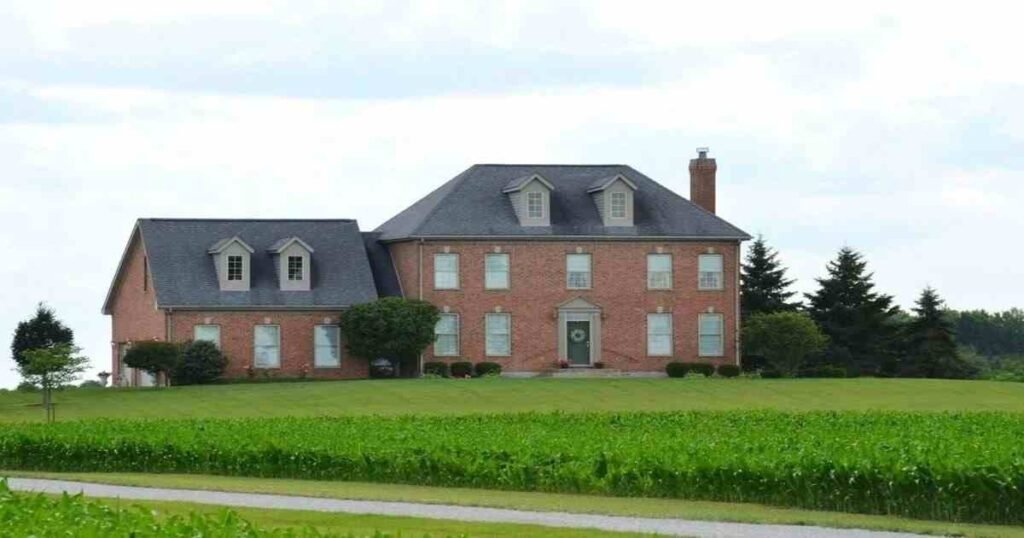
Mowing several acres of grass requires more planning than maintaining an ordinary residential lawn. Weather conditions, equipment availability, and the rate of seasonal growth can affect how frequently mowing is necessary. Allowing grass to grow excessively tall before cutting it severely may place unnecessary stress on the lawn, while cutting it too short can weaken its ability to tolerate heat, drought, and heavy use.
The appropriate mowing height depends on grass species and local growing conditions. Cool-season and warm-season varieties have different maintenance requirements, making it important to understand which grasses are present. Using sharp mower blades contributes to cleaner cuts and reduces damage to grass leaves.
Large properties may also require different equipment for open spaces, narrow passages, and areas surrounding landscaping features. Planning mowing routes efficiently helps minimize repeated travel and unnecessary equipment operation. Regular maintenance of mowers is equally important, particularly during periods when rapid grass growth creates demanding schedules.
Controlling Weeds, Pests, and Lawn Diseases Across Extensive Areas
Weeds and lawn pests can become particularly difficult to manage when problems spread across several acres. Unwanted plants may establish themselves in thin or damaged grass, gradually expanding when environmental conditions favor their growth. Insects and fungal diseases can also affect lawn appearance, although symptoms sometimes resemble problems caused by drought, nutrient deficiencies, or compacted soil.
Correct identification should come before selecting a treatment. Routine inspections help property owners recognize unusual patches, discoloration, or thinning grass before problems become widespread. Maintaining appropriate mowing heights, irrigation practices, and soil fertility can improve turf resilience and reduce conditions that favor certain lawn problems.
When treatments are necessary, selecting products appropriate to the identified problem and following label instructions helps avoid unnecessary applications. Large properties may benefit from targeted management rather than treating every section identically. This approach can reduce costs while limiting avoidable impacts on surrounding plants and beneficial organisms.
Managing Seasonal Changes and Extreme Weather Conditions
Large lawns experience changing maintenance requirements throughout the year. Spring growth, summer heat, autumn leaf accumulation, and winter dormancy each introduce different challenges. During warmer months, prolonged dry conditions may place stress on grass, particularly in areas with shallow soil or heavy sun exposure.
Heavy rainfall can create muddy sections and increase the risk of soil compaction when machinery travels across saturated ground. Autumn maintenance may involve collecting excessive leaf accumulation, inspecting drainage systems, and preparing equipment for colder weather. The most appropriate fertilization and overseeding schedules depend on regional climate and grass species.
Property owners should avoid following rigid calendars without considering actual weather conditions. Adapting maintenance activities to seasonal changes can improve lawn resilience, prevent unnecessary work, and reduce the likelihood of expensive corrective measures later in the year.
Balancing Lawn Appearance With Long-Term Maintenance Costs
A large, perfectly uniform lawn can be expensive to maintain. Water, equipment, labor, fertilizer, and repairs create recurring expenses that may increase as landscaped areas expand. Property owners can manage these costs by evaluating which sections genuinely require intensive maintenance.
Areas surrounding homes, entertainment spaces, and frequently used walkways may justify regular mowing and irrigation. Less frequently used sections might be suitable for lower-maintenance grass varieties, meadow-style landscaping, or carefully planned native planting. Reducing unnecessary mowing and watering can free resources for areas where healthy turf is most important.
Long-term planning should also account for equipment replacement and infrastructure repairs. Maintaining extensive lawns successfully requires balancing appearance with practicality rather than attempting to treat every acre as a formal garden. By improving transportation, managing water carefully, monitoring soil conditions, and adapting maintenance routines to seasonal demands, property owners can create attractive landscapes that remain manageable over time.
A healthy large-property lawn is ultimately the result of consistent planning, informed decisions, and a maintenance strategy designed around the land’s actual needs.