
- Choose Equipment That Removes Friction From Mowing
- Stop Waiting Until the Grass Looks Out of Control
- Create a Mowing Route Before Starting the Engine
- Make Clippings Work Instead of Creating Another Chore
- Make Edges Easier to Maintain
- Keep the Mower Ready Before You Need It
- Water and Feed the Lawn With a Purpose
- Redesign the Yard Around the Time You Want to Spend on It
A well-kept lawn can make an entire property look more inviting, but maintaining one should not consume every free Saturday. Much of the frustration associated with lawn care comes from inefficient routines: mowing too infrequently, using equipment that makes the job harder, collecting clippings unnecessarily, or repeatedly trimming areas that could have been designed differently. Making lawn maintenance easier is less about avoiding the work and more about removing unnecessary work from the process. With better equipment choices, a more deliberate mowing pattern, and a yard designed around maintenance, you can spend less time wrestling with grass and more time actually enjoying the space.
Thank you for reading this post, don't forget to subscribe!- Choose Equipment That Removes Friction From Mowing
- Stop Waiting Until the Grass Looks Out of Control
- Create a Mowing Route Before Starting the Engine
- Make Clippings Work Instead of Creating Another Chore
- Make Edges Easier to Maintain
- Keep the Mower Ready Before You Need It
- Water and Feed the Lawn With a Purpose
- Redesign the Yard Around the Time You Want to Spend on It
Choose Equipment That Removes Friction From Mowing
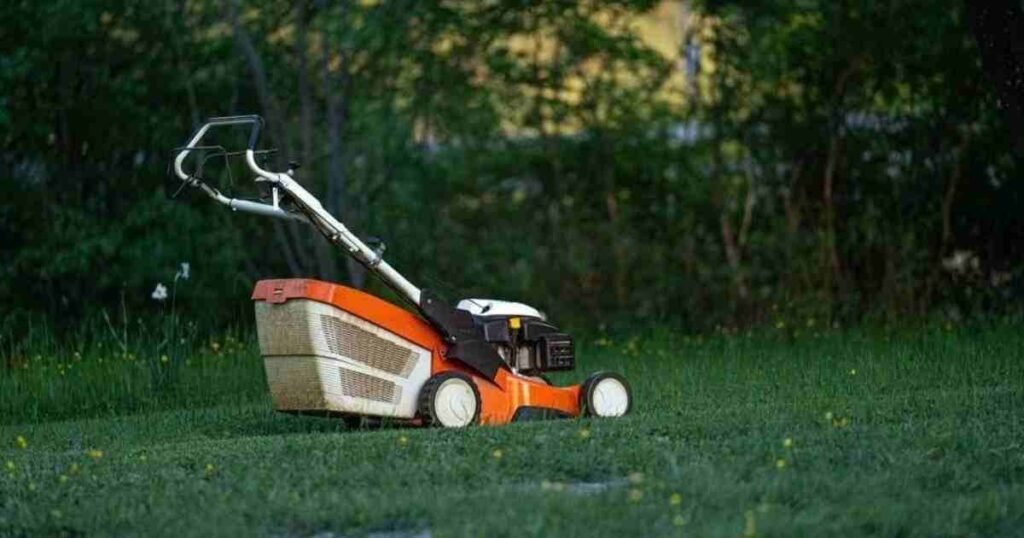
A mower should match the size, terrain, and layout of the lawn rather than simply being the most powerful machine available. Features such as self-propelled movement, convenient height adjustment, manageable storage, and flexible clipping options can make routine mowing considerably easier.
Noise is another practical consideration, particularly for people who live close to neighbors or prefer mowing during quieter parts of the day. Choosing a low noise lawn mower can make the experience less disruptive while allowing lawn care to fit more comfortably into a household routine.
Think about how the mower will actually be used. A heavy machine may become frustrating around tight corners, while a small cutting deck can add unnecessary passes across a large property. Convenience features that seem minor in a store can become valuable after dozens of mowing sessions.
Stop Waiting Until the Grass Looks Out of Control
Long grass turns an ordinary mowing session into a much larger job.
When too much growth accumulates, the mower has more material to process, clippings become heavier, and you may need multiple passes to achieve an even result. Regular mowing generally keeps each individual session more manageable.
That does not mean mowing according to a rigid calendar.
Grass growth changes with temperature, rainfall, season, and lawn conditions. Pay attention to how quickly your particular lawn is growing and adjust the schedule accordingly.
Avoid removing an excessive amount of grass height in a single session. Cutting too aggressively can place unnecessary stress on the lawn and leave behind large amounts of material.
A shorter, predictable mowing routine is usually easier to manage than repeatedly rescuing an overgrown yard.
Create a Mowing Route Before Starting the Engine
Walking randomly around the lawn wastes time.
Develop a repeatable mowing pattern that reduces unnecessary turns, overlaps, and backtracking. Start by clearing toys, hoses, branches, and other objects before the mower comes out.
Then mow in deliberate passes.
Slight overlap helps avoid leaving narrow strips of uncut grass, but excessive overlap means covering much of the same ground twice. For irregularly shaped lawns, dividing the property mentally into smaller sections can simplify the route.
Consider alternating mowing directions between sessions rather than always following exactly the same pattern.
The biggest time savings often come from preparation. Spending five minutes clearing obstacles and deciding how to approach the yard can prevent repeated stopping, repositioning, and walking back across areas you have already finished.
Make Clippings Work Instead of Creating Another Chore
Bagging every blade of cut grass can add substantial time to lawn maintenance.
The bag fills, mowing stops, the clippings need to be emptied, and eventually all that material has to go somewhere. Depending on lawn conditions and the mower being used, mulching may offer a simpler alternative.
Finely processed clippings can remain on the lawn, where they break down rather than becoming another pile of yard waste to handle.
There are times when bagging makes sense. Excessively long, wet, or heavy clippings can accumulate in unattractive clumps. Bagging may also be useful when removing certain debris from the lawn.
The key is avoiding the assumption that collecting everything is automatically necessary. Choosing the appropriate clipping method for current conditions can eliminate a surprisingly large portion of the work.
Make Edges Easier to Maintain
Some yards are difficult to mow because their design creates dozens of small obstacles.
Trees surrounded by grass, narrow strips beside fences, awkward corners, decorative objects, and complicated garden borders can force repeated trimming after the main mowing is finished.
Look at the property from the mower’s perspective.
Widen narrow passages where practical. Create defined beds around trees instead of maintaining tiny rings of grass. Use clean borders between lawn and landscaping so the mower can approach edges more efficiently.
Hard-to-reach patches of grass may even be better replaced with mulch, ground cover, or another suitable landscaping treatment.
A yard can remain visually interesting without requiring a trimmer to reach every few feet. Designing for maintenance means reducing places where ordinary mowing cannot finish the job.
Keep the Mower Ready Before You Need It
Maintenance becomes frustrating when the mower itself creates the delay.
Follow the manufacturer’s maintenance instructions and inspect the machine periodically rather than waiting for a problem halfway through the lawn. Keep cutting components in appropriate condition, check relevant fluids or batteries depending on the equipment, and clean accumulated grass from appropriate areas according to the manual.
Storage matters too.
If using the mower requires moving bicycles, boxes, and garden furniture every time, mowing already feels inconvenient before it begins. Give frequently used lawn equipment an accessible location.
Keep related items nearby as well. Eye protection, hearing protection when appropriate, gloves, fuel or charged batteries, and other necessary equipment should be easy to find.
The simpler it is to start mowing, the less likely routine maintenance is to be postponed.
Water and Feed the Lawn With a Purpose
More lawn care does not automatically create a healthier lawn.
Overwatering, unnecessary fertilizer applications, and poorly timed treatments can waste resources while creating additional work. Lawn needs vary according to grass type, soil, climate, season, and local conditions.
Pay attention to the lawn itself rather than following generic routines blindly.
Watering deeply at appropriate intervals may be more useful than frequent shallow watering in many situations, but local requirements matter. Soil conditions can also influence how quickly water is absorbed or lost.
The same principle applies to fertilizer and other lawn products. Use them for an identified reason and follow applicable instructions rather than assuming that additional applications will always produce better grass.
A healthy lawn should be managed intentionally, not constantly.
Redesign the Yard Around the Time You Want to Spend on It
The easiest lawn to maintain is often one that was designed with maintenance in mind.
If you repeatedly struggle with the same steep slope, narrow strip, shaded patch, or awkward corner, ask whether that area needs to remain turf at all. Landscaping can sometimes solve a maintenance problem more effectively than buying another tool.
Reduce grass in places where it performs poorly. Simplify complicated borders. Group plants into defined beds instead of scattering individual obstacles throughout mowing areas.
Most importantly, decide how much time you actually want to devote to the property.
Some homeowners enjoy detailed lawn care and consider the work a hobby. Others simply want an attractive outdoor space without sacrificing half the weekend.
Neither approach is wrong.
The goal is to make the yard fit your priorities. Better equipment, sensible mowing habits, easier clipping management, purposeful watering, and maintenance-friendly landscaping can remove hours of unnecessary effort over a season.
A lawn should be somewhere you want to spend time, not merely something that demands your time. When the maintenance routine becomes simpler, enjoying the finished yard can finally become the larger part of the experience.