
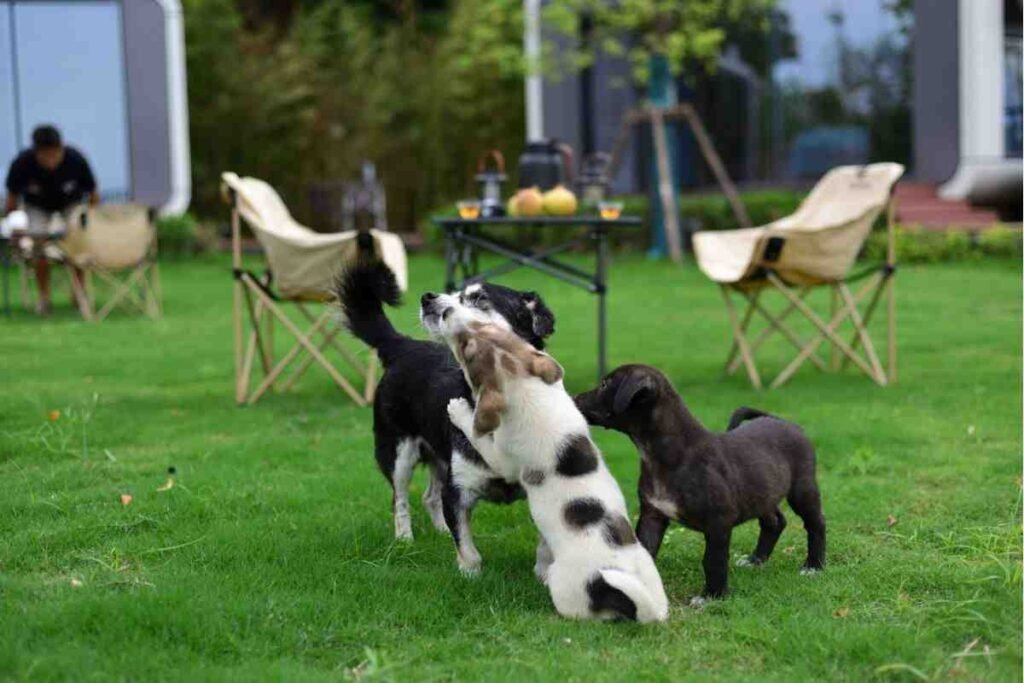
If your yard used to be a lush green carpet that was perfect for entertaining guests but lately looks more like an obstacle course because of your dog, you’re not alone in this issue. Some dog breeds are simply more difficult for grass than others.
Thank you for reading this post, don't forget to subscribe!The good news is that once you know which breed of dog you’re going to have, it is easy to take steps to protect your lawn from getting too ravaged by their undeniable presence. Read on to discover which dog breeds are the most likely to leave their mark on your lawn and how to minimize this problem.
Why Some Dogs Are Harder on Lawns Than Others
Before getting into specific breeds, it helps to understand the three main ways dogs damage lawns:
- Urine spots: Nitrogen in urine can cause grass-burning spots on your lawn, especially in your dog’s favourite corner.
- Digging: Breeds with digging instincts will exhibit this behaviour for various reasons, such as boredom and the need to cool off.
- Running and wear: High-energy breeds that like to guard the fence or chase after movement will eventually create
Some breeds hit all three. Others are only guilty of one. Either way, matching your lawn care approach to your dog’s tendencies makes a big difference.
Breeds That Tend to Be Toughest on Lawns
Labrador Retrievers and Golden Retrievers
Friendly, energetic, and always up for a game of fetch—which also means constant running, especially along fences and favorite play paths. Expect worn tracks in high-traffic zones.
Huskies and Border Collies
Bred for endurance and work, these dog breeds have a lot of energy to burn. Without enough mental and physical stimulation, they will exhibit digging or pacing behaviors that wear the grass down to dirt.
Terriers (Jack Russell, Staffordshire, and similar breeds)
Terriers were bred to dig and to hunt for small prey. This instinct will never disappear even in the suburban backyard. Your terrier will dig up your garden or get under your fence at least once in a while.
Large, Heavy Breeds (German Shepherds, Rottweilers, Mastiffs)
It’s not that these breeds are destructive by nature — it’s simple physics. More weight means more compaction, and compacted soil struggles to grow healthy grass, especially in high-traffic areas like gates and doorways.
Small Breeds with Big Bladders’ Worth of Habits
Interestingly, the damage caused by urine is not limited to large dog breeds. Even smaller dog breeds that use the same spot on the lawn over and over will cause dead patches to form in that same spot.
Still considering what dog breed might be best for your home and yard? Take a look at which dog breeds are currently trending, which can provide potential dog owners with an idea of the energy levels and space requirements of some breeds prior to bringing a puppy home.
How to Protect Your Lawn Without Compromising on a Happy Dog
1. Choose a tougher grass type. If you already have a dog at home (or if you know that you’ll have one of the high-energy breeds soon), there are actually some grass varieties that are bred to tolerate the wear and tear of dogs’ paws while still quickly establishing themselves after periods of clipping. Some of the most common varieties include tall fescue and certain types of Bermuda grass hybrid varieties.
2. Create a designated “dig zone.” Provide your dog with an approved area to dig – such as a sandbox or mulched zone in the yard – to keep them from digging up the lawn.
3. Rotate the “bathroom spot.” Rotate your dog’s “bathroom” spot to ensure they do not always use the same spot for bathroom breaks. Additionally, watering the spot after your dog uses it will help to dilute the amount of nitrogen burn at that spot.
4. Add a hardscaped path along fence lines. If your dog tends to patrol the perimeter of the yard daily, establish a gravel or mulched path along the fence to avoid a bald spot along the fence.
5. Aerate high-traffic areas regularly. If your dog is a heavy breed, their favorite spots will compact over time. Regularly aerating these spots will allow the grass roots to receive the nutrients they need to fill in the damaged spots.
6. Overseed high-traffic areas each season. Overseeding your lawn each growing season will encourage the grass roots to fill in any damaged spots before they become permanent bald areas.
The Bottom Line
Every dog breed brings something different to the backyard—energy, curiosity, or even weight. Yet none of this means that you have to choose between getting a great dog and having a great lawn. With the right grass type and some proper lawn care habits and maintenance throughout the year, your lawn will be able to stand up to whatever your dog has to say about it.