
- Plan the Layout Around Movement and Comfort
- Start With the Problems You Actually Need to Solve
- Set a Budget That Includes the Unexciting Stuff
- Choose Materials That Can Handle Real Life
- Don’t Overlook Ventilation and Lighting
- Hire Pros Who Understand Bathrooms, Not Just General Construction
- Think Beyond the Finish Line
If you’re planning a bathroom remodel, it helps to think beyond tile samples and shiny fixtures. In a city like Atlanta, where homes range from historic bungalows to newer suburban builds, bathroom updates often need to balance style, moisture control, and practical resale value. A smart remodel can make your daily routine easier, cut maintenance headaches, and give your home a stronger edge if you decide to sell later.
Thank you for reading this post, don't forget to subscribe!- Plan the Layout Around Movement and Comfort
- Start With the Problems You Actually Need to Solve
- Set a Budget That Includes the Unexciting Stuff
- Choose Materials That Can Handle Real Life
- Don’t Overlook Ventilation and Lighting
- Hire Pros Who Understand Bathrooms, Not Just General Construction
- Think Beyond the Finish Line
Plan the Layout Around Movement and Comfort
A better layout can do more for your bathroom than expensive decor. Even small changes, like shifting a vanity or replacing a bulky tub with a streamlined shower, can make the room feel larger and easier to use.
Think about how you move through the space. Ask yourself:
– Can the door open without hitting anything?
– Is there enough room to step out of the shower safely?
– Do drawers and cabinets open fully?
– Can two people use the space without chaos?
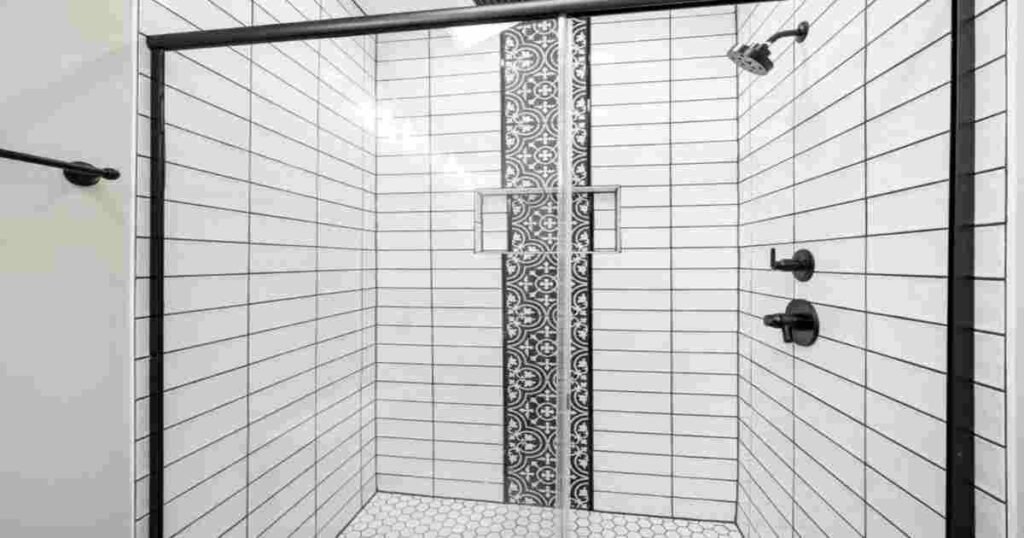
If your current setup feels tight, a shower replacement may be more practical than keeping an oversized tub that rarely gets used. Many homeowners looking for a bathroom remodeling company in Atlanta start with that exact issue. A more efficient shower design can improve accessibility, simplify cleaning, and modernize the whole room without requiring a full footprint expansion.
Comfort should guide the layout. The best bathroom designs don’t just photograph well. They make ordinary mornings less irritating.
Start With the Problems You Actually Need to Solve
A bathroom remodel goes smoother when you begin with pain points, not Pinterest dreams. Maybe your shower is cramped, the flooring never feels clean, or the layout makes two people bump elbows before school or work. Those details matter more than trendy finishes.
Walk through your bathroom and make a short list of what annoys you every day. Focus on function first:
– Poor storage
– Weak lighting
– Old or leaky shower systems
– Hard-to-clean surfaces
– Bad ventilation
– Limited accessibility
Once you know the real problems, your decisions become easier. You’re not just choosing pretty materials. You’re building a room that works better. That mindset also helps you avoid spending half your budget on a rainfall showerhead when your biggest issue is a mold-prone corner that keeps staging a comeback.
Set a Budget That Includes the Unexciting Stuff
Bathroom remodel budgets usually get derailed by the boring parts. Waterproofing, plumbing updates, subfloor repairs, and permit costs rarely make the mood board, yet they often decide whether the project holds up for years or starts failing early.
A solid budget should include:
– Demolition and disposal
– Materials and fixtures
– Labor
– Plumbing or electrical upgrades
– Waterproofing systems
– Permit fees if required
– A contingency fund of 10% to 20%
That last item matters. Once walls open up, surprises can appear fast, especially in older homes. Rotten framing, outdated pipes, and ventilation issues are common. If your home is older, assume there’s at least one plot twist waiting behind the drywall.
Keep your splurge items limited to one or two features. Good examples include a walk-in shower, durable quartz vanity top, or custom storage. That approach keeps the room elevated without turning your bank account into a crime scene.
Choose Materials That Can Handle Real Life
Bathrooms deal with steam, splashes, soap film, and nonstop temperature shifts. Materials that look great in a showroom can become high-maintenance fast if they aren’t built for wet conditions.
Choose surfaces that are durable and easier to maintain. Porcelain tile is popular for a reason. It resists water, comes in many styles, and holds up well. Quartz counters are another strong option because they don’t need sealing like natural stone. For showers, solid surface wall systems can reduce grout lines, which means less scrubbing later.
Think carefully about texture too. A glossy floor may look sleek, but it can get slippery. Matte or slip-resistant finishes are often a better fit. In family homes, that detail matters a lot.
Fixtures deserve the same attention. Cheap valves and bargain hardware may save money upfront, but they tend to wear out faster. A bathroom is not a place where you want mystery drips or a handle that detaches mid-turn.
Don’t Overlook Ventilation and Lighting
Lighting and ventilation often get treated like side notes, then end up causing some of the biggest complaints. A beautiful bathroom with dim mirror lighting and poor airflow gets old very quickly.
Ventilation helps control humidity, which protects paint, grout, trim, and framing. If your fan sounds like a lawn mower and barely clears steam, replace it with a properly sized unit. In humid climates, strong ventilation is even more important because moisture lingers longer.
Lighting should be layered. Overhead light alone usually creates shadows, which is terrible for shaving, skincare, or makeup. Add task lighting around the mirror and, if possible, a softer ambient source for a more balanced feel.
Useful lighting ideas include:
– Sconces on both sides of the mirror
– Dimmable overhead fixtures
– Wet-rated shower lighting
– Under-vanity lighting for night use
Good lighting changes how the whole room feels. Good ventilation changes how long it lasts. Both are worth every penny.
Hire Pros Who Understand Bathrooms, Not Just General Construction
Bathrooms are compact, but they’re technically demanding. Plumbing, waterproofing, drainage slope, tile installation, and ventilation all need to work together. A mistake behind the wall can cost far more than a visible finish issue.
When comparing contractors, look for experience specific to bathroom remodeling. Ask about timelines, warranty coverage, material recommendations, and how they handle hidden damage if it appears during demolition. Request photos of past work and pay attention to details like transitions, fixture placement, and tile alignment.
A good contractor should also communicate clearly. If answers are vague before the project starts, expect more vagueness once the work is underway.
It helps to ask practical questions such as:
– Who handles permits?
– Will plumbing lines need updates?
– How long will the bathroom be unusable?
– What waterproofing method will be used?
– Is cleanup included?
The right pro won’t just install products. They’ll help you avoid expensive missteps and build a bathroom that performs well long after the dust settles.
Think Beyond the Finish Line
A remodel should make your life easier now while still supporting your home’s future value. That doesn’t mean chasing every trend. It means choosing updates that age well, function properly, and appeal to more than your current mood board.
Neutral foundations usually offer the most flexibility. You can add personality through mirrors, hardware, paint, or textiles without locking yourself into a look that feels dated in three years. Accessibility features are also worth considering, even if you don’t need them today. Curbless showers, grab bar blocking inside walls, and wider clearances can make a bathroom more useful over time.
Before signing off on the final plan, pause and picture yourself using the room on a rushed weekday, not just admiring it after installation. If it still feels efficient, comfortable, and easy to maintain, you’re on the right track.
A great bathroom remodel isn’t only about visual payoff. It’s about creating a space that quietly does its job well, every single day.