
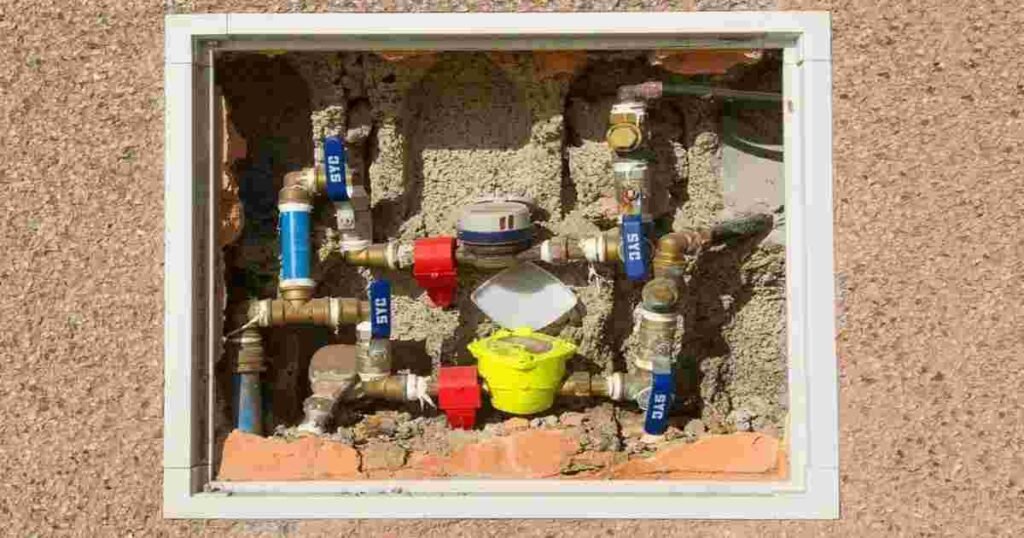
A home rarely ever fails all at once. Most problems start small and send quiet signals long before they turn into costly repairs. A shower that feels weaker than it used to, a faucet that sputters, or a damp patch under the kitchen sink can all seem like minor annoyances.
Thank you for reading this post, don't forget to subscribe!In many older homes in McMinnville, these small signs point to something deeper behind the walls and under the floors. Paying close attention to them early can save a homeowner a great deal of stress, money, and cleanup later on.
When Small Plumbing Problems Keep Coming Back
Most homeowners deal with the occasional drip or slow faucet without giving it much thought. The concern grows when the same trouble keeps returning, and aging pipes that spring leak after leak are often the true source of that pattern. In these cases, replacing the full system at once usually makes more sense than fixing one weak spot at a time.
Homeowners who are tired of this cycle should consider whole house repiping in McMinnville to start fresh with water lines built to last for many years. This approach ends the guessing game and lets the family stop waiting for the next drip.
What Changing Water Pressure Is Really Telling You
Good water pressure is something people notice only when it disappears. When the flow at a sink or shower drops slowly over months, the cause is rarely the fixture itself. Buildup inside older lines can narrow the space water travels through, much like a road losing lanes. Corrosion, mineral deposits, and small hidden leaks all reduce the amount of water that reaches each tap.
A sudden pressure drop deserves even closer attention. It can mean water is escaping somewhere before it reaches the fixture. That water does not simply vanish. It soaks into insulation, flooring, or the ground beneath the home, where it can cause damage nobody sees for weeks.
Testing several faucets at once shows whether the problem affects one room or the entire home. If every tap feels weak, the issue likely sits in the main supply rather than in a single fixture.
Why Repeated Leaks Should Never Be Ignored
One leak can be bad luck. Two or three leaks in a short span usually mean the materials in the walls are wearing out. Small pinhole leaks are a common example. They often appear in older metal lines and tend to show up again a few feet away soon after one is patched.
Each repair may seem affordable on its own, but the costs add up quickly. Every visit means opening a wall, drying the area, and patching the surface again.
Frequent leaks also bring a hidden risk. Water that sits inside a wall cavity creates the perfect setting for mold. Mold can spread quietly, affect indoor air, and lead to expensive cleanup. What starts as a small plumbing concern can become a structural and health issue if it continues unchecked.
Signs of Hidden Water Damage Around the Home
Not every leak announces itself with a puddle. Many show up as subtle changes that are easy to miss. Watch for stains or bubbling paint on walls and ceilings, especially below bathrooms or near the kitchen. Warped baseboards, loose floor tiles, and soft spots in flooring can also point to moisture underneath.
A musty smell that lingers in one room is another warning sign. Some homeowners check for hidden leaks by turning off every fixture and watching the water meter. If the meter keeps moving while nothing is running, water is escaping somewhere in the system.
Crawl spaces deserve regular attention as well. Many homes sit above a crawl space rather than a concrete slab, and this area often hides the first signs of trouble. A quick look with a flashlight for damp soil, dripping lines, or rusty stains can reveal a problem long before it reaches the living space.
The Role of Age, Weather, and Ground Movement
The age of a home plays a large part in how its plumbing performs. Materials that were common several decades ago were not designed to last forever. As they reach the end of their useful life, small failures become more frequent. Knowing roughly when your home was built, or when its plumbing was last updated, helps you judge how much life the system has left.
Weather adds its own strain. Cold snaps can stress exposed lines, while seasonal shifts in the soil can put pressure on the points where lines enter the home. Ground movement in spring and fall can loosen connections near the meter or where two different materials meet. Leaks in these areas often appear after a change in the seasons.
Building Better Plumbing Maintenance Habits
Strong maintenance habits help homeowners catch problems early and make better decisions. Start by learning exactly where the main shutoff valve is located and making sure every adult in the home knows how to use it. In an emergency, closing that valve quickly can prevent major damage.
Keep a simple record of every leak, repair, and visit. Noting the date and location of each problem makes patterns easier to spot. If the same area keeps needing attention, that record becomes valuable when deciding between another patch and a larger upgrade.
Check carefully under sinks, behind toilets, and around the water heater every few months. Look for drips, rust, and damp spots. Test water pressure in different rooms now and then so changes do not creep up unnoticed. Inspect any exposed lines in the garage, basement, or crawl space for corrosion or discoloration.
Finally, plan ahead rather than waiting for a crisis. Major plumbing work is far easier to handle on your own schedule than after a sudden failure floods a room. Setting aside money for future upgrades and treating small warning signs seriously gives a household more control, fewer surprises, and greater peace of mind.