
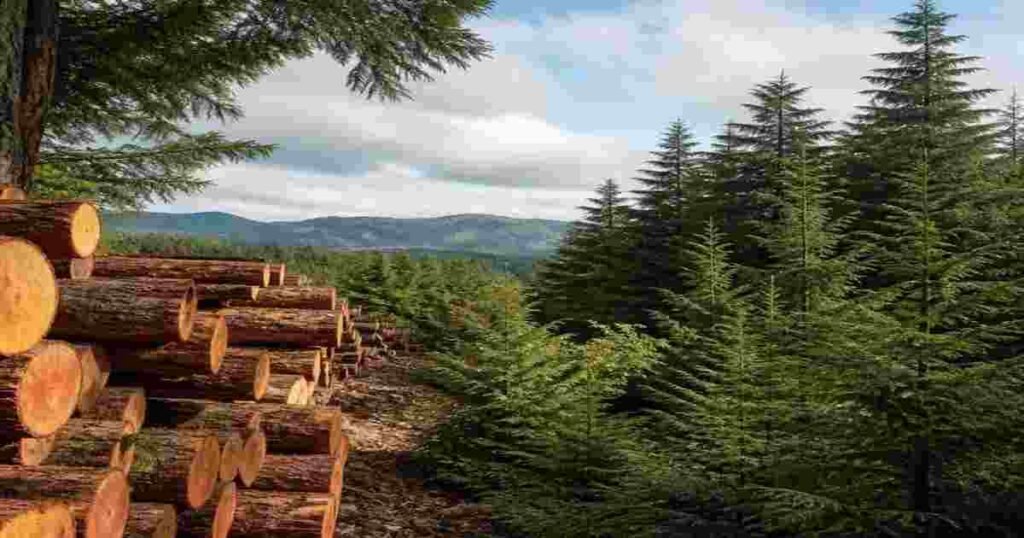
Cedar trees have earned their reputation as some of the most versatile and valuable evergreens in North America. Their aromatic wood, natural resistance to decay, and striking year-round foliage make them exceptional choices for both landscaping and commercial timber applications. Whether you’re planning a residential landscape design or exploring woodworking materials, cedar offers unique properties that set it apart from other softwoods and hardwoods alike.
Thank you for reading this post, don't forget to subscribe!When selecting trees for landscaping or woodworking projects, understanding the types of cedar wood available is essential for making informed decisions that will serve your needs for decades to come. Each species brings distinct characteristics in terms of color, grain pattern, durability, and aromatic qualities that influence both aesthetic appeal and functional performance.
Cedar as a Landscape Evergreen
In the landscape, cedar trees provide year-round visual interest with their dense, scale-like foliage that ranges from deep green to blue-green hues. Unlike deciduous trees that shed their leaves seasonally, these evergreens maintain their appearance through winter months, offering continuous privacy screening, windbreaks, and structural definition to outdoor spaces. Their conical or columnar growth habits make them ideal for creating vertical accents or formal hedges.
The adaptability of cedar species to various climate zones has made them popular choices across different regions. Many varieties thrive in areas with moderate to high humidity and well-drained soils. For homeowners interested in incorporating native and adapted species into their designs, evergreen trees in Virginia include several cedar varieties that perform exceptionally well in mid-Atlantic conditions, where they contribute to ecological diversity while serving practical landscaping functions.
Growth Characteristics and Maintenance
Cedar trees generally exhibit moderate to fast growth rates depending on species and environmental conditions. Eastern Red Cedar, for instance, can grow one to two feet annually once established, while other varieties may have slower but steadier development patterns. These trees typically require minimal pruning when grown as specimen plants, though they respond well to shaping when used for hedges or formal designs.
The root systems of cedar trees tend to be relatively shallow but extensive, which allows them to anchor firmly in various soil types while efficiently accessing moisture and nutrients. This characteristic makes them somewhat drought-tolerant once mature, though young trees benefit from consistent watering during establishment. Most cedar species prefer full sun exposure but can tolerate partial shade, though this may affect their density and overall form.
The Remarkable Properties of Cedar Wood
Beyond their landscape value, cedar trees produce timber with exceptional qualities that have been recognized for centuries. The wood’s natural oils contain compounds that repel insects and resist fungal decay, making it ideal for outdoor applications without chemical treatments. This inherent durability explains why cedar has been used traditionally for fence posts, shingles, siding, and outdoor furniture that can last for generations with minimal maintenance.
The cellular structure of cedar wood contributes to its dimensional stability and workability. The straight grain and relatively low density make it easy to cut, plane, and shape with both hand tools and power equipment. When processing timber from logs, understanding proper sawing techniques ensures optimal yield and quality. Resources about logs to lumber on a bandsaw demonstrate how careful milling preserves the natural beauty and structural integrity of the wood, which is particularly important for premium materials like cedar.
Color and Aesthetic Appeal
Fresh-cut cedar wood displays warm tones ranging from pale yellow sapwood to rich reddish-brown heartwood. These natural colors deepen over time when exposed to air and light, developing a distinguished patina that many consider highly desirable. The color variation within individual boards adds visual interest to projects, creating depth and character that uniform materials cannot replicate.
The distinctive aromatic quality of cedar wood comes from the same oils that provide its protective properties. This pleasant fragrance not only makes working with cedar enjoyable but also contributes to its use in closet linings and storage chests where the scent naturally deters moths and other fabric pests. The aroma fades gradually over years of exposure but can be refreshed by light sanding to expose fresh wood surfaces.
Applications Across Industries
The construction industry relies heavily on cedar for exterior cladding and roofing materials. Cedar shingles and shakes offer natural beauty combined with weather resistance that protects structures for decades. The wood’s low thermal conductivity provides modest insulation benefits, while its ability to shed water efficiently prevents moisture-related damage that plagues less suitable materials.
Fine woodworking and furniture making embrace cedar for specialty applications where its unique properties enhance function and appearance. The wood planes to a smooth finish and accepts stains or clear finishes beautifully, though many craftspeople prefer to leave it natural to showcase its inherent color and grain patterns. Cedar’s resistance to warping and splitting makes it reliable for outdoor furniture that must withstand temperature fluctuations and humidity changes.
Sustainability Considerations
Responsible forestry practices ensure that cedar resources remain available for future generations. Many cedar species grow relatively quickly compared to hardwoods, and selective harvesting allows forests to regenerate naturally while maintaining ecosystem health. Choosing cedar products from certified sustainable sources supports forest management that balances economic needs with environmental stewardship.
Liberty Cedar: Commitment to Quality
When it comes to premium cedar products, Liberty Cedar has established itself as a trusted source for builders, contractors, and homeowners seeking superior materials. The company specializes in providing carefully selected cedar lumber that meets exacting standards for appearance, structural integrity, and performance. Their inventory includes various grades and dimensions suitable for diverse applications, from fine millwork to robust outdoor construction.
What distinguishes this supplier is their attention to proper processing and storage methods that preserve cedar’s natural qualities. Lumber is kiln-dried to optimal moisture content, reducing the risk of warping or dimensional changes after installation. Their expertise extends beyond simply supplying materials to offering guidance on species selection, grade specifications, and appropriate applications that help customers achieve lasting results.
Conclusion
Cedar trees represent a remarkable convergence of landscape beauty and material utility. As evergreens, they provide year-round structure and screening in outdoor spaces while supporting local ecosystems. As a timber resource, cedar offers natural durability, workability, and aesthetic appeal that few other woods can match. Whether you’re planning a landscape installation that will mature over decades or selecting materials for a construction project that demands both beauty and performance, cedar deserves serious consideration. Understanding the specific characteristics of different cedar species and choosing quality materials from reputable sources ensures that your investment delivers satisfaction for years to come.