
- Why Good Landscaping Matters for Arlington Homes
- Sod Installation Can Refresh a Tired Lawn
- Keep Lawn Mowing on a Consistent Schedule
- Choose Plants That Fit Your Landscape
- Landscape Design and Installation Starts With Planning
- Create a Comfortable Outdoor Living Area
- Simple Improvements That Can Refresh Your Yard
- Make Your Landscape Easier to Maintain
- Seasonal Care Keeps the Landscape Looking Fresh
- Common Landscaping Mistakes to Avoid
- When Professional Landscaping Can Help
- Maintaining a Beautiful Arlington Landscape
- Build a Yard That Fits Your Home
- Conclusion
- Frequently Asked Questions
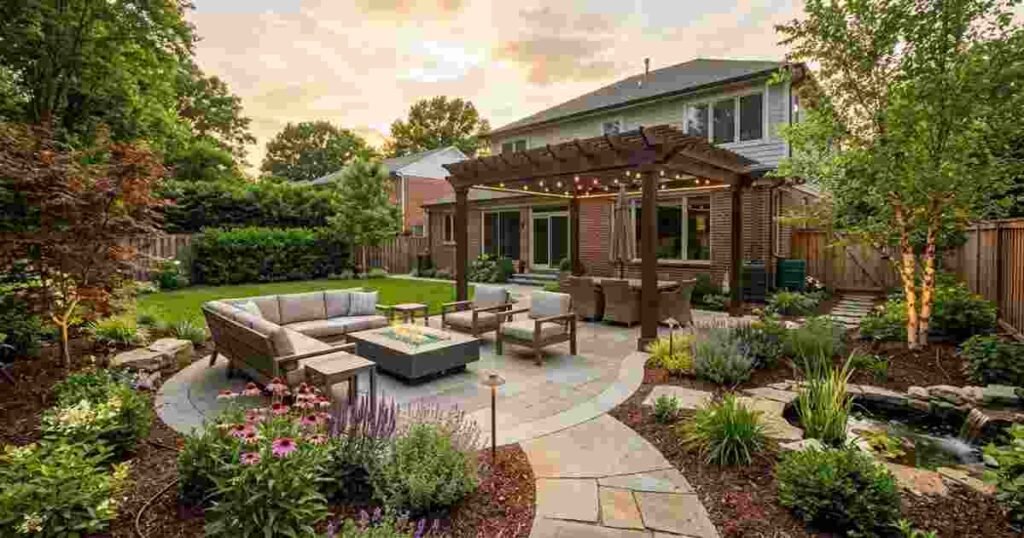
A well-planned outdoor space can change the way a home looks and feels. A healthy lawn, attractive plants, clean walkways, and comfortable areas for relaxing can make a property more welcoming while giving homeowners more reasons to enjoy their yard. In Arlington, where outdoor spaces are an important part of many homes, thoughtful landscaping in Arlington can bring together beauty, comfort, and everyday practicality. Whether you are improving an existing lawn or planning a complete landscape update, small details can make a surprisingly big difference.
Thank you for reading this post, don't forget to subscribe!- Why Good Landscaping Matters for Arlington Homes
- Sod Installation Can Refresh a Tired Lawn
- Keep Lawn Mowing on a Consistent Schedule
- Choose Plants That Fit Your Landscape
- Landscape Design and Installation Starts With Planning
- Create a Comfortable Outdoor Living Area
- Simple Improvements That Can Refresh Your Yard
- Make Your Landscape Easier to Maintain
- Seasonal Care Keeps the Landscape Looking Fresh
- Common Landscaping Mistakes to Avoid
- When Professional Landscaping Can Help
- Maintaining a Beautiful Arlington Landscape
- Build a Yard That Fits Your Home
- Conclusion
- Frequently Asked Questions
Why Good Landscaping Matters for Arlington Homes
Landscaping is not only about adding plants around a house. A successful landscape connects the lawn, garden beds, trees, pathways, and outdoor living areas so the property feels organized and complete. When these elements are properly maintained, they can improve curb appeal and create a more pleasant environment for homeowners and visitors.
The condition of the yard can also affect how much people actually use their outdoor space. A comfortable seating area surrounded by healthy plants can become a natural place to relax, while an open and well-maintained lawn can provide room for children, pets, or outdoor activities. Good landscaping should therefore consider both appearance and the way the space will be used.
Start With the Condition of Your Lawn
The lawn is often one of the most noticeable parts of a property, especially from the street. Patchy grass, weeds, bare areas, and uneven growth can make the entire landscape appear neglected. Before adding new decorative features, it often makes sense to address the condition of the lawn first.
Regular lawn care can help maintain healthier grass through mowing, watering, edging, weed management, and seasonal attention. When these tasks are performed consistently, the lawn provides a cleaner foundation for the rest of the landscape.
Sod Installation Can Refresh a Tired Lawn
Sometimes an existing lawn has reached a point where regular maintenance is no longer enough. Large bare patches, poor grass coverage, or widespread damage can make restoration difficult. In these situations, sod installation can provide a fresh starting point and give the property a more established appearance.
Fresh sod can create an immediate visual improvement, but successful installation requires proper preparation. The soil should be prepared before the sod is placed, and the new grass needs appropriate watering while its roots begin to establish.
Before moving forward with sod installation, homeowners should consider:
- The condition and quality of the existing soil.
- How much sunlight different areas of the yard receive.
- Whether the irrigation system provides even water coverage.
- Which type of grass is appropriate for the property.
- How much ongoing maintenance the new lawn will need.
Taking these factors into account can help prevent problems after installation and give the new lawn a stronger foundation.
Keep Lawn Mowing on a Consistent Schedule
A healthy lawn can quickly lose its polished appearance when the grass becomes overgrown. Regular lawn mowing Arlington services can help keep the yard neat while supporting consistent grass growth.
Mowing should be adjusted according to the season and how quickly the grass is growing. Cutting too much at once can put unnecessary stress on the lawn, while allowing grass to become excessively long can make it harder to maintain later. Clean mowing also involves trimming around sidewalks, driveways, planting beds, and other landscape features.
A neat lawn edge can seem like a small detail, but it often makes the entire property look more finished. When the grass and garden areas have clear boundaries, the landscape feels more organized and easier to maintain.
Choose Plants That Fit Your Landscape
Plants bring color, texture, and personality to an outdoor space, but good plant selection requires more than choosing attractive flowers. Homeowners should consider sunlight, soil, available space, watering needs, and the mature size of each plant before deciding where it belongs.
For example, a plant that needs plenty of sunlight may struggle when placed in a shaded area, while a fast-growing shrub can eventually become too large for a narrow planting bed. Selecting plants according to the conditions of each part of the property can lead to healthier growth and less maintenance.
Use Different Heights to Add Depth
Planting beds can look more interesting when plants are arranged at different heights. Low-growing plants can frame the edge of a bed, medium-sized shrubs can provide structure, and taller plants can create a backdrop.
This layered approach gives the landscape more depth without making it feel overcrowded. It can also help direct attention toward important areas, such as the front entrance or an outdoor seating space.
Add Color Without Overdoing It
Seasonal flowers are a simple way to bring color into a landscape, but using too many unrelated colors can make the yard look busy. Choosing a few complementary shades and repeating them in different areas can create a more balanced appearance.
Greenery can also play an important role by providing a consistent background throughout the year. A combination of plants with different textures can keep the landscape interesting even when fewer flowers are in bloom.
Landscape Design and Installation Starts With Planning
A successful landscape is easier to achieve when the major elements are planned before installation begins. Landscape Design and Installation can bring together lawn areas, planting beds, trees, pathways, outdoor features, lighting, and irrigation into one cohesive plan.
Without a clear design, homeowners may place features wherever space is available, which can eventually make the yard feel crowded or disconnected. Planning makes it easier to decide where each element belongs and how the landscape should look as plants mature.
Design Around Your Lifestyle
The best outdoor space is one that fits the people who use it. A family with children may want a larger open lawn, while homeowners who enjoy entertaining may prefer a comfortable patio or outdoor seating area.
Someone who wants a quiet retreat might focus more on shade trees, attractive planting beds, and a secluded seating area. There is no single landscaping style that works for every property, which is why personal needs should be part of the design process.
A good landscape plan considers:
- How people will move between the home and outdoor areas.
- Where the property receives sunlight and shade.
- How rainwater moves across the yard.
- How large plants and trees will become over time.
- Which areas require the most attention.
- How much maintenance the homeowner is comfortable handling.
Planning these details early can make the finished landscape more useful and easier to maintain.
Create a Comfortable Outdoor Living Area
A yard does not have to be used only for gardening or lawn activities. With the right design, it can become an extension of the home’s living space. A patio, seating area, shade structure, or outdoor dining space can make it easier to spend time outside.
Comfort should be considered along with appearance. Shade can make seating areas more pleasant during warmer periods, while suitable lighting can allow homeowners to use the space after sunset. Plants can also be positioned around seating areas to create privacy and a more natural atmosphere.
Connect Outdoor Areas With Pathways
Pathways help create a natural connection between different parts of the property. A well-positioned walkway can lead from the driveway to the front entrance or connect a patio with a garden area.
Paths should be wide enough for comfortable use and should fit naturally into the overall landscape. Surrounding them with plants or defined borders can make them feel like an intentional part of the design rather than an afterthought.
Simple Improvements That Can Refresh Your Yard
A complete landscape renovation is not always necessary. Homeowners can often create a noticeable improvement by focusing on a few visible areas first. Cleaning up the front yard, improving the lawn, and refreshing planting beds can make the property look considerably different without changing everything at once.
Some practical improvements include:
- Repairing bare or thin areas of grass.
- Trimming shrubs that have become overgrown.
- Refreshing mulch around planting beds.
- Cleaning sidewalks, driveways, and walkways.
- Defining the edges between lawns and garden beds.
- Adding a few seasonal plants near the entrance.
These smaller changes can work together to create a cleaner and more inviting appearance.
Make Your Landscape Easier to Maintain
A beautiful landscape should fit the homeowner’s lifestyle. If every part of the yard requires constant attention, maintaining it can eventually become frustrating. Choosing suitable plants, practical lawn areas, and durable materials can help reduce unnecessary maintenance.
Low-maintenance landscaping does not mean creating a plain yard. It means selecting features that continue to look good without requiring excessive time and effort.
Think About Maintenance Before Installation
Maintenance should be considered before plants and landscape features are installed. Trees and shrubs need enough space to grow, while plants with similar watering needs can often be grouped together to make irrigation easier.
Lawn areas should also be designed around actual use. There is little benefit in maintaining a large section of grass that nobody uses when that space could instead become a garden, seating area, or another useful outdoor feature.
Seasonal Care Keeps the Landscape Looking Fresh
Even a well-designed landscape requires ongoing attention. Grass grows at different rates throughout the year, plants need seasonal care, and outdoor areas can collect leaves and debris. A consistent maintenance routine helps prevent small problems from becoming major ones.
Useful seasonal tasks include:
- Checking irrigation systems for leaks or uneven coverage.
- Removing leaves and debris from lawns and garden beds.
- Watching for weeds, bare patches, or stressed grass.
- Trimming plants when appropriate.
- Refreshing mulch when planting beds become thin.
- Checking pathways, edging, and outdoor features for damage.
Regular maintenance protects the time and money invested in the landscape and helps the property continue looking attractive.
Common Landscaping Mistakes to Avoid
Many landscaping problems can be avoided with better planning. One common mistake is choosing plants based only on their appearance without considering their mature size or growing requirements. A plant may look perfect when first installed but become overcrowded as it grows.
Another mistake is trying to add too many different materials, plants, and decorative features. A landscape can become visually confusing when every area has a different style. A simpler design with a consistent theme often creates a more polished result.
Homeowners should also avoid:
- Ignoring drainage when planning new landscape areas.
- Planting trees too close to buildings or utility areas.
- Installing grass where sunlight is not suitable for healthy growth.
- Overcrowding garden beds.
- Neglecting lawn edges and hardscape surfaces.
- Choosing landscape materials without considering maintenance.
Avoiding these issues can make the yard easier to care for and help the landscape mature more naturally.
When Professional Landscaping Can Help
Some homeowners prefer to handle basic mowing and garden care themselves, while larger projects may benefit from professional experience. Installing new sod, redesigning an entire yard, improving drainage, or creating an outdoor living area can involve several different considerations.
Professional landscaping can help bring these elements together instead of treating each task as a separate project. This can be particularly useful when the property has an uneven lawn, drainage concerns, aging plants, or a layout that needs a complete redesign.
Maintaining a Beautiful Arlington Landscape
A landscape can look impressive after a new installation, but regular care is what keeps that appearance going. Grass needs consistent mowing, planting beds need attention, and trees and shrubs may require trimming as they grow. For homeowners who prefer professional help with these ongoing tasks, The Grounds Guys of Arlington can be a helpful option for lawn and landscape maintenance. Their professional services can help homeowners keep outdoor areas neat and cared for while protecting the results of previous landscaping work. With consistent attention throughout the year, a well-designed yard can remain attractive, healthy, and enjoyable for longer.
Build a Yard That Fits Your Home
Every property has different needs, so the best landscape is not necessarily the most elaborate one. A smaller yard may benefit from simple planting beds and a comfortable seating area, while a larger property may have enough room for multiple lawn sections, pathways, shade trees, and outdoor living features.
The goal should be to create an outdoor space that feels connected to the home. When the lawn, plants, pathways, and living areas complement one another, the yard feels more intentional and enjoyable.
A good landscape should also be able to evolve. Plants grow, family needs change, and homeowners may eventually want to add new outdoor features. Leaving some flexibility in the original design can make future improvements much easier.
Conclusion
A beautiful outdoor space is not created by one feature alone. Healthy grass, suitable plants, clean walkways, comfortable outdoor areas, and thoughtful planning all contribute to the finished landscape. With proper sod installation, consistent lawn care, regular lawn mowing Arlington, and professional Landscape Design and Installation, homeowners can create a yard that looks attractive while remaining comfortable and manageable.
The most effective approach is to think about both the present appearance and the future needs of the property. Choosing plants carefully, planning for maintenance, and investing in quality landscaping when needed can help the yard stay inviting through changing seasons. With the right balance of design and care, an Arlington home’s outdoor space can become a natural extension of the home and a place the whole household can enjoy.
Frequently Asked Questions
How can landscaping improve an Arlington home?
Good landscaping can improve curb appeal with a healthy lawn, attractive plants, clean walkways, and well-planned outdoor features.
Is sod installation good for a damaged lawn?
Yes. Sod installation can quickly improve lawns with large bare patches or poor grass coverage when the soil and watering are properly prepared.
How often should I schedule lawn mowing in Arlington?
It depends on grass type, season, and growth rate. During active growth, regular mowing helps keep the lawn neat and healthy.
What does Landscape Design and Installation include?
It can include lawns, planting beds, trees, shrubs, pathways, irrigation, lighting, and other outdoor features based on the property’s needs.
How can I make my landscape easier to maintain?
Choose suitable plants, avoid overcrowding, plan lawn areas carefully, and consider maintenance needs before installing new landscape features.
Can professional landscaping improve curb appeal?
Yes. Professional landscaping can improve the lawn, planting areas, edging, and overall appearance of your property.