
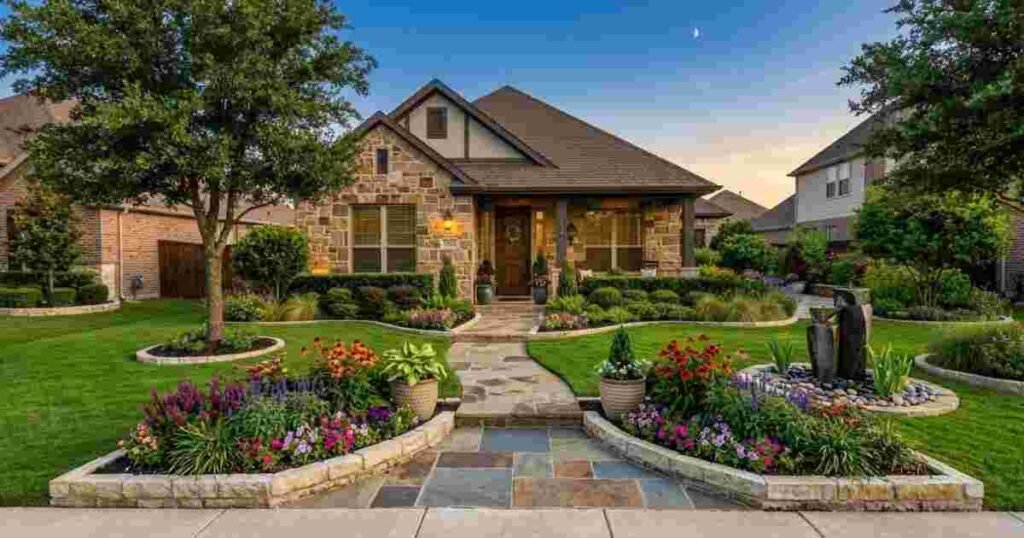
- Why Proper Landscape Planning Matters in Little Elm
- Building a Healthy Lawn From the Ground Up
- Lawn Mowing Is Part of Long-Term Care
- Choosing Plants for the Right Locations
- Landscape Design and Installation Should Work as One Plan
- Make Outdoor Living Part of the Landscape
- Small Improvements Can Make a Big Difference
- Plan for a Landscape That Is Easy to Maintain
- Seasonal Care Protects Your Investment
- Common Landscaping Mistakes to Avoid
- Professional Help for Lawn and Landscape Maintenance
- Keeping Your Little Elm Landscape Well Maintained
- Conclusion
-
Frequently Asked Questions
- How can landscaping improve a Little Elm home?
- Is sod installation a good option for a damaged lawn?
- How often should I schedule lawn mowing in Little Elm?
- What does Landscape Design and Installation include?
- How can I make my landscape easier to maintain?
- Can professional landscaping improve curb appeal?
A well-planned yard can make a home feel more inviting, comfortable, and complete. In Little Elm, homeowners often want outdoor spaces that look attractive yet remain practical for everyday use and maintenance. Good landscaping in Little Elm starts with understanding the property, choosing suitable plants and lawn options, and planning how each part of the yard will work together. From sod installation and regular lawn care to larger landscape improvements, thoughtful planning can make a noticeable difference.
Thank you for reading this post, don't forget to subscribe!- Why Proper Landscape Planning Matters in Little Elm
- Building a Healthy Lawn From the Ground Up
- Lawn Mowing Is Part of Long-Term Care
- Choosing Plants for the Right Locations
- Landscape Design and Installation Should Work as One Plan
- Make Outdoor Living Part of the Landscape
- Small Improvements Can Make a Big Difference
- Plan for a Landscape That Is Easy to Maintain
- Seasonal Care Protects Your Investment
- Common Landscaping Mistakes to Avoid
- Professional Help for Lawn and Landscape Maintenance
- Keeping Your Little Elm Landscape Well Maintained
- Conclusion
-
Frequently Asked Questions
- How can landscaping improve a Little Elm home?
- Is sod installation a good option for a damaged lawn?
- How often should I schedule lawn mowing in Little Elm?
- What does Landscape Design and Installation include?
- How can I make my landscape easier to maintain?
- Can professional landscaping improve curb appeal?
Why Proper Landscape Planning Matters in Little Elm
Landscaping is more than simply planting flowers or keeping the grass short. A successful outdoor space brings together the lawn, trees, shrubs, garden beds, walkways, and other features in a way that feels natural. When each element has a purpose, the yard can look more organized and be easier to maintain.
Planning is especially useful when homeowners are making several improvements at once. For example, replacing an old lawn while adding new planting beds and a patio requires more coordination than handling each project separately. Thinking about the complete layout first can help avoid unnecessary changes later.
Start by Understanding Your Yard
Every property has its own conditions. Some areas may receive full sunlight for most of the day, while others remain shaded by the home or mature trees. Soil, drainage, existing plants, and the amount of available space can also influence what will work well.
Before starting a major project, homeowners should take time to look at how the yard behaves throughout the day and across different seasons. A plant that looks suitable in one location may not perform well somewhere else, and a lawn area that seems ideal may have drainage or shade issues that need to be addressed first.
Building a Healthy Lawn From the Ground Up
A healthy lawn provides a strong foundation for an attractive landscape. When grass is thick and evenly maintained, planting beds, trees, and outdoor features tend to stand out more clearly. On the other hand, thin or damaged grass can make an otherwise attractive yard appear unfinished.
Good lawn care includes more than regular mowing. Watering, edging, weed control, seasonal attention, and monitoring the condition of the grass all play a role. Homeowners who pay attention to small problems early can often avoid more extensive lawn repairs later.
When Sod Installation Makes Sense
Some lawns can be improved gradually, but heavily damaged areas may require a different approach. Sod installation in Little Elm can provide a fresh lawn surface when grass coverage is poor, large areas are bare, or the existing lawn is difficult to restore.
Sod can create a noticeable visual improvement in a relatively short time, but preparation is still important. The soil should be properly prepared before installation, and new sod needs adequate moisture while its roots become established.
Before installing new sod, consider:
- The condition of the existing soil.
- Sunlight and shade across the lawn.
- Drainage and water movement.
- Irrigation coverage.
- The type of grass that best suits the property.
- Future maintenance requirements.
A little planning before installation can help new grass establish more successfully and reduce problems later.
Lawn Mowing Is Part of Long-Term Care
Even a newly installed lawn needs regular attention. Consistent lawn mowing Little Elm services can help maintain an orderly appearance while supporting healthier grass growth.
Mowing frequency should depend on the season and how quickly the grass is growing rather than following the same schedule throughout the year. Cutting too much grass at one time can place unnecessary stress on the lawn, while allowing it to become excessively long can make maintenance more difficult.
Edging is another small but important part of mowing. Keeping grass away from sidewalks, driveways, and planting beds creates cleaner boundaries and gives the yard a more finished appearance.
Choosing Plants for the Right Locations
Plants can add color, texture, shade, and character to a landscape, but successful planting starts with choosing the right location. Sun exposure, soil conditions, watering requirements, and available space should all be considered before installation.
It is also important to think about mature plant size. A shrub may look perfectly sized when it is first planted, but several years later it could block a window or crowd a walkway. Choosing plants with their future growth in mind can prevent these issues.
Create Depth With Different Plant Heights
A planting bed can feel much more interesting when plants are arranged at different heights. Low-growing plants can define the front edge, medium shrubs can provide structure, and taller plants can create a background.
This layered approach gives the garden more depth without requiring an excessive number of plant varieties. It can also help guide attention toward areas such as the front entrance or an outdoor seating space.
Keep the Color Scheme Balanced
Flowers can add seasonal color, but too many unrelated colors may make a landscape look busy. Choosing a few complementary shades and repeating them in different parts of the property can create a more connected appearance.
Green foliage can provide consistency between flowering seasons. Combining different leaf shapes and textures can also keep planting beds attractive even when fewer flowers are present.
Landscape Design and Installation Should Work as One Plan
Larger landscaping projects benefit from having a clear plan before work begins. Landscape Design and Installation can bring together lawn areas, planting beds, trees, pathways, irrigation, lighting, and outdoor living features into a coordinated layout.
Without planning, homeowners may add individual features whenever they find space for them. Over time, this can create a yard that feels crowded or disconnected. A complete design makes it easier to understand how the different elements will work together.
Design Around the Way You Use the Yard
A landscape should reflect the homeowner’s lifestyle. A family with children may need an open lawn for activities, while someone who enjoys entertaining might prioritize a patio, seating area, or outdoor dining space.
Homeowners who want a quiet retreat may prefer shade trees, privacy plants, and a comfortable seating area. The right design depends on how the outdoor space will actually be used.
A practical landscape plan should consider:
- How people move between the house and yard.
- Which areas receive the most sunlight.
- Where shade is available.
- How rainwater moves across the property.
- How large plants will become.
- How much maintenance the homeowner wants to handle.
Thinking about these details before installation can make the finished yard much more useful.
Make Outdoor Living Part of the Landscape
A yard can provide much more than an attractive view from the windows. With thoughtful planning, it can become an extension of the home’s living space. A patio, seating area, outdoor dining space, or shaded corner can give homeowners a comfortable place to spend time outside.
The surrounding landscape can make these areas feel more inviting. Plants can provide privacy, trees can offer shade, and carefully placed lighting can make the space usable after sunset.
Connect Different Areas With Walkways
Walkways can help connect the important parts of a property while adding structure to the landscape. A path might lead from the driveway to the front door or connect a patio with a garden area.
The design should feel natural rather than forced. Suitable materials, clean edges, and surrounding plants can make pathways feel like an intentional part of the overall landscape.
Small Improvements Can Make a Big Difference
Not every homeowner needs a complete yard renovation. Sometimes a few targeted changes can refresh the appearance of the property without requiring a major project.
Some useful improvements include:
- Repairing thin or bare sections of grass.
- Refreshing mulch around planting beds.
- Trimming overgrown shrubs and trees.
- Cleaning sidewalks and driveways.
- Redefining lawn and garden-bed edges.
- Adding seasonal plants around the entrance.
When these details are handled together, they can make the yard look noticeably cleaner and more polished.
Plan for a Landscape That Is Easy to Maintain
A landscape should fit the amount of time the homeowner can realistically spend on maintenance. A yard filled with plants that need constant attention may become difficult to manage, even if it looks impressive immediately after installation.
Low-maintenance landscaping can still be attractive. The goal is to choose plants and features that suit the property while reducing unnecessary work.
Think About Maintenance Before Installation
Maintenance should be considered during the design stage. Plants need enough room to mature, irrigation should match the needs of different areas, and lawn spaces should be sized according to how they will actually be used.
Grouping plants with similar watering requirements can also simplify irrigation. Likewise, placing slow-growing shrubs where frequent trimming would be difficult can reduce future maintenance.
Seasonal Care Protects Your Investment
Landscaping is an ongoing process rather than a one-time project. Grass growth changes with the seasons, plants require different types of attention throughout the year, and outdoor areas can collect leaves and debris.
Regular maintenance helps preserve the work invested in the landscape and allows homeowners to identify problems before they become expensive.
Useful seasonal tasks include:
- Checking irrigation for leaks or uneven watering.
- Removing leaves and debris from lawns and garden beds.
- Watching for weeds and damaged grass.
- Trimming plants when needed.
- Refreshing mulch in planting areas.
- Inspecting walkways, edging, and other landscape features.
Consistent care can keep the property looking attractive while supporting healthier plants and grass.
Common Landscaping Mistakes to Avoid
One of the most common mistakes is choosing plants based only on how they look when purchased. Mature size, sunlight requirements, and watering needs are equally important. A plant that looks perfect in a garden center may not be suitable for its intended location.
Another problem is adding too many different elements without considering the overall design. Too many plant varieties, materials, or decorative features can make the yard feel cluttered.
Homeowners should also avoid:
- Ignoring drainage when planning new areas.
- Planting trees too close to structures.
- Installing grass where sunlight is insufficient.
- Crowding plants into small beds.
- Neglecting lawn edges and hardscape areas.
- Choosing materials without considering future maintenance.
A simple, coordinated landscape often produces a better long-term result than an overly complicated design.
Professional Help for Lawn and Landscape Maintenance
Some homeowners enjoy handling basic yard work themselves, while larger landscaping projects may require professional knowledge and equipment. Sod replacement, landscape redesign, irrigation improvements, planting, and ongoing maintenance can involve several different tasks.
Professional assistance can make the process easier by bringing these services together and helping homeowners maintain consistency after the initial project is completed.
Keeping Your Little Elm Landscape Well Maintained
A well-planned landscape needs regular care to keep its original appearance and stay healthy as the seasons change. From mowing and trimming to seasonal cleanup and general lawn maintenance, small tasks can have a noticeable impact on how the entire property looks. For homeowners who prefer professional assistance, The Grounds Guys of Little Elm can help with ongoing lawn and landscape maintenance, making it easier to keep outdoor areas neat and cared for. Consistent attention also helps protect the time and effort invested in larger landscaping projects while allowing homeowners to enjoy their yard without handling every maintenance task themselves.
Conclusion
Thoughtful planning is one of the most important parts of successful landscaping in Little Elm. A healthy lawn provides the foundation, while sod installation, consistent lawn care, and regular lawn mowing in Little Elm can help maintain its appearance. Carefully selected plants, practical walkways, and professional Landscape Design and Installation can then bring the rest of the property together.
A good landscape should also be planned with the future in mind. Plants will grow, maintenance needs will change, and homeowners may eventually want to add new outdoor features. By considering these factors from the beginning, it becomes easier to create a yard that remains attractive, comfortable, and manageable over time.
Whether the goal is to improve curb appeal, create a better outdoor living area, or simply maintain a healthier lawn, a thoughtful approach can make a significant difference. With the right combination of planning, installation, and ongoing care, a Little Elm yard can become a natural extension of the home.
Frequently Asked Questions
How can landscaping improve a Little Elm home?
Good landscaping can improve curb appeal with a healthy lawn, attractive plants, defined garden beds, clean walkways, and well-planned outdoor features.
Is sod installation a good option for a damaged lawn?
Yes. Sod installation can quickly improve lawns with large bare areas or poor grass coverage when the soil and watering are properly prepared.
How often should I schedule lawn mowing in Little Elm?
It depends on grass type, season, and growth rate. Regular mowing during active growth helps keep the lawn neat and healthy.
What does Landscape Design and Installation include?
It can include lawns, planting beds, trees, shrubs, pathways, irrigation, lighting, and outdoor features based on the property’s needs.
How can I make my landscape easier to maintain?
Choose suitable plants, provide enough growing space, group plants with similar watering needs, and consider maintenance before installing new features.
Can professional landscaping improve curb appeal?
Yes. Professional landscaping can coordinate lawn care, planting, edging, and other features to create a cleaner and more polished appearance.